
The Temptation of the Novelty Toy
We’ve all been there. Standing in the pet store aisle, surrounded by a dizzying array of toys promising endless fun for our furry companions. Bright colors, quirky shapes, and enticing textures beckon, promising to cure boredom and alleviate our own guilt at leaving them home alone. But in this moment of well-intentioned impulse, are we truly considering what’s best for our pets, or are we succumbing to the siren song of novelty?
The truth is, many pet owners make a silent, often unconscious mistake when selecting toys: prioritizing visual appeal and our own amusement over the safety, durability, and suitability of the toy for our individual animal. We see a cute squeaky toy shaped like a miniature pizza and imagine the adorable Instagram photos we’ll take. We grab a plush unicorn with a dangling horn, picturing our cat batting it around with glee. But have we stopped to consider the potential dangers lurking within these seemingly harmless objects?
This isn’t to say that all novelty toys are inherently bad. However, the sheer volume of poorly made, unsafe toys on the market makes careful selection absolutely crucial. We, as responsible pet owners, must move beyond the allure of the aesthetically pleasing and delve into the practical considerations that will safeguard our beloved animals.
Beyond the Cuteness Factor: Identifying Potential Hazards
The first step in avoiding this common pitfall is to become acutely aware of the potential hazards hidden within seemingly innocuous toys. Consider the materials used. Are they non-toxic? Are they durable enough to withstand your pet’s chewing habits? Small, easily detachable parts are a major red flag, as they pose a significant choking risk. Think about those adorable button eyes on a stuffed animal, or the plastic squeaker hidden deep inside. These seemingly minor components can quickly become life-threatening if ingested.
Furthermore, assess the overall construction of the toy. Are there any loose seams or weak points that could easily tear apart? A determined dog can shred a poorly constructed plush toy in minutes, exposing stuffing that can cause intestinal blockages. Even seemingly durable rubber toys can be problematic if they’re made from low-quality materials that splinter or break into sharp fragments.
Beyond the physical dangers, consider the psychological impact of the toy. Is it appropriately sized for your pet? A toy that’s too small could be easily swallowed, while one that’s too large could be frustrating or even intimidating. Does the toy encourage natural behaviors like chewing, chasing, or problem-solving? Or does it simply provide fleeting amusement without offering any real enrichment?
The “One-Size-Fits-All” Myth: Tailoring Toy Selection to Your Pet
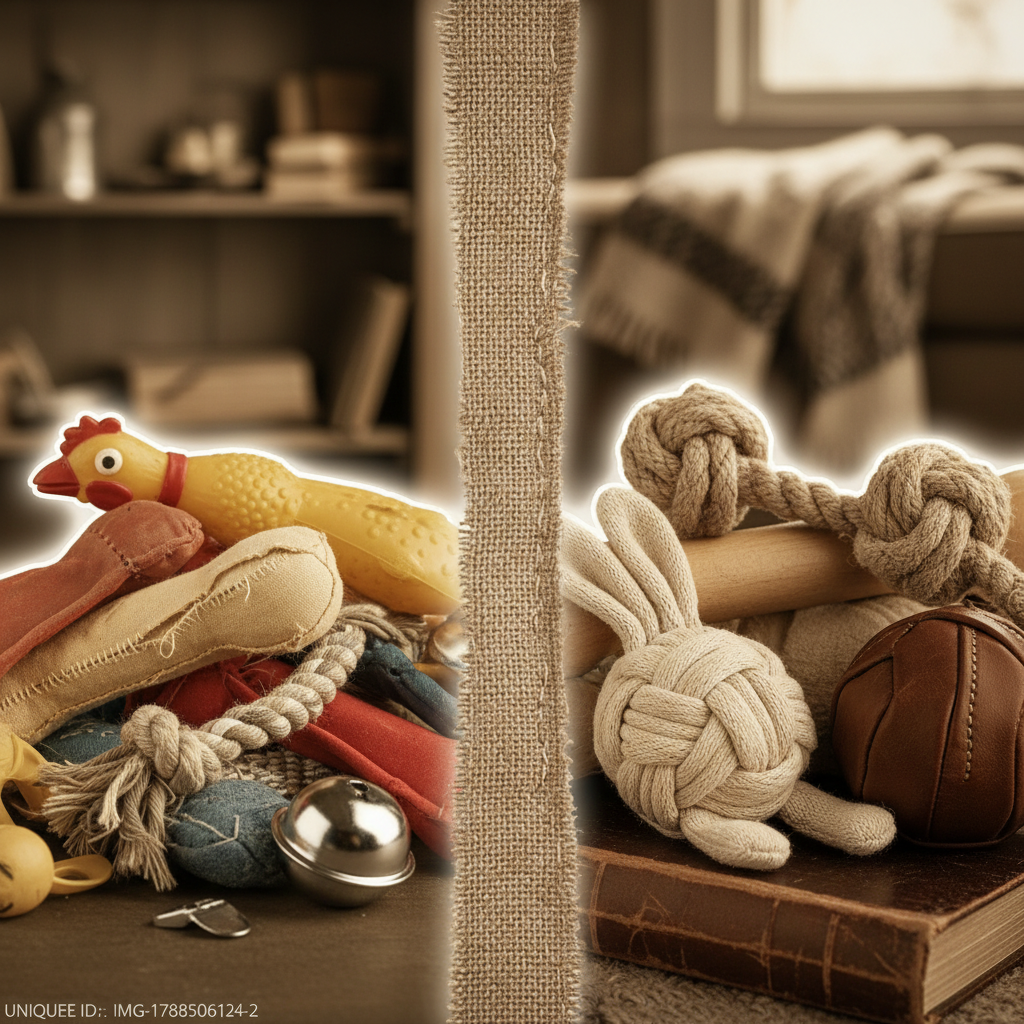
Another common mistake is assuming that all toys are created equal and that what works for one pet will automatically work for another. Every animal is an individual with unique needs, preferences, and play styles. A high-energy Labrador Retriever will have vastly different toy requirements than a mellow Persian cat. A young, teething puppy will need toys designed to soothe their gums, while a senior dog with dental issues will require softer, more pliable options.
Consider your pet’s breed, age, size, and activity level when selecting toys. Observe their play habits. Do they tend to be gentle chewers or aggressive destroyers? Do they prefer toys that they can chase and fetch, or do they prefer toys that they can cuddle and groom? By paying close attention to your pet’s individual characteristics and preferences, you can choose toys that are not only safe but also genuinely enjoyable and enriching for them.
For example, a small breed dog might be easily overwhelmed by a large, heavy ball, while a large breed dog might quickly destroy a small, flimsy toy. A cat who loves to scratch will benefit from a scratching post or a toy covered in sisal, while a cat who prefers to pounce will enjoy toys that mimic the movement of prey. By tailoring your toy selection to your pet’s specific needs and preferences, you can maximize their enjoyment and minimize the risk of injury or frustration.
The Case of the Overenthusiastic Fetcher: A Cautionary Tale
Let’s consider a specific example: the overenthusiastic fetcher. Many dogs absolutely adore playing fetch, and we, as their owners, often indulge their enthusiasm with gusto. However, the seemingly simple act of throwing a ball can actually be quite dangerous if the wrong type of ball is used. Standard tennis balls, while readily available and relatively inexpensive, can pose several risks. The abrasive felt covering can wear down tooth enamel over time, and the ball itself can be easily compressed and swallowed, leading to choking or intestinal blockage.
A safer alternative would be a rubber ball specifically designed for dogs, made from durable, non-toxic materials. These balls are often designed with textured surfaces to promote dental health and are less likely to be compressed or swallowed. Furthermore, consider the size of the ball. A ball that’s too small could be easily lodged in the dog’s throat, while a ball that’s too large could be difficult for them to carry. The key is to choose a ball that’s appropriately sized for your dog and made from safe, durable materials.
Beyond the Toy Box: Environmental Enrichment and Mental Stimulation
While toys are undoubtedly important for pet enrichment, they’re only one piece of the puzzle. True enrichment involves creating a stimulating and engaging environment that caters to your pet’s natural instincts and behaviors. This could involve providing opportunities for foraging, problem-solving, social interaction, and exploration.
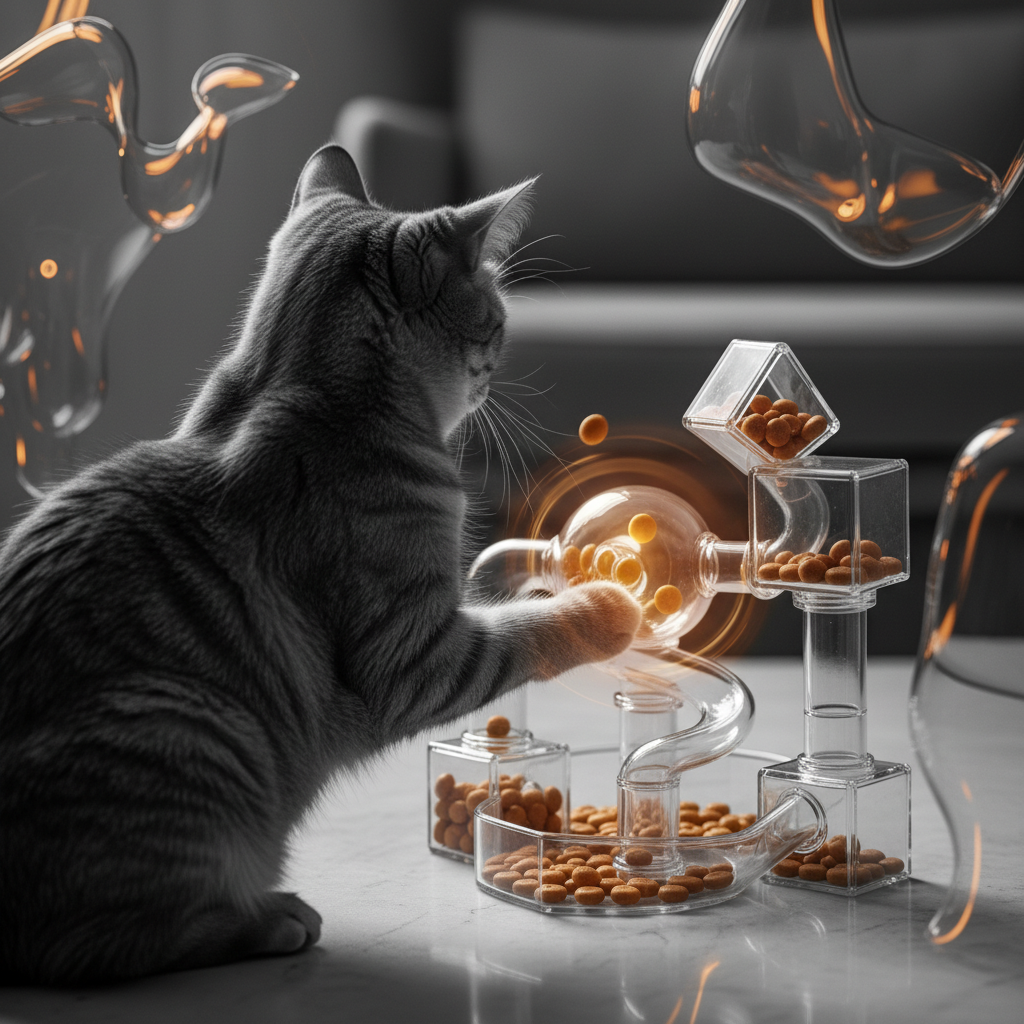
Consider incorporating food puzzles into your pet’s daily routine. These puzzles require them to work for their food, stimulating their minds and slowing down their eating habits. You can also create a stimulating environment by providing climbing structures for cats, digging boxes for dogs, or puzzle toys for birds. Regular walks and play sessions are also essential for providing physical and mental stimulation.
The goal is to create an environment that challenges your pet, keeps them engaged, and prevents boredom. A bored pet is much more likely to engage in destructive behaviors, such as chewing, scratching, or excessive barking. By providing adequate enrichment, you can help to keep your pet happy, healthy, and well-behaved.
The Power of Rotation: Keeping Things Fresh and Engaging
Even the most beloved toys can lose their appeal over time. To keep your pet engaged and prevent boredom, consider rotating their toys on a regular basis. This involves swapping out a few toys every few days or weeks, keeping the selection fresh and exciting. It’s like giving your pet a whole new set of toys without actually buying anything new.
When rotating toys, pay attention to your pet’s reactions. Which toys do they seem to be most excited about? Which toys do they ignore? This information can help you to tailor your toy selection to their specific preferences. You can also use toy rotation as an opportunity to introduce new toys gradually, allowing your pet to adjust to them at their own pace.
DIY Dangers: The Hidden Risks of Homemade Toys
In an effort to save money or create something unique, many pet owners turn to homemade toys. While the intention is admirable, it’s crucial to exercise extreme caution when creating toys for your pets, as many common household items can pose serious risks.
For example, yarn and string, while seemingly harmless, can be extremely dangerous if ingested by cats. The string can become entangled in the intestines, causing a life-threatening blockage. Similarly, socks and old clothing can be easily shredded and swallowed by dogs, leading to intestinal obstructions.
If you choose to make your own pet toys, be sure to use only safe, non-toxic materials. Avoid small parts that could be easily detached and swallowed. Ensure that the toy is durable enough to withstand your pet’s chewing habits. And always supervise your pet while they’re playing with homemade toys.
A Better Approach: Repurposing with Purpose
Instead of creating entirely new toys from scratch, consider repurposing existing items in a safe and enriching way. For example, you can stuff an old cardboard box with crumpled newspaper and hide treats inside for your dog to find. Or you can create a simple foraging toy for your cat by cutting holes in a plastic bottle and filling it with dry food. The key is to use your imagination and repurpose items in a way that is both safe and stimulating for your pet.
However, always remember that safety should be your top priority. Avoid using any materials that could be toxic or easily broken into small pieces. And always supervise your pet while they’re playing with repurposed items to ensure that they don’t ingest anything harmful.
Decoding the Label: Understanding Toy Safety Standards
Navigating the world of pet toys can be overwhelming, but understanding toy safety standards can help you to make informed decisions. Look for toys that are labeled as non-toxic and that meet industry safety standards. However, it’s important to note that these standards can vary widely, and not all toys are rigorously tested.
Research reputable brands that are known for their commitment to safety and quality. Read online reviews to see what other pet owners have to say about specific toys. And don’t be afraid to ask your veterinarian for recommendations. They can provide valuable insights into which toys are safe and appropriate for your pet.
Ultimately, the responsibility for ensuring your pet’s safety lies with you. By educating yourself about toy safety standards and choosing toys wisely, you can help to protect your beloved companion from harm.

The Long Game: Investing in Durable and Safe Toys
While cheaper toys may seem appealing in the short term, they often end up costing you more in the long run. Not only are they more likely to be damaged or destroyed quickly, but they can also pose a greater risk to your pet’s health and safety. Investing in durable, well-made toys may require a larger initial investment, but it will ultimately save you money and provide your pet with safer, more enjoyable playtime.
Look for toys that are made from high-quality materials and that are designed to withstand your pet’s chewing habits. Read reviews to see what other pet owners have to say about the durability of specific toys. And don’t be afraid to spend a little extra money on a toy that you know will last.
Remember, a well-chosen toy is an investment in your pet’s health and happiness. By prioritizing safety and durability, you can provide your furry friend with hours of fun and enrichment without putting them at risk.
The Power of Observation: Monitoring Playtime and Toy Condition
Even the safest toys can become hazardous over time as they wear down or become damaged. Regularly inspect your pet’s toys for signs of wear and tear, such as cracks, tears, or loose parts. Discard any toys that are damaged or that pose a potential choking hazard.
Supervise your pet during playtime to ensure that they’re not chewing or swallowing any pieces of the toy. If you notice that your pet is obsessively chewing on a particular toy, consider removing it from their rotation to prevent them from damaging it further.
By regularly monitoring playtime and toy condition, you can identify potential hazards early on and prevent accidents from happening.

Beyond the Physical: The Emotional Connection and Play
Choosing the right toys is more than just avoiding physical harm; it’s about fostering a stronger emotional connection with your pet. Playtime is a vital opportunity to bond, reduce stress, and improve your pet’s overall well-being. A well-chosen toy can facilitate these positive interactions, turning a simple play session into a meaningful experience for both of you.
Think about toys that encourage interaction. A flirt pole, for example, can provide hours of entertainment for both you and your cat, allowing you to engage in a playful chase that mimics their natural hunting instincts. For dogs, a sturdy tug-of-war rope can be a great way to release energy and strengthen your bond through a controlled and engaging game.
Ultimately, the best toy is one that your pet enjoys and that allows you to connect with them on a deeper level. By prioritizing safety, durability, and your pet’s individual preferences, you can create a playtime experience that is both enriching and rewarding for both of you. So, next time you’re standing in that pet store aisle, take a moment to pause and reflect. Are you choosing a toy that will truly benefit your pet, or are you simply succumbing to the temptation of the novelty item? The answer could make all the difference in their health, happiness, and overall well-being.

Hi, my name is Robert Max, I live in the United States and I’m the creator of InTechNews. I started this blog with the goal of sharing reliable and practical information about pet care, helping pet owners provide a healthier and happier life for their animals. I’m passionate about animal well-being and believe that good information makes all the difference in responsible pet ownership.