
The Perils of the “Perfect” Pet Toy
We’ve all been there. Standing in the pet store aisle, overwhelmed by a dizzying array of squeaky toys, chew toys, and puzzle feeders, each promising endless hours of fun and enrichment for our beloved companions. The packaging screams “durable,” “interactive,” and “vet-approved.” We envision our furry friends gleefully engaging with these чудо-devices, their tails wagging furiously as they solve intricate puzzles or gnaw contentedly on indestructible rubber. But what happens when the reality doesn’t quite match the marketing hype? What if, instead of joy, the “perfect” pet toy leads to frustration, anxiety, or even destructive behavior?
The truth is, not all toys are created equal. And what works wonders for one pet might be a complete disaster for another. Choosing the right toy involves more than just grabbing the brightest, shiniest object off the shelf. It requires careful consideration of your pet’s individual personality, breed, age, and play style. Are they a high-energy herding dog who needs a challenging mental workout? Or a laid-back lap cat who prefers a gentle cuddle session with a soft plush toy? Mismatched toys can lead to a cascade of unintended consequences, turning playtime into a source of stress for both you and your pet.
The Case of the Unsolvable Puzzle
Imagine a highly intelligent Border Collie, bred for complex problem-solving, being presented with a flimsy, poorly designed puzzle feeder. Instead of engaging his sharp mind, the toy quickly falls apart, leaving him bored and frustrated. He might then turn his attention to more destructive outlets, such as chewing furniture or digging holes in the backyard. The owner, meanwhile, is left scratching their head, wondering why their supposedly “smart” dog is behaving so badly. The root of the problem? A toy that was simply not up to the challenge.
Conversely, picture a senior Pug with limited mobility being given a fast-paced agility toy designed for a young, athletic dog. The Pug, already struggling with joint pain and breathing difficulties, is quickly overwhelmed and discouraged. He might become fearful of toys altogether, associating them with pain and discomfort. The well-intentioned owner, trying to provide enrichment, has inadvertently created a negative experience for their beloved companion.
Understanding Your Pet’s Play Style
Before embarking on a toy-buying spree, take the time to observe your pet’s natural play style. Do they enjoy chasing moving objects? Are they avid chewers? Do they prefer solitary play or interactive games with their human? Understanding these preferences is crucial for selecting toys that will truly engage and entertain them.
The Chaser
For pets who love to chase, toys like balls, frisbees, and flirt poles can provide endless hours of fun. However, it’s important to choose the right size and material. A small ball might be a choking hazard for a large dog, while a flimsy frisbee might quickly fall apart under the jaws of a determined chewer. Opt for durable, appropriately sized toys that are designed to withstand enthusiastic play.
The Chewer
Chewing is a natural and important behavior for many pets, particularly puppies and young dogs. It helps to relieve teething pain, reduce stress, and keep their jaws strong. Providing appropriate chew toys is essential for preventing destructive chewing habits. However, it’s crucial to choose toys that are safe and non-toxic. Avoid toys that contain small parts that can be easily swallowed, and always supervise your pet while they are chewing.

The Puzzle Solver
For intelligent and curious pets, puzzle toys and interactive feeders can provide a stimulating mental challenge. These toys require pets to use their problem-solving skills to access treats or food, keeping them entertained and engaged for extended periods. However, it’s important to start with simple puzzles and gradually increase the difficulty as your pet becomes more proficient. Avoid puzzles that are too frustrating or complicated, as this can lead to discouragement and disinterest.
The Dangers of Overstimulation
While enrichment is essential for a pet’s well-being, it’s also possible to overdo it. Bombarding your pet with too many toys or constantly engaging them in high-energy play can lead to overstimulation and anxiety. Just like humans, pets need downtime to relax and recharge. Providing a quiet, comfortable space where they can retreat and de-stress is just as important as providing stimulating toys.
Recognizing the Signs of Overstimulation
Signs of overstimulation in pets can include hyperactivity, excessive barking or meowing, restlessness, panting, and difficulty settling down. If you notice these signs, it’s important to reduce the level of stimulation and provide your pet with a calm and relaxing environment. This might involve removing some of their toys, turning off the television, and providing them with a quiet place to rest.
The Importance of Rotation
Even the most beloved toy can lose its appeal over time. To keep your pet engaged and interested, it’s important to rotate their toys regularly. This means putting some toys away for a while and then reintroducing them later. This can make the toys seem new and exciting again, preventing boredom and encouraging play.
Creating a Toy Library
Consider creating a “toy library” – a collection of toys that you can rotate on a regular basis. This doesn’t have to be anything fancy; a simple storage bin or shelf will do. The key is to have a variety of toys to choose from, catering to your pet’s different play styles and preferences.
The Social Aspect of Play
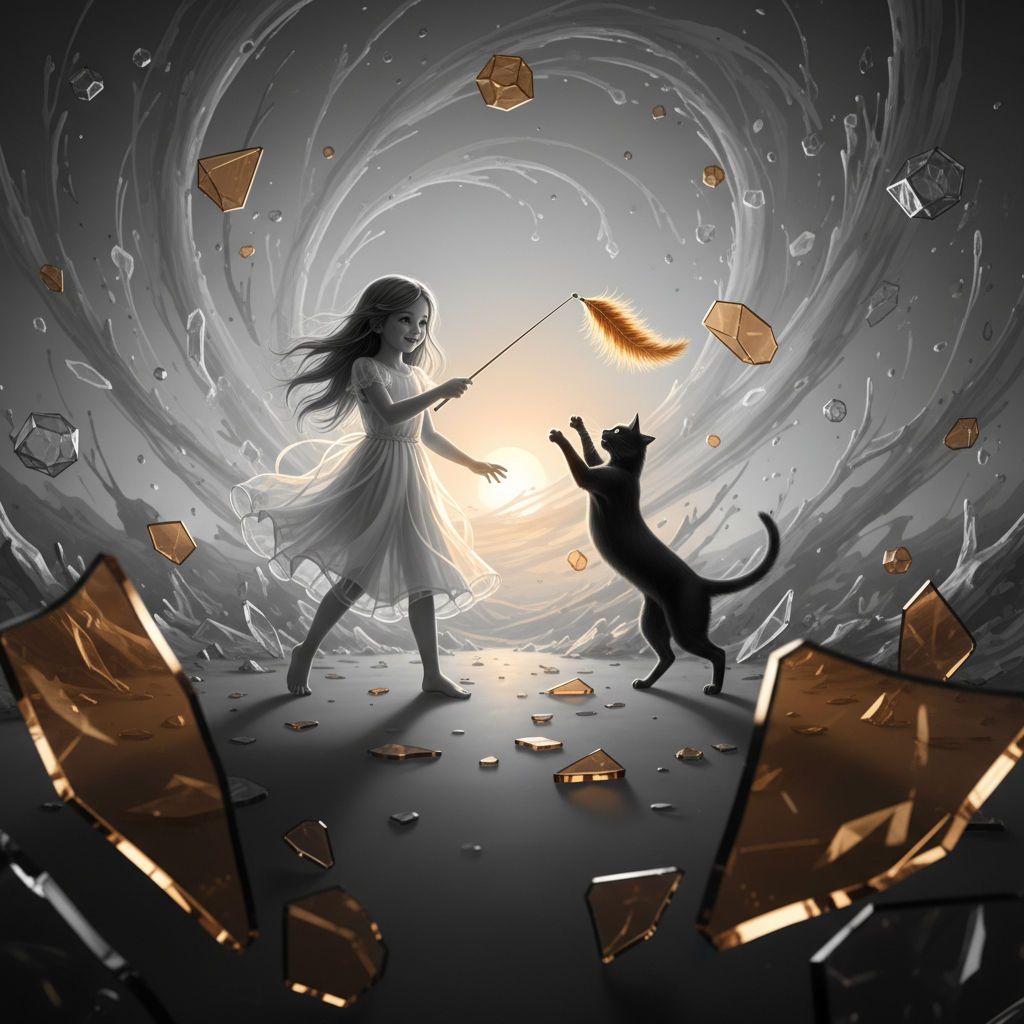
While solitary play is important, interactive play with their human is also crucial for a pet’s well-being. Playing games like fetch, tug-of-war, and hide-and-seek not only provides physical exercise but also strengthens the bond between you and your pet. It also provides opportunities for training and socialization.
The Power of Positive Reinforcement
When playing with your pet, always use positive reinforcement techniques. This means rewarding them with praise, treats, or affection when they engage in desired behaviors. Avoid using punishment or negative reinforcement, as this can create fear and anxiety, damaging your relationship with your pet. Positive reinforcement makes play a fun and rewarding experience for both of you.
Toy Safety: A Non-Negotiable
No matter how engaging a toy might seem, safety should always be your top priority. Inspect toys regularly for signs of wear and tear, and discard them immediately if they become damaged or broken. Avoid toys that contain small parts that can be easily swallowed, and always supervise your pet while they are playing.
Common Toy Hazards
Some common toy hazards include small squeakers, plastic eyes, and loose stitching. These parts can be easily detached and swallowed, potentially causing choking or intestinal blockages. Opt for toys that are made from durable, non-toxic materials and that are specifically designed for your pet’s size and breed.
Adapting Toys to Special Needs
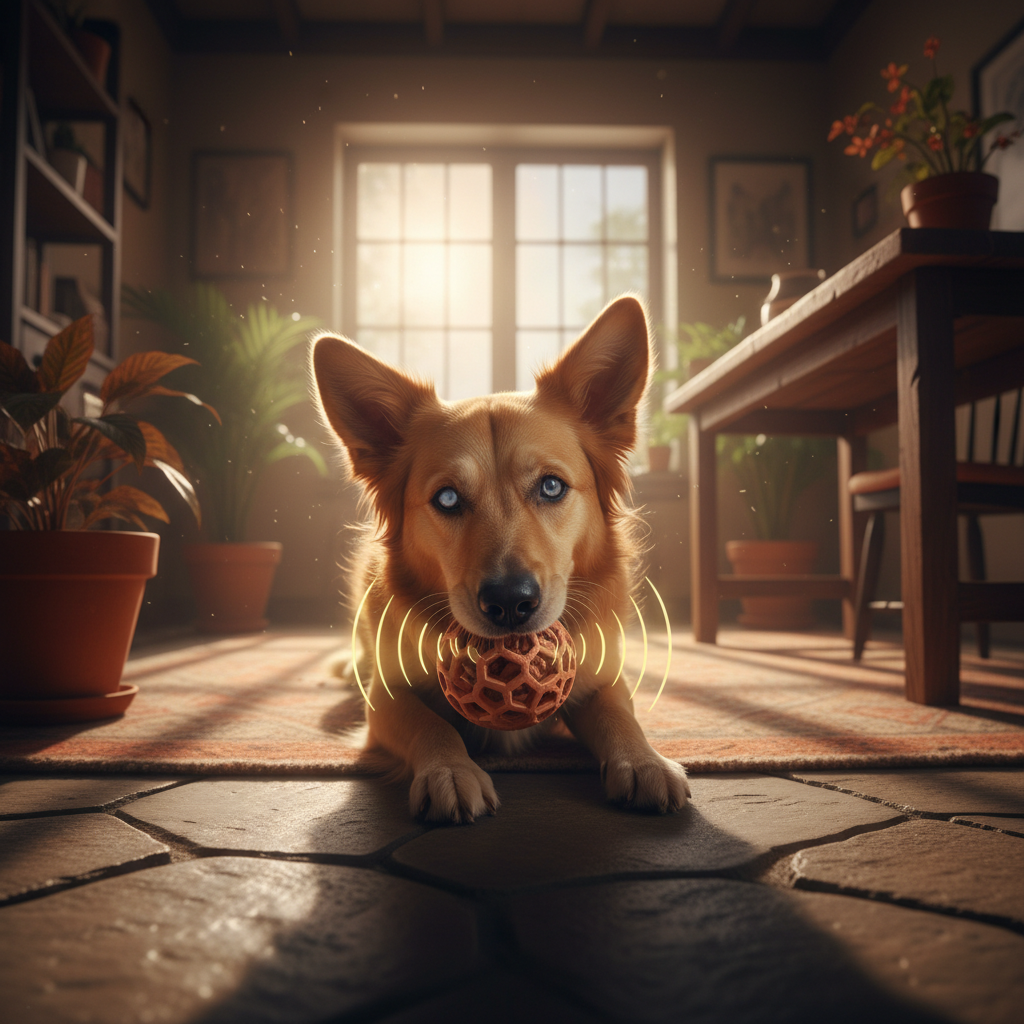
Pets with special needs, such as disabilities or chronic health conditions, may require modified toys or play strategies. For example, a blind dog might benefit from toys that make noise or have a strong scent, while a dog with arthritis might need softer, more accessible toys. Consult with your veterinarian or a certified pet professional for guidance on choosing appropriate toys for your pet’s individual needs.
The Importance of Customization
Don’t be afraid to get creative and customize toys to better suit your pet’s needs. You can add Velcro closures to make toys easier to grasp, or you can fill puzzle toys with softer, more palatable treats. The key is to find ways to make play accessible and enjoyable for your pet, regardless of their limitations.
Beyond the Store-Bought Toy
While pet stores offer a vast selection of toys, you don’t always have to spend a lot of money to provide enrichment for your pet. Simple household items like cardboard boxes, empty plastic bottles, and old socks can be transformed into fun and engaging toys with a little creativity. Just be sure to remove any potentially hazardous materials, such as staples or sharp edges.
DIY Toy Ideas
Some simple DIY toy ideas include stuffing an old sock with plastic bottles to create a crinkly chew toy, cutting holes in a cardboard box to create a puzzle feeder, or tying a rope to a tennis ball to create a tug-of-war toy. The possibilities are endless!
The Long-Term Benefits of Play
Providing your pet with appropriate toys and engaging in regular playtime is an investment in their long-term health and well-being. Play helps to reduce stress, prevent boredom, strengthen the bond between you and your pet, and improve their overall quality of life. By carefully selecting toys that cater to your pet’s individual needs and preferences, you can create a fun and fulfilling play experience that benefits both of you.

So, the next time you’re tempted to grab the flashiest toy off the shelf, take a moment to pause and consider your pet’s individual needs. Is this toy truly going to provide enrichment and enjoyment, or is it more likely to lead to frustration and disappointment? By understanding your pet’s play style, prioritizing safety, and rotating toys regularly, you can ensure that playtime is a positive and rewarding experience for both of you. Remember, the best toy isn’t always the most expensive or the most popular; it’s the one that best suits your pet’s unique personality and helps to strengthen the bond you share. Are you truly considering your pet’s needs when choosing their toys, or are you simply buying what looks appealing to you? The answer to that question can make all the difference in creating a happy, healthy, and well-adjusted companion.

Hi, my name is Robert Max, I live in the United States and I’m the creator of InTechNews. I started this blog with the goal of sharing reliable and practical information about pet care, helping pet owners provide a healthier and happier life for their animals. I’m passionate about animal well-being and believe that good information makes all the difference in responsible pet ownership.