
The Myth of the Novelty Toy
We’ve all been there. Standing in the pet store aisle, surrounded by a dazzling array of toys, each promising to be the next best thing for our beloved companions. Squeaky toys, plush toys, interactive toys, flashing toys – the options seem endless. The marketing whispers sweet nothings, suggesting that novelty is the key to a happy, well-adjusted pet. But is it really? Or are we, in our well-intentioned desire to provide the best for our furry friends, falling prey to a carefully crafted illusion?
The truth is, while a new toy can certainly provide a temporary burst of excitement, its long-term value often falls short. How many toys have you purchased that your pet initially adored, only to be discarded after a few days, relegated to the forgotten depths of the toy bin? This isn’t necessarily a reflection of your pet’s fickle nature, but rather a consequence of their innate need for something more profound than mere novelty: the satisfaction of a challenge.
Think about it from your pet’s perspective. In the wild, their days are filled with challenges. Hunting for food, navigating complex terrains, outsmarting rivals – these activities require mental and physical engagement, fostering a sense of purpose and accomplishment. Our domesticated pets, while safe and comfortable, often lack these essential elements. We provide them with food, shelter, and affection, but we sometimes forget to provide them with opportunities to truly think and problem-solve.
The Problem with Perpetual Novelty
The constant introduction of new, stimulating toys can actually be detrimental in the long run. It can lead to a cycle of dependency, where your pet becomes reliant on external sources of entertainment, rather than developing their own internal resources for self-amusement and problem-solving. It’s like constantly feeding a child candy; they may enjoy it in the moment, but it doesn’t contribute to their long-term health or well-being. Similarly, bombarding your pet with novelty toys can create a sense of entitlement and a decreased capacity for independent play.
Moreover, excessive novelty can contribute to anxiety and behavioral issues. A pet that is constantly seeking the next exciting thing may become easily bored and frustrated, leading to destructive behaviors like chewing, excessive barking, or even aggression. They might develop separation anxiety, as they associate your presence with the provision of constant entertainment. In essence, we can inadvertently create a situation where our pets are never truly content, always chasing the elusive promise of the next shiny object.

The Power of Purposeful Play
So, what’s the alternative? How can we provide our pets with the mental stimulation they crave without falling into the trap of perpetual novelty? The answer lies in embracing the power of purposeful play – activities that challenge their minds, engage their senses, and tap into their natural instincts.
Purposeful play is not about simply throwing a ball or waving a feather wand. It’s about creating opportunities for your pet to learn, adapt, and overcome obstacles. It’s about fostering a sense of accomplishment and self-efficacy, empowering them to feel confident and capable. And, perhaps most importantly, it’s about strengthening the bond between you and your pet, as you work together to solve problems and achieve shared goals.
Examples of Purposeful Play
There are countless ways to incorporate purposeful play into your pet’s routine. Here are just a few ideas to get you started:
* Puzzle Toys: These toys come in a variety of shapes and sizes, requiring your pet to manipulate levers, slides, or compartments to access hidden treats. They provide excellent mental stimulation, challenging your pet to think strategically and develop problem-solving skills. Start with simple puzzles and gradually increase the difficulty as your pet becomes more proficient.
* Snuffle Mats: These mats consist of strips of fabric where you can hide kibble or treats. Your pet will then use their nose to sniff and forage for the hidden treasures, engaging their natural hunting instincts. Snuffle mats are particularly beneficial for dogs with high energy levels or those prone to anxiety, as the act of sniffing is naturally calming.
* Training Games: Training is not just about teaching your pet commands; it’s also a fantastic way to stimulate their minds and strengthen your relationship. Use positive reinforcement techniques to teach your pet new tricks, such as “shake,” “roll over,” or “play dead.” You can also incorporate agility exercises, such as weaving through cones or jumping over obstacles.
* Hide-and-Seek: This classic game is a great way to engage your pet’s senses of smell and hearing. Hide treats or toys around the house and encourage your pet to find them. You can also hide yourself and call your pet to come find you, rewarding them with praise and affection when they succeed.
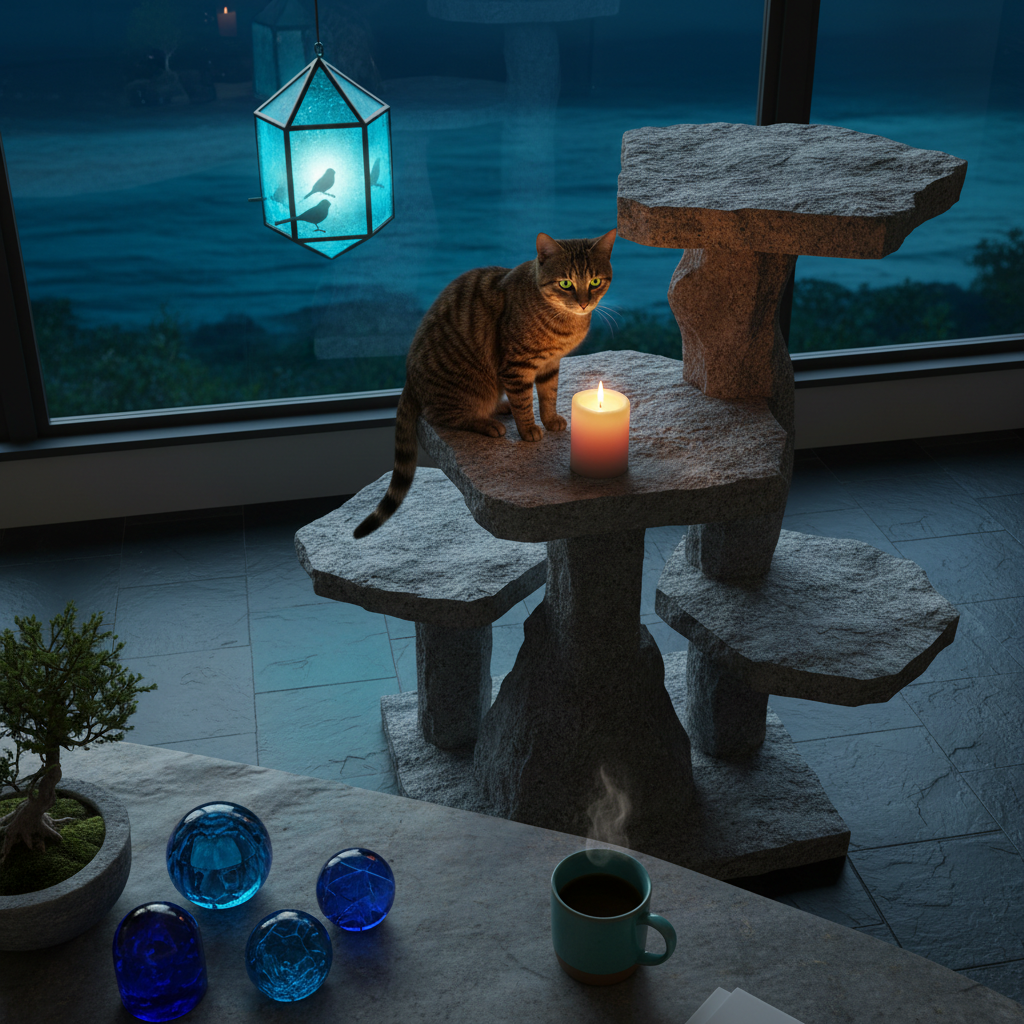
* Environmental Enrichment: This involves modifying your pet’s environment to make it more stimulating and engaging. For cats, this might include providing climbing structures, scratching posts, and window perches. For dogs, it might involve creating a digging pit in the backyard or providing a variety of chew toys with different textures and flavors.
Remember, the key is to tailor the activities to your pet’s individual needs and preferences. Pay attention to what they enjoy and what challenges them, and adjust your approach accordingly. Don’t be afraid to experiment with different types of play to find what works best for both of you.

The Importance of Gradual Progression
When introducing new challenges to your pet, it’s crucial to do so gradually. Start with simple tasks and gradually increase the difficulty as your pet becomes more confident and proficient. Avoid overwhelming them with complex puzzles or overly demanding training exercises, as this can lead to frustration and discouragement.
Think of it like learning a new language. You wouldn’t expect to become fluent overnight; you would start with the basics and gradually build your vocabulary and grammar skills over time. The same principle applies to purposeful play. Start with simple puzzles that your pet can easily solve, and gradually introduce more complex challenges as they progress. This will ensure that they remain engaged and motivated, fostering a positive learning experience.
The Value of Observation
One of the most important aspects of purposeful play is observation. Pay close attention to your pet’s body language and behavior as they engage in different activities. Are they showing signs of frustration, such as whining, pawing, or giving up easily? Or are they engaged and focused, eagerly working to solve the problem at hand? Their reactions will provide valuable insights into their preferences and abilities, allowing you to adjust your approach accordingly.
For example, if you notice that your pet is consistently struggling with a particular puzzle toy, it might be too difficult for them. Try switching to a simpler puzzle or breaking the task down into smaller, more manageable steps. Conversely, if your pet is breezing through a puzzle with ease, it might be time to introduce a more challenging option.
By observing your pet’s responses, you can create a personalized play experience that is both stimulating and rewarding, fostering a deeper connection and strengthening your bond.
Beyond Toys: Integrating Challenge into Daily Life
Purposeful play doesn’t have to be confined to designated playtime sessions. You can also integrate challenges into your pet’s daily life in a variety of ways. This might involve making them work for their food, creating opportunities for exploration, or simply encouraging them to think and problem-solve in everyday situations.
Making Mealtime a Game
Instead of simply placing your pet’s food in a bowl, consider using a food puzzle or a slow feeder bowl. These devices require your pet to work for their food, slowing down their eating and preventing them from gulping it down too quickly. This can be particularly beneficial for dogs who are prone to bloat or other digestive issues. You can also hide portions of their food around the house, encouraging them to use their nose to sniff and forage for their meals.
Creating Opportunities for Exploration
Take your pet on walks in new and interesting environments, allowing them to explore different smells, sights, and sounds. This will engage their senses and provide them with valuable mental stimulation. You can also create a stimulating environment in your own backyard by adding features like climbing structures, digging pits, or water features (if appropriate for your pet).
Encouraging Problem-Solving
Encourage your pet to problem-solve in everyday situations. For example, if they want to get your attention, encourage them to perform a specific behavior, such as sitting politely or offering a paw. You can also create simple obstacles for them to overcome, such as placing a blanket over their favorite toy and encouraging them to retrieve it. The goal is to challenge their minds and empower them to feel confident in their ability to solve problems.
The Long-Term Benefits of Challenge
The benefits of providing your pet with purposeful play and consistent challenges extend far beyond mere entertainment. By stimulating their minds, engaging their senses, and tapping into their natural instincts, you can significantly improve their overall well-being, both physically and mentally.
Reduced Boredom and Anxiety
Pets who are mentally stimulated are less likely to become bored and anxious. Purposeful play provides them with an outlet for their energy and a sense of purpose, reducing the likelihood of destructive behaviors and promoting a sense of calm and contentment. This is particularly beneficial for pets who are left alone for extended periods of time, as it helps them to cope with separation anxiety.
Improved Cognitive Function
Just like humans, pets benefit from regular mental exercise. Purposeful play can help to improve their cognitive function, enhancing their memory, attention span, and problem-solving abilities. This can be particularly important for senior pets, as it can help to slow down the cognitive decline associated with aging.
Stronger Bond with Owner
Engaging in purposeful play with your pet strengthens the bond between you, fostering a deeper connection and mutual understanding. When you work together to solve problems and achieve shared goals, you create a sense of teamwork and camaraderie. This not only enhances your relationship with your pet but also makes them feel more secure and loved.

The Bottom Line: Challenge, Not Just Novelty
In conclusion, while the allure of novelty toys can be tempting, the true key to a happy and well-adjusted pet lies in providing them with consistent challenges. Purposeful play, integrated into their daily lives, stimulates their minds, engages their senses, and taps into their natural instincts, fostering a sense of purpose, accomplishment, and overall well-being. So, the next time you’re tempted to buy the latest and greatest toy, ask yourself: “Will this truly challenge my pet, or will it simply provide a fleeting moment of amusement?” Choose challenge over novelty, and you’ll be rewarded with a happier, healthier, and more fulfilled companion.
Embrace the power of purposeful play, and watch your pet thrive.

Hi, my name is Robert Max, I live in the United States and I’m the creator of InTechNews. I started this blog with the goal of sharing reliable and practical information about pet care, helping pet owners provide a healthier and happier life for their animals. I’m passionate about animal well-being and believe that good information makes all the difference in responsible pet ownership.