
The Dark Side of Play: When Toys Trigger Agitation in Pets
We love our pets, and showering them with toys seems like a natural expression of that love. From squeaky plushies to intricate puzzle feeders, the pet toy market is booming, promising endless hours of entertainment and enrichment for our furry, scaled, or feathered companions. But what if those well-intentioned purchases are actually contributing to anxiety, frustration, or even aggression in our beloved animals? It’s a sobering thought, and one that every pet owner should consider.
The truth is, not all toys are created equal, and a toy that delights one pet might be a source of intense stress for another. Understanding the nuances of animal behavior, individual personalities, and the potential pitfalls of certain toy designs is crucial to ensuring that playtime remains a positive and enriching experience. Are we truly understanding their needs, or are we projecting our own ideas of fun onto them?
The Mismatch: Understanding Species-Specific Needs
One of the most common mistakes pet owners make is failing to consider the specific needs and natural instincts of their species. What works for a dog might be utterly inappropriate for a cat, a bird, or a rabbit. For example, many dog toys are designed to withstand vigorous chewing and chasing, activities that cater to their predatory instincts. Cats, on the other hand, are often more drawn to toys that mimic the size and movement of prey, allowing them to stalk, pounce, and capture in a simulated hunt.
Consider the popularity of laser pointers for cats. While many cats will enthusiastically chase the elusive red dot, the inability to ever actually “catch” their prey can lead to frustration and even obsessive behavior. The cat is essentially trapped in an endless cycle of anticipation and disappointment. Similarly, giving a rabbit a hard, plastic toy designed for a dog is unlikely to stimulate their natural behaviors of digging, chewing, and foraging.
Even within the same species, individual preferences can vary greatly. Some dogs are obsessed with fetch, while others prefer to solve puzzles or engage in tug-of-war. Some cats are fearless hunters, while others are more timid and prefer quiet, solitary play. The key is to observe your pet’s behavior, pay attention to their reactions to different types of toys, and tailor your selection accordingly.
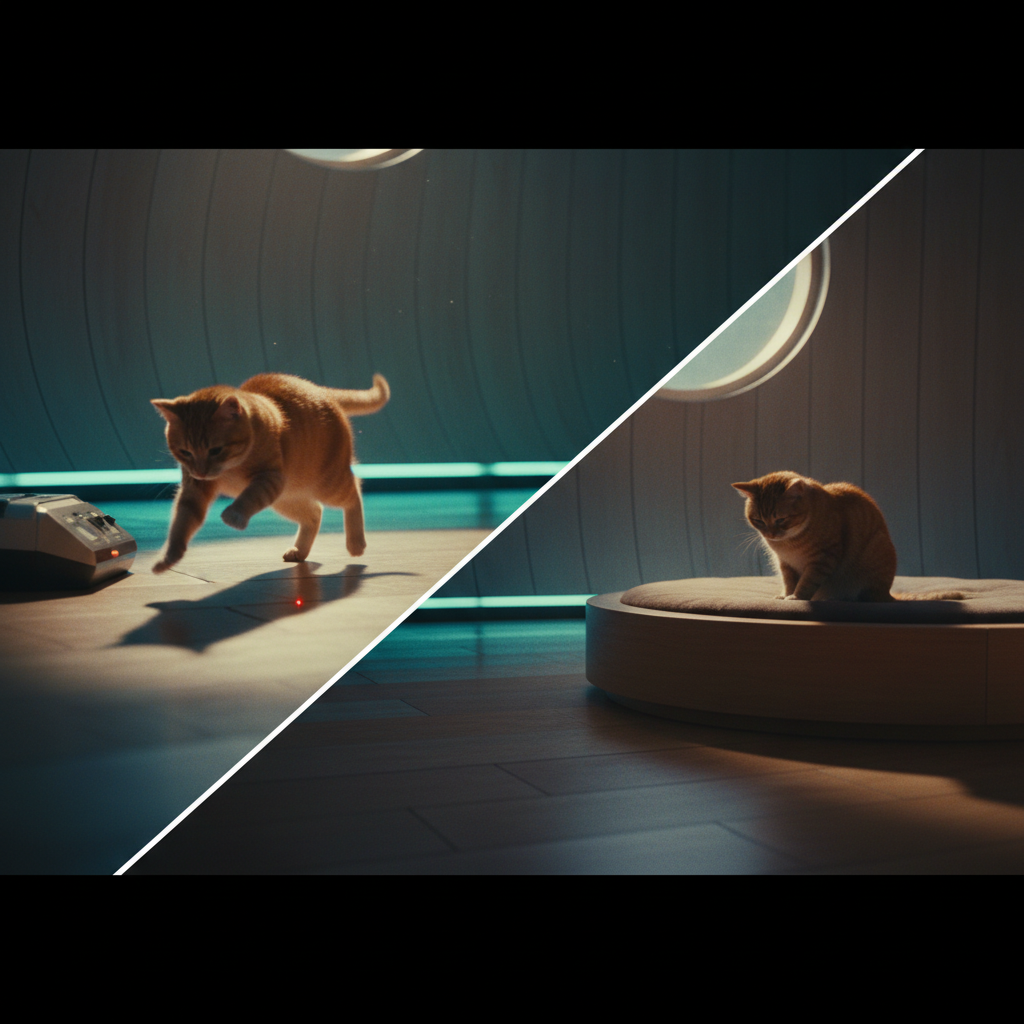
The Frustration Factor: When Toys Become Sources of Anxiety
Beyond species-specific needs, certain toy designs can inadvertently trigger anxiety and frustration in pets. This is often the case with toys that are too difficult, too stimulating, or too unpredictable.
Puzzle toys, for example, are a great way to provide mental enrichment and challenge for pets. However, if the puzzle is too complex or the reward is too difficult to obtain, the pet may become frustrated and give up, leading to feelings of inadequacy and anxiety. It’s crucial to start with simple puzzles and gradually increase the difficulty as the pet gains confidence and skill. The goal is to provide a stimulating challenge, not to create an insurmountable obstacle.
Similarly, toys that produce loud or high-pitched noises can be a source of stress for some pets. Many dogs are sensitive to high-frequency sounds that are barely audible to humans, and a squeaky toy that seems harmless to us can be intensely irritating to them. This is especially true for dogs with anxiety or noise phobias. Observe your pet’s reaction to different sounds and avoid toys that seem to cause them distress.
Another common source of frustration is toys that are easily destroyed. While some pets enjoy the act of shredding and tearing, others may become anxious or possessive if their toys are constantly being damaged. This is particularly true for dogs with resource guarding tendencies. Choose toys that are durable and appropriate for your pet’s chewing habits, and supervise playtime to prevent them from ingesting any potentially harmful materials.
The Aggression Connection: How Toys Can Fuel Unwanted Behaviors
In some cases, toys can even contribute to aggressive behaviors in pets. This is often the result of resource guarding, territoriality, or frustration-induced aggression.
Resource guarding is a common behavior in dogs, where they become possessive of food, toys, or other valuable items. While mild resource guarding is normal, it can escalate into aggression if the dog feels threatened or challenged. Certain toys, such as high-value treats or favorite chew toys, are more likely to trigger resource guarding behaviors. If your dog exhibits signs of resource guarding, it’s important to consult with a professional trainer or behaviorist to address the underlying issues and develop a management plan.
Territoriality can also be triggered by toys, especially in multi-pet households. A dog or cat may become territorial over a particular toy and defend it aggressively against other animals. This can lead to fights and injuries, as well as increased stress and anxiety for all involved. It’s important to provide each pet with their own set of toys and to supervise playtime to prevent conflicts from arising.
Frustration-induced aggression can occur when a pet is unable to achieve a desired outcome, such as catching a toy or solving a puzzle. This can lead to frustration and anger, which may be directed towards the toy, other animals, or even humans. It’s important to choose toys that are appropriately challenging for your pet’s skill level and to provide plenty of positive reinforcement and encouragement. If your pet becomes frustrated during playtime, redirect their attention to a different activity or take a break.

The Solution: Creating a Positive Playtime Experience
So, how can we ensure that playtime remains a positive and enriching experience for our pets? The key is to be mindful of their individual needs and preferences, to choose toys that are appropriate for their species and personality, and to supervise playtime to prevent any potential problems from arising.
Start by observing your pet’s behavior and paying attention to their reactions to different types of toys. Do they seem excited and engaged, or do they become anxious or frustrated? Do they prefer to play alone or with you? Do they enjoy chasing, chewing, or solving puzzles? The answers to these questions will help you to choose toys that are best suited to their individual needs.
When introducing a new toy, do so gradually and in a positive environment. Let your pet explore the toy at their own pace and provide plenty of praise and encouragement. If they seem hesitant or unsure, don’t force them to play with it. Instead, try again later, or try a different toy altogether. The goal is to create a positive association with the toy, not to overwhelm or intimidate them.
Supervise playtime, especially with new toys or in multi-pet households. This will allow you to monitor your pet’s behavior and intervene if any problems arise. Watch for signs of anxiety, frustration, or aggression, and be prepared to redirect their attention or remove the toy if necessary. Remember, playtime should be a fun and enjoyable experience for everyone involved.
Beyond the Toy Box: Alternative Forms of Enrichment
While toys are an important part of pet enrichment, they are not the only option. There are many other ways to provide mental and physical stimulation for your pet, such as:
- Training: Teaching your pet new tricks and commands is a great way to challenge their mind and strengthen your bond.
- Exercise: Regular exercise is essential for both physical and mental health. Take your dog for walks, play fetch in the park, or let your cat explore the outdoors in a safe and controlled environment.
- Socialization: Expose your pet to new people, animals, and environments to help them develop into well-adjusted and confident individuals.
- Environmental enrichment: Modify your pet’s environment to provide them with opportunities to explore, climb, scratch, or dig. This can include adding scratching posts for cats, providing digging boxes for rabbits, or creating climbing structures for birds.
- Foraging opportunities: Hide food or treats around the house to encourage your pet to use their natural foraging instincts. This can be done with puzzle toys, snuffle mats, or simply by scattering food in different locations.
By providing a variety of enrichment opportunities, you can help to keep your pet mentally and physically stimulated, prevent boredom and anxiety, and improve their overall quality of life. Are we truly investing in their well-being, or simply buying things that make *us* feel good?

The Importance of Rotation and Observation
Even the most beloved toys can lose their appeal over time. To keep your pet engaged and interested, it’s important to rotate their toys regularly. This can be as simple as swapping out a few toys each week or creating a “toy box” that you only bring out occasionally. By keeping things fresh and exciting, you can prevent boredom and maintain your pet’s interest in playtime.
Furthermore, continuous observation is paramount. What might be a perfectly suitable toy today could become a source of anxiety or frustration tomorrow, depending on your pet’s evolving needs and experiences. Perhaps they’ve developed a fear of squeaky toys after a particularly loud incident, or maybe they’ve simply outgrown their old favorites. Being attuned to these changes will allow you to adjust your toy selection accordingly and ensure that playtime remains a positive and enriching experience.
Case Study: The Anxious Terrier and the Unyielding Ball
Consider the case of a small terrier named Buster. Buster’s owner, eager to provide enrichment, purchased a hard, rubber ball designed for larger breeds. Initially, Buster showed some interest, batting the ball around with his paws. However, he quickly became fixated on it, attempting to pick it up and carry it around. The ball, being too large for his mouth, proved impossible to grasp properly. Over time, Buster’s attempts became increasingly frantic, accompanied by whining and frustrated barking. His owner, initially amused, began to notice signs of increased anxiety and agitation. Buster would obsessively nudge the ball, seemingly unable to let it go, and would become visibly distressed when separated from it.
The problem, in this case, wasn’t the intention behind the toy, but rather the mismatch between the toy’s design and Buster’s physical capabilities. The unyielding ball became a source of constant frustration, fueling his anxiety and contributing to obsessive behavior. By switching to a smaller, softer ball that he could easily pick up and carry, Buster’s owner was able to alleviate his anxiety and restore a sense of playfulness to their interactions. This highlights the importance of considering not only the type of toy, but also its size, weight, and texture, in relation to your pet’s individual characteristics.
It’s a powerful reminder that our pets’ emotional well-being is intricately linked to their physical interactions with the world around them, and that even seemingly innocuous objects can have a profound impact on their mental state.

The Ultimate Responsibility: A Thoughtful Approach to Play
In conclusion, while the intention behind providing our pets with toys is undoubtedly positive, it’s crucial to approach playtime with mindfulness and awareness. By understanding the specific needs of your species, considering individual personalities, and being attuned to potential pitfalls, you can ensure that toys serve as a source of enrichment and joy, rather than agitation and frustration. It’s about moving beyond the simple act of purchasing a toy and embracing a more thoughtful and intentional approach to play, one that prioritizes the emotional and psychological well-being of our beloved companions.
Ultimately, the responsibility lies with us to be discerning consumers and attentive caregivers, constantly evaluating the impact of our choices on our pets’ lives. Are we truly understanding their needs, or are we simply projecting our own desires onto them? The answer to that question will determine whether playtime becomes a source of joy or a trigger for distress.

Hi, my name is Robert Max, I live in the United States and I’m the creator of InTechNews. I started this blog with the goal of sharing reliable and practical information about pet care, helping pet owners provide a healthier and happier life for their animals. I’m passionate about animal well-being and believe that good information makes all the difference in responsible pet ownership.