
The Allure of the Premium Pet Toy Aisle
We’ve all been there, haven’t we? Standing in the pet store aisle, bombarded by a kaleidoscope of colors, shapes, and promises. “Indestructible!” screams one label. “Veterinarian Approved!” boasts another. The price tags? Let’s just say they often rival what you’d spend on a toy for yourself. It’s tempting, isn’t it, to reach for the most expensive, most technologically advanced, most… everything? After all, our furry companions deserve the best. Or do they?
The pet toy industry has exploded in recent years. What was once a simple collection of squeaky plushies and rubber balls has transformed into a multi-billion dollar market filled with gadgets, gizmos, and promises of enrichment. We’re told these toys will stimulate our pets’ minds, alleviate boredom, and even improve their dental health. And while some of these claims hold merit, it’s crucial to step back and ask a fundamental question: Are expensive toys always the best choice for our beloved animals?
Before we dive deeper, let’s acknowledge the elephant in the room: The guilt. Many pet owners feel a pang of guilt when they opt for a less expensive toy. We worry that we’re not providing enough, that we’re somehow depriving our pets of the “luxury” they deserve. But is luxury really what our pets need? Or are we projecting our own desires and anxieties onto them?
Beyond the Price Tag: What Really Matters
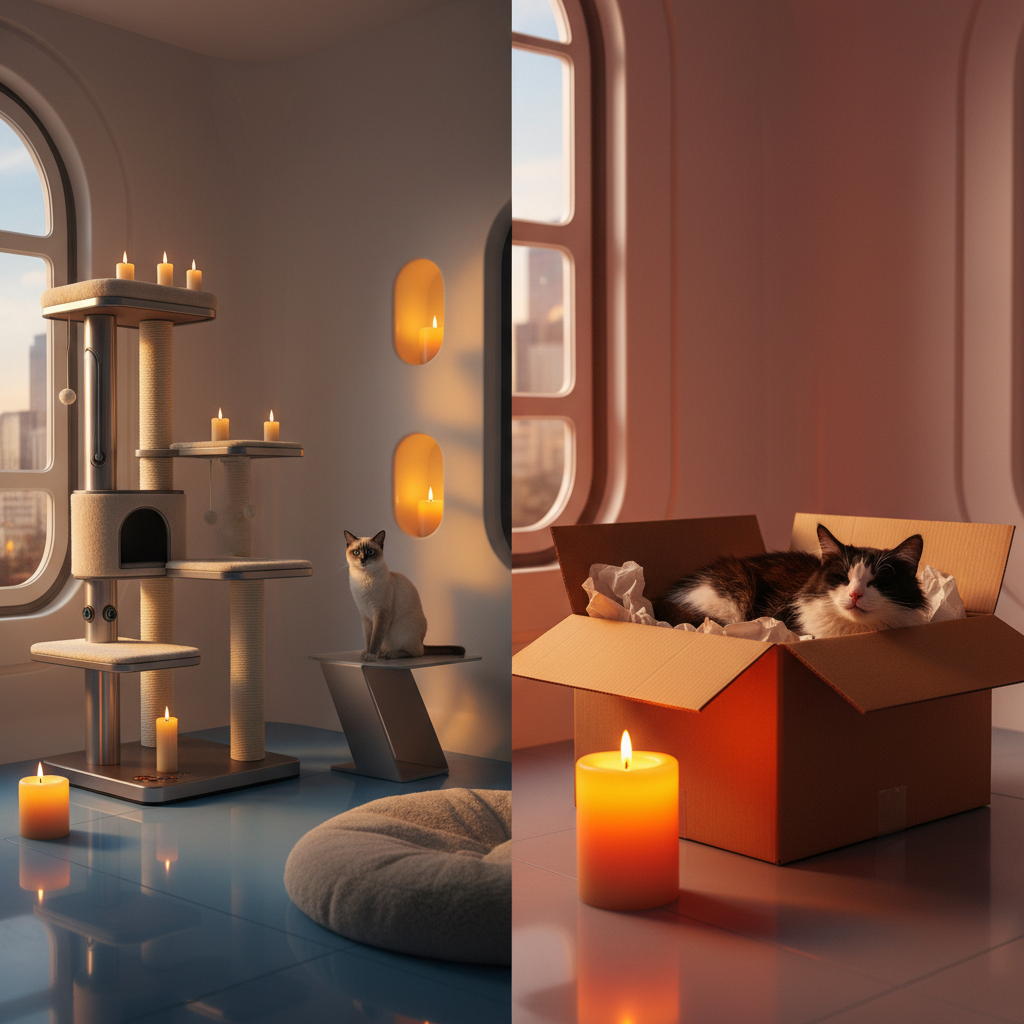
The truth is, a happy and well-adjusted pet needs more than just expensive toys. They need love, attention, exercise, and a stimulating environment. A simple cardboard box can provide hours of entertainment for a cat, while a well-worn tennis ball can be a dog’s most prized possession. It’s not about the cost of the toy; it’s about the connection you build with your pet while playing with it.
Consider this: A study found that dogs who participate in regular playtime with their owners exhibit lower levels of stress and anxiety. The type of toy used in the study was irrelevant. What mattered was the interaction, the shared experience, the bond that was strengthened during those moments of play. So, while that $50 puzzle toy might look impressive, it won’t replace the value of a simple game of fetch in the park.
Another crucial factor to consider is safety. Expensive doesn’t always equal safe. In fact, some of the most elaborately designed and marketed toys can pose significant risks to our pets. Small parts can be swallowed, causing choking or intestinal blockages. Certain materials can be toxic if ingested. Durability is also key; a seemingly indestructible toy can quickly fall apart under the relentless chewing of a determined dog, leaving sharp edges and potentially harmful pieces behind.
The Pitfalls of Over-Engineered Pet Toys
The pet toy industry is constantly innovating, creating toys that are more interactive, more technologically advanced, and, of course, more expensive. But sometimes, these innovations can actually be detrimental to our pets’ well-being.
Take, for example, the rise of automatic laser pointers for cats. While these toys can provide hours of entertainment, they can also lead to frustration and anxiety. Cats are natural hunters, and the inability to “catch” the elusive laser dot can trigger a sense of incompleteness and dissatisfaction. Similarly, overly complex puzzle toys can be frustrating for some pets, leading to stress and even behavioral problems. It’s important to consider your pet’s individual personality and preferences when choosing toys. What works for one pet might not work for another.
Furthermore, the constant influx of new and exciting toys can actually desensitize our pets to play. When they’re constantly bombarded with novelty, they may lose interest in their existing toys and become perpetually bored. This can lead to a cycle of buying more and more toys, hoping to recapture their pet’s attention, but ultimately failing to address the underlying issue: a lack of genuine engagement and connection.
Simplicity and Sustainability: A Better Approach
Perhaps the best approach to pet toy selection is to embrace simplicity and sustainability. Instead of focusing on the latest and greatest gadgets, consider the basic needs and instincts of your pet. What do they enjoy? Do they like to chase, chew, or cuddle? Choose toys that cater to these natural behaviors and that are made from safe, durable materials.
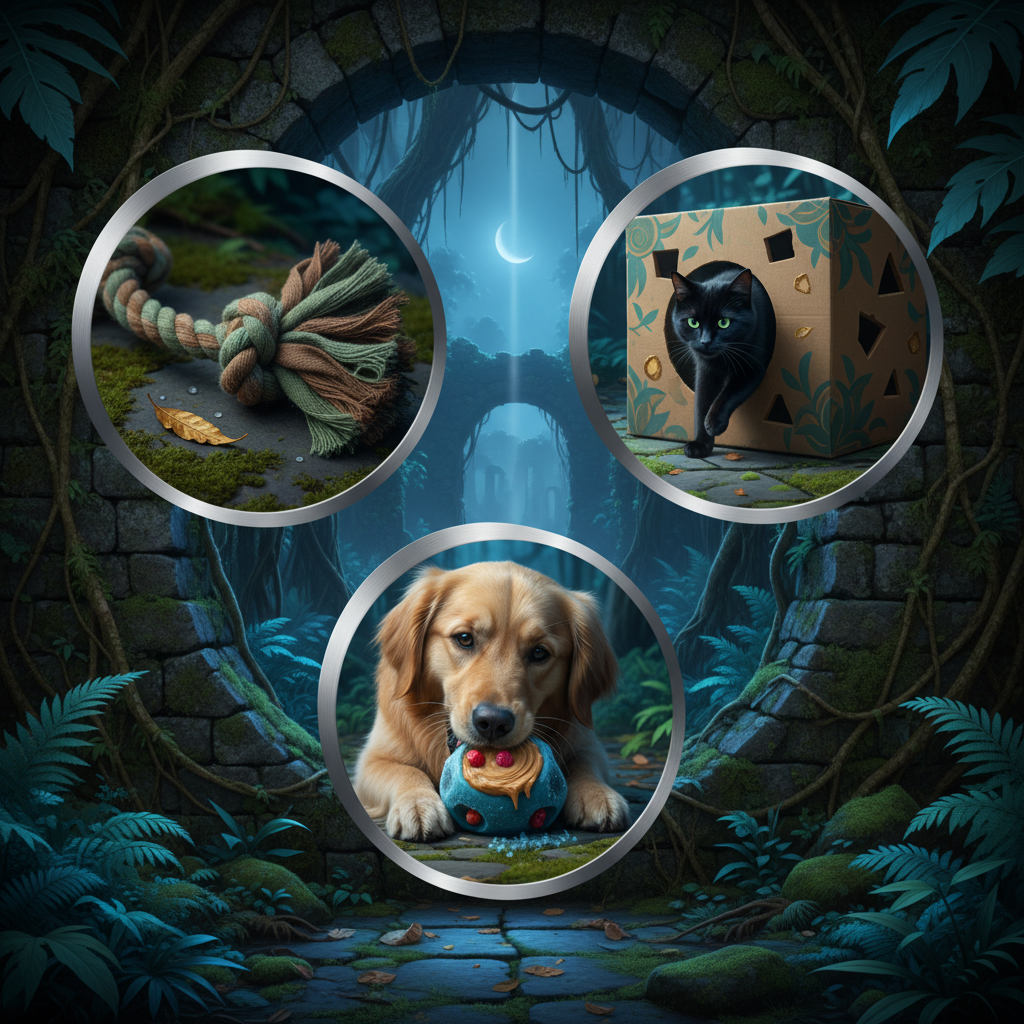
DIY toys can be a fantastic option. A simple rope toy, made from recycled fabric scraps, can provide hours of chewing and tugging fun for a dog. A cardboard box, transformed into a cozy den, can be a cat’s favorite retreat. Not only are these toys inexpensive and eco-friendly, but they also allow you to customize them to your pet’s specific preferences.
Consider the joy a dog derives from a simple game of fetch with a stick. It’s not the stick itself that’s so appealing; it’s the act of chasing, retrieving, and interacting with their owner. The same principle applies to cats. A crumpled piece of paper, tossed across the floor, can provide just as much entertainment as a high-tech electronic mouse.
The Importance of Observation and Adaptation
Choosing the right toys for your pet is an ongoing process of observation and adaptation. Pay attention to how your pet interacts with different toys. Do they seem engaged and happy? Or do they quickly lose interest? Are they able to play safely with the toy, or does it pose a potential hazard?
Be prepared to rotate your pet’s toys regularly. This will help to keep them interested and prevent them from becoming bored. You can also try introducing new toys gradually, one at a time, to avoid overwhelming them. And don’t be afraid to discard toys that are damaged or no longer appealing to your pet.
Remember, the goal is to provide your pet with enriching and stimulating experiences, not to accumulate a collection of expensive toys. A few well-chosen toys, combined with plenty of love, attention, and playtime, will do far more for your pet’s well-being than a mountain of pricey gadgets.
The Social Aspect of Play
Let’s not forget the incredibly important social aspect of play. Toys are often a means to an end, facilitating interaction and strengthening the bond between pet and owner. A game of tug-of-war isn’t just about the rope; it’s about the communication, the trust, and the shared joy between dog and human. A laser pointer session, while potentially problematic if used exclusively, can be a fun way for a cat to engage with their owner, as long as it’s followed by a “catchable” reward.
Think about the games you played as a child. Were they always centered around expensive toys? Probably not. You likely used your imagination, transforming ordinary objects into fantastical creations. A stick became a sword, a blanket became a fort, and the backyard became a vast and unexplored wilderness. We can apply the same principle to our interactions with our pets. By engaging our imaginations and focusing on the connection, we can create enriching and meaningful play experiences, regardless of the cost of the toys involved.
Consider the benefits of interactive play. Instead of simply handing your dog a chew toy and walking away, try engaging with them while they chew. Talk to them, pet them, and offer encouragement. This will not only make the experience more enjoyable for your dog but will also strengthen your bond and reinforce positive behaviors.

Beyond Toys: Enrichment Through Environment
While toys are an important part of a pet’s enrichment, they’re not the only factor to consider. A stimulating environment can be just as important, if not more so. Think about ways to make your pet’s living space more interesting and engaging.
For cats, this might involve providing climbing opportunities, scratching posts, and plenty of hiding places. A window perch can provide hours of entertainment, allowing them to observe the outside world. For dogs, regular walks, trips to the park, and opportunities to socialize with other dogs are essential. Even simple changes, such as rotating their bedding or adding a new plant to the room, can make a big difference.
Food puzzles are another great way to provide enrichment. These toys require your pet to work for their food, stimulating their minds and preventing boredom. You can buy commercially available food puzzles, or you can create your own using simple household items. A muffin tin, filled with kibble and covered with tennis balls, can provide hours of entertainment for a dog.
The Ethical Considerations of the Pet Toy Industry
Finally, it’s important to consider the ethical implications of the pet toy industry. Many mass-produced toys are made in factories with questionable labor practices. They may also be made from materials that are harmful to the environment. By choosing to support ethical and sustainable brands, we can help to create a more responsible and compassionate pet industry.
Look for toys that are made from recycled materials, organic cotton, or other eco-friendly resources. Support companies that are committed to fair labor practices and that give back to animal welfare organizations. By making conscious choices about the toys we buy, we can make a positive impact on the world.
Do we truly need a battery-operated, self-propelled, laser-shooting toy for our pets to be happy? Or could we achieve the same level of enrichment with a simple, thoughtfully chosen toy, a dose of creativity, and a whole lot of love? The answer, more often than not, is the latter. Our pets aren’t judging us by the price tags of their toys; they’re judging us by the quality of our interactions and the depth of our connection. And that, my friends, is priceless.

So, the next time you find yourself standing in that tempting pet toy aisle, take a deep breath and ask yourself: What does my pet really need? Is it the latest and greatest gadget, or is it simply my time, my attention, and my unwavering love? The answer, as any true pet lover knows, is crystal clear. It’s not about the price tag; it’s about the bond. And that’s the greatest gift we can give our furry companions.

Hi, my name is Robert Max, I live in the United States and I’m the creator of InTechNews. I started this blog with the goal of sharing reliable and practical information about pet care, helping pet owners provide a healthier and happier life for their animals. I’m passionate about animal well-being and believe that good information makes all the difference in responsible pet ownership.