
The Illusion of “Just Toys”
We often dismiss the objects we give our pets as mere “toys.” A squeaky bone, a feathered wand, a crinkly tunnel – these are just things we buy to keep them busy, right? Things to distract them from the boredom of indoor life, or perhaps tools to burn off excess energy. But what if we’re fundamentally misunderstanding their significance? What if, in our human-centric view, we’re overlooking the profound role these objects play in our pets’ lives, their emotional well-being, and their very understanding of the world?
The truth is, a toy is rarely “just a toy” to an animal. It’s a conduit to their instincts, a facilitator of play, a source of comfort, and a powerful tool for communication. By relegating toys to the realm of frivolous distractions, we risk missing opportunities to enrich our pets’ lives, deepen our bond with them, and even address underlying behavioral issues.
Think about it: How often do we truly consider the purpose of a toy beyond its immediate entertainment value? Do we reflect on the textures, the sounds, the smells, and the challenges it presents to our pets? Do we understand how a seemingly simple object can tap into their innate drives to hunt, forage, nurture, and explore?
Beyond the Squeak: Understanding the Deeper Meaning
The key lies in recognizing that play is not just frivolous fun for animals; it’s a crucial form of learning and development. Through play, they refine their motor skills, develop social bonds, practice problem-solving, and learn to navigate their environment. Toys, therefore, become essential tools for facilitating these vital activities.
Consider the common cat toy: the feathered wand. To us, it’s just a stick with feathers attached. But to a cat, it’s a simulacrum of prey. The erratic movements mimic the darting of a bird or the scurrying of a mouse, triggering their hunting instincts. The act of stalking, chasing, and “catching” the toy provides both physical and mental stimulation, satisfying a deeply ingrained drive. Depriving a cat of such opportunities can lead to frustration, boredom, and even behavioral problems like aggression or destructive scratching.
Similarly, a dog’s chew toy isn’t just something to gnaw on. Chewing is a natural behavior for dogs, providing both mental and physical benefits. It helps to relieve anxiety, clean their teeth, and strengthen their jaws. A durable chew toy provides a safe and appropriate outlet for this behavior, preventing them from turning to more destructive alternatives like furniture or shoes. The act of persistently working on a chew toy can also be a form of problem-solving, as they strategize how to get the most satisfying gnawing experience.

The Pitfalls of Neglect: When “Just Toys” Become a Problem
The mistake of treating toys as meaningless distractions manifests in several detrimental ways. One of the most common is simply providing too few toys, or toys that are inappropriate for the animal’s species, breed, or individual personality. A single, neglected tennis ball in the corner of a room is hardly stimulating for a high-energy dog that thrives on mental challenges. Likewise, a cat with limited climbing opportunities and no interactive toys is likely to become bored and restless.
Another common pitfall is neglecting the importance of toy rotation. Just as we humans tire of playing the same game repeatedly, pets can become desensitized to their toys if they are constantly available. By rotating toys regularly, introducing new ones periodically, and even “reintroducing” old favorites, we can maintain their novelty and keep our pets engaged.
Furthermore, the failure to understand the purpose of a toy can lead to the selection of inappropriate or even dangerous items. Toys that are easily chewed apart can pose a choking hazard, while toys with small, detachable parts can be ingested and cause internal blockages. Choosing toys made from non-toxic materials is also crucial, as many pets will inevitably chew on them.
Case Study: The Destructive Labrador
Consider the case of a young Labrador named Max, whose owners were constantly frustrated by his destructive behavior. Despite being provided with a seemingly adequate supply of toys, Max would consistently chew on furniture, shoes, and even electrical cords. After consulting with a veterinary behaviorist, it became clear that Max’s needs were not being met. While he had plenty of plush toys and chew toys, he lacked opportunities for interactive play and mental stimulation. The behaviorist recommended introducing puzzle toys, training sessions incorporating positive reinforcement, and regular fetch games in a secure outdoor area. Within a few weeks, Max’s destructive behavior significantly decreased, and he became a much happier and more well-adjusted dog. This case highlights the importance of understanding the underlying needs that toys are meant to address, rather than simply providing a random assortment of objects.
Re-evaluating Our Approach: Toys as Tools for Enrichment
The solution, of course, lies in re-evaluating our approach to pet toys. We need to move beyond the idea of them as mere distractions and embrace their potential as tools for enrichment, learning, and bonding.
This starts with careful consideration of the specific needs and preferences of our pets. What are their natural instincts? What activities do they enjoy most? What challenges do they thrive on? By understanding these factors, we can select toys that are tailored to their individual personalities and provide them with the appropriate level of stimulation.
It also means actively engaging with our pets during playtime. Instead of simply tossing a toy and walking away, we can participate in interactive games that foster connection and strengthen our bond. Playing fetch, tug-of-war, or hide-and-seek can be incredibly rewarding for both us and our pets. Remember, the value of a toy is often enhanced by the presence and participation of their human companion.
Furthermore, we should be mindful of the materials and construction of the toys we choose. Opting for durable, non-toxic options ensures the safety and longevity of the toys, while also minimizing the risk of health problems. Regularly inspecting toys for damage and replacing them when necessary is also crucial.
The Power of Puzzle Toys
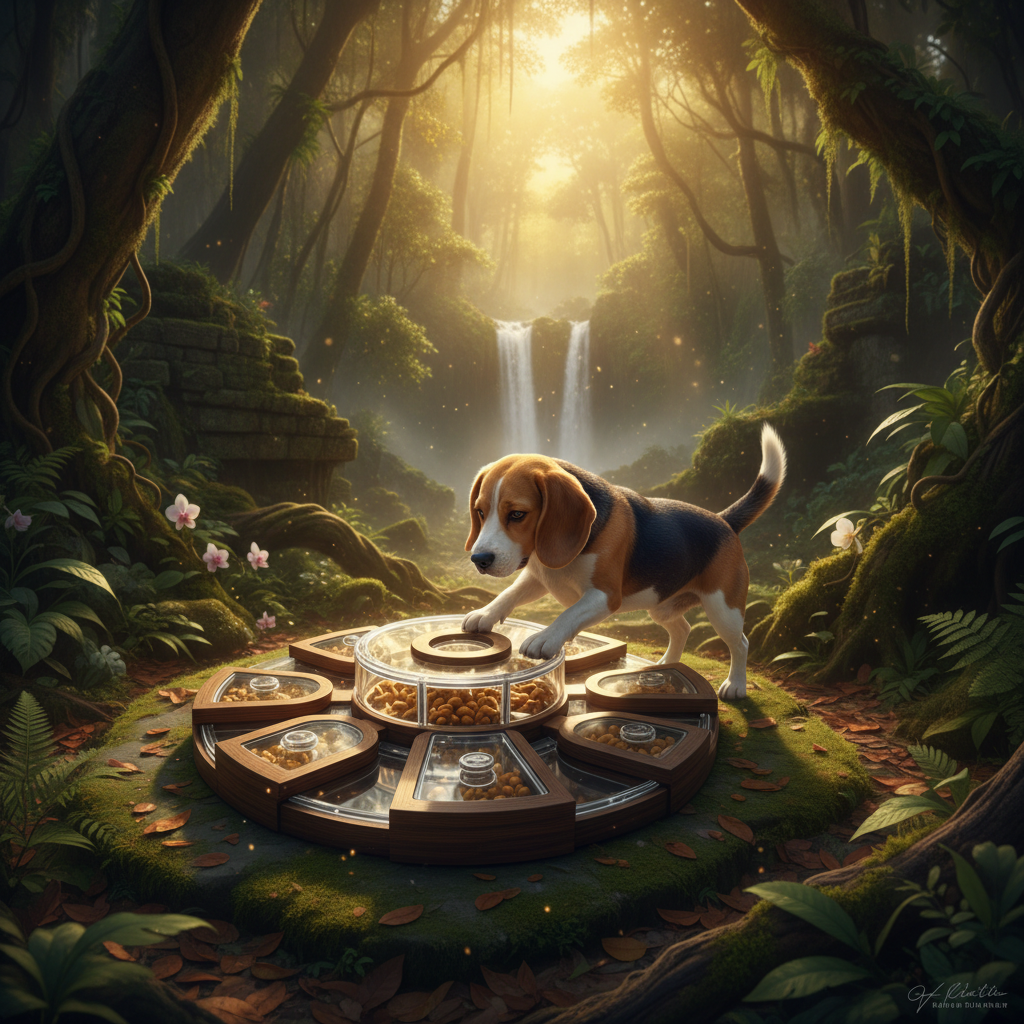
Puzzle toys are a particularly valuable tool for enrichment, as they challenge pets to solve problems and earn rewards. These toys come in a variety of forms, from simple treat-dispensing balls to complex contraptions that require multiple steps to unlock. Puzzle toys can help to keep pets mentally stimulated, prevent boredom, and even slow down fast eaters.
For dogs, puzzle toys can be used to simulate foraging behavior, tapping into their natural instinct to hunt for food. For cats, puzzle toys can provide a similar outlet for their predatory instincts, encouraging them to stalk, pounce, and manipulate objects to obtain a reward.
The Social Dimension: Toys as Communication Tools
Beyond their individual benefits, toys can also play a crucial role in social interaction between pets and their human companions. The act of playing together can strengthen the bond between them, fostering trust and mutual understanding. Toys can also serve as a valuable tool for communication, allowing us to express our affection and provide reassurance to our pets.
Think about how a comforting chew toy can help to soothe a dog during a stressful situation, such as a thunderstorm or a visit to the veterinarian. Or how a playful game of fetch can help to diffuse tension between a cat and its owner after a disagreement. Toys can be a powerful means of nonverbal communication, conveying emotions and intentions in a way that words simply cannot.
Moreover, toys can be used to teach pets valuable social skills, such as sharing, turn-taking, and impulse control. By incorporating toys into training sessions, we can help them learn to cooperate with us and with other animals. This is particularly important for multi-pet households, where toys can sometimes become a source of conflict.
Beyond Materialism: The True Value of Play
Ultimately, the true value of toys lies not in their material worth, but in the joy, stimulation, and connection they provide. A simple cardboard box can be just as engaging for a cat as an expensive, high-tech toy. The key is to understand the underlying needs that the toy is meant to address and to provide opportunities for play that are both stimulating and rewarding.
As pet owners, we have a responsibility to provide our animals with enriching environments that allow them to thrive. By moving beyond the idea of toys as mere distractions and embracing their potential as tools for learning, bonding, and well-being, we can create a deeper and more meaningful connection with our beloved companions.
The next time you reach for a toy for your pet, take a moment to consider its true purpose. Is it simply a distraction, or is it an opportunity to engage their mind, stimulate their body, and strengthen your bond? The answer may surprise you.
Selecting the Right Toys: A Guide to Purposeful Play
Choosing the right toys isn’t just about grabbing the brightest, newest thing off the shelf. It’s about understanding your pet’s individual needs, preferences, and even their play style. Consider these factors when making your next toy purchase:
Species-Specific Needs
This seems obvious, but it’s worth emphasizing. A toy designed for a dog won’t necessarily be suitable for a cat, and vice versa. Dogs typically enjoy toys that they can chase, retrieve, and chew, while cats often prefer toys that mimic prey, such as feathered wands, toy mice, and laser pointers. Understanding these fundamental differences is crucial for providing appropriate and engaging toys.
Breed and Personality
Even within the same species, different breeds and individual personalities can have vastly different preferences. A high-energy Border Collie will likely require more challenging and stimulating toys than a laid-back Basset Hound. Similarly, a shy and timid cat may prefer quieter, less intimidating toys than a bold and adventurous feline.
Age and Physical Condition
Puppies and kittens require toys that are specifically designed for their delicate teeth and jaws. Older pets may have limited mobility or dental problems, requiring softer and easier-to-manipulate toys. Consider your pet’s age and physical condition when selecting toys to ensure that they are both safe and enjoyable.
Material and Durability
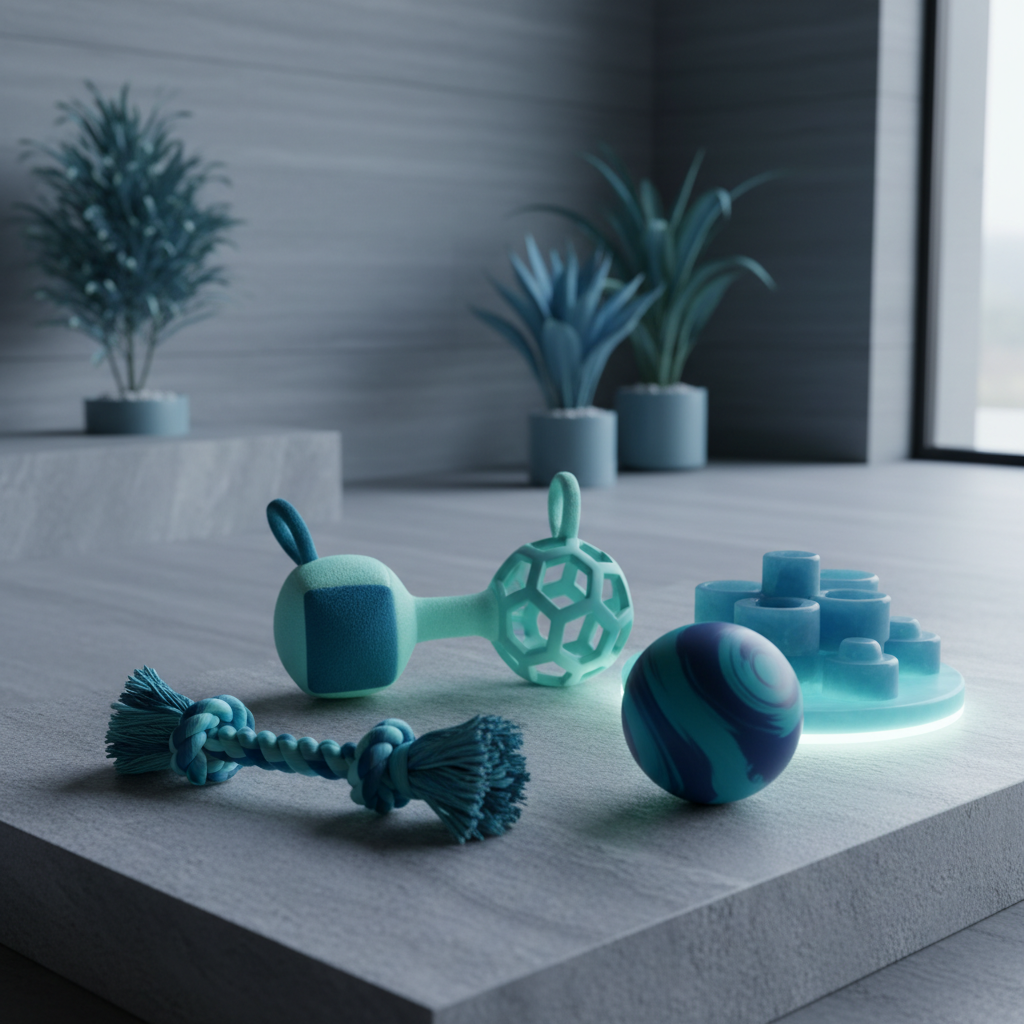
The material of a toy is a crucial factor to consider, as some materials can be toxic or pose a choking hazard if ingested. Opt for toys made from non-toxic materials, such as natural rubber, cotton rope, or durable nylon. Also, consider the durability of the toy, especially if your pet is a heavy chewer. Toys that are easily chewed apart can pose a serious risk of choking or internal blockage.
Toy Rotation and Maintenance: Keeping Things Fresh
Even the most beloved toy can lose its appeal if it’s constantly available. Toy rotation is a simple yet effective strategy for maintaining your pet’s interest and preventing boredom. By rotating toys regularly, you can keep them fresh and exciting, as if they were new again.
Implementing a Toy Rotation System
A simple toy rotation system can be as easy as dividing your pet’s toys into several groups and rotating them every few days or weeks. Keep some toys in storage and bring them out periodically to reintroduce them. You can also introduce new toys occasionally to keep things interesting.
Cleaning and Repairing Toys
Regular cleaning and maintenance are essential for keeping your pet’s toys safe and hygienic. Wash plush toys regularly to remove dirt and bacteria, and inspect all toys for damage. Repair or replace damaged toys to prevent potential hazards. A little bit of care and attention can go a long way in extending the lifespan of your pet’s toys and ensuring their safety.
Beyond the Store-Bought: DIY Toy Ideas
You don’t always need to spend a lot of money to provide your pet with engaging toys. Many household items can be repurposed into fun and stimulating toys. A cardboard box, a paper bag, or even an old sock can provide hours of entertainment for a cat or a small dog.
For example, you can create a simple puzzle toy by hiding treats inside a cardboard box and sealing it shut. Or, you can make a tug-of-war toy by braiding together several strips of fabric. Get creative and experiment with different materials and designs to create unique and engaging toys for your pet.

The Lasting Impact: Investing in Your Pet’s Well-being
In conclusion, treating pet toys as meaningful tools, rather than mere distractions, is an investment in your pet’s overall well-being. By carefully selecting toys that cater to their individual needs, engaging in interactive play, and implementing a toy rotation system, you can create an enriching environment that promotes their physical, mental, and emotional health. Remember, a happy and stimulated pet is a well-behaved and loving companion. So, the next time you consider buying a toy for your furry friend, remember that you’re not just buying an object, you’re investing in their happiness and strengthening the bond you share.

Hi, my name is Robert Max, I live in the United States and I’m the creator of InTechNews. I started this blog with the goal of sharing reliable and practical information about pet care, helping pet owners provide a healthier and happier life for their animals. I’m passionate about animal well-being and believe that good information makes all the difference in responsible pet ownership.