
Decoding Your Pet’s Play: More Than Just Fun and Games
We often see our pets playing – a cat batting at a dangling toy, a dog chasing a ball with unbridled enthusiasm. We smile, perhaps even chuckle, and think, “They’re just having fun!” But what if I told you that play, and the accessories that enable it, are far more profound than simple amusement? What if I suggested that the right toy, the appropriate leash, the thoughtfully chosen bed, are all tools that speak directly to your pet’s deepest instincts and needs?
Consider this: for a dog, chasing a ball isn’t just about fetching; it’s about tapping into their ancestral hunting instincts, the thrill of the chase, the satisfaction of retrieving “prey.” For a cat, batting at a toy mouse isn’t just cute; it’s honing their predatory skills, practicing the art of the pounce, the perfect strike. The accessories we provide become extensions of these instincts, allowing our beloved companions to express their natural behaviors in a safe and enriching environment.
Choosing the right accessory, therefore, isn’t merely a matter of picking something aesthetically pleasing or conveniently available. It’s about understanding your pet’s specific needs, their breed predispositions, their individual personality, and selecting items that facilitate healthy expression and overall well-being. It’s about respecting their inner “wild child” while ensuring their safety and comfort within our domestic world.
The Instinctual Landscape of Our Pets
To truly understand how accessories can respect and enhance your pet’s instincts, we must first delve into the core drivers of their behavior. Let’s consider a few examples:
* Dogs: Descendants of wolves, dogs retain a strong pack mentality, a need for social interaction, and a drive to hunt and explore. Their energy levels vary greatly depending on breed, but all dogs benefit from outlets for physical and mental stimulation.
* Cats: Independent and enigmatic, cats are natural hunters with a strong prey drive. They are also meticulous groomers and highly sensitive to their environment. Providing opportunities for climbing, scratching, and hiding are crucial for their well-being.
* Rabbits: Often perceived as docile, rabbits are intelligent and active creatures with a complex social structure. They need ample space to hop, explore, and engage in natural behaviors like digging and chewing.
* Birds: From parrots to finches, birds are highly intelligent and social animals with a strong need for mental stimulation. Providing a stimulating environment with toys, puzzles, and opportunities for foraging is essential.
Ignoring these innate needs can lead to behavioral problems, anxiety, and even depression in our pets. A dog deprived of exercise and social interaction may become destructive or overly vocal. A cat with no outlet for their hunting instincts may redirect their aggression towards their owners or other pets. A rabbit with no opportunity to dig may start chewing on furniture. The right accessories, therefore, aren’t just “nice to haves”; they are essential tools for promoting a happy and healthy life for our animal companions.
The Accessory Spectrum: Matching Needs to Instincts
Now that we understand the importance of respecting our pet’s instincts, let’s explore the vast landscape of accessories and how to choose items that truly cater to their specific needs.
Toys: Igniting the Playful Spirit
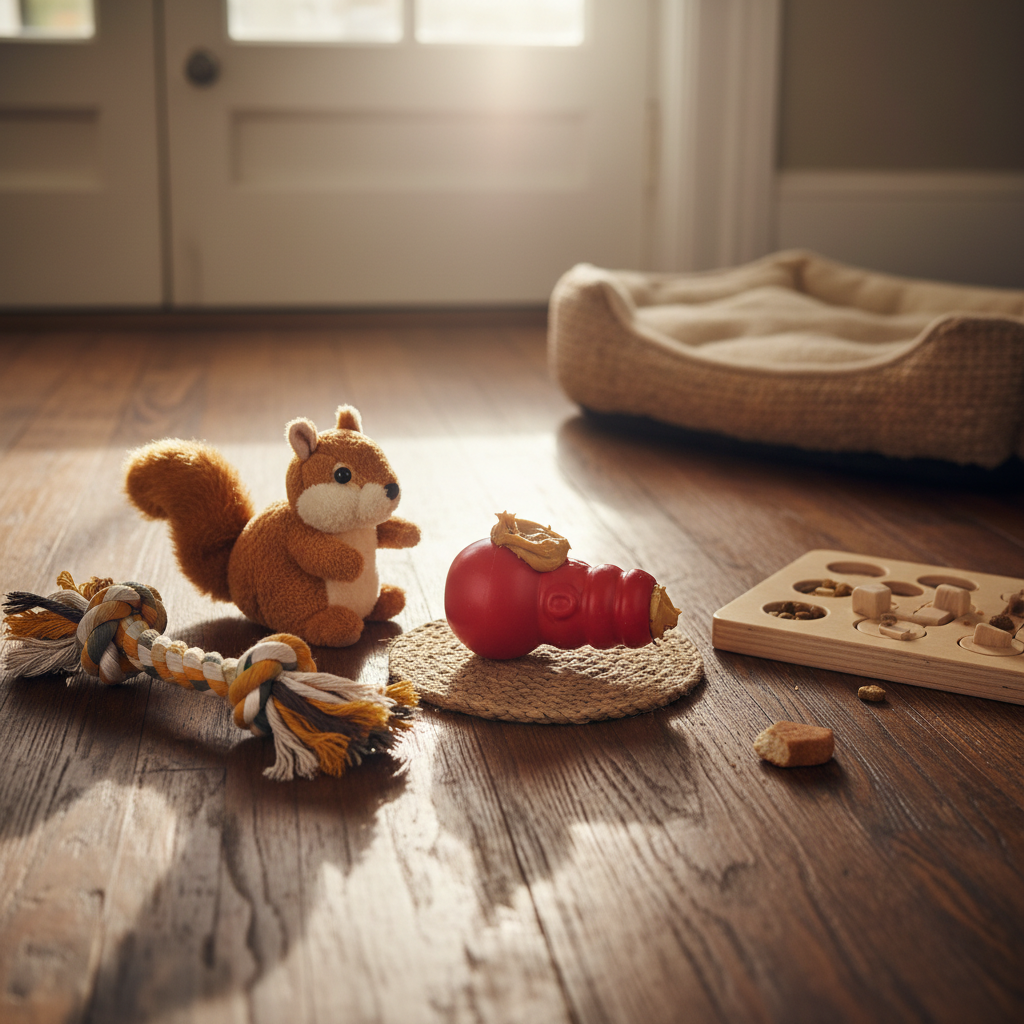
Toys are perhaps the most obvious way to tap into your pet’s instincts. But not all toys are created equal. Consider these factors when selecting playthings:
* Durability: Choose toys that can withstand your pet’s level of enthusiasm. Avoid flimsy toys that can be easily destroyed and pose a choking hazard.
* Safety: Opt for non-toxic materials and avoid toys with small parts that can be ingested. Regularly inspect toys for wear and tear and replace them as needed.
* Breed and Personality: A high-energy dog will need different toys than a senior dog with limited mobility. A playful cat will enjoy interactive toys, while a shy cat may prefer toys they can play with independently.
For dogs, consider toys that mimic the hunting experience, such as plush toys they can “kill” or puzzle toys that require them to use their problem-solving skills to access treats. For cats, choose toys that stimulate their prey drive, such as feather wands, laser pointers, or toys filled with catnip. For rabbits, provide chew toys made of natural materials like wood or willow to satisfy their urge to gnaw. For birds, offer a variety of toys that challenge their minds, such as puzzles, foraging toys, and toys that encourage preening.
Leashes and Collars: Safe Exploration and Social Connection
Leashes and collars are essential for ensuring your dog’s safety during walks and providing a means of communication. However, they can also be used to enhance their experience and tap into their natural instincts.
* Harness vs. Collar: Harnesses are generally considered safer and more comfortable for dogs, as they distribute pressure evenly across their body. Collars are suitable for identification tags and can be used for leash attachment, but should not be used for dogs who pull excessively.
* Leash Length: Choose a leash length that allows your dog to explore their surroundings while still maintaining control. Retractable leashes can provide more freedom, but should be used with caution as they can be dangerous in certain situations.
* Training Leads: Long training leads can be useful for teaching recall and allowing your dog to explore in a safe and controlled environment.
Consider using a harness that allows your dog to sniff and explore, as this is a crucial part of their sensory experience. Allow them to stop and investigate interesting smells, as this taps into their hunting instincts and provides mental stimulation. Remember, a walk isn’t just about physical exercise; it’s also about providing your dog with an opportunity to engage with the world around them.
Beds and Enclosures: Creating a Sanctuary
A comfortable and secure bed or enclosure is essential for providing your pet with a sense of safety and security. This is particularly important for animals who are naturally anxious or territorial.
* Size and Shape: Choose a bed that is appropriately sized for your pet and provides adequate support. Consider their sleeping habits and preferences when selecting a shape. Some pets prefer to curl up in a donut-shaped bed, while others prefer to stretch out on a flat surface.
* Material: Opt for materials that are soft, comfortable, and easy to clean. Consider your pet’s allergies and sensitivities when selecting a material.
* Location: Place the bed in a quiet and safe location where your pet feels comfortable and secure. Avoid placing it in high-traffic areas or near loud noises.
For cats, consider providing a variety of hiding places, such as cat trees, tunnels, or cardboard boxes. These allow them to feel safe and secure, and provide opportunities for climbing and exploring. For rabbits, provide a spacious enclosure with plenty of room to hop and explore. Include a hiding box or tunnel where they can retreat when they feel scared or overwhelmed.
Providing a comfortable and secure sanctuary is essential for promoting your pet’s overall well-being and reducing stress. It allows them to feel safe and secure in their environment, and provides a place where they can retreat and recharge.
Feeding Accessories: Satisfying Natural Foraging Behaviors
Even something as simple as a food bowl can be chosen with your pet’s instincts in mind. Consider these options:
* Slow Feeders: For dogs who tend to gulp down their food, slow feeder bowls can help prevent bloating and improve digestion. These bowls feature ridges or obstacles that force dogs to eat more slowly, mimicking the natural foraging process.
* Puzzle Feeders: Puzzle feeders provide mental stimulation and encourage dogs to work for their food. These feeders require dogs to solve puzzles or manipulate objects to access their food, mimicking the challenge of hunting.
* Elevated Bowls: For senior dogs or dogs with mobility issues, elevated bowls can make eating more comfortable by reducing strain on their neck and joints.
For cats, consider using a foraging mat or puzzle feeder to encourage them to hunt for their food. This can help prevent boredom and promote mental stimulation. For rabbits, scatter their food around their enclosure to encourage them to forage and explore. This mimics their natural feeding behavior and provides mental enrichment.

Beyond the Basics: Nurturing Specific Instincts
While the above categories cover some of the most common accessories, it’s important to remember that each pet is an individual with unique needs and preferences. Let’s explore some more specific examples of how accessories can be used to nurture particular instincts.
The Digging Dog: Embracing the Earth Mover
Some dogs are simply born to dig. Breeds like Terriers and Dachshunds were originally bred to hunt vermin underground, so digging is deeply ingrained in their DNA. Punishing a dog for digging is not only ineffective, but it can also be detrimental to their well-being. Instead, embrace their digging instinct by providing a designated digging area.
Create a sandbox or designate a section of your yard as a digging zone. Bury toys or treats in the sand to encourage your dog to dig and explore. Make sure the area is safe and free of hazards. Over time, your dog will learn that this is the appropriate place to indulge their digging desires.
The Scratching Cat: Providing an Acceptable Outlet
Scratching is a natural and essential behavior for cats. It helps them to sharpen their claws, stretch their muscles, and mark their territory. Providing a scratching post or other scratching surface is crucial for preventing your cat from scratching furniture.
Offer a variety of scratching surfaces, such as vertical posts, horizontal pads, and angled boards. Experiment to see which type your cat prefers. Place the scratching post in a prominent location, such as near their sleeping area or favorite hangout spot. Encourage your cat to use the scratching post by rubbing catnip on it or dangling a toy nearby.
The Chewing Rabbit: Preventing Destructive Behavior
Rabbits have a natural urge to chew, as it helps to keep their teeth healthy and trim. Providing a variety of chew toys is essential for preventing them from chewing on furniture, wires, or other household items.
Offer chew toys made of natural materials like wood, willow, or apple sticks. Provide cardboard boxes or tubes for them to chew on and explore. Avoid giving them chew toys made of plastic or rubber, as these can be harmful if ingested. Make sure your rabbit always has access to fresh hay, which is also a great source of fiber and helps to keep their teeth healthy.
The Power of Observation: Understanding Your Pet’s Unique Needs
Ultimately, the key to choosing the right accessories is to observe your pet closely and understand their individual needs and preferences. Pay attention to their body language, their play style, and their sleeping habits. What makes them happy? What makes them anxious? What do they seem to enjoy doing the most?
By carefully observing your pet, you can gain valuable insights into their inner world and choose accessories that truly enhance their lives. Remember, the goal is not just to provide them with entertainment or comfort, but to create an environment that respects and nurtures their natural instincts. It’s about understanding that every bark, every purr, every hop, every chirp is a form of communication, a window into their unique and wonderful world. By listening closely and responding thoughtfully, we can create a deeper bond with our animal companions and provide them with the fulfilling and enriching lives they deserve.

Case Studies: Accessories in Action
Let’s examine a couple of real-world examples to illustrate the impact of thoughtfully chosen accessories.
Case Study 1: Luna, the Anxious Rescue Dog
Luna, a five-year-old German Shepherd mix, was rescued from a hoarding situation. She was initially fearful and anxious, exhibiting signs of separation anxiety and reactivity towards strangers. Her new owners, understanding her history, focused on creating a safe and predictable environment.
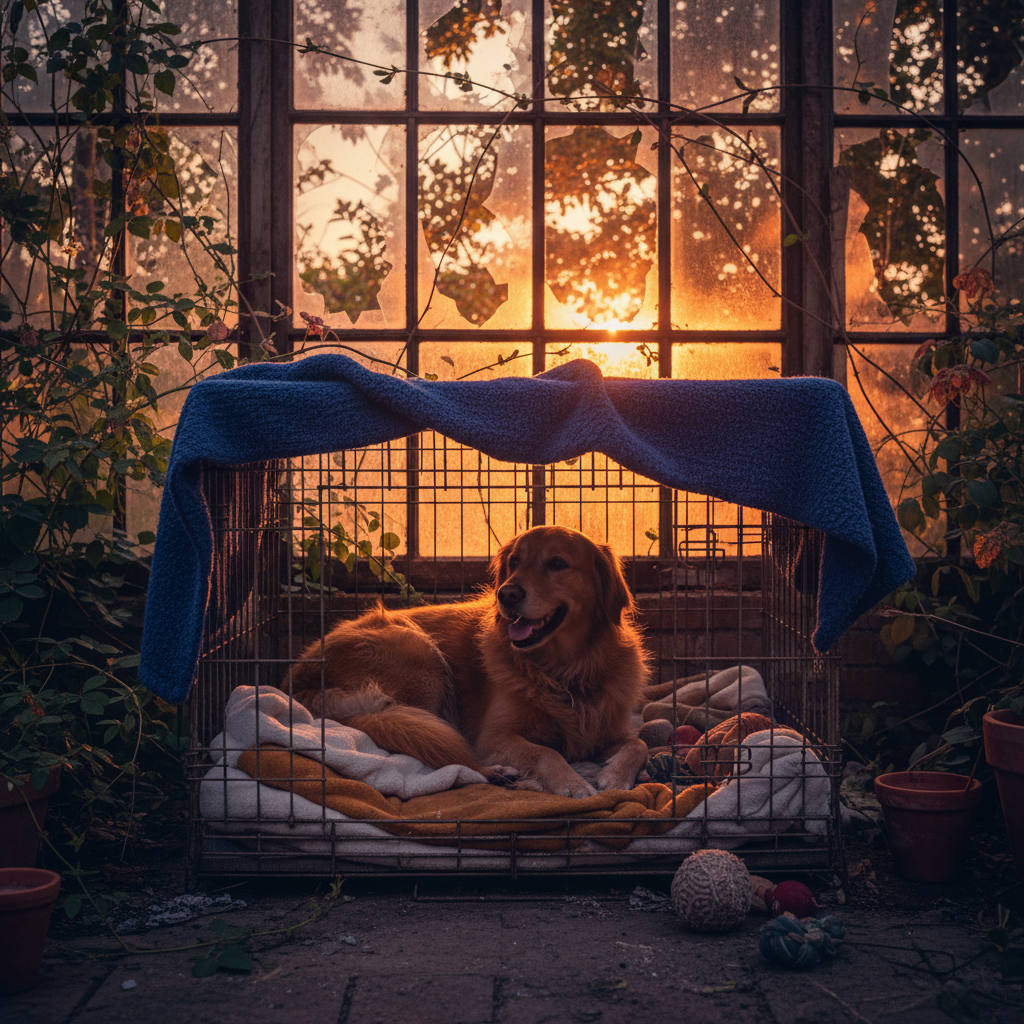
They invested in a comfortable and secure crate, which became Luna’s “safe space.” They also provided her with a ThunderShirt, a vest that applies gentle pressure to her body, mimicking the feeling of being swaddled. During walks, they used a front-clip harness to discourage pulling and provide better control. They also incorporated puzzle toys and scent work activities to provide mental stimulation and reduce anxiety. Over time, Luna’s anxiety decreased significantly, and she blossomed into a confident and happy dog.
Case Study 2: Oliver, the Bored Indoor Cat
Oliver, a two-year-old Siamese cat, lived exclusively indoors. He was initially playful and energetic, but over time, he became bored and destructive, scratching furniture and pouncing on his owners’ legs. His owners realized that he needed more opportunities to express his natural hunting instincts.
They invested in a tall cat tree with multiple levels and hiding places. They also introduced interactive toys, such as feather wands and laser pointers, to stimulate his prey drive. They started hiding small portions of his food around the house to encourage him to hunt and explore. Within a few weeks, Oliver’s behavior improved dramatically. He became less destructive and more engaged, and his owners reported that he seemed much happier and more content.
Ethical Considerations: Avoiding Exploitation
While it’s important to provide our pets with accessories that enhance their lives, it’s equally important to ensure that these accessories are ethically sourced and do not exploit animals or contribute to environmental degradation. Avoid purchasing products made from endangered species or those that are manufactured using unsustainable practices. Choose products made from natural, renewable materials and support companies that prioritize animal welfare and environmental responsibility. Remember, our responsibility as pet owners extends beyond our own homes; it encompasses the well-being of all animals and the health of our planet.
Ultimately, respecting your pet’s instincts is about recognizing their inherent worth and providing them with the opportunity to live a fulfilling and enriching life. It’s about understanding that they are not just pets, but sentient beings with complex emotions and needs. By choosing accessories that cater to their natural behaviors, we can create a deeper bond with our animal companions and foster a relationship based on mutual respect and understanding. It’s a journey of discovery, a constant process of learning and adapting, and a testament to the enduring power of the human-animal bond. And in that journey, we not only enrich their lives but also enrich our own, finding joy and companionship in the simple act of respecting their true nature.

Hi, my name is Robert Max, I live in the United States and I’m the creator of InTechNews. I started this blog with the goal of sharing reliable and practical information about pet care, helping pet owners provide a healthier and happier life for their animals. I’m passionate about animal well-being and believe that good information makes all the difference in responsible pet ownership.