
The Paradox of Pet Abundance: Are We Really Helping Our Furry Friends?
We live in an age of unprecedented abundance. Shelves overflow with choices, and online retailers promise to deliver anything our hearts (or our pets’ hearts) desire right to our doorsteps. But when it comes to our beloved companions, this abundance can be a double-edged sword. Are we truly enriching their lives by showering them with endless toys, treats, and accessories, or are we simply contributing to a cycle of consumption that ultimately leaves them (and us) feeling unfulfilled? Think about it: how many forgotten toys lie scattered around your house, relics of momentary excitement now gathering dust in the corners? How many half-eaten bags of treats sit in your pantry, their initial appeal long faded?
The truth is, our pets don’t need more things; they need the right things. They need items that stimulate their minds, satisfy their natural instincts, and strengthen the bond they share with us. Quantity rarely equates to quality, and a mountain of cheap, mass-produced products is no substitute for carefully chosen items that serve a genuine purpose.
Moving Beyond the “More is More” Mentality
For many pet owners, the urge to constantly buy new things stems from a place of love and good intentions. We want to show our pets how much we care, and we often equate material possessions with affection. We see a cute new toy, a trendy outfit, or a delicious-looking treat, and we imagine the joy it will bring to our furry friend. However, this impulse can quickly lead to a cycle of overconsumption, where we’re constantly chasing the next novelty without truly considering our pets’ needs and preferences.
Consider the case of Sarah, a devoted cat owner who, for years, showered her feline companion, Mittens, with every conceivable toy and gadget. From laser pointers to automated feather wands, Mittens had it all. Yet, Sarah couldn’t shake the feeling that Mittens was, despite the abundance, somewhat bored and listless. One day, a friend suggested that Sarah try engaging Mittens in interactive play sessions using simple household items like cardboard boxes and crumpled paper. To Sarah’s surprise, Mittens responded with enthusiasm, pouncing, chasing, and engaging in a way she never had with the expensive toys. Sarah realized that what Mittens truly craved wasn’t more stuff, but more meaningful interaction and opportunities to express her natural hunting instincts.
This example highlights a crucial point: our pets’ needs are often far simpler than we imagine. A sturdy chew toy, a comfortable bed, or a stimulating puzzle can provide far more enrichment than a pile of trendy gadgets. The key is to focus on quality over quantity, and to choose items that are appropriate for our pets’ individual needs, personalities, and lifestyles.
Understanding Your Pet’s Individual Needs: A Tailored Approach
Every pet is unique, with their own distinct personality, energy level, and preferences. What works for one animal may not work for another, and it’s essential to take a tailored approach when choosing toys and accessories. Instead of blindly buying the latest trends, take the time to observe your pet’s behavior, identify their interests, and select items that cater to their specific needs.
For the Energetic Pup: Exercise and Mental Stimulation
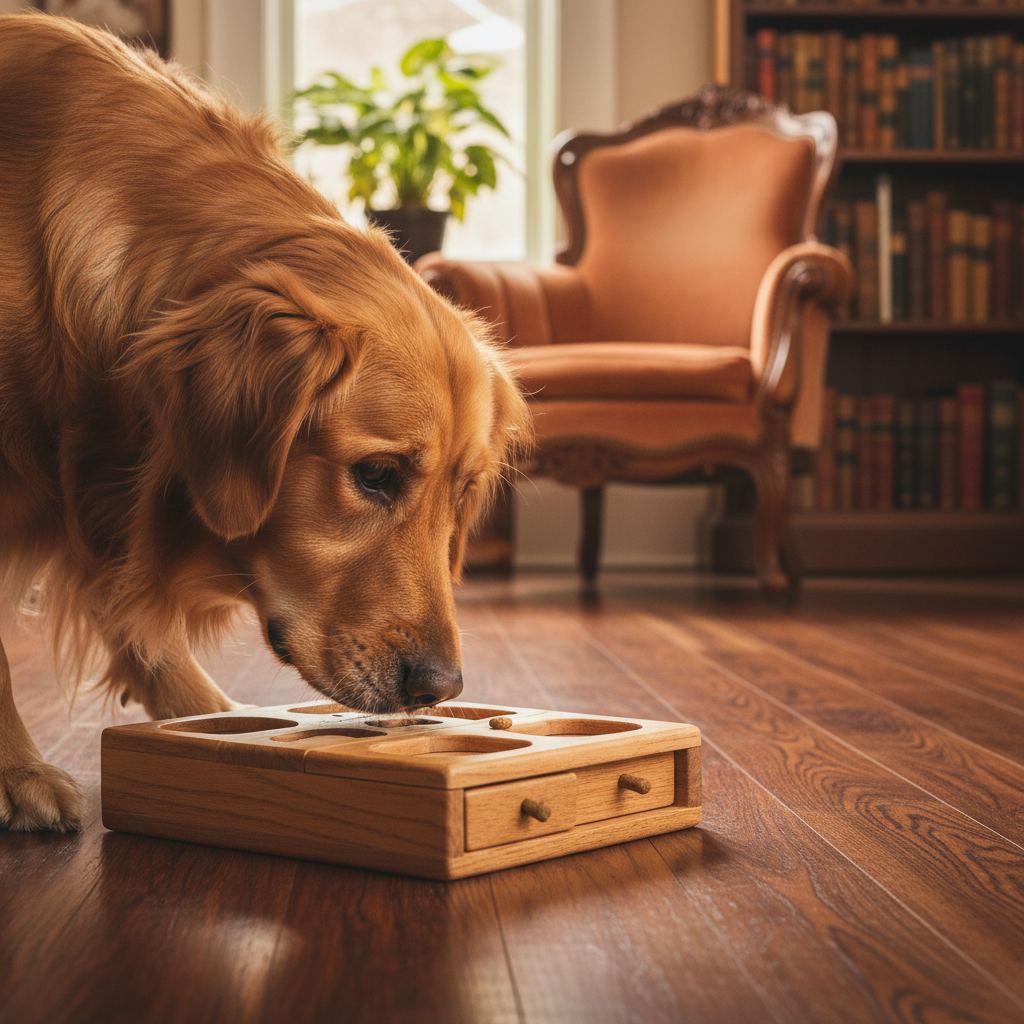
High-energy dogs, such as Border Collies, Australian Shepherds, and Huskies, require ample opportunities for physical and mental stimulation. Without sufficient exercise and enrichment, these breeds can become bored, restless, and even destructive. In addition to daily walks and runs, consider investing in toys that encourage active play, such as fetch toys, tug-of-war ropes, and agility equipment. Puzzle toys that challenge your dog to solve problems in order to retrieve treats can also be a great way to keep their minds engaged and prevent boredom.
Take the example of Jake, a high-energy Border Collie whose owner struggled to keep him entertained. Despite daily walks and playtime, Jake would still exhibit destructive behaviors, such as chewing on furniture and digging in the yard. After consulting with a dog trainer, Jake’s owner introduced him to agility training. The challenging obstacles and complex commands provided Jake with a physical and mental workout, channeling his energy in a positive and productive way. Within weeks, Jake’s destructive behaviors diminished, and he became a happier, more well-adjusted dog.
For the Curious Cat: Hunting and Exploration
Cats are natural hunters, and they require opportunities to stalk, chase, and pounce. Indoor cats, in particular, can benefit from toys that mimic the thrill of the hunt, such as feather wands, laser pointers, and plush mice. Cat trees and scratching posts also provide essential outlets for climbing, scratching, and exploring their environment. Consider rotating your cat’s toys regularly to keep them interested and prevent boredom. A new toy introduced every few weeks can feel like a whole new world to your feline friend.
Many cat owners find that simple, inexpensive toys, such as cardboard boxes and paper bags, can provide hours of entertainment for their feline companions. The crinkling sounds and enclosed spaces appeal to cats’ natural instincts, allowing them to engage in imaginative play and explore their surroundings. Remember to always supervise your cat when they are playing with toys that could pose a choking hazard, such as small plastic pieces or string.
For the Senior Pet: Comfort and Support
As pets age, their needs change. Senior pets often require more comfortable bedding, easier access to food and water, and gentle forms of exercise. Orthopedic beds can provide relief for aching joints, while elevated food and water bowls can make it easier for older pets to eat and drink. Gentle walks and playtime can help to keep senior pets active and engaged, while also strengthening the bond they share with their owners.
Consider the story of Bella, a senior Labrador Retriever who struggled with arthritis. Her owner, noticing her discomfort, invested in an orthopedic bed and a ramp to help Bella get in and out of the car. These simple changes made a significant difference in Bella’s quality of life, allowing her to move more comfortably and enjoy her golden years to the fullest. Small adjustments can make a huge difference in a senior pet’s life, making them more comfortable and content.
The Importance of Quality and Safety: Investing in Your Pet’s Well-being
When it comes to pet products, quality and safety should always be a top priority. Cheap, poorly made toys and accessories can pose a variety of hazards, from choking hazards to toxic materials. Investing in high-quality, durable products is not only better for your pet’s health and safety, but it can also save you money in the long run, as these items are less likely to break or wear out quickly.

Avoiding Choking Hazards: Choosing Safe Toys
Choking hazards are a major concern for pet owners, especially when it comes to toys. Small, easily detachable parts, such as buttons, eyes, and squeakers, can be easily swallowed by pets, leading to choking, intestinal blockages, or other serious health problems. When choosing toys for your pet, avoid items with small parts that can be easily chewed off. Look for toys that are made from durable, non-toxic materials, and always supervise your pet during playtime.
Many pet owners opt for toys made from natural rubber, durable nylon, or tightly woven rope. These materials are less likely to break apart or splinter, reducing the risk of choking hazards. It’s also important to regularly inspect your pet’s toys for signs of wear and tear, and to discard any damaged items immediately. A proactive approach to toy safety can prevent accidents and ensure your pet’s well-being.
Prioritizing Non-Toxic Materials: Protecting Your Pet’s Health
Some pet products, particularly those made from plastic or vinyl, may contain harmful chemicals, such as BPA, phthalates, and lead. These chemicals can leach into your pet’s system when they chew on the toys, potentially causing health problems such as hormonal imbalances, developmental issues, and even cancer. When choosing pet products, look for items that are labeled as BPA-free, phthalate-free, and lead-free. Opt for products made from natural, non-toxic materials, such as organic cotton, bamboo, or sustainably sourced wood.
The pet industry is increasingly aware of the importance of using safe, non-toxic materials. Many manufacturers are now offering eco-friendly and sustainable pet products that are made from recycled materials or renewable resources. By choosing these products, you can not only protect your pet’s health but also contribute to a more sustainable future.
Beyond Material Possessions: The Power of Connection and Engagement
While the right toys and accessories can certainly enhance your pet’s life, it’s important to remember that material possessions are no substitute for genuine connection and engagement. The most valuable thing you can give your pet is your time, attention, and love. Spending quality time with your pet, engaging in interactive play, and providing them with plenty of affection will do more to enrich their lives than any material item ever could.

The Importance of Playtime: Strengthening the Bond
Playtime is an essential part of a pet’s life. It provides opportunities for physical exercise, mental stimulation, and social interaction. Engaging in interactive play with your pet can also strengthen the bond between you, creating a deeper sense of connection and trust. Whether it’s a game of fetch, a tug-of-war match, or a simple cuddle session, making time for play is a valuable investment in your pet’s well-being.
Many pet owners find that incorporating playtime into their daily routine can help to reduce stress and anxiety in their pets. A few minutes of dedicated playtime can help to burn off excess energy, relieve boredom, and promote relaxation. It’s also a great way for you to de-stress and unwind after a long day. The joy of connecting with your pet through play is a mutually beneficial experience that can enrich both of your lives.
The Value of Training: Building Communication and Trust
Training is another essential aspect of pet ownership. It not only teaches your pet valuable skills and behaviors but also strengthens the bond between you, building communication and trust. Positive reinforcement training methods, such as rewarding desired behaviors with treats or praise, can be a highly effective way to teach your pet new tricks and commands. Training can also help to address behavioral issues, such as excessive barking, chewing, or aggression.
Consider the story of Max, a rescue dog who was initially timid and fearful around people. His owner enrolled him in a positive reinforcement training class, where he learned basic commands and socialization skills. Through consistent training and positive interactions, Max gradually gained confidence and began to trust his owner. Over time, he transformed from a fearful, anxious dog into a happy, well-adjusted companion. Training not only improved Max’s behavior but also strengthened the bond he shared with his owner, creating a lasting and meaningful relationship.
Sustainable Pet Ownership: Making Conscious Choices
Our consumption habits have a significant impact on the environment, and it’s important to consider the environmental footprint of our pet ownership. Making conscious choices about the products we buy, the food we feed, and the waste we generate can help to minimize our impact on the planet. Opting for eco-friendly and sustainable pet products, such as those made from recycled materials or renewable resources, is a great way to reduce our environmental footprint. Choosing pet food that is made from sustainably sourced ingredients can also make a difference. Finally, properly disposing of pet waste and reducing our use of single-use plastic bags can help to protect our environment and preserve it for future generations.
Reducing Waste: Choosing Reusable and Recyclable Products
One of the easiest ways to reduce our environmental impact is to choose reusable and recyclable pet products. Instead of buying disposable food and water bowls, opt for stainless steel or ceramic bowls that can be washed and reused. When purchasing toys, look for items that are made from recycled materials or that can be recycled at the end of their lifespan. Consider using reusable pet waste bags instead of single-use plastic bags. These simple changes can significantly reduce the amount of waste we generate as pet owners.
Supporting Sustainable Brands: Voting with Your Wallet
By supporting sustainable pet brands, we can encourage manufacturers to adopt more environmentally friendly practices. Look for brands that prioritize using recycled materials, renewable resources, and sustainable manufacturing processes. Read product labels carefully and choose items that are certified organic, fair trade, or sustainably sourced. By voting with our wallets, we can help to create a more sustainable pet industry and protect our planet for future generations. The choices we make as consumers have a powerful impact on the market.
Ultimately, providing our pets with a happy and fulfilling life is about more than just showering them with material possessions. It’s about understanding their individual needs, providing them with quality care, and fostering a strong bond through connection and engagement. By focusing on quality over quantity, prioritizing safety and sustainability, and investing in our pets’ emotional well-being, we can create a truly enriching life for our furry friends.

Hi, my name is Robert Max, I live in the United States and I’m the creator of InTechNews. I started this blog with the goal of sharing reliable and practical information about pet care, helping pet owners provide a healthier and happier life for their animals. I’m passionate about animal well-being and believe that good information makes all the difference in responsible pet ownership.