
The Enduring Power of Play: More Than Just Fun and Games
We often dismiss playtime, especially for our pets, as mere frivolous activity. A way to burn off excess energy, perhaps, or a momentary distraction from the monotony of daily life. But what if I told you that play, particularly with thoughtfully chosen toys, is a profound and essential component of a happy, healthy, and well-adjusted animal? That a good toy doesn’t just tire the body, but actively engages and enriches the mind?
Think about it for a moment. What is it that truly sets a thriving creature apart from one merely surviving? It’s not just the absence of illness or the fulfillment of basic needs. It’s the spark of curiosity, the joy of discovery, the mental stimulation that keeps the cognitive engine humming. And that, my friends, is precisely where the right toys come into play.
Beyond the Fetch: Unveiling the Cognitive Benefits
The simple act of fetching a ball, for instance, isn’t simply about physical exertion. It’s a complex sequence of actions that requires focus, coordination, and problem-solving. The dog must track the trajectory of the ball, anticipate its landing point, navigate obstacles, and retrieve it efficiently. These seemingly simple tasks stimulate neural pathways, strengthening cognitive abilities and promoting mental acuity.
Consider puzzle toys, which have become increasingly popular in recent years. These ingenious contraptions require animals to manipulate levers, slide panels, or solve other challenges to access a hidden treat. They tap into the animal’s innate problem-solving skills, encouraging them to think critically and creatively. They also provide a much-needed dose of mental stimulation, especially for indoor pets who may not have ample opportunities to explore their environment.
But the benefits extend far beyond mere mental exercise. Studies have shown that play can reduce stress, alleviate boredom, and even improve social skills in animals. When an animal is engaged in play, their brain releases endorphins, natural mood boosters that promote feelings of happiness and well-being. Play also provides an outlet for pent-up energy and frustration, preventing destructive behaviors that can arise from boredom and confinement.

The Art of Choosing the Right Toy: A Guide for Discerning Pet Owners
Not all toys are created equal. In fact, some toys can be downright detrimental to an animal’s well-being. It’s crucial to choose toys that are not only safe and durable but also appropriate for the animal’s age, size, breed, and individual temperament.
A tiny chihuahua, for example, shouldn’t be given a large, heavy chew toy designed for a powerful mastiff. Similarly, a highly intelligent border collie will quickly become bored with a simple plush toy that offers no mental challenge. Understanding your animal’s unique needs and preferences is the first step in selecting toys that will truly enrich their lives.
Safety First: Prioritizing Your Pet’s Well-being
The safety of your pet should always be your top priority when choosing toys. Avoid toys that are small enough to be swallowed, as these can pose a choking hazard. Steer clear of toys with small, detachable parts that can be easily ingested. Inspect toys regularly for signs of wear and tear, and discard them immediately if they become damaged.
Opt for toys made from non-toxic materials, especially if your pet is prone to chewing or ingesting pieces of their toys. Look for toys that are specifically designed for pets and meet rigorous safety standards. Remember, a seemingly harmless toy can quickly become a dangerous hazard if it’s not chosen with care.
Matching the Toy to the Animal: A Personalized Approach
Once you’ve addressed the safety concerns, you can start to consider your animal’s individual needs and preferences. Does your dog love to chase and retrieve? Then a durable ball or frisbee might be a perfect choice. Does your cat enjoy stalking and pouncing? Then a feathered wand toy or a laser pointer could provide hours of entertainment. Does your rabbit love to chew and gnaw? Then a wooden chew toy or a cardboard box filled with hay could be just what they need.
Think about your animal’s personality and energy levels. A high-energy dog might benefit from a puzzle toy that requires sustained focus and problem-solving, while a more laid-back cat might prefer a soft, cuddly toy that provides comfort and security. Experiment with different types of toys to see what your animal enjoys most. Don’t be afraid to try new things and rotate toys regularly to keep things interesting.
Consider also the social aspect of play. Interactive toys that allow you to play with your pet can strengthen the bond between you and provide valuable opportunities for training and socialization. A game of tug-of-war with a rope toy can be a fun and engaging way to teach your dog commands like “drop it” and “leave it.” A playful session with a laser pointer can help your cat burn off energy and practice their hunting skills.
The Unexpected Benefits: Beyond Entertainment and Exercise
The advantages of providing your pet with stimulating toys extend far beyond mere entertainment and exercise. A well-chosen toy can be a powerful tool for managing behavior, reducing anxiety, and even improving overall health and well-being.
Consider the case of a dog who suffers from separation anxiety. When left alone, the dog might bark incessantly, chew on furniture, or engage in other destructive behaviors. Providing the dog with a challenging puzzle toy before you leave can help to distract them from their anxiety and provide them with a sense of purpose. The dog will be too busy focusing on the puzzle to worry about your absence, and they’ll be rewarded with a tasty treat for their efforts.
Or consider the case of a cat who is overweight and sedentary. Providing the cat with interactive toys that encourage them to move around and play can help them burn calories and lose weight. A laser pointer, a feathered wand toy, or even a simple ball of yarn can be enough to get the cat moving and grooving.

Toys as Therapy: Addressing Behavioral Challenges
Toys can also be used as a form of therapy to address specific behavioral challenges. For example, a dog who is prone to chewing might benefit from a durable chew toy that satisfies their natural urge to gnaw. A cat who is prone to scratching might benefit from a scratching post or a scratching toy that provides an appropriate outlet for their scratching behavior.
By providing your pet with appropriate toys and outlets for their natural behaviors, you can prevent them from engaging in destructive or undesirable behaviors. This can not only improve your relationship with your pet but also protect your furniture and belongings from damage.
The Power of Enrichment: Creating a Stimulating Environment
Ultimately, providing your pet with stimulating toys is about creating a rich and engaging environment that meets their physical, mental, and emotional needs. It’s about recognizing that our pets are intelligent and sentient beings who deserve to live fulfilling and meaningful lives.
By providing them with opportunities to play, explore, and learn, we can help them thrive and reach their full potential. And in doing so, we can enrich our own lives as well. There’s nothing quite like the joy of watching your pet happily playing with a toy, knowing that you’ve provided them with something that brings them genuine happiness and fulfillment.
Beyond the Basics: Advanced Toy Strategies for the Discerning Pet Owner
Once you’ve mastered the basics of toy selection and usage, you can start to explore more advanced strategies for maximizing the benefits of playtime. This might involve rotating toys regularly to keep things interesting, creating challenging obstacle courses for your pet to navigate, or even teaching your pet new tricks using toys as rewards.
The Art of Rotation: Keeping Things Fresh and Exciting
Just like humans, animals can become bored with the same old toys. To keep things fresh and exciting, it’s important to rotate your pet’s toys regularly. This means putting away some toys and bringing out others on a rotating basis. This will help to keep your pet engaged and prevent them from losing interest in their toys.
You can also try introducing new toys periodically to keep things even more interesting. This doesn’t necessarily mean buying expensive new toys every week. You can often find affordable and engaging toys at your local pet store or even make your own toys using household items.
Obstacle Courses and Enrichment Activities: Unleashing Your Pet’s Potential
For high-energy or highly intelligent pets, you might consider creating an obstacle course or other enrichment activities to challenge them physically and mentally. This could involve setting up a series of tunnels, jumps, and other obstacles for your dog to navigate, or creating a scavenger hunt for your cat to find hidden treats.
These types of activities can provide your pet with a much-needed dose of exercise and mental stimulation. They can also help to strengthen the bond between you and your pet and provide valuable opportunities for training and socialization.

Toys as Training Tools: Reinforcing Positive Behaviors
Toys can also be used as effective training tools to reinforce positive behaviors. For example, you can use a toy as a reward for your dog when they successfully complete a command or perform a desired behavior. This can be a powerful way to motivate your dog and make training more fun and engaging.
You can also use toys to teach your dog new tricks. For example, you can teach your dog to fetch a specific toy, to roll over, or to play dead. These types of tricks can be a fun and rewarding way to bond with your dog and provide them with mental stimulation.
The Timeless Wisdom: Play as a Reflection of a Deeper Connection
Ultimately, the act of playing with our pets is more than just a way to pass the time. It’s a reflection of the deep connection we share with them, a testament to the joy and companionship they bring to our lives. It’s an opportunity to nurture their minds, bodies, and spirits, and to create lasting memories that will enrich our lives for years to come.
So, the next time you reach for a toy to play with your pet, remember that you’re not just engaging in a frivolous activity. You’re nurturing their well-being, strengthening your bond, and contributing to a richer, more fulfilling life for both of you. And that, my friends, is a truly worthwhile investment.
Are we truly giving our companions the mental stimulation they crave and deserve? Are we selecting toys that challenge them, engage them, and ultimately, make them happier and healthier? These are questions we must continually ask ourselves as responsible and loving pet owners.
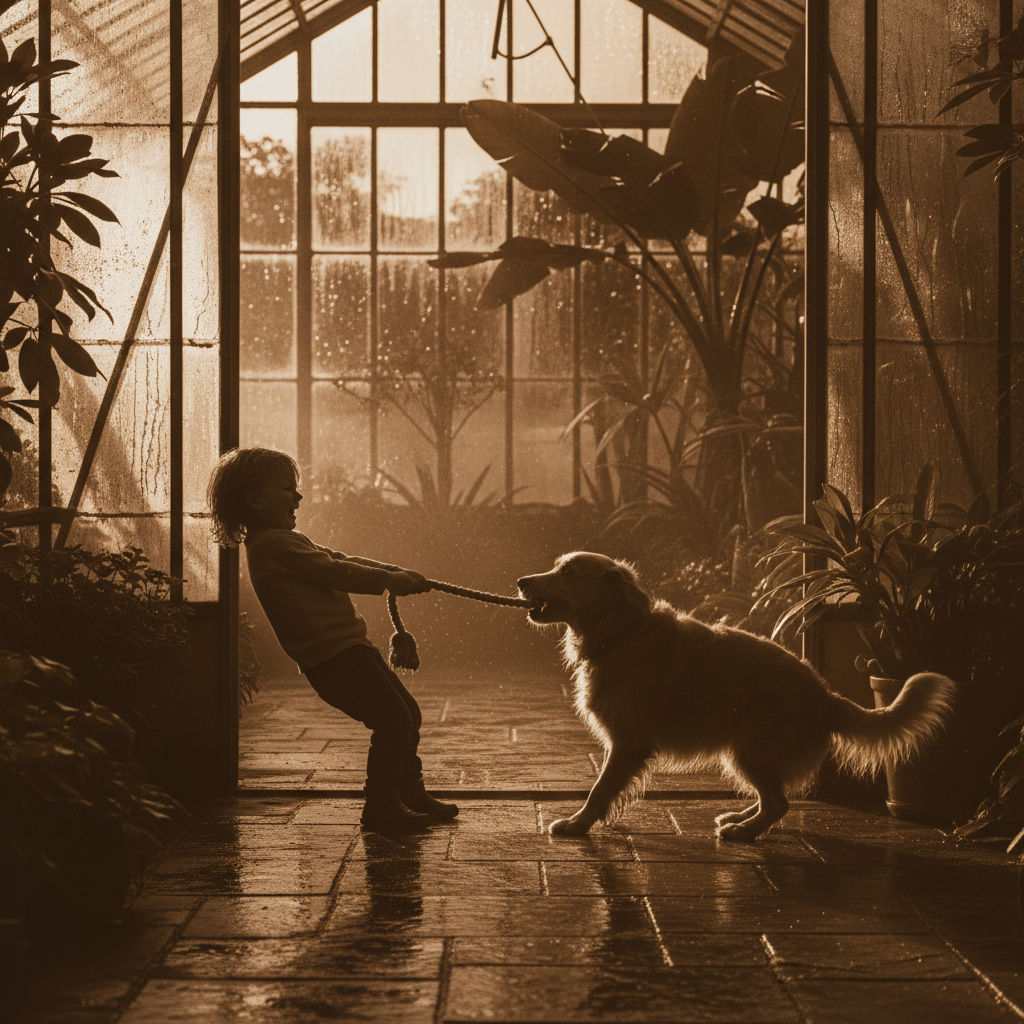
The world of pet toys is vast and ever-evolving. From simple chew toys to complex puzzle contraptions, the options are seemingly endless. But the key to unlocking the true potential of play lies not in the sheer quantity of toys we provide, but in the thoughtfulness and intention behind our choices. A good toy isn’t just something to occupy a pet’s time; it’s a tool for enrichment, a catalyst for connection, and a pathway to a happier, healthier life.

Hi, my name is Robert Max, I live in the United States and I’m the creator of InTechNews. I started this blog with the goal of sharing reliable and practical information about pet care, helping pet owners provide a healthier and happier life for their animals. I’m passionate about animal well-being and believe that good information makes all the difference in responsible pet ownership.