
The Paradox of Choice: Why Your Pet Isn’t Playing
We live in an age of unprecedented abundance. Walk into any pet store, and you’re greeted by a dazzling array of toys – plush hedgehogs, laser pointers, treat-dispensing balls, puzzle feeders, rope bones, and countless more. It’s a veritable playground for your furry friend, right? So why is it that so many pet owners find themselves staring at a mountain of unused toys, wondering why their beloved companion seems utterly disinterested? Are we buying the wrong things, or is there something deeper at play?
The issue, more often than not, isn’t a simple lack of toys. It’s the *wrong* toys, coupled with a fundamental misunderstanding of what truly motivates our pets to play. We often fall into the trap of thinking that “more” automatically equates to “better,” assuming that a greater variety of options will inevitably lead to greater enjoyment. But the reality is far more nuanced. We’re often projecting our own human desires and preferences onto our pets, overlooking their specific needs, instincts, and individual personalities.
Think about it: how many times have you excitedly purchased a new toy, only to watch your pet sniff it once and then promptly ignore it in favor of a cardboard box or a stray dust bunny? It’s a frustrating experience, and it begs the question: what are we missing?
Beyond the Squeak: Understanding Your Pet’s Play Style
Before you even consider buying another toy, take a step back and observe your pet’s natural play style. What activities do they gravitate towards? Do they enjoy chasing, pouncing, chewing, or problem-solving? Understanding their preferences is crucial to selecting toys that will genuinely engage them.
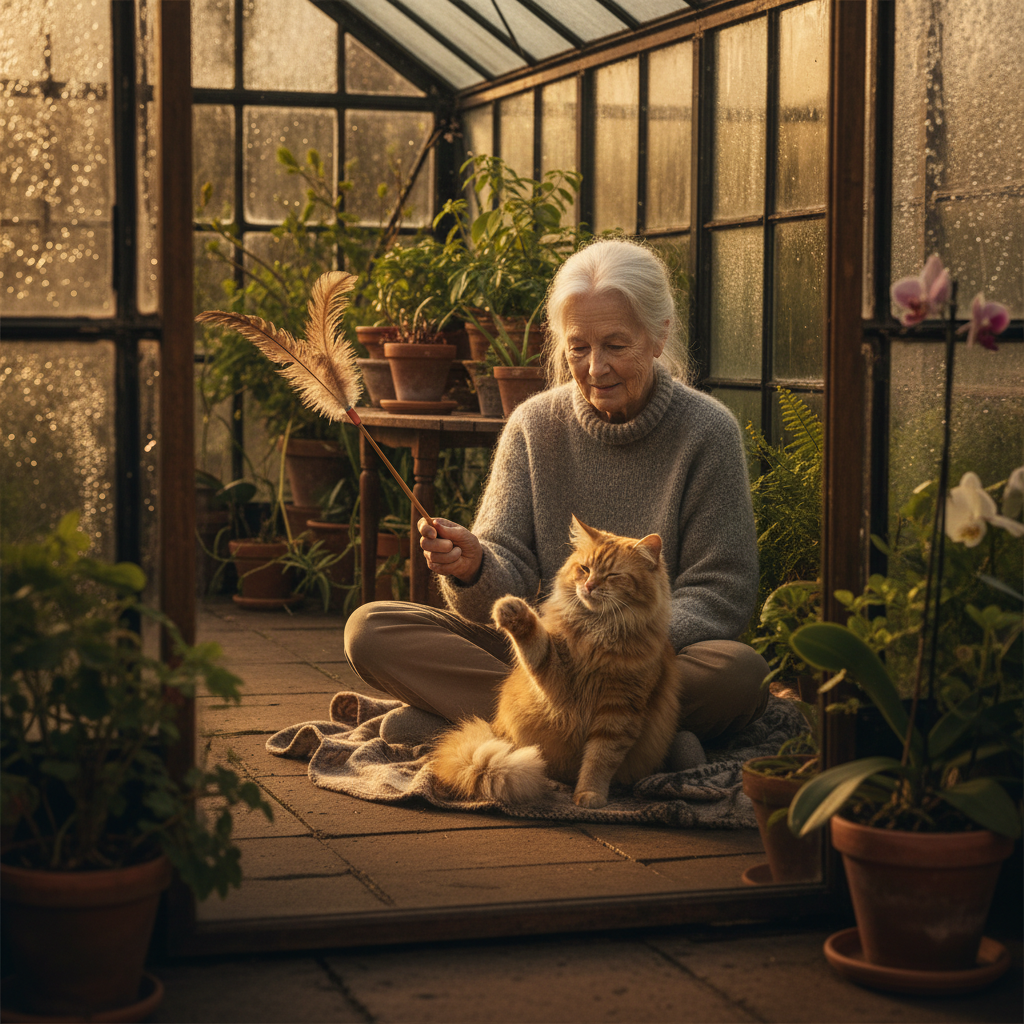
Consider a cat, for example. While a plush toy might seem appealing to us, many cats are primarily driven by the instinct to hunt. Toys that mimic the movement of prey, such as feather wands or laser pointers (used responsibly, of course), are far more likely to capture their attention. Similarly, a dog that loves to chew might benefit from a durable rubber toy designed to withstand vigorous gnawing, rather than a delicate plush toy that will be shredded in minutes.
It’s not just about the type of toy, but also the way you interact with it. Simply tossing a toy at your pet is unlikely to spark their interest. Instead, try engaging them in a game. For a cat, that might mean mimicking the erratic movements of a mouse with a feather wand. For a dog, it could involve playing fetch or tug-of-war. The key is to make the play session interactive and stimulating, tapping into their natural instincts and desires.
Moreover, remember that every pet is an individual. Just as humans have different hobbies and interests, so too do our animal companions. What works for one pet might not work for another. Experiment with different types of toys and play styles to discover what your pet truly enjoys. Pay close attention to their body language and reactions. Are they engaged and excited, or are they bored and disinterested? Their responses will provide valuable clues as to what they find most rewarding.
The Dangers of Toy Overload: Less Can Be More
In our eagerness to provide our pets with the best possible life, we often fall into the trap of buying them far too many toys. While it might seem counterintuitive, having an excessive number of options can actually be detrimental to their play experience.
Think of it like a child with a room overflowing with toys. Overwhelmed by the sheer volume of choices, they often struggle to focus on any one toy for an extended period. The same principle applies to our pets. When they’re surrounded by a vast array of options, they can become easily bored and disinterested.
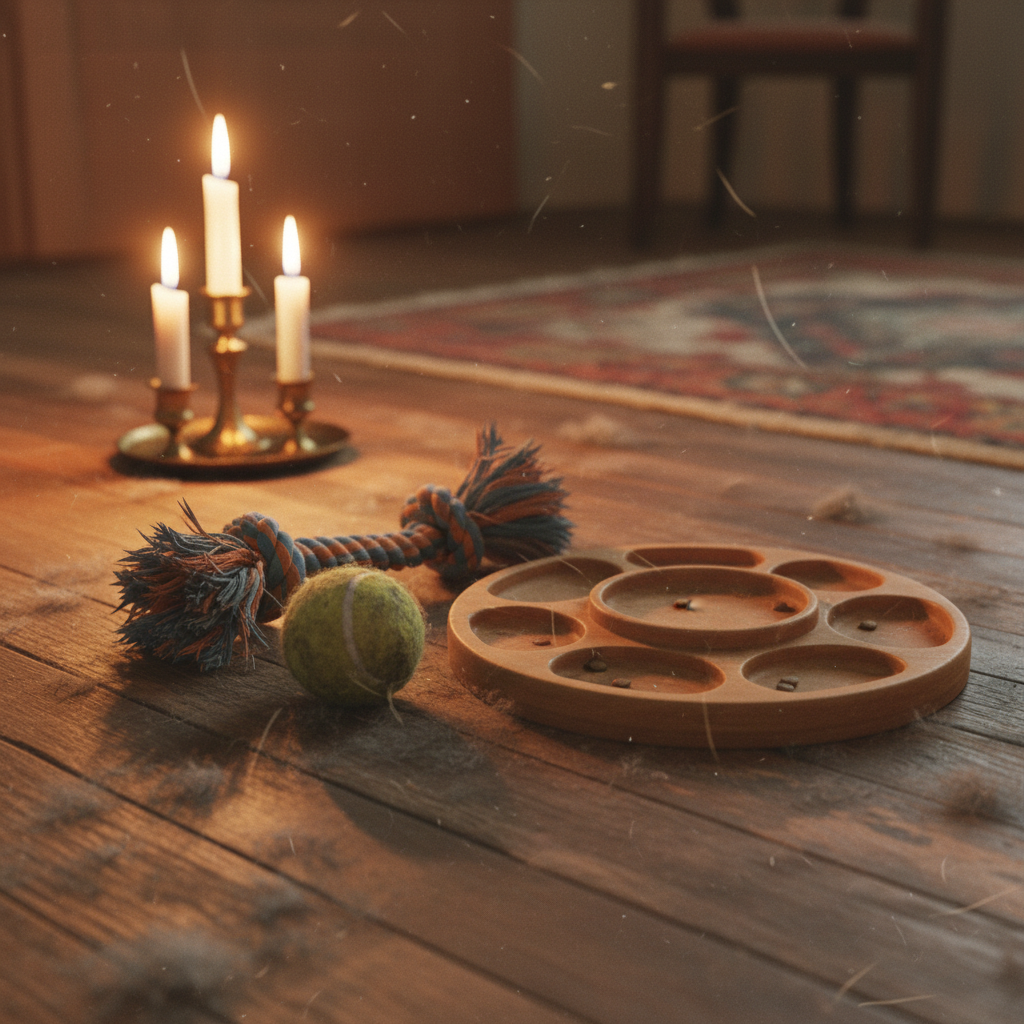
A better approach is to curate a smaller selection of high-quality toys that cater to your pet’s specific interests and needs. Rotate these toys regularly to keep things fresh and exciting. This will prevent your pet from becoming desensitized to any one toy and help to maintain their interest over time.
Imagine you have three different types of toys: a chew toy, a puzzle toy, and a fetch toy. You could leave the chew toy out all the time, but the other two should be rotated. Every few days, swap the puzzle toy for a different one, and bring out the fetch toy only for dedicated play sessions. This keeps things exciting and prevents boredom.
Furthermore, consider the concept of “resource guarding.” In multi-pet households, having too many toys readily available can lead to competition and conflict between animals. Some pets may become possessive of certain toys, leading to aggression and stress. By limiting the number of toys and supervising play sessions, you can help to prevent these issues.
The Power of Interactive Play: Building a Stronger Bond
Toys are more than just objects; they’re tools that can be used to strengthen the bond between you and your pet. Interactive play is crucial for their mental and physical well-being, and it provides an opportunity for you to connect with them on a deeper level.
Instead of simply handing your pet a toy and expecting them to entertain themselves, try engaging them in a game. Play fetch with your dog in the park, chase a feather wand with your cat, or hide treats in a puzzle feeder and watch them problem-solve. These activities not only provide physical exercise but also stimulate their minds and help to prevent boredom.
Interactive play also allows you to teach your pet new skills and reinforce positive behaviors. You can use toys as rewards during training sessions, motivating them to learn new commands and tricks. This not only strengthens your bond but also provides mental stimulation and helps to keep them engaged and focused.
Consider the game of tug-of-war. While some people worry that it might encourage aggression, it can actually be a healthy and enjoyable activity for many dogs when played correctly. The key is to establish clear rules and boundaries. Teach your dog to release the toy on command and avoid becoming overly competitive. When done properly, tug-of-war can be a great way to build your dog’s confidence and strengthen your relationship.
Remember, the most important aspect of interactive play is to have fun! Let go of your inhibitions and embrace your inner child. Your pet will appreciate your enthusiasm, and you’ll both benefit from the joy and connection that comes with playing together.
Beyond the Store-Bought: DIY Toys and Creative Solutions
You don’t always have to spend a fortune on expensive store-bought toys to keep your pet entertained. In fact, some of the most engaging and stimulating toys can be created from everyday household items.
Think about it: cats are often fascinated by cardboard boxes, paper bags, and crumpled-up balls of paper. Dogs enjoy chewing on old socks tied in knots or chasing after empty plastic bottles (with the caps removed, of course). These simple items can provide hours of entertainment at little to no cost.
Get creative and try making your own DIY toys. You can sew a simple plush toy out of scraps of fabric, create a puzzle feeder out of a plastic bottle, or build a miniature obstacle course out of cardboard boxes. The possibilities are endless.
Not only are DIY toys cost-effective, but they also allow you to customize them to your pet’s specific needs and preferences. You can choose materials that are safe and durable, and you can design them to target their specific interests and play styles.
For example, you could create a snuffle mat by attaching strips of fleece to a rubber mat. Hide treats among the fleece strips and let your dog sniff them out. This activity provides mental stimulation and encourages them to use their natural foraging instincts.
Remember to always supervise your pet when they’re playing with DIY toys, and make sure to discard any toys that become damaged or worn. Safety should always be your top priority.

The Importance of Environmental Enrichment: A Holistic Approach
Providing your pet with a stimulating environment is just as important as providing them with the right toys. Environmental enrichment involves creating a living space that caters to their natural instincts and provides opportunities for them to engage in a variety of activities.
This can include things like providing scratching posts for cats, creating climbing structures for ferrets, or offering a variety of hiding places for small animals. The goal is to create an environment that is both safe and stimulating, allowing your pet to express their natural behaviors and explore their surroundings.
Think about a cat’s need to climb and survey their territory from a high vantage point. Providing them with a cat tree or access to shelves allows them to satisfy this instinct and feel more secure in their environment. Similarly, a dog that loves to dig might benefit from having a designated digging area in the backyard.
Environmental enrichment also includes providing opportunities for social interaction. If you have multiple pets, make sure they have plenty of opportunities to interact with each other in a positive and supervised manner. If you have a single pet, consider providing them with regular opportunities to socialize with other animals or people.
Remember that environmental enrichment is an ongoing process. Regularly assess your pet’s environment and make adjustments as needed to ensure that it continues to meet their needs and provide them with opportunities for stimulation and enrichment.
The Role of Training and Positive Reinforcement: Shaping Play Behavior
Training and positive reinforcement can play a significant role in shaping your pet’s play behavior and ensuring that they engage with toys in a safe and appropriate manner.
You can use training techniques to teach your pet how to play with specific toys, how to share toys with other animals, and how to avoid engaging in destructive or aggressive play behavior.
For example, you can teach your dog to fetch a toy and bring it back to you, or you can teach your cat to chase a laser pointer without becoming overly fixated on it. You can also teach your pet to release a toy on command, which is especially important if you’re playing tug-of-war.
Positive reinforcement involves rewarding your pet for engaging in desirable behaviors. This can include things like giving them treats, offering praise, or providing them with attention. By consistently rewarding your pet for playing with toys in a safe and appropriate manner, you can help to reinforce these behaviors and make them more likely to occur in the future.
Remember that consistency is key when it comes to training and positive reinforcement. Be patient and consistent with your training efforts, and always use positive reinforcement techniques rather than punishment or coercion.
Addressing Underlying Issues: When Toys Aren’t Enough
Sometimes, a lack of interest in toys can be a symptom of an underlying issue, such as boredom, anxiety, or medical problems. It’s important to rule out these possibilities before assuming that your pet is simply uninterested in playing.
Boredom can be a major factor in a pet’s lack of interest in toys. If your pet is not getting enough physical exercise or mental stimulation, they may become bored and listless. Make sure to provide them with plenty of opportunities to run, play, and explore their surroundings.
Anxiety can also contribute to a lack of interest in toys. If your pet is feeling anxious or stressed, they may be less likely to engage in play. Identify the source of their anxiety and take steps to address it. This might involve consulting with a veterinarian or a certified animal behaviorist.
Medical problems can also affect a pet’s interest in toys. If your pet is experiencing pain or discomfort, they may be less likely to play. Schedule a visit to the veterinarian to rule out any underlying medical conditions.
If you suspect that your pet’s lack of interest in toys is related to an underlying issue, it’s important to seek professional help. A veterinarian or animal behaviorist can help you identify the root cause of the problem and develop a treatment plan.
Creating a Playful Partnership: The Joy of Shared Experiences
Ultimately, the goal is to create a playful partnership with your pet – a relationship built on trust, communication, and shared experiences. Toys are simply tools that can help you achieve this goal.
Don’t get caught up in the trap of thinking that you need to buy the latest and greatest toys to keep your pet happy. Instead, focus on understanding their individual needs and preferences, providing them with a stimulating environment, and engaging them in interactive play.
Remember that the most important thing is to have fun and enjoy the time you spend with your pet. Let go of your expectations and embrace the joy of shared experiences. Whether you’re chasing a feather wand with your cat, playing fetch with your dog, or simply cuddling on the couch, these moments of connection are what truly matter.
The best “toy” is often your undivided attention, your willingness to engage, and your genuine affection for your furry friend. It’s about creating a bond that goes beyond material possessions and fostering a relationship built on love, trust, and mutual respect.
So, the next time you find yourself staring at a pile of unused toys, remember that the problem isn’t a lack of toys – it’s the wrong choices, the wrong approach, and perhaps a missed opportunity to connect with your pet on a deeper level. Rethink your strategy, observe your pet’s behavior, and focus on creating a playful partnership that will bring joy to both of your lives. After all, the greatest gift you can give your pet is your time, your attention, and your unconditional love. Invest in the relationship, not just the toys, and you’ll find that the rewards are far greater than you ever imagined. The connection you forge will be the most valuable toy of all.

Hi, my name is Robert Max, I live in the United States and I’m the creator of InTechNews. I started this blog with the goal of sharing reliable and practical information about pet care, helping pet owners provide a healthier and happier life for their animals. I’m passionate about animal well-being and believe that good information makes all the difference in responsible pet ownership.