
The Seemingly Innocent Tennis Ball: A Hidden Danger for Your Furry Friend
We’ve all seen it – the quintessential image of canine joy: a dog bounding through a field, tennis ball clutched triumphantly in its jaws. It’s a classic scene, a symbol of carefree play and the unbreakable bond between human and pet. But what if I told you that this seemingly harmless accessory, this icon of fetch, could be slowly but surely harming your beloved companion?
The truth is, the common tennis ball harbors a number of potential dangers, often overlooked by even the most conscientious pet owners. From dental wear and tear to the ingestion of toxic materials, this seemingly benign toy can pose a significant threat to your dog’s health and well-being. Are we, in our well-intentioned efforts to provide enrichment and exercise, inadvertently putting our dogs at risk? Let’s delve into the surprising dark side of the tennis ball and explore safer, healthier alternatives for your four-legged friend.
The Abrasive Truth: How Tennis Balls Wear Down Teeth
The primary concern with tennis balls lies in their abrasive nature. The felt covering, while seemingly soft to the touch, acts like sandpaper when repeatedly rubbed against a dog’s teeth. This is especially problematic for enthusiastic chewers and dogs who play fetch frequently. Over time, this constant abrasion can lead to:
- Enamel Erosion: The outer layer of the tooth, enamel, is designed to protect the sensitive inner layers. The abrasive felt wears away the enamel, leaving the teeth vulnerable to damage.
- Tooth Sensitivity: As the enamel thins, the dentin, which contains microscopic tubules leading to the nerve, becomes exposed. This can cause significant pain and sensitivity, particularly when eating or drinking.
- Increased Risk of Cavities: Damaged enamel provides a breeding ground for bacteria, increasing the risk of cavities and other dental problems.
- Gum Recession: The constant friction can also irritate the gums, leading to recession and further exposing the roots of the teeth.
Imagine rubbing sandpaper against your own teeth every day. The discomfort and damage would be significant. While dogs can’t verbally express their discomfort, they experience the same gradual wear and tear. The effects may not be immediately noticeable, but over months and years, the cumulative damage can be substantial, potentially leading to costly and painful dental procedures.
Consider the case of Bella, a five-year-old Labrador Retriever whose owners were avid tennis players. Bella loved nothing more than chasing and retrieving tennis balls during their daily walks. However, at a recent veterinary check-up, Bella’s vet discovered significant enamel erosion on her molars, attributed directly to her tennis ball obsession. Bella now requires specialized dental care and is restricted from playing with tennis balls altogether. This is a common scenario, highlighting the insidious nature of the problem.

The Toxic Tango: Chemicals and Materials of Concern
Beyond the abrasive nature of the felt, the materials used in the manufacturing of tennis balls can also pose a health risk. While regulations vary depending on the manufacturing location, many tennis balls contain potentially harmful chemicals and materials, including:
- Phthalates: These chemicals are often used to soften plastics and can disrupt hormone function, particularly in young animals.
- Heavy Metals: Trace amounts of heavy metals, such as lead and cadmium, may be present in the dyes and materials used in the felt and rubber. These metals can accumulate in the body over time, leading to various health problems.
- Volatile Organic Compounds (VOCs): These chemicals can off-gas from the rubber and felt, potentially causing respiratory irritation and other health issues.
While the levels of these chemicals may be low, repeated exposure through mouthing and chewing can lead to a build-up in the dog’s system. Furthermore, as the tennis ball deteriorates, small pieces of the felt and rubber can be ingested, potentially causing gastrointestinal distress or even blockages.
Think about it: your dog spends hours chewing, licking, and carrying the tennis ball. They are essentially absorbing these chemicals through their skin and ingesting them as the ball breaks down. Is the convenience of a cheap and readily available toy worth the potential risk to your dog’s health?
The Choking Hazard: When Playtime Turns Perilous
Another significant risk associated with tennis balls is the potential for choking. As dogs chew on the balls, pieces of the felt can become detached and swallowed. These small pieces can lodge in the throat, causing choking or even complete airway obstruction. Furthermore, a whole tennis ball can become lodged in the back of the throat, particularly in smaller breeds, cutting off their air supply.
While choking incidents may not be common, they are often life-threatening and require immediate veterinary intervention. The panic and distress experienced by both the dog and the owner during such an event are unimaginable. Prevention is always better than cure, and choosing safer, less destructible toys can significantly reduce the risk of choking.
Imagine the horror of watching your beloved dog struggle to breathe, their eyes wide with fear, as they choke on a piece of a tennis ball. The few minutes it takes to get to a vet can feel like an eternity. This is a terrifying scenario that every dog owner should strive to avoid.
The Bacteria Buffet: A Breeding Ground for Germs
Tennis balls, by their very nature, are exposed to a variety of environments – from grassy parks to muddy fields. This exposure makes them a breeding ground for bacteria, mold, and other microorganisms. When dogs mouth and chew on these contaminated balls, they are introducing these germs into their mouths and digestive systems.
While a healthy dog’s immune system can usually handle these exposures, dogs with weakened immune systems, puppies, and senior dogs are particularly vulnerable to infections. Furthermore, certain types of bacteria found on tennis balls can be transmitted to humans, posing a potential health risk to the entire family.
Consider the case of a young child who picks up a dog’s slobbery tennis ball and then puts their fingers in their mouth. They are essentially ingesting a cocktail of bacteria and other microorganisms. This highlights the importance of maintaining good hygiene practices and regularly cleaning or replacing your dog’s toys.
Alternatives to the Tennis Ball: Safer Options for Playtime
Now that we’ve explored the potential dangers of tennis balls, let’s examine some safer and healthier alternatives for your dog’s playtime. The key is to choose toys that are durable, non-abrasive, and made from non-toxic materials.
Rubber Toys: Durable and Safe
High-quality rubber toys are an excellent alternative to tennis balls. Look for toys made from natural rubber or durable, non-toxic synthetic rubber. These toys are less abrasive than tennis balls and can withstand vigorous chewing. Some popular options include:
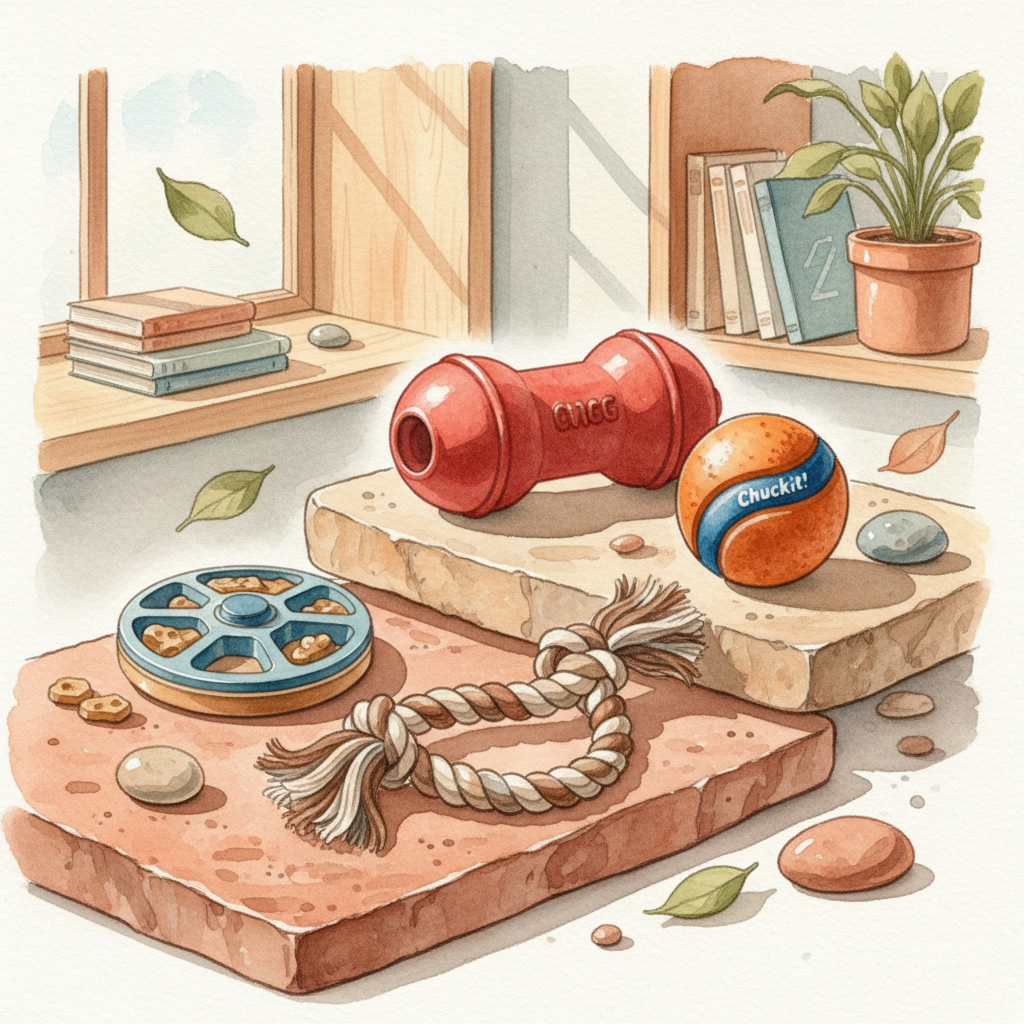
- Kong Toys: These classic toys are virtually indestructible and can be stuffed with treats or peanut butter to provide mental stimulation.
- Chuckit! Balls: Made from durable rubber, these balls are designed for fetching and are much safer than tennis balls.
- GoughNuts Toys: These heavy-duty rubber toys are designed for aggressive chewers and are virtually indestructible.
When choosing rubber toys, be sure to select the appropriate size for your dog to prevent choking. Also, regularly inspect the toys for signs of damage and replace them as needed.
Rope Toys: Good for Tug-of-War
Rope toys are another popular option for dogs, particularly those who enjoy tug-of-war. Look for toys made from natural cotton or hemp fibers. These toys are relatively soft on the teeth and can help to remove plaque and tartar.
However, it’s important to supervise your dog when playing with rope toys, as they can be easily shredded and ingested. Discard the toy if it becomes heavily frayed or if your dog starts to swallow pieces of the rope.
Soft Plush Toys: Comfort and Companionship
Soft plush toys can provide comfort and companionship for dogs, particularly those who are prone to anxiety or separation anxiety. However, these toys are not suitable for aggressive chewers, as they can be easily destroyed and the stuffing can be ingested.
Choose plush toys that are made from durable materials and that do not have any small parts that could be swallowed. Regularly inspect the toys for signs of damage and replace them as needed.
Interactive Puzzle Toys: Mental Stimulation and Enrichment
Interactive puzzle toys are a great way to provide mental stimulation and enrichment for your dog. These toys require dogs to solve puzzles or manipulate objects to access treats or food. This can help to keep them entertained and engaged, reducing boredom and anxiety.
There are many different types of interactive puzzle toys available, ranging from simple treat-dispensing balls to complex multi-step puzzles. Choose a toy that is appropriate for your dog’s age, size, and intelligence level.
Beyond the Toys: Prioritizing Your Pet’s Overall Well-being
Choosing the right toys is just one piece of the puzzle when it comes to ensuring your pet’s overall well-being. A holistic approach that encompasses diet, exercise, dental care, and regular veterinary check-ups is essential.
Diet: Fueling a Healthy Life
A balanced and nutritious diet is the foundation of good health for dogs. Choose a high-quality dog food that is appropriate for your dog’s age, breed, and activity level. Avoid foods that are high in fillers, artificial colors, and preservatives.
Consider supplementing your dog’s diet with fresh fruits and vegetables to provide additional vitamins and minerals. Always consult with your veterinarian before making any significant changes to your dog’s diet.
Exercise: Keeping Active and Engaged
Regular exercise is crucial for maintaining your dog’s physical and mental health. Provide your dog with daily opportunities to run, play, and explore. The amount of exercise your dog needs will vary depending on their breed, age, and energy level.
In addition to physical exercise, mental stimulation is also important. Provide your dog with opportunities to engage in activities such as training, puzzle-solving, and interactive play.
Dental Care: Maintaining a Healthy Smile
Good dental hygiene is essential for preventing dental problems and maintaining your dog’s overall health. Brush your dog’s teeth regularly with a dog-specific toothpaste. You can also provide your dog with dental chews or toys that help to remove plaque and tartar.
Schedule regular dental check-ups with your veterinarian to identify and address any dental problems early on.
Regular Veterinary Check-ups: Early Detection and Prevention
Regular veterinary check-ups are crucial for detecting and preventing health problems early on. Your veterinarian can perform a thorough physical examination, run diagnostic tests, and provide you with personalized recommendations for your dog’s care.
Be sure to discuss any concerns you have about your dog’s health or behavior with your veterinarian.
Making the Switch: A Gradual Transition
If your dog is a devoted tennis ball enthusiast, making the switch to a safer alternative may require a gradual transition. Here are some tips to help you make the change:
- Introduce New Toys Gradually: Don’t overwhelm your dog with a bunch of new toys all at once. Introduce one or two new toys at a time and allow your dog to explore them at their own pace.
- Make the New Toys Appealing: Stuff Kong toys with treats or peanut butter to make them more appealing. Engage in interactive play with the new toys to make them fun and exciting.
- Reduce Access to Tennis Balls: Gradually reduce your dog’s access to tennis balls. Start by limiting playtime with tennis balls to supervised sessions and then gradually eliminate them altogether.
- Be Patient and Consistent: It may take time for your dog to adjust to the new toys. Be patient and consistent with your efforts, and eventually, your dog will learn to enjoy the safer alternatives.
Remember, the goal is to provide your dog with safe and enriching playtime experiences. By choosing safer toys and prioritizing their overall well-being, you can help them live a long, healthy, and happy life.
The seemingly innocuous tennis ball, a symbol of canine joy, can pose hidden dangers to our beloved pets. By understanding these risks and making informed choices about the toys we provide, we can ensure their health, safety, and well-being. Let’s ditch the tennis ball and embrace safer, healthier alternatives that allow our furry friends to thrive. After all, their well-being is our responsibility, and a little awareness can go a long way in ensuring they live long, happy, and healthy lives by our sides.

Hi, my name is Robert Max, I live in the United States and I’m the creator of InTechNews. I started this blog with the goal of sharing reliable and practical information about pet care, helping pet owners provide a healthier and happier life for their animals. I’m passionate about animal well-being and believe that good information makes all the difference in responsible pet ownership.