
Decoding the Whispers of Your Pet’s Body Language
We often talk about the unbreakable bond we share with our pets, the unspoken connection that transcends words. But what if I told you that your furry, feathered, or scaled companion is constantly communicating with you, not just through barks, meows, or chirps, but through the subtle language of their body? Learning to interpret these silent signals is the key to understanding their needs, preventing potential health issues, and deepening that very special bond.
Think about it: your dog’s tail wags furiously when you come home, but what does a slow, deliberate wag mean? Your cat purrs contentedly on your lap, but what does it signify when that purr is accompanied by flattened ears? The answers lie in observing the nuances of their posture, facial expressions, and behaviors – a constant stream of information waiting to be deciphered.
This isn’t about becoming a pet psychic; it’s about becoming a more attentive and empathetic pet owner. It’s about recognizing that your pet’s body is a complex and sophisticated instrument, capable of expressing a wide range of emotions and physical states. By tuning into this silent dialogue, you can proactively address their needs, prevent illnesses from escalating, and foster a truly harmonious relationship built on mutual understanding.
The Importance of Observation: A Daily Detective
The first step in mastering the art of pet body language is simple: observe. Dedicate a few minutes each day to simply watching your pet. Not just during playtime or feeding time, but during moments of quiet relaxation. Notice their posture, their breathing, the way they hold their head. Are they relaxed and comfortable, or tense and alert?
Consider this: a dog who is normally playful and energetic suddenly becomes lethargic and withdrawn. This could be a sign of illness, pain, or even depression. A cat who typically enjoys being petted suddenly flinches or hisses when touched. This could indicate a sensitive area, a past injury, or even underlying anxiety. These subtle changes in behavior are often the first clues that something is amiss.
Keep a mental (or even physical) journal of your observations. Note any changes in their eating habits, sleeping patterns, or social interactions. Are they interacting less with other pets or family members? Are they exhibiting any unusual vocalizations? These seemingly small details can provide valuable insights into their overall well-being.
For example, a client of mine, Sarah, initially dismissed her cat, Whiskers’, increased hiding behavior as simply “being a cat.” However, after keeping a detailed log of Whiskers’ behavior, she noticed a clear correlation between the hiding and the sound of construction happening outside their apartment. This realization allowed her to create a safe and quiet space for Whiskers during the construction, significantly reducing his stress and anxiety.
Deciphering Common Signals: A Pet Body Language Primer
While every pet is an individual with their own unique personality and quirks, there are some common body language signals that are generally universal across species. Understanding these signals can provide a solid foundation for interpreting your pet’s behavior.
Dogs: Tails, Ears, and Posture
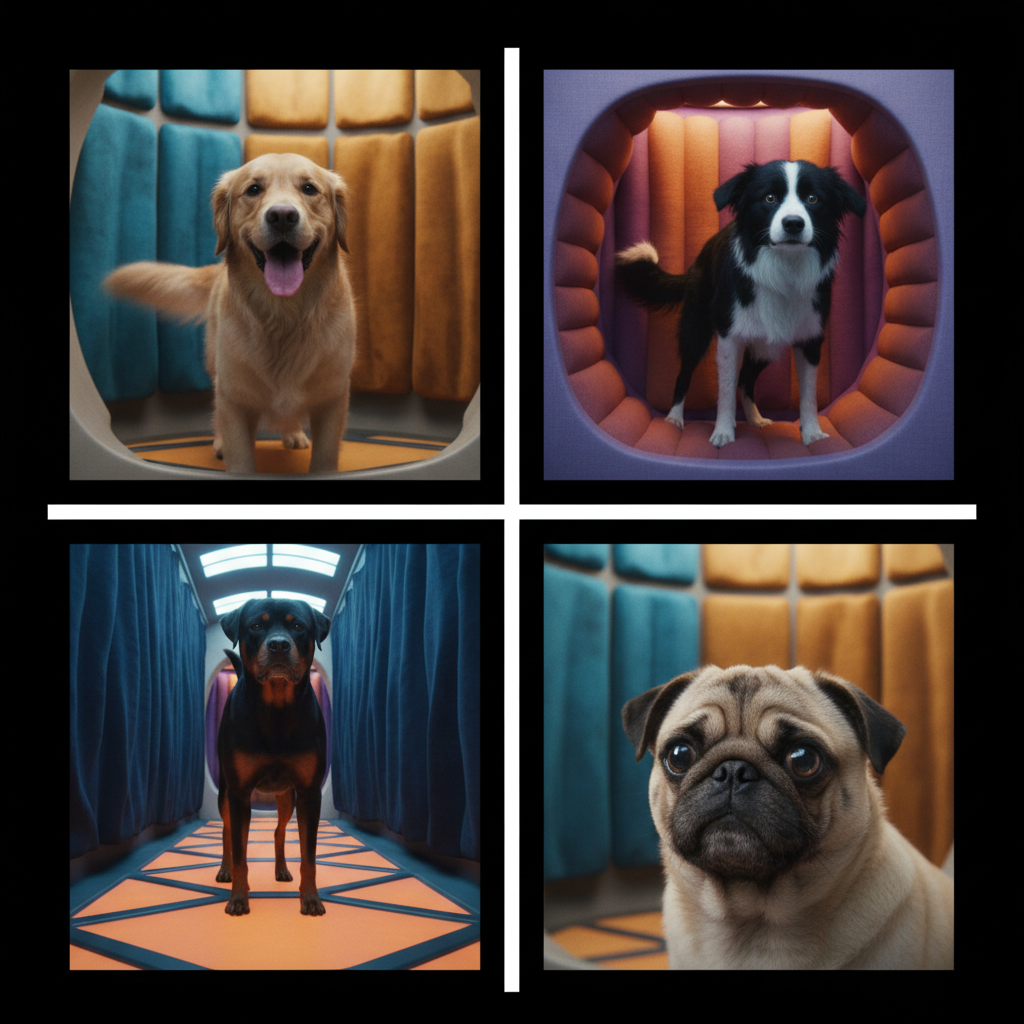
A dog’s tail is often considered a reliable indicator of their emotional state, but it’s important to look beyond just the wag. A high, rapidly wagging tail usually indicates excitement and happiness. A slow, deliberate wag can be a sign of uncertainty or hesitation. A tucked tail, pressed close to the body, signifies fear or submission. And a stiff, erect tail can be a sign of aggression or alertness.
A dog’s ears also offer valuable clues. Forward-pointing ears indicate alertness and interest. Flattened ears can signify fear, anxiety, or submission. And ears that are constantly twitching or rotating can be a sign of nervousness or discomfort.
Their overall posture is equally important. A relaxed dog will have a loose, fluid gait, with their head held high and their tail wagging freely. A tense dog will have a stiff, rigid posture, with their head lowered and their tail tucked. A dog who is feeling threatened may exhibit “whale eye,” where the whites of their eyes are visible, even when looking straight ahead.
Cats: The Language of Purrs, Tail Twitches, and Pupils
Cats are masters of subtle communication. While a purr is often associated with contentment, it can also be a sign of self-soothing or even pain. Pay attention to the context. A cat who is purring while being petted is likely happy and relaxed. A cat who is purring while hiding or exhibiting other signs of distress may be trying to comfort themselves.
A cat’s tail is also a powerful indicator of their emotional state. A tail held high with a slight curl at the tip usually indicates happiness and confidence. A twitching tail can signify excitement, irritation, or frustration. A puffed-up tail is a clear sign of fear or aggression. And a tucked tail indicates fear or submission.
A cat’s pupils can also provide valuable clues. Dilated pupils can indicate excitement, fear, or even pain. Constricted pupils usually signify relaxation or aggression. Be mindful of the lighting conditions, as pupil size can also be affected by changes in light.
One of the most overlooked feline communication signals is slow blinking. When a cat slowly blinks at you, it’s a sign of trust and affection. It’s essentially a cat kiss!
Small Animals: A World of Twitching Noses and Ear Positions
Rabbits, guinea pigs, and other small animals communicate through a combination of body language and vocalizations. A rabbit’s nose twitch is a constant indicator of their alertness. A slow, relaxed twitch indicates contentment. A rapid twitch can signify excitement, anxiety, or even fear. A rabbit who is thumping their hind leg is signaling alarm or warning to other rabbits in the area.
Guinea pigs communicate through a variety of squeaks, whistles, and chirps. A high-pitched squeak usually indicates excitement or anticipation, especially when they see food. A low, rumbling purr is a sign of contentment. And a chattering sound can indicate fear or aggression.
Pay attention to their posture as well. A relaxed rabbit will often sprawl out on their side, with their legs extended. A tense rabbit will be hunched up, with their legs tucked close to their body. A guinea pig who is “popcorning” – jumping up and down with excitement – is usually happy and playful.
Beyond the Basics: Context is King
While understanding common body language signals is a great starting point, it’s crucial to remember that context is king. The same behavior can mean different things depending on the situation and your pet’s individual personality.
For example, a dog who is yawning may be tired or bored. But a dog who is yawning repeatedly during a stressful situation, such as a vet visit, may be exhibiting a displacement behavior – a way of releasing tension and anxiety. Similarly, a cat who is kneading on your lap may be expressing contentment and affection, mimicking the behavior of a kitten nursing from its mother. But a cat who is kneading on a blanket or other object may be simply marking its territory.
Consider the environment, the time of day, and your pet’s recent activities when interpreting their body language. Are there any stressors present, such as loud noises, unfamiliar people, or other animals? Has your pet recently experienced a change in their routine or environment? These factors can all influence their behavior and body language.

Case Studies: Putting Knowledge into Practice
Let’s explore a few case studies to illustrate how understanding pet body language can make a real difference in their lives.
Case Study 1: The Anxious Beagle
A family adopted a beagle named Charlie from a local shelter. Charlie was initially very timid and withdrawn. He would often hide under furniture and avoid interacting with the family. The family was concerned that Charlie was unhappy and that they had made a mistake in adopting him.
However, after learning about dog body language, they began to notice some subtle clues. Charlie would often tuck his tail, flatten his ears, and exhibit “whale eye” when they approached him quickly or made loud noises. They realized that Charlie was likely suffering from anxiety, possibly stemming from his past experiences at the shelter.
The family made a conscious effort to create a more calm and predictable environment for Charlie. They avoided approaching him suddenly, spoke to him in a soft voice, and provided him with a safe space where he could retreat when he felt overwhelmed. They also consulted with a veterinarian who prescribed anti-anxiety medication and recommended behavior modification techniques.
Over time, Charlie began to relax and come out of his shell. He started interacting more with the family, playing with toys, and even initiating cuddles. By understanding Charlie’s body language and addressing his anxiety, the family was able to transform him from a fearful and withdrawn dog into a happy and confident companion.
Case Study 2: The Finicky Feline
A woman named Emily was concerned about her cat, Luna, who had suddenly become very picky about her food. Luna would sniff her food, take a few bites, and then walk away, leaving most of it untouched. Emily tried switching to different brands and flavors of food, but nothing seemed to work. She feared that Luna was sick and took her to the veterinarian.
The veterinarian performed a thorough examination and ruled out any medical causes for Luna’s decreased appetite. She suggested that Emily pay close attention to Luna’s behavior around her food bowl. Emily noticed that Luna would often approach the food bowl cautiously, sniffing it intently before taking a bite. She also noticed that Luna would sometimes hiss or swat at the food bowl.
Emily realized that Luna may be associating the food bowl with something negative. She remembered that she had recently cleaned the food bowl with a strong-smelling detergent. She suspected that the residual odor of the detergent was deterring Luna from eating. She switched to a scent-free detergent and also started placing Luna’s food on a clean plate instead of in the food bowl. To her relief, Luna’s appetite returned to normal.
Practical Tips for Enhancing Communication
Here are some practical tips to help you better understand your pet’s body language and enhance communication:
- Record and Review: Film short videos of your pet in different situations and review them later. This allows you to observe their body language more objectively and identify subtle cues that you may have missed in the moment.
- Learn the Breeds: Different breeds may have variations in their body language. For example, certain dog breeds are known for their stoic expressions, while others are more expressive.
- Consider Veterinary Checkups: Sudden changes in behavior can sometimes indicate underlying medical conditions. Regular veterinary checkups are essential for ensuring your pet’s overall health and well-being.
- Consult with Professionals: If you’re struggling to understand your pet’s body language or are concerned about their behavior, don’t hesitate to consult with a veterinarian, certified pet behaviorist, or experienced trainer.

The Ethical Considerations: Respecting Your Pet’s Boundaries
Understanding your pet’s body language isn’t just about fulfilling their needs; it’s also about respecting their boundaries. Just like humans, pets have the right to say “no” and to feel safe and secure in their environment.
If your pet is exhibiting signs of stress or discomfort, it’s important to back off and give them space. Don’t force them into situations that they’re not comfortable with. Learn to recognize their “stop” signals, such as flattened ears, a tucked tail, or a tense posture, and respect their wishes.
For example, if your dog is showing signs of anxiety around strangers, don’t force them to interact. Allow them to approach people at their own pace. If your cat is hissing or swatting at you when you try to pick them up, respect their boundaries and try again later, perhaps offering a treat or toy as a positive reinforcement.
Building trust and respect is essential for fostering a strong and healthy relationship with your pet. By respecting their boundaries, you’re demonstrating that you value their feelings and that you’re a safe and reliable companion.
The Rewarding Journey of Understanding
Learning to interpret your pet’s body language is an ongoing journey, not a destination. It requires patience, observation, and a willingness to learn. But the rewards are immeasurable. By tuning into the silent whispers of their body, you can deepen your bond, prevent potential health issues, and create a truly harmonious relationship built on mutual understanding and respect.
Are you ready to embark on this journey of understanding? Are you ready to become a more attentive and empathetic pet owner? Your pet is waiting to communicate with you. All you have to do is listen, observe, and learn.

So, the next time you look into your pet’s eyes, remember that there’s a whole world of communication happening beyond words. It’s a language of subtle gestures, postures, and expressions, waiting to be deciphered. By investing the time and effort to learn this language, you’ll unlock a deeper level of understanding and connection with your beloved companion, enriching both of your lives in countless ways. It’s a journey well worth taking, a testament to the unique and powerful bond we share with the animals who enrich our lives.

Hi, my name is Robert Max, I live in the United States and I’m the creator of InTechNews. I started this blog with the goal of sharing reliable and practical information about pet care, helping pet owners provide a healthier and happier life for their animals. I’m passionate about animal well-being and believe that good information makes all the difference in responsible pet ownership.