
The Unseen Threat: Why Ignoring Your Pet’s Teeth Could Be Fatal
We adore our pets. They’re family. We feed them the best food, take them for walks in the park, and shower them with affection. But amidst all the pampering, there’s a silent killer lurking in their mouths, often overlooked until it’s too late: dental disease. It’s not just about bad breath; it’s a systemic threat that can significantly shorten your beloved companion’s life. Are you unknowingly contributing to this danger?
Beyond Bad Breath: Understanding the Severity
Most pet owners dismiss bad breath as a minor inconvenience, a natural part of pet ownership. “Dog breath,” we joke. But that odor is a symptom of a much deeper problem. It’s caused by bacteria multiplying in the mouth due to plaque and tartar buildup. This isn’t just a cosmetic issue; it’s a sign of infection. The bacteria present in the mouth can enter the bloodstream and travel to vital organs, leading to serious health complications.
Imagine a constant, low-grade infection raging in your pet’s body. How long could their heart, kidneys, and liver withstand that relentless assault? Dental disease isn’t isolated to the mouth; it’s a gateway to systemic illness that can dramatically reduce your pet’s lifespan. We’re not just talking about a few years; we’re talking about potentially robbing your furry friend of valuable time with you.
The Domino Effect: How Dental Disease Impacts Overall Health
The progression of dental disease is a domino effect, starting with plaque and tartar buildup and leading to a cascade of health problems. Let’s break down the process:
1. Plaque Formation: After eating, bacteria, food particles, and saliva combine to form a sticky film called plaque on your pet’s teeth.
2. Tartar Development: If plaque isn’t removed, it hardens into tartar (calculus) within a few days. Tartar is a rough, porous substance that provides an ideal surface for more bacteria to accumulate.
3. Gingivitis: The bacteria in plaque and tartar irritate the gums, causing inflammation and redness. This is known as gingivitis, the earliest stage of periodontal disease. At this stage, the damage is still reversible with professional cleaning and good oral hygiene.
4. Periodontitis: If gingivitis is left untreated, it progresses to periodontitis. The inflammation spreads to the tissues and bone that support the teeth, leading to bone loss, gum recession, and eventually, tooth loss. This stage is irreversible.
5. Systemic Complications: As mentioned earlier, the bacteria from the mouth can enter the bloodstream, affecting the heart, kidneys, and liver. This can lead to endocarditis (inflammation of the heart valves), kidney failure, and liver disease. Studies have also linked dental disease to diabetes and respiratory problems.
The Silent Killer: Why Pets Hide Their Pain
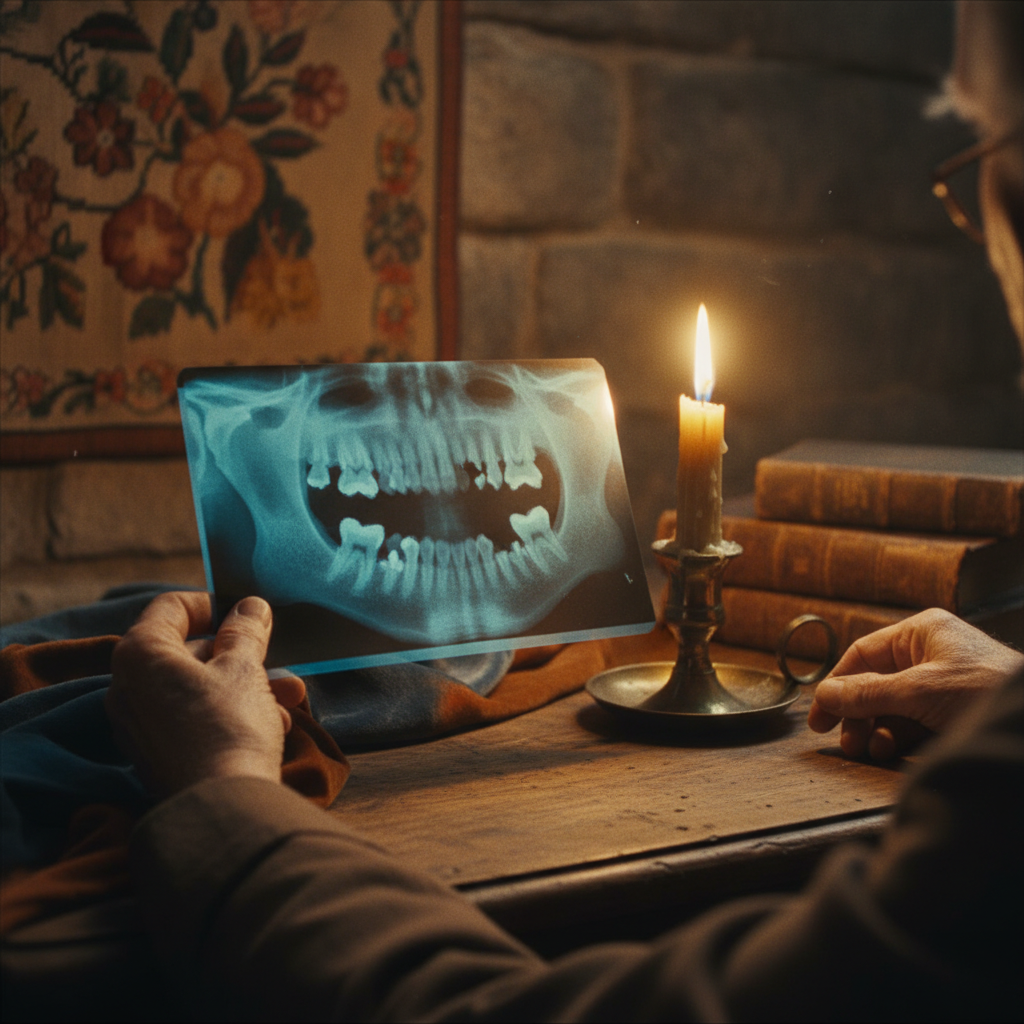
One of the most insidious aspects of dental disease is that pets are masters at hiding their pain. They won’t whine or limp like they would with a broken leg. They’ll continue to eat, play, and interact with you, masking their discomfort. This is because animals have evolved to conceal weakness, as it makes them vulnerable to predators.
By the time you notice obvious signs of dental pain, such as reluctance to eat, excessive drooling, or pawing at the mouth, the disease is often advanced. This is why regular dental checkups are crucial. Your veterinarian can detect early signs of dental disease that you might miss at home.
Think of it like this: You wouldn’t wait until you’re in excruciating pain to see a dentist. You go for regular checkups to catch problems early and prevent them from escalating. The same principle applies to your pet’s dental health.
Recognizing the Warning Signs: What to Look For
While pets are good at hiding pain, there are subtle signs that can indicate dental problems. Be vigilant and watch out for the following:
* Persistent Bad Breath: This is often the first and most obvious sign. If your pet’s breath smells noticeably foul, it’s time for a dental checkup.
* Red or Swollen Gums: Healthy gums are pink and firm. Red, swollen, or bleeding gums indicate inflammation.
* Tartar Buildup: Look for a yellowish-brown crust along the gum line.
* Loose or Missing Teeth: This is a sign of advanced periodontal disease.
* Difficulty Eating: Your pet may drop food, chew on one side of the mouth, or show reluctance to eat hard food.
* Excessive Drooling: This can be a sign of pain or discomfort in the mouth.
* Pawing at the Mouth: Your pet may rub its face or paw at its mouth in an attempt to relieve pain.
* Changes in Behavior: A normally playful pet may become withdrawn or irritable due to dental pain.
The Gold Standard: Professional Dental Cleaning Under Anesthesia
The most effective way to treat and prevent dental disease is through professional dental cleaning under anesthesia. This procedure allows your veterinarian to thoroughly examine your pet’s mouth, take X-rays to assess bone loss, and remove plaque and tartar from both above and below the gum line.
Why anesthesia? Because a thorough dental cleaning involves scaling and polishing below the gum line, which is impossible to do safely and effectively on an awake animal. Anesthesia ensures that your pet remains still and comfortable during the procedure, allowing the veterinarian to do a complete job without causing pain or trauma.
Some pet owners are hesitant about anesthesia, but the risks are minimal with modern anesthesia protocols and monitoring equipment. Your veterinarian will perform a thorough pre-anesthetic exam and bloodwork to assess your pet’s health and minimize any potential risks. The benefits of a professional dental cleaning far outweigh the risks of anesthesia, especially when it comes to preventing serious health complications.

Home Dental Care: A Crucial Component of Prevention
Professional dental cleanings are essential, but they’re not a substitute for good home dental care. Just like humans, pets benefit from regular brushing to remove plaque and prevent tartar buildup.
* Brushing Your Pet’s Teeth: The ideal is to brush your pet’s teeth daily, but even a few times a week can make a significant difference. Use a pet-specific toothbrush and toothpaste (human toothpaste contains ingredients that are toxic to pets). Introduce brushing gradually, starting with just a few teeth and gradually increasing the number as your pet gets more comfortable. Reward your pet with praise and treats after each brushing session.
* Dental Chews and Toys: Certain dental chews and toys can help to remove plaque and tartar as your pet chews. Look for products that are specifically designed for dental health and approved by the Veterinary Oral Health Council (VOHC). Avoid giving your pet hard bones or antlers, as these can damage their teeth.
* Dental Diets: Some pet food companies offer dental diets that are specifically formulated to help reduce plaque and tartar buildup. These diets typically contain larger kibble that encourages chewing and abrasive ingredients that help to clean the teeth.
Age is Not a Disease: Addressing Common Misconceptions
Many pet owners believe that dental disease is inevitable as pets age. While it’s true that dental problems become more common with age, they’re not an unavoidable consequence of aging. With proper dental care, you can significantly reduce your pet’s risk of developing dental disease and help them maintain good oral health throughout their life.
Another misconception is that dry food is sufficient for maintaining dental health. While dry food can help to scrape away some plaque, it’s not a substitute for regular brushing and professional dental cleanings. In fact, some dry foods can actually contribute to plaque buildup if they contain high levels of carbohydrates.
Don’t assume that your pet is immune to dental disease just because they seem healthy. Regular dental checkups are essential for detecting early signs of problems and preventing them from escalating.
The Financial Factor: Weighing the Costs of Prevention vs. Treatment
Some pet owners are hesitant to invest in dental care due to the cost. However, it’s important to consider the long-term financial implications of neglecting your pet’s dental health. The cost of treating advanced periodontal disease, including tooth extractions, antibiotics, and pain medication, can be significantly higher than the cost of preventive dental care.
Moreover, the systemic complications of dental disease, such as heart disease and kidney failure, can require ongoing treatment and medication, adding to the financial burden. By investing in regular dental cleanings and home dental care, you can save money in the long run and improve your pet’s quality of life.
Think of it as an investment in your pet’s overall health and well-being. You’re not just paying for a dental cleaning; you’re paying for a healthier, happier, and longer life for your beloved companion.
Case Studies: Real-Life Examples of the Impact of Dental Care
Let’s look at a couple of real-life examples to illustrate the impact of dental care on pets’ lives:
* Case Study 1: Bella, the Beagle: Bella, a 7-year-old beagle, was brought to the veterinarian because her owner noticed she was reluctant to eat and had very bad breath. A dental exam revealed severe tartar buildup, gingivitis, and several loose teeth. Bella underwent a professional dental cleaning under anesthesia, which included multiple tooth extractions. After the procedure, Bella’s appetite improved dramatically, and she became much more energetic and playful. Her owner was amazed at the difference in her overall well-being.
* Case Study 2: Max, the Maine Coon: Max, a 10-year-old Maine Coon cat, had been receiving regular dental cleanings since he was a kitten. His owner was diligent about brushing his teeth at home and providing him with dental chews. As a result, Max had minimal tartar buildup and healthy gums. He never experienced any significant dental problems and lived a long and healthy life.
These case studies highlight the importance of both professional dental care and home dental care in maintaining pets’ oral health and overall well-being.
Taking Action: Steps You Can Take Today
The good news is that you can take proactive steps to protect your pet from the dangers of dental disease. Here’s what you can do:
1. Schedule a Dental Checkup: If you haven’t already, schedule a dental checkup for your pet with your veterinarian. This will allow them to assess your pet’s oral health and recommend the appropriate course of action.
2. Start a Home Dental Care Routine: Begin brushing your pet’s teeth regularly and providing them with dental chews and toys.
3. Feed a Dental Diet: Consider switching to a dental diet that is specifically formulated to help reduce plaque and tartar buildup.
4. Be Vigilant: Watch out for the warning signs of dental disease, such as bad breath, red gums, and difficulty eating.
5. Educate Yourself: Learn more about dental disease and how to prevent it. The more you know, the better equipped you’ll be to protect your pet’s health.
The Ultimate Gift: A Longer, Healthier Life for Your Pet
Ignoring your pet’s dental health is a silent mistake that can have devastating consequences. Dental disease isn’t just about bad breath; it’s a systemic threat that can shorten your beloved companion’s life. By taking proactive steps to protect your pet’s oral health, you can give them the ultimate gift: a longer, healthier, and happier life.
Don’t let your pet become a statistic. Take action today to prevent dental disease and ensure that they live a long and fulfilling life by your side. It’s more than just a clean mouth; it’s about a healthier heart, stronger kidneys, and a brighter future for your furry friend. Are you ready to make that commitment?

In the end, the decision rests with you. Will you continue to overlook the silent threat lurking in your pet’s mouth, or will you take action to protect their health and well-being? The choice is clear: prioritizing your pet’s dental care is an act of love that will pay dividends for years to come.

Hi, my name is Robert Max, I live in the United States and I’m the creator of InTechNews. I started this blog with the goal of sharing reliable and practical information about pet care, helping pet owners provide a healthier and happier life for their animals. I’m passionate about animal well-being and believe that good information makes all the difference in responsible pet ownership.