
The Silent Scream: When Bad Behavior Speaks Volumes
We often label it “bad behavior.” The incessant barking, the destructive chewing, the sudden aggression – these actions, seemingly out of nowhere, leave us frustrated, sometimes even heartbroken. But what if these behaviors aren’t random acts of defiance? What if they’re a desperate, albeit misguided, attempt at communication? What if, behind every chewed shoe and every growl, lies a silent scream for understanding?
Consider this: Your dog, a creature of habit and routine, suddenly starts having accidents inside the house, despite being perfectly house-trained. Your initial reaction might be annoyance, perhaps even anger. But before you scold, pause and consider the potential reasons. Has there been a change in their diet? A new pet in the household? A stressful event like fireworks or a thunderstorm? Often, these “bad” behaviors are physiological responses to underlying anxiety or discomfort, a way for your pet to signal that something is amiss. They can’t use words, so they use the language they know best: their actions.
Decoding the Distress Signals
Understanding that bad behavior is often a symptom, not the problem itself, is the crucial first step. It requires us to shift our perspective from seeing our pets as intentionally disobedient to viewing them as individuals struggling to express their needs. This shift demands patience, empathy, and a willingness to become detectives, piecing together the clues they’re leaving us.
Take, for instance, the case of a cat named Luna, who began scratching furniture despite having a perfectly good scratching post. Her owners, initially frustrated, consulted with a veterinary behaviorist. It turned out that a new stray cat had started lurking outside their window, causing Luna immense territorial anxiety. The scratching was her way of marking her territory and attempting to assert dominance, a desperate attempt to alleviate her stress. Once the owners addressed the stray cat situation, Luna’s scratching behavior gradually subsided. This exemplifies how a behavior that appears problematic on the surface can stem from a deeper, unmet need or unresolved fear.

The Communication Breakdown: Where Do We Go Wrong?
So, where does this communication breakdown typically occur? Why do we often misinterpret our pets’ signals and resort to punishment instead of understanding?
One common pitfall is anthropomorphism – projecting human emotions and motivations onto our pets. We assume they understand concepts like “revenge” or “spite,” leading us to believe they’re deliberately misbehaving to upset us. In reality, animals operate on instinct and association. They respond to immediate stimuli and learn through consistent reinforcement, both positive and negative.
Another challenge lies in our inability to read their body language accurately. A dog’s yawn, for example, isn’t always a sign of boredom. It can also indicate stress or anxiety. Similarly, a cat’s slow blink isn’t just a sign of relaxation; it’s also a form of social bonding and trust. Misinterpreting these subtle cues can lead to misunderstandings and missed opportunities to address underlying issues.
Furthermore, inconsistent training and unclear expectations can contribute significantly to behavioral problems. Imagine teaching your dog to sit, but sometimes you reward them for a sloppy sit, and other times you don’t reward them at all. This inconsistency creates confusion and undermines their ability to learn what you expect of them. Clear, consistent communication is paramount in establishing a strong bond and preventing behavioral issues from arising in the first place.
The Power of Positive Reinforcement
The most effective way to bridge the communication gap is through positive reinforcement. This involves rewarding desired behaviors with treats, praise, or toys, encouraging your pet to repeat those actions. Positive reinforcement focuses on building a positive association with obedience, rather than relying on punishment, which can create fear and anxiety.
For example, if your dog is prone to excessive barking, you can use positive reinforcement to teach them a “quiet” command. When they’re barking, say “quiet” and immediately reward them with a treat when they stop. With consistent practice, they’ll learn to associate the word “quiet” with the reward and will be more likely to comply when asked. This approach not only addresses the barking issue but also strengthens your bond with your dog by fostering a positive learning environment.
Consider the case of a rescue dog named Shadow, who had a history of aggression towards strangers. His new owner, instead of resorting to punishment, used positive reinforcement to gradually desensitize him to human interaction. She started by rewarding him for simply being in the presence of strangers, gradually increasing the level of interaction as he became more comfortable. Over time, Shadow learned to associate strangers with positive experiences, and his aggressive behavior significantly diminished. This demonstrates the transformative power of positive reinforcement in reshaping even deeply ingrained behavioral patterns.
Environmental Enrichment: Addressing the Root Causes
Sometimes, bad behavior stems from a lack of environmental enrichment. Boredom, loneliness, and pent-up energy can manifest in destructive behaviors like chewing, digging, and excessive vocalization. Ensuring your pet has adequate mental and physical stimulation is crucial for their well-being and can prevent many behavioral problems.
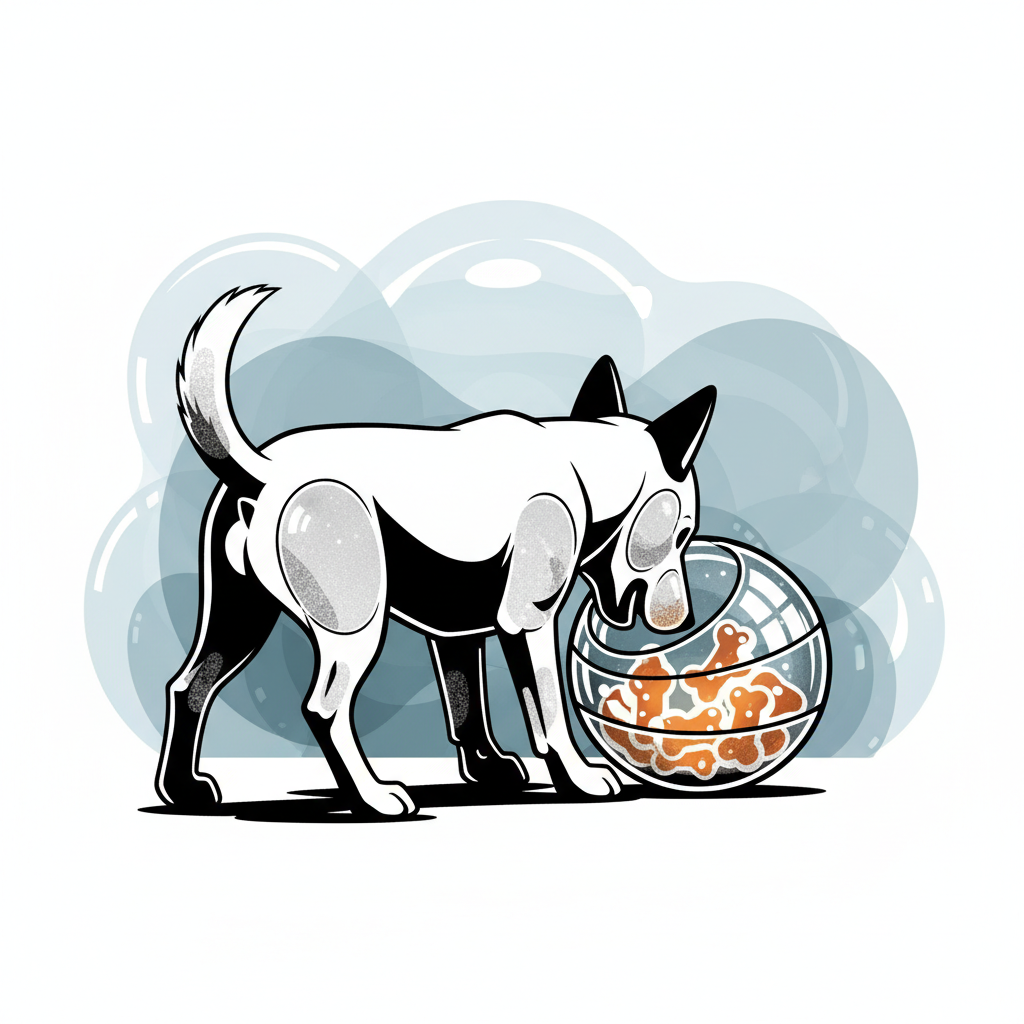
For dogs, this might involve daily walks, puzzle toys, interactive games like fetch or tug-of-war, and opportunities for socialization with other dogs. For cats, it could include scratching posts, climbing structures, interactive toys, and window perches where they can observe the outside world. Providing these outlets for their natural instincts can significantly reduce the likelihood of destructive behaviors.
Imagine a cat confined to a small apartment with no access to the outdoors and no opportunities for play. This cat is likely to become bored and frustrated, leading to behaviors like scratching furniture, excessive meowing, and even aggression towards their owner. By providing the cat with a stimulating environment, such as a tall cat tree, interactive toys, and regular play sessions, the owner can alleviate the cat’s boredom and prevent these behavioral problems from developing.
The Importance of Routine and Consistency
Animals thrive on routine and predictability. Establishing a consistent daily schedule for feeding, walks, playtime, and rest can provide a sense of security and reduce anxiety. When your pet knows what to expect, they’re less likely to feel stressed and exhibit behavioral problems. Inconsistency, on the other hand, can create confusion and undermine their ability to learn and adapt.
For example, if you feed your dog at different times each day, they may become anxious and start begging for food constantly. By establishing a consistent feeding schedule, you can help them regulate their appetite and reduce their anxiety around mealtimes. Similarly, if you sometimes allow your dog to sleep in your bed and other times you don’t, they may become confused and start whining or scratching at your bedroom door. Consistency in your rules and expectations will help your pet understand what is expected of them and reduce the likelihood of behavioral problems.
Consider the case of a family who adopted a puppy with separation anxiety. The puppy would bark incessantly and destroy furniture whenever they left the house. To address this, the family established a consistent routine of leaving the puppy alone for short periods, gradually increasing the duration over time. They also provided the puppy with a safe and comfortable space, such as a crate, and filled it with toys and treats. By consistently following this routine, the puppy gradually learned to tolerate being alone, and the separation anxiety diminished.
Seeking Professional Guidance
While many behavioral problems can be addressed with patience, understanding, and consistent training, some cases require professional intervention. If you’re struggling to manage your pet’s behavior, don’t hesitate to consult with a veterinarian or a certified professional dog trainer or veterinary behaviorist. These professionals can help you identify the underlying causes of the behavior and develop a tailored treatment plan.
A veterinarian can rule out any underlying medical conditions that may be contributing to the behavior. A certified professional dog trainer can help you develop a training plan that utilizes positive reinforcement techniques to address the specific behavioral issues. A veterinary behaviorist is a veterinarian who specializes in animal behavior and can provide a comprehensive assessment and treatment plan for complex behavioral problems.
For instance, if your dog is exhibiting signs of aggression, it’s crucial to rule out any medical conditions that may be causing pain or discomfort. A veterinarian can perform a physical examination and run diagnostic tests to identify any underlying medical issues. If the aggression is not related to a medical condition, a veterinary behaviorist can help you develop a behavior modification plan that addresses the underlying causes of the aggression and teaches your dog alternative coping mechanisms.

Case Study: The Anxious German Shepherd
Let’s examine a more detailed case study to illustrate these principles. A German Shepherd named Kaiser, known for his usually calm temperament, began exhibiting excessive barking and destructive chewing when left alone. His owners, initially perplexed, tried various methods of punishment, which only exacerbated the problem. They then consulted a veterinary behaviorist who identified that Kaiser was suffering from separation anxiety triggered by a change in the owner’s work schedule.
The behaviorist recommended a multi-pronged approach. First, they ruled out any underlying medical conditions. Second, they implemented a gradual desensitization program, starting with very short periods of separation and gradually increasing the duration. Third, they enriched Kaiser’s environment with puzzle toys and interactive games to keep him mentally stimulated. Fourth, they used calming pheromone diffusers to reduce his anxiety levels. Finally, they incorporated positive reinforcement techniques, rewarding Kaiser for calm and relaxed behavior when left alone.
Over several weeks, Kaiser’s anxiety gradually decreased, and his destructive behaviors subsided. The owners learned to recognize the early signs of his anxiety and proactively address them. By understanding the root cause of his behavior and implementing a comprehensive treatment plan, they were able to restore Kaiser’s well-being and strengthen their bond.
Building a Deeper Connection: The Key to Understanding
Ultimately, addressing bad behavior in pets is about building a deeper connection based on understanding, empathy, and clear communication. It requires us to move beyond simply reacting to the symptoms and instead focus on identifying and addressing the underlying causes. By becoming attentive observers of our pets’ body language, providing them with a stimulating environment, and using positive reinforcement techniques, we can create a harmonious relationship built on trust and mutual respect.
It’s a journey of continuous learning and adaptation, but the rewards are immeasurable. Not only will you alleviate your pet’s distress and prevent behavioral problems from arising, but you’ll also deepen your bond and create a more fulfilling relationship. Remember, bad behavior is often a silent scream for understanding. Are you listening?

So, the next time your beloved companion exhibits a behavior that frustrates you, resist the urge to react with anger or punishment. Instead, take a deep breath, put on your detective hat, and ask yourself: What is my pet trying to tell me? The answer, though sometimes hidden, is always there, waiting to be discovered. By unlocking the secrets of their silent language, you can transform “bad behavior” into an opportunity for deeper connection and a more harmonious life together.

Hi, my name is Robert Max, I live in the United States and I’m the creator of InTechNews. I started this blog with the goal of sharing reliable and practical information about pet care, helping pet owners provide a healthier and happier life for their animals. I’m passionate about animal well-being and believe that good information makes all the difference in responsible pet ownership.