
The Unseen Anxieties of Our Furry Friends
We often think of our pets as these eternally happy, carefree creatures, bouncing through life with unbridled joy. We shower them with toys, treats, and affection, assuming that we’re meeting all their needs. But what if, despite our best intentions, we’re inadvertently making them feel insecure? What if the very things we think are showing our love are actually causing them distress?
It’s a sobering thought, isn’t it? To realize that our actions, born from love and care, could be contributing to our beloved companion’s anxiety. Understanding the subtle cues of insecurity in pets is crucial for building a stronger, more trusting bond. It requires us to step back, observe, and truly empathize with their perspective.
Are We Truly Listening to Our Pets?
We often communicate with our pets through commands and physical affection, but are we truly listening to what they’re trying to tell us? Do we recognize the subtle shifts in their behavior that might indicate underlying anxiety? A tucked tail, excessive panting, or even a sudden loss of appetite can all be signs that your pet is feeling insecure.
Consider, for instance, a scenario where you’re constantly rushing your dog during walks. You’re on a tight schedule, pulling them along, barely allowing them to sniff and explore. While you might see it as simply efficient, your dog might perceive it as a lack of control and an inability to engage with their environment, leading to anxiety and insecurity. They are missing vital sensory input, a crucial part of their mental well-being.
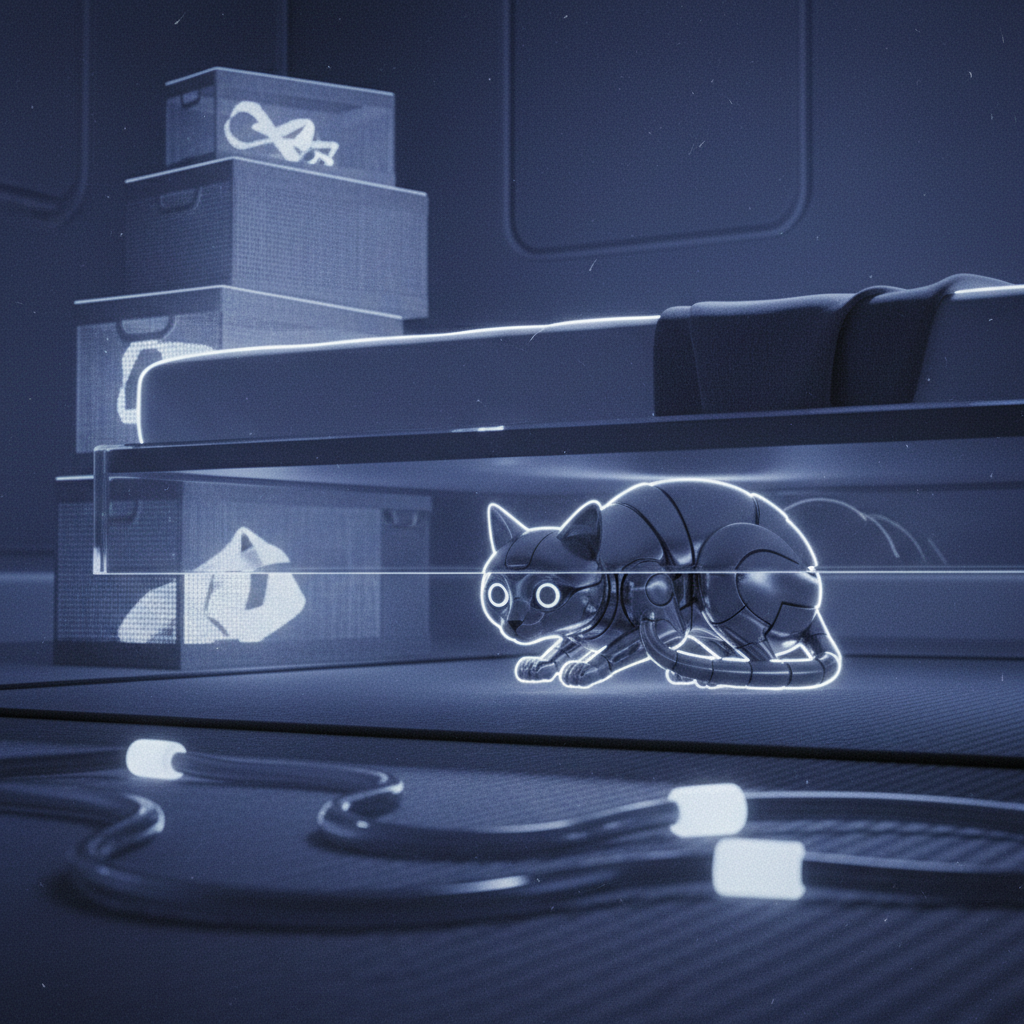
Or perhaps you frequently rearrange your furniture or change your pet’s designated sleeping spot. While these changes might seem minor to you, they can disrupt your pet’s sense of security and predictability. Animals thrive on routine, and sudden alterations can trigger feelings of unease and insecurity. Imagine your home, the place you feel safest, constantly changing without your input. How would that make you feel?
Common Triggers of Insecurity in Pets
Understanding the potential triggers of insecurity is the first step toward creating a more secure and comfortable environment for your pet. These triggers can range from environmental factors to changes in routine to even our own emotional states.
Environmental Changes and Disruptions
As mentioned before, changes in the environment can be a significant source of anxiety for pets. Moving to a new home, redecorating, or even just rearranging furniture can disrupt their established sense of territory and security. The introduction of new smells, sounds, and sights can be overwhelming, leading to feelings of unease.
Think about it from their perspective. They rely heavily on their senses to understand and navigate their world. When their familiar environment is altered, it can feel like the rug has been pulled out from under them. They need time to adjust and re-establish their sense of security.
Changes in Routine and Schedule
Pets are creatures of habit. They thrive on routine and predictability. Sudden changes in their feeding schedule, walk times, or even the amount of attention they receive can trigger anxiety and insecurity. Consider a dog who is accustomed to a daily walk at 5 pm. If that walk suddenly becomes inconsistent or disappears altogether, the dog may experience anxiety due to the disruption of their routine.
These routines provide a sense of control and predictability in their lives. When those routines are disrupted, they can feel lost and insecure, unsure of what to expect next. Try to maintain a consistent schedule as much as possible, even during busy periods, to help your pet feel more secure.
Our Own Emotional States
Pets are incredibly perceptive and attuned to our emotions. They can sense when we’re stressed, anxious, or upset, and our emotional state can directly impact their own well-being. If you’re constantly stressed or anxious, your pet may pick up on that energy and become anxious themselves.
Think about a time when you were feeling particularly stressed or overwhelmed. Did you notice your pet acting differently? Perhaps they were more clingy than usual, or perhaps they retreated and hid away. Our pets are like emotional sponges, absorbing the energy around them. It’s important to be mindful of our own emotional state and how it might be affecting our furry companions.
Lack of Socialization
Proper socialization is crucial for developing a well-adjusted and confident pet. Lack of exposure to different people, animals, and environments during their formative years can lead to fearfulness and insecurity later in life. A dog who hasn’t been properly socialized may be fearful of strangers, other dogs, or even everyday objects like cars or vacuum cleaners.
Socialization isn’t just about exposing your pet to new things; it’s about creating positive and safe experiences. The goal is to help them learn to navigate the world with confidence and ease. Early socialization is key, but even older pets can benefit from gradual and positive exposure to new experiences.

Recognizing the Signs of Insecurity
Identifying the signs of insecurity in your pet is crucial for addressing the underlying issues and providing the support they need. These signs can manifest in a variety of ways, both behavioral and physical.
Behavioral Signs
Behavioral signs of insecurity can include excessive barking, chewing, digging, or scratching. These behaviors are often a way for pets to release pent-up anxiety and stress. They may also exhibit clingy behavior, constantly following you around or seeking your attention. On the other hand, some pets may become withdrawn and avoid social interaction altogether.
Pay close attention to any changes in your pet’s behavior. Are they suddenly more aggressive or fearful than usual? Are they exhibiting repetitive behaviors that seem out of character? These could be signs that your pet is feeling insecure and needs your help.
Physical Signs
Physical signs of insecurity can include excessive panting, drooling, trembling, or changes in appetite. Some pets may also experience digestive issues, such as diarrhea or vomiting, when they’re feeling anxious. Skin problems, such as excessive licking or scratching, can also be a sign of underlying stress.
If you notice any of these physical symptoms, it’s important to consult with your veterinarian to rule out any underlying medical conditions. However, if your vet determines that the symptoms are likely related to anxiety or stress, you can then focus on addressing the emotional needs of your pet.
Subtle Cues We Often Miss
Sometimes, the signs of insecurity are subtle and easily overlooked. A slight tucking of the tail, a widening of the eyes, or a subtle shift in body posture can all be indicators of anxiety. It’s important to be observant and pay attention to the nuances of your pet’s behavior.
For example, a dog might yawn excessively when they’re feeling stressed or anxious. This isn’t necessarily a sign of tiredness; it’s often a displacement behavior, a way for them to release tension. Similarly, a cat might groom themselves excessively when they’re feeling insecure. These seemingly normal behaviors can actually be signals of underlying anxiety.
Building a Secure and Loving Environment
Creating a secure and loving environment is essential for helping your pet overcome their insecurities and thrive. This involves understanding their needs, providing consistent care, and fostering a strong bond of trust.
Establishing a Consistent Routine
As mentioned earlier, pets thrive on routine and predictability. Establishing a consistent daily routine can help your pet feel more secure and in control. This includes regular feeding times, walk times, playtime, and bedtime. Consistency helps them anticipate what’s coming next and reduces feelings of uncertainty.
Try to stick to your routine as much as possible, even during busy periods or when traveling. If you know that your routine will be disrupted, try to prepare your pet in advance by gradually adjusting their schedule. This can help minimize their anxiety and make the transition smoother.
Providing a Safe and Comfortable Space
Every pet needs a safe and comfortable space where they can retreat and feel secure. This could be a crate, a bed, or even just a quiet corner of the room. Make sure their safe space is comfortable, clean, and free from distractions. Never use their safe space as a punishment, as this will undermine their sense of security.
Think of it as their personal sanctuary, a place where they can go to de-stress and recharge. Allow them to access their safe space whenever they feel overwhelmed or anxious. This will give them a sense of control and help them manage their emotions.
Positive Reinforcement Training
Positive reinforcement training is a powerful tool for building confidence and reducing anxiety in pets. By rewarding desired behaviors with treats, praise, or toys, you can help your pet learn to associate those behaviors with positive experiences. This can help them feel more secure and in control of their environment.
Avoid using punishment or harsh correction methods, as these can actually increase anxiety and fearfulness. Focus on rewarding good behavior and ignoring unwanted behavior. With patience and consistency, you can help your pet develop a positive and confident outlook.
Enrichment and Mental Stimulation
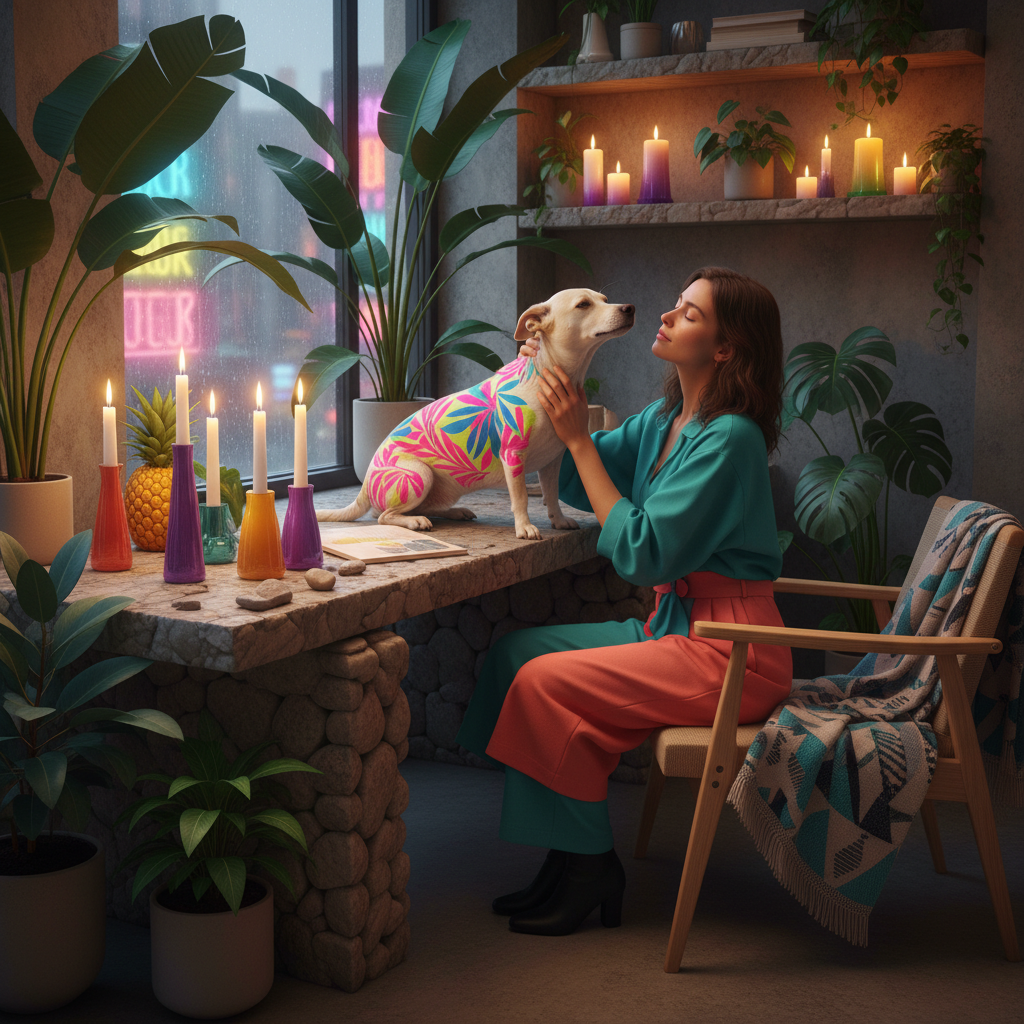
Providing plenty of enrichment and mental stimulation is crucial for preventing boredom and reducing anxiety in pets. This can include puzzle toys, interactive games, and opportunities for exploration. A bored pet is more likely to develop behavioral problems and experience anxiety.
Consider a cat who is kept indoors with no access to the outside world. They might become bored and frustrated, leading to destructive behaviors like scratching furniture or excessive meowing. Providing them with scratching posts, climbing structures, and interactive toys can help them release their energy and reduce their anxiety.
Quality Time and Affection
Spending quality time with your pet and showering them with affection is essential for building a strong bond and fostering a sense of security. This could involve cuddling, playing, going for walks, or simply spending time in the same room. The key is to be present and engaged with your pet.
Make sure you’re giving your pet your undivided attention during these interactions. Put away your phone, turn off the TV, and focus on connecting with your furry friend. This will help them feel loved, valued, and secure.
When to Seek Professional Help
While many cases of insecurity in pets can be addressed with the strategies outlined above, some situations may require professional help. If your pet’s anxiety is severe, persistent, or interfering with their quality of life, it’s important to consult with a veterinarian or a certified animal behaviorist.
Veterinary Consultation
Your veterinarian can rule out any underlying medical conditions that may be contributing to your pet’s anxiety. They can also provide guidance on appropriate treatment options, such as medication or supplements, to help manage their symptoms.
Don’t hesitate to discuss your concerns with your vet. They are a valuable resource and can provide expert advice on how to best support your pet’s well-being.
Certified Animal Behaviorist
A certified animal behaviorist can help you identify the underlying causes of your pet’s anxiety and develop a customized treatment plan. They can also provide guidance on behavior modification techniques and help you implement them effectively.
Animal behaviorists are trained to understand the complex interplay between behavior, genetics, and environment. They can help you unravel the root causes of your pet’s anxiety and develop a strategy for addressing them.

The Lasting Impact of a Secure Pet
Creating a secure and loving environment for your pet is not just about addressing their immediate anxieties; it’s about building a stronger, more trusting bond that will last a lifetime. A secure pet is a happier pet, and a happier pet makes for a happier home.
By understanding the subtle cues of insecurity, addressing potential triggers, and providing consistent care and affection, you can help your pet thrive and reach their full potential. The rewards of a secure and loving relationship are immeasurable, enriching both your life and the life of your beloved companion. It’s a journey of understanding, empathy, and unwavering commitment, ultimately leading to a deeper connection and a more fulfilling companionship. It’s about truly seeing your pet, not just as an animal, but as a sentient being with emotions and needs that deserve our utmost attention and care. The bond we share with our pets is a powerful force, capable of bringing immense joy and comfort to our lives, and nurturing their sense of security is the greatest gift we can give them.

Hi, my name is Robert Max, I live in the United States and I’m the creator of InTechNews. I started this blog with the goal of sharing reliable and practical information about pet care, helping pet owners provide a healthier and happier life for their animals. I’m passionate about animal well-being and believe that good information makes all the difference in responsible pet ownership.