
The Subtle Signals: How Unintentional Reinforcement Shapes Your Dog’s Behavior
We often think of dog training as a series of deliberate commands, treats, and corrections. We meticulously plan our training sessions, armed with clickers, high-value rewards, and a wealth of information from books and online resources. However, much of our dog’s behavior is shaped by something far more subtle and pervasive: the behavior we reinforce without even noticing. These unintentional reinforcements, often delivered unconsciously, can have a profound impact on our dog’s overall demeanor and can either exacerbate problem behaviors or unknowingly extinguish desirable ones.
Think about it: how many times have you absentmindedly patted your dog on the head while they were barking at the mailman, inadvertently reinforcing the very behavior you were trying to discourage? Or perhaps you’ve given in to those insistent puppy-dog eyes at the dinner table, unknowingly teaching your furry friend that begging is a viable strategy for scoring scraps. These seemingly innocuous actions, repeated over time, can create deeply ingrained habits that are difficult to break. Understanding the power of unintentional reinforcement is crucial for building a harmonious relationship with your canine companion and achieving your training goals.
The Psychology Behind Reinforcement: A Quick Primer
At its core, reinforcement is a fundamental principle of learning theory. It states that behaviors that are followed by a rewarding consequence are more likely to be repeated in the future. This applies to all living creatures, including our beloved dogs. Positive reinforcement involves adding something desirable to the environment after a behavior occurs, such as a treat, praise, or a scratch behind the ears. Negative reinforcement, on the other hand, involves removing something unpleasant from the environment after a behavior occurs, such as stopping nagging when your dog finally sits. Both types of reinforcement increase the likelihood of a behavior being repeated.
It’s important to note that “rewarding” is subjective and depends entirely on what your dog finds motivating. A treat might be highly rewarding for one dog, while another might prefer a game of fetch or a belly rub. Understanding your dog’s individual preferences is key to using reinforcement effectively. Furthermore, the timing of reinforcement is crucial. The reward should be delivered immediately after the desired behavior occurs, so your dog can make the connection between their action and the positive consequence. Delayed reinforcement is less effective and can even lead to confusion.
But here’s the catch: reinforcement doesn’t always have to be deliberate or planned. It can happen accidentally, without us even realizing it. This is where unintentional reinforcement comes into play, and it can be a powerful force shaping your dog’s behavior, for better or for worse.
Common Examples of Unintentional Reinforcement: A Case Study in Canine Mischief
To truly grasp the concept of unintentional reinforcement, let’s delve into some common scenarios that play out in households across the globe. These examples will illustrate how seemingly harmless actions can inadvertently shape your dog’s behavior in unexpected ways.
The Barking Bandit: Reinforcing Excessive Vocalization
Imagine this: your dog starts barking incessantly at a squirrel outside the window. Annoyed, you yell, “Quiet!” or “Stop barking!” While your intention is to silence your furry friend, you might inadvertently be reinforcing the very behavior you’re trying to eliminate. Why? Because your attention, even in the form of scolding, is a form of reinforcement. To your dog, any attention is better than no attention, especially if they are feeling bored or anxious. By responding to their barking, you’re essentially rewarding them with your presence and engagement, making them more likely to bark again in the future.
The Fix: The key here is to avoid reacting to the barking altogether. Ignore the behavior completely, even if it’s ear-splittingly loud. Once your dog stops barking, even for a brief moment, immediately reward them with praise and a treat. This teaches them that quiet behavior is what earns them your attention and positive reinforcement. You can also train a “quiet” command, using positive reinforcement to reward them for obeying. Additionally, consider addressing the underlying cause of the barking. Is your dog bored? Anxious? Providing them with more exercise, mental stimulation, and a safe, comfortable environment can help reduce the urge to bark in the first place.
The Begging Beagle: Rewarding Pleading Eyes at the Dinner Table
We’ve all been there: sitting down to a delicious meal, only to be met with the pleading gaze of our canine companion, who seems to be silently begging for a morsel of food. It’s hard to resist those puppy-dog eyes, and many of us cave in, tossing a small piece of food to our furry friend. While this might seem like a harmless act of kindness, it’s actually a textbook example of unintentional reinforcement. By giving your dog food from the table, you’re teaching them that begging is an effective way to get what they want. This can lead to persistent begging behavior that becomes increasingly difficult to extinguish.
The Fix: The most effective solution is to never, ever give your dog food from the table. Be consistent and unwavering in your refusal, no matter how tempting it may be. Instead, redirect your dog’s attention to a designated “dog zone,” such as their bed or a mat, and reward them for staying there quietly while you eat. You can also provide them with a long-lasting chew toy or a puzzle feeder to keep them occupied and prevent them from focusing on your meal. Consistency is key: everyone in the household must be on board with the no-table-food rule for it to be effective.
The Jumping Jack: Reinforcing Exuberant Greetings
Many dogs greet their owners with enthusiastic jumps, expressing their excitement and affection. While this might seem endearing at first, it can quickly become problematic, especially for young children or elderly individuals. When you respond to your dog’s jumping with attention, petting, or even a verbal reprimand, you’re inadvertently reinforcing the behavior. Your dog is simply seeking your attention, and any form of interaction, positive or negative, will reinforce the jumping behavior.

The Fix: The key to addressing jumping is to ignore the behavior completely. Turn your back to your dog, cross your arms, and avoid eye contact. Do not speak to them or touch them in any way. Only when your dog has all four paws on the ground should you offer them attention, praise, and petting. This teaches them that staying on the ground is what earns them your affection. Consistency is crucial: every time your dog jumps, you must ignore them until they stop. This can be challenging at first, as your dog may jump even more intensely to get your attention. However, with persistence, they will eventually learn that jumping does not result in the desired outcome.
The Power of Extinction: Breaking the Cycle of Unintentional Reinforcement
Just as reinforcement increases the likelihood of a behavior being repeated, extinction decreases the likelihood of a behavior being repeated. Extinction occurs when a previously reinforced behavior is no longer followed by a rewarding consequence. In the context of unintentional reinforcement, extinction involves removing the unintentional rewards that are maintaining the unwanted behavior.
For example, if you’ve been inadvertently reinforcing your dog’s barking by yelling at them, extinction would involve completely ignoring the barking. At first, your dog may bark even more intensely, as they try to elicit the response they’re accustomed to. This is known as an extinction burst, and it’s a normal part of the extinction process. It’s important to remain consistent and not give in to the barking, even during the extinction burst. Eventually, your dog will learn that barking no longer results in your attention, and the behavior will gradually decrease in frequency and intensity.
Extinction can be a powerful tool for breaking the cycle of unintentional reinforcement, but it requires patience, consistency, and a thorough understanding of your dog’s behavior and motivations. It’s also important to ensure that the unwanted behavior is not being reinforced by other sources, such as other family members or environmental factors.
The Importance of Consistency: A Unified Front
One of the biggest challenges in addressing unintentional reinforcement is ensuring consistency across all members of the household. If one person consistently ignores the dog’s begging behavior while another person occasionally gives in, the begging behavior will persist. Dogs are masters of identifying the weakest link in the chain, and they will quickly learn which individuals are most likely to reward their unwanted behavior.
To effectively address unintentional reinforcement, it’s crucial to have a unified front. Everyone in the household must be on board with the training plan and consistently apply the same rules and consequences. This requires open communication, clear expectations, and a willingness to work together to achieve common goals. It’s also helpful to educate visitors and guests about your dog’s training plan and ask them to refrain from reinforcing unwanted behaviors.
Beyond the Basics: Proactive Strategies for Preventing Unintentional Reinforcement
While understanding and addressing unintentional reinforcement is crucial, it’s even better to proactively prevent it from happening in the first place. By implementing certain strategies and being mindful of your interactions with your dog, you can minimize the risk of inadvertently reinforcing unwanted behaviors.
The Power of Antecedent Arrangement: Setting Your Dog Up for Success
Antecedent arrangement involves modifying the environment to make it less likely that unwanted behaviors will occur in the first place. For example, if your dog tends to bark at passersby outside the window, you can prevent this by closing the curtains or moving the dog’s bed to a different room. If your dog tends to steal food from the kitchen counter, you can prevent this by keeping the counters clear of food and using baby gates to restrict access to the kitchen when you’re not present.
By strategically arranging the environment, you can reduce the opportunities for your dog to engage in unwanted behaviors and minimize the need for correction or intervention. This can create a more harmonious and peaceful environment for both you and your dog.
Enrichment and Engagement: Keeping Your Dog Mentally and Physically Stimulated
Many unwanted behaviors stem from boredom, frustration, or a lack of mental and physical stimulation. A dog who is cooped up all day with nothing to do is more likely to engage in destructive behaviors, excessive barking, or attention-seeking behaviors. Providing your dog with ample opportunities for enrichment and engagement can help prevent these problems from arising in the first place.
Enrichment can take many forms, including puzzle feeders, interactive toys, scent work games, and training sessions. Regular exercise is also crucial for keeping your dog physically and mentally stimulated. A tired dog is a good dog, and a dog who has had their needs met is less likely to engage in unwanted behaviors.

Mindful Interactions: Paying Attention to Your Dog’s Body Language
Being mindful of your interactions with your dog is essential for preventing unintentional reinforcement. Pay attention to your dog’s body language and be aware of the signals they are sending you. Are they showing signs of stress, anxiety, or frustration? Are they seeking your attention in an appropriate or inappropriate way? By being attentive to your dog’s cues, you can respond proactively and prevent unwanted behaviors from escalating.
For example, if you notice your dog starting to get restless and pacing around the house, you can redirect their energy by engaging them in a training session or taking them for a walk. If you see them staring intently at the dinner table, you can redirect their attention to a chew toy or puzzle feeder. By being proactive and responding to your dog’s needs before they engage in unwanted behaviors, you can minimize the risk of unintentional reinforcement.
The Long Game: Patience, Persistence, and a Positive Approach
Addressing unintentional reinforcement is not a quick fix. It requires patience, persistence, and a commitment to positive reinforcement training methods. It’s important to remember that changing ingrained behaviors takes time and effort, and there will be setbacks along the way. Don’t get discouraged if your dog doesn’t immediately respond to your efforts. Keep practicing, stay consistent, and focus on rewarding the behaviors you want to see. Remember that building a strong, positive relationship with your dog is the ultimate goal, and unintentional reinforcement is just one piece of the puzzle.
Embrace the journey, celebrate small victories, and never underestimate the power of positive reinforcement. With patience, consistency, and a deep understanding of your dog’s behavior, you can break the cycle of unintentional reinforcement and create a harmonious and fulfilling relationship with your canine companion.
Seeking Professional Guidance: When to Call in the Experts
While many cases of unintentional reinforcement can be addressed with patience and consistency, some situations may require the guidance of a qualified professional. If you’re struggling to manage your dog’s behavior, despite your best efforts, it’s always a good idea to seek help from a certified dog trainer or a veterinary behaviorist.
A professional can help you identify the underlying causes of your dog’s behavior, develop a customized training plan, and provide you with the support and guidance you need to succeed. They can also rule out any underlying medical conditions that may be contributing to the behavior problem. Don’t hesitate to reach out for help if you’re feeling overwhelmed or unsure of how to proceed. A professional can make a world of difference in helping you and your dog live a happier, more harmonious life together.

Beyond Training: The Ethical Implications of Unintentional Reinforcement
While the focus of this article has been on the practical aspects of unintentional reinforcement, it’s important to also consider the ethical implications. Our dogs are sentient beings with their own thoughts, feelings, and needs. They rely on us to provide them with a safe, loving, and enriching environment, and to treat them with respect and compassion. Unintentional reinforcement can have a negative impact on our dogs’ well-being, leading to frustration, anxiety, and even behavioral problems.
By being mindful of our interactions with our dogs and avoiding unintentional reinforcement, we can demonstrate our respect for them and ensure that we are not inadvertently contributing to their distress. This is not just about training; it’s about building a relationship based on mutual trust, understanding, and respect. It’s about recognizing that our dogs are not just pets, but members of our family, and that they deserve to be treated with kindness and compassion.
The Ripple Effect: Creating a More Empathetic World for Dogs
The principles of unintentional reinforcement extend beyond our individual relationships with our dogs. By understanding how our actions can inadvertently shape the behavior of others, we can become more empathetic and responsible members of society. This applies not only to our interactions with animals but also to our interactions with other people.
By being mindful of our words and actions, and by striving to reinforce positive behaviors rather than negative ones, we can create a more supportive and compassionate world for everyone. This starts with our relationships with our dogs, but it extends to all aspects of our lives. By embracing the principles of positive reinforcement, we can create a ripple effect that transforms our communities and makes the world a better place for all living creatures.
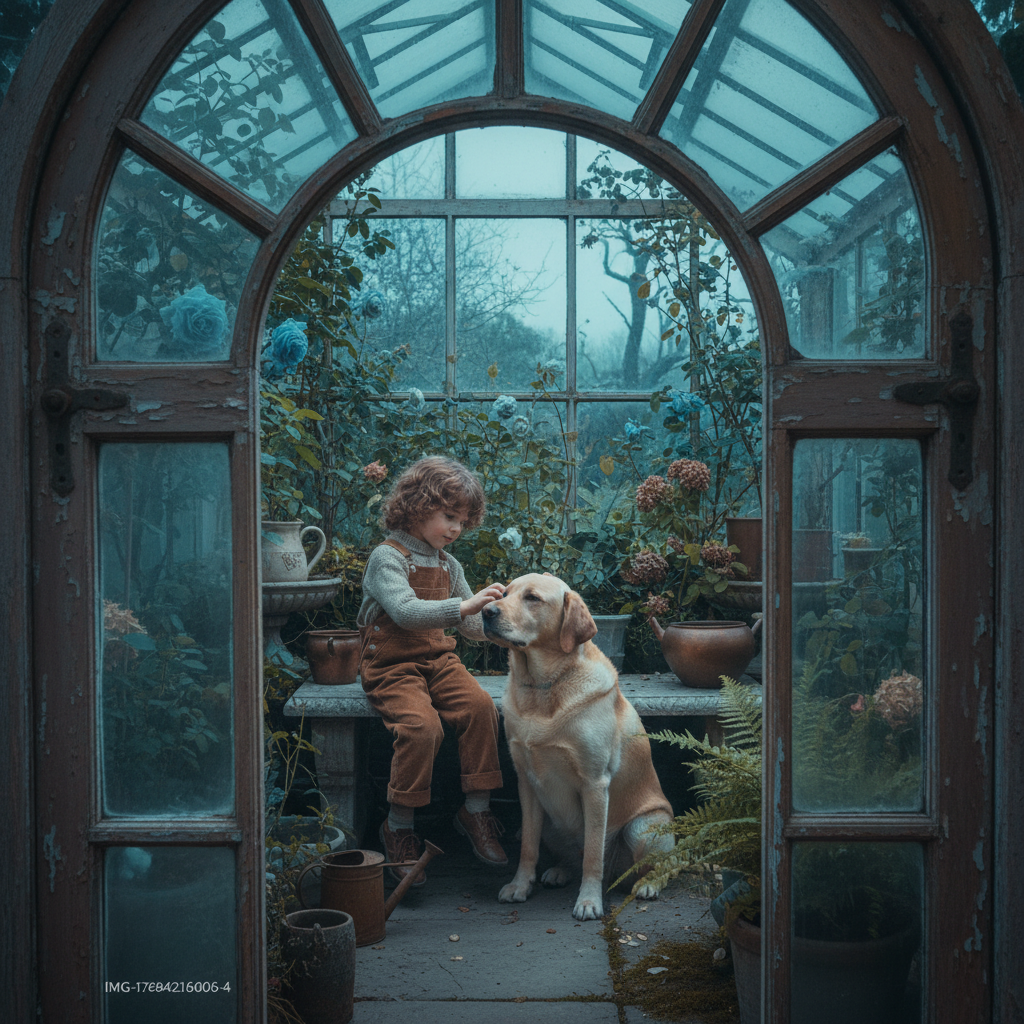
In conclusion, the behavior we reinforce without even noticing can have a profound impact on our dogs’ lives. By understanding the principles of reinforcement, being mindful of our interactions, and proactively preventing unintentional reinforcement, we can build stronger, more harmonious relationships with our canine companions. This requires patience, consistency, and a commitment to positive reinforcement training methods, but the rewards are well worth the effort. So, take a moment to reflect on your own interactions with your dog and consider how you might be inadvertently shaping their behavior. By becoming more aware of the subtle signals we send, we can create a more empathetic and enriching world for our furry friends, and for ourselves.

Hi, my name is Robert Max, I live in the United States and I’m the creator of InTechNews. I started this blog with the goal of sharing reliable and practical information about pet care, helping pet owners provide a healthier and happier life for their animals. I’m passionate about animal well-being and believe that good information makes all the difference in responsible pet ownership.