
The Paradox of Too Much Love: Understanding Overstimulation in Pets
We adore our pets. We shower them with affection, toys, and attention, believing we’re enriching their lives. But what if our well-intentioned efforts are actually doing more harm than good? What if the constant barrage of stimuli, the endless playtime, and the overwhelming affection are actually pushing them to their limits, resulting in behavioral problems and anxiety? The truth is, overstimulation is a very real and often overlooked problem in pets, and understanding its nuances is crucial for responsible pet ownership. It’s not about loving them less; it’s about loving them smarter. It’s about recognizing their individual needs and providing an environment that fosters calm and balance, rather than perpetual excitement.
Think about it. We live in a hyper-connected, fast-paced world, and we often project that same energy onto our pets. We schedule playdates, enroll them in agility classes, and fill their toy bins to overflowing. While these activities can be beneficial in moderation, the key is moderation. Just like humans, pets need downtime to process information, recharge their energy, and simply relax. Without it, they can become overwhelmed, leading to a variety of behavioral issues that we might misinterpret as naughtiness or defiance. Are we truly considering their needs, or are we simply fulfilling our own desire to be “good” pet parents, regardless of the consequences?
Recognizing the Signs: Is Your Pet Overstimulated?
Identifying overstimulation in pets can be tricky, as the signs can often be subtle and easily mistaken for other behavioral problems. However, being aware of the common indicators is the first step towards addressing the issue. Here are some key signs that your pet might be experiencing overstimulation:
Hyperactivity and Restlessness
One of the most common signs of overstimulation is hyperactivity. You might notice your dog pacing, barking excessively, or having difficulty settling down, even after exercise. Cats might exhibit similar behaviors, such as frantic running around, climbing on furniture, and difficulty relaxing. This constant state of alert and activity is a clear indication that their nervous system is on overdrive. It’s like they’re constantly searching for the next source of stimulation, unable to find peace in the present moment. This can be particularly noticeable in puppies and kittens, who are still learning to regulate their energy levels.
Difficulty Focusing and Training
Overstimulated pets often struggle with focus and concentration. During training sessions, they might seem distracted, unable to follow commands, or easily overwhelmed by new information. This isn’t necessarily a sign of low intelligence or disobedience; it’s simply a reflection of their inability to process information effectively due to the constant bombardment of stimuli. Their brains are already overloaded, making it difficult for them to absorb and retain new information. Imagine trying to learn a new language while attending a loud concert – it’s nearly impossible.
Increased Anxiety and Reactivity
Overstimulation can significantly contribute to anxiety and reactivity in pets. They might become more easily startled by noises, more fearful of strangers, or more reactive towards other animals. This heightened sensitivity is a direct result of their nervous system being constantly on edge. They’re in a state of hyper-vigilance, constantly scanning their environment for potential threats. This can manifest as excessive barking, growling, hissing, or even aggression. It’s important to remember that these behaviors are often a cry for help, a sign that they’re feeling overwhelmed and unable to cope.
Destructive Behaviors
When pets are overstimulated and unable to release their pent-up energy in a healthy way, they might resort to destructive behaviors. Dogs might chew on furniture, dig in the yard, or shred household items. Cats might scratch furniture excessively, knock things off shelves, or engage in other attention-seeking behaviors. These behaviors are often a sign of frustration and boredom, a desperate attempt to find an outlet for their excess energy. It’s not about being “bad”; it’s about lacking the tools and opportunities to manage their stimulation levels effectively.
Changes in Appetite and Sleep Patterns
Overstimulation can also affect a pet’s appetite and sleep patterns. Some pets might experience a decrease in appetite, while others might become ravenous, constantly seeking food as a form of comfort. Sleep patterns can also be disrupted, with pets having difficulty falling asleep, waking up frequently during the night, or experiencing restless sleep. These physiological changes are a direct result of the stress and anxiety associated with chronic overstimulation. Their bodies are constantly in a state of “fight or flight,” making it difficult to relax and regulate basic bodily functions.
Identifying the Culprits: What’s Causing the Overstimulation?
Once you suspect your pet might be overstimulated, the next step is to identify the specific triggers that are contributing to the problem. This requires careful observation of your pet’s environment, routines, and interactions. Here are some common culprits to consider:
Excessive Playtime and Activity
While physical activity is essential for a pet’s well-being, too much of a good thing can be detrimental. Constant playtime, long walks, and strenuous exercise can overload their nervous system, especially if they’re not given adequate time to recover. It’s important to remember that every pet has different energy needs, and what might be a healthy amount of activity for one pet could be overwhelming for another. Consider your pet’s breed, age, and individual temperament when determining their exercise needs.
Overwhelming Environments
Certain environments can be inherently overstimulating for pets. Crowded spaces, loud noises, and unfamiliar smells can all contribute to sensory overload. Think about taking your dog to a busy dog park or bringing your cat to a chaotic family gathering. These situations can be incredibly stressful and overwhelming, especially for pets with sensitive temperaments. Minimizing exposure to these environments or gradually acclimating your pet to them can help reduce their anxiety and prevent overstimulation.
Constant Attention and Affection
While it might seem counterintuitive, constant attention and affection can also contribute to overstimulation. While pets crave attention, they also need time to be alone and decompress. Constantly petting, talking to, or playing with your pet can prevent them from relaxing and processing their experiences. It’s important to respect their need for space and allow them to initiate interactions. This doesn’t mean you should neglect your pet; it simply means being mindful of their individual needs and providing them with opportunities for quiet solitude.
Lack of Routine and Predictability
Pets thrive on routine and predictability. A consistent schedule for feeding, walks, playtime, and rest provides them with a sense of security and stability. When their routines are disrupted or unpredictable, they can become anxious and overstimulated. This is because they’re constantly trying to anticipate what’s going to happen next, which can be exhausting and overwhelming. Establishing a consistent routine can help them feel more secure and reduce their overall stress levels.
Underlying Medical Conditions
In some cases, behavioral changes that appear to be caused by overstimulation might actually be a symptom of an underlying medical condition. Hyperthyroidism, anxiety disorders, and neurological problems can all manifest as hyperactivity, restlessness, and reactivity. If you suspect your pet’s behavior might be related to a medical issue, it’s essential to consult with a veterinarian for a thorough examination and diagnosis.
Creating a Calm Oasis: Strategies for Reducing Overstimulation
Once you’ve identified the potential causes of overstimulation, you can start implementing strategies to create a calmer and more balanced environment for your pet. This might involve making changes to their routine, modifying their environment, and adjusting your interactions with them. Here are some effective strategies to consider:
Establish a Consistent Routine
As mentioned earlier, a consistent routine is crucial for reducing stress and anxiety in pets. Create a predictable schedule for feeding, walks, playtime, and rest, and stick to it as much as possible. This will help your pet feel more secure and in control of their environment. Even small changes, like feeding them at the same time each day, can make a big difference in their overall well-being.
Provide Quiet Spaces and Downtime
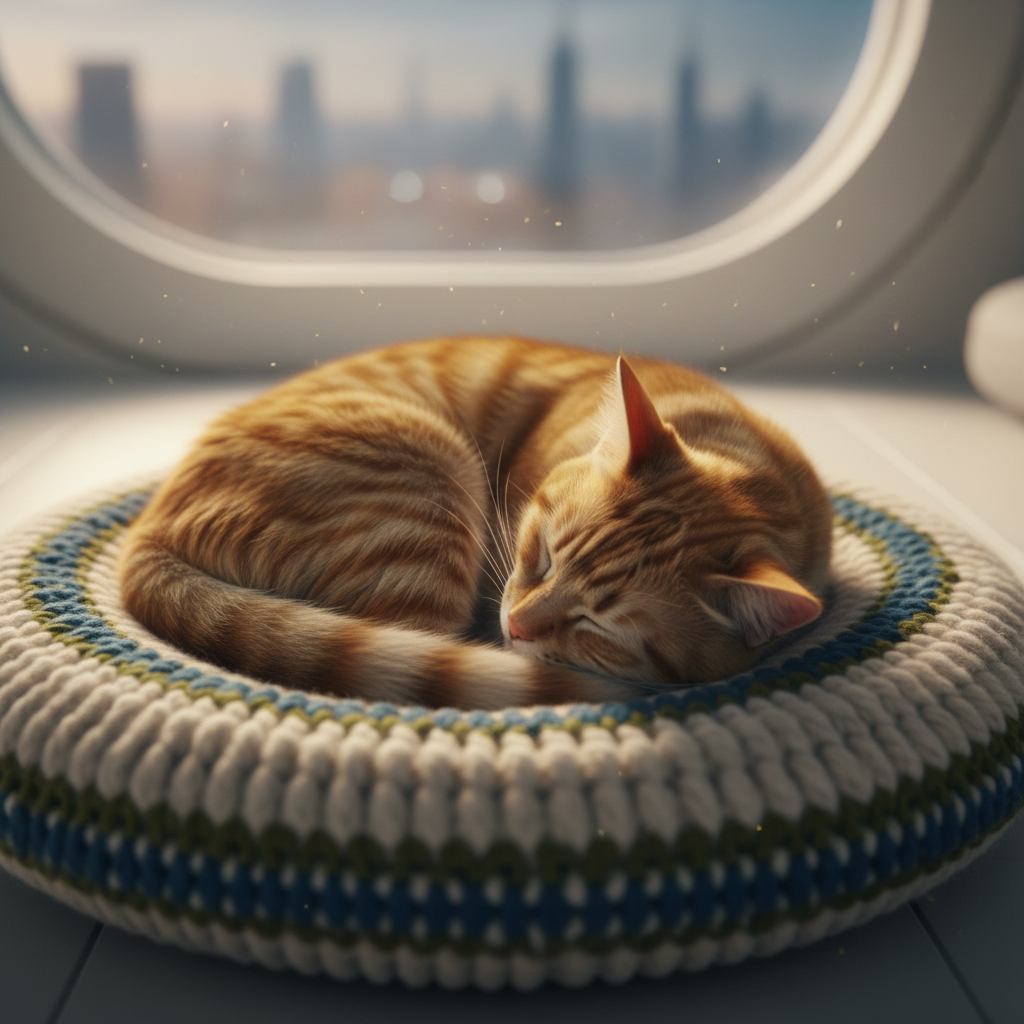
Ensure your pet has access to quiet spaces where they can retreat when they feel overwhelmed. This could be a crate, a bed, or a designated room where they can be alone and undisturbed. Encourage them to use these spaces by providing comfortable bedding, toys, and treats. It’s also important to respect their need for downtime and avoid interrupting them when they’re resting or sleeping.
Limit Exposure to Overwhelming Environments
If you know that certain environments are particularly stressful for your pet, try to limit their exposure to them. This might mean avoiding busy dog parks, crowded events, or noisy construction sites. If you can’t avoid these environments altogether, try to gradually acclimate your pet to them by exposing them to them in small doses and rewarding them for calm behavior.
Introduce Calming Activities
Engage your pet in calming activities that can help them relax and de-stress. This might include gentle massage, grooming, or playing with interactive toys that require focus and concentration. Puzzle toys, snuffle mats, and slow feeders can also be beneficial, as they provide mental stimulation without being overly stimulating. The goal is to provide activities that engage their minds and bodies in a way that promotes relaxation rather than excitement.
Train for Calmness
Train your pet to respond to cues that promote calmness, such as “relax,” “settle,” or “stay.” Use positive reinforcement techniques, such as treats and praise, to reward them for calm behavior. Practice these cues in various environments to help them generalize the behavior and learn to relax in different situations. This will give you a tool to help them manage their anxiety and reduce overstimulation in potentially stressful situations.

Mindful Interaction
Be mindful of your interactions with your pet. Avoid constantly petting, talking to, or playing with them, and allow them to initiate interactions. When you do interact with them, do so in a calm and gentle manner. Avoid loud noises, sudden movements, and overly enthusiastic displays of affection. Pay attention to their body language and respect their boundaries.
Consider Environmental Enrichment
While minimizing overstimulation is key, it’s also important to provide your pet with appropriate environmental enrichment to prevent boredom and frustration. This might include providing them with a variety of toys, rotating their toys regularly, and creating opportunities for them to explore and engage with their environment. The key is to find a balance between providing stimulation and preventing overload.
Diet and Supplements
Certain dietary changes and supplements can also help reduce anxiety and promote calmness in pets. Consider feeding your pet a high-quality diet that is rich in omega-3 fatty acids, which have been shown to have calming effects. You can also talk to your veterinarian about using supplements such as L-theanine, chamomile, or melatonin, which can help reduce anxiety and promote relaxation. Always consult with a veterinarian before making any significant changes to your pet’s diet or introducing new supplements.
Professional Help
If you’re struggling to manage your pet’s overstimulation on your own, don’t hesitate to seek professional help from a veterinarian, certified dog trainer, or veterinary behaviorist. These professionals can help you identify the underlying causes of the problem and develop a customized treatment plan that addresses your pet’s specific needs. They can also provide you with guidance and support to help you implement the necessary changes and manage your pet’s behavior effectively.
Case Studies: Real-World Examples of Overstimulation Management
To illustrate the effectiveness of these strategies, let’s examine a few real-world case studies:
Case Study 1: The Hyperactive Labrador
A young Labrador Retriever named Max was constantly bouncing off the walls. His owners described him as “hyperactive” and “untrainable.” After a thorough evaluation, it was determined that Max was being overstimulated by his environment and routine. He was being taken to the dog park every day, where he would engage in intense play with other dogs. He was also being given constant attention and affection by his owners.
The treatment plan involved reducing Max’s exposure to the dog park, establishing a consistent routine, and providing him with quiet spaces where he could retreat when he felt overwhelmed. His owners were also instructed to be more mindful of their interactions with him and to avoid constantly petting or talking to him. Within a few weeks, Max’s hyperactivity decreased significantly, and he became much more focused and trainable.
Case Study 2: The Anxious Siamese Cat
A Siamese cat named Luna was exhibiting signs of anxiety, including excessive meowing, hiding, and scratching. Her owners had recently moved to a new apartment, and Luna was struggling to adjust to the new environment. The apartment was located in a busy neighborhood, and Luna was constantly exposed to loud noises and unfamiliar smells.
The treatment plan involved creating a safe and comfortable space for Luna in the apartment, providing her with plenty of toys and scratching posts, and using a pheromone diffuser to help reduce her anxiety. Her owners were also instructed to be patient and understanding with her and to avoid forcing her to interact with them. Over time, Luna gradually adjusted to her new environment and her anxiety symptoms subsided.
Case Study 3: The Reactive Border Collie
A Border Collie named Shadow was reactive towards other dogs, barking and lunging at them on walks. His owners had tried various training methods, but nothing seemed to work. After consulting with a veterinary behaviorist, it was determined that Shadow’s reactivity was being exacerbated by overstimulation. He was being taken on long walks in busy areas, where he was constantly exposed to other dogs and distractions.
The treatment plan involved reducing Shadow’s exposure to other dogs, training him to focus on his owners during walks, and using counter-conditioning techniques to change his association with other dogs. His owners were also instructed to provide him with plenty of mental stimulation and exercise to help reduce his overall anxiety levels. Gradually, Shadow’s reactivity decreased, and he became much more relaxed and confident on walks.
Long-Term Management: Creating a Sustainable Calm Environment
Managing overstimulation is not a one-time fix; it’s an ongoing process that requires commitment and consistency. It’s about creating a sustainable environment that supports your pet’s well-being and prevents them from becoming overwhelmed. Here are some long-term management strategies to consider:
Regularly Assess Your Pet’s Needs
Pay close attention to your pet’s behavior and adjust their routine and environment as needed. As they age, their needs might change, and you might need to modify your approach to prevent overstimulation. Be observant and responsive to their individual needs.
Continue Training and Enrichment
Continue to provide your pet with regular training and enrichment activities to keep their minds and bodies engaged. This will help prevent boredom and frustration, which can contribute to overstimulation. Variety is key, so try to introduce new activities and challenges to keep them stimulated.
Maintain a Consistent Routine
Stick to a consistent routine as much as possible, even on weekends and holidays. This will help your pet feel secure and in control of their environment. Predictability is paramount for managing stress levels and preventing overstimulation.
Prioritize Downtime and Relaxation
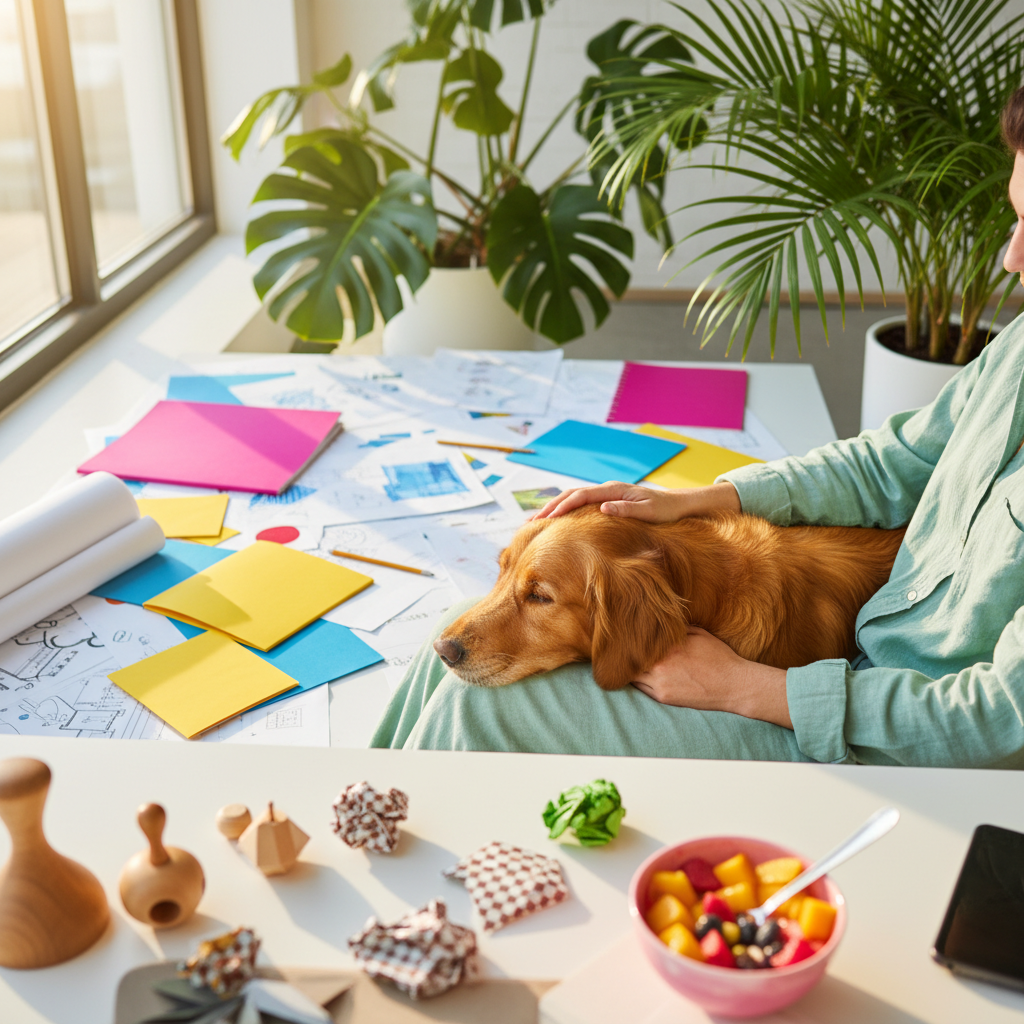
Always prioritize downtime and relaxation for your pet. Ensure they have access to quiet spaces where they can retreat when they feel overwhelmed, and respect their need for solitude. Teach children in the household to respect the pet’s space and not to constantly bother them.
Seek Professional Support When Needed
Don’t hesitate to seek professional support from a veterinarian, certified dog trainer, or veterinary behaviorist if you’re struggling to manage your pet’s overstimulation. They can provide you with guidance and support to help you create a calmer and more balanced environment for your furry friend.
The Rewards of a Calmer Companion
Addressing overstimulation in pets is not just about alleviating behavioral problems; it’s about improving their overall quality of life. A calmer and more relaxed pet is a happier and healthier pet. By understanding the causes of overstimulation and implementing effective management strategies, you can create a more harmonious relationship with your furry companion and enjoy the many rewards of a calm and loving bond. It’s about creating an environment where they can thrive, not just survive. It’s about allowing them to be their best selves, free from the anxiety and stress that can be caused by too much stimulation.

In conclusion, recognizing and addressing overstimulation in pets is an act of responsible and compassionate pet ownership. It requires us to look beyond our own desires and consider the individual needs of our animals. By creating a calmer and more balanced environment, we can help them thrive, fostering a deeper connection and a more fulfilling life together. It’s a journey of understanding, patience, and love, and the rewards are immeasurable. So, take a moment to observe your pet, reflect on their environment, and ask yourself: Am I giving them too much of a good thing? The answer might surprise you, and it might just be the key to unlocking a happier and healthier life for your beloved companion.

Hi, my name is Robert Max, I live in the United States and I’m the creator of InTechNews. I started this blog with the goal of sharing reliable and practical information about pet care, helping pet owners provide a healthier and happier life for their animals. I’m passionate about animal well-being and believe that good information makes all the difference in responsible pet ownership.