
The Illusion of Control: Firmness vs. Clarity in Pet Training
We often hear about the importance of being “firm” with our pets, especially during training. The image conjured is one of unwavering authority, a leader setting boundaries with a strong hand. But is firmness truly the most effective approach? Or could it be that clarity, a more nuanced and often overlooked quality, is the key to unlocking a deeper understanding and a stronger bond with our beloved companions?
Think about it for a moment. What does “firmness” actually translate to in practice? Often, it manifests as raised voices, harsh corrections, and an inflexible adherence to rules, regardless of the context or the pet’s individual needs. While a structured environment is certainly beneficial, blind adherence to firmness can be detrimental, leading to fear, confusion, and a breakdown in communication. After all, our pets don’t speak our language. They interpret our actions, body language, and tone of voice. A firm tone without clear explanation can be interpreted as aggression or disapproval, even when that isn’t our intention.
Is it possible that our pursuit of control through firmness is actually hindering our ability to truly connect with and educate our pets? Perhaps it’s time to re-evaluate our methods and consider the power of clarity – of communicating our expectations in a way that our pets can readily understand, fostering a collaborative learning environment based on trust and mutual respect.
The Downside of Dogmatic Firmness
The problem with relying solely on firmness is that it often overlooks the underlying reasons for a pet’s behavior. Is your dog barking excessively? A firm “no” might temporarily silence them, but it doesn’t address the root cause. Are they anxious? Bored? Seeking attention? Simply suppressing the symptom without understanding the problem is not only ineffective in the long run but can also exacerbate the issue, leading to increased stress and potentially even behavioral problems.
Consider the analogy of a child struggling with a math problem. A firm “you need to get this right!” might instill a sense of pressure and anxiety, but it doesn’t actually equip the child with the tools and understanding necessary to solve the problem. Similarly, a firm correction for a pet without providing clear guidance and positive reinforcement is unlikely to result in genuine learning. It might simply teach them to avoid the behavior in your presence, not to understand why it’s undesirable.
Furthermore, an overemphasis on firmness can erode the bond between you and your pet. Imagine constantly being corrected without understanding the reason. Wouldn’t that create a sense of resentment and distrust? Our pets are sensitive creatures, and they thrive on positive interactions and clear communication. When firmness becomes the dominant mode of interaction, it can create a climate of fear and anxiety, hindering their ability to learn and trust.

Clarity: The Cornerstone of Effective Education
So, if firmness isn’t the ultimate answer, what is? The alternative, and arguably more effective, approach is to prioritize clarity. Clarity involves communicating your expectations in a way that your pet can easily understand, using consistent signals, positive reinforcement, and a focus on teaching rather than simply correcting.
Clarity begins with understanding your pet’s perspective. They don’t speak English (or any other human language, for that matter). They rely on body language, tone of voice, and consistent cues to understand what we want. Therefore, it’s crucial to be mindful of how we communicate and to ensure that our signals are clear and unambiguous.
For example, instead of simply yelling “no” when your dog jumps on a guest, try teaching them an alternative behavior, such as “sit” or “stay.” When a guest arrives, calmly instruct your dog to sit and reward them with a treat and praise when they comply. This provides a clear alternative to the unwanted behavior and reinforces the desired action. Over time, your dog will learn that sitting is a more rewarding behavior than jumping.
This approach requires patience and consistency, but the rewards are well worth the effort. By focusing on clarity, you’re not just training your pet; you’re building a stronger bond based on trust and mutual understanding. You’re creating a learning environment where your pet feels safe to experiment, make mistakes, and ultimately, succeed.
The Power of Positive Reinforcement
Central to the concept of clarity is the use of positive reinforcement. This involves rewarding desired behaviors with treats, praise, or toys, making it more likely that your pet will repeat those behaviors in the future. Positive reinforcement is far more effective than punishment because it focuses on what you want your pet to do, rather than simply suppressing unwanted behaviors.
Imagine teaching your dog to fetch. Instead of scolding them for not bringing the ball back perfectly, focus on rewarding them for each step of the process. Start by rewarding them for simply picking up the ball. Then, reward them for taking a few steps towards you with the ball. Gradually increase the distance until they bring the ball all the way back to you. By breaking down the task into smaller, manageable steps and rewarding each success, you’re making the learning process more enjoyable and effective for your pet.
Furthermore, positive reinforcement helps to build your pet’s confidence and encourages them to try new things. When they know that their efforts will be rewarded, they’re more likely to engage in training and to develop a positive association with learning. This can lead to a more well-behaved and confident pet overall.

Case Studies: Clarity in Action
Let’s look at some real-world examples of how clarity can be more effective than firmness in addressing common pet behavioral issues:
Case Study 1: Separation Anxiety
A common scenario: a dog exhibits destructive behavior when left alone, such as chewing furniture or excessive barking. A “firm” approach might involve punishing the dog upon your return, scolding them for the damage. However, this is unlikely to address the underlying anxiety and may even worsen the problem.
A clarity-based approach would focus on addressing the dog’s anxiety by gradually acclimating them to being alone. This could involve starting with short absences and gradually increasing the duration, providing them with a safe and comfortable space, and leaving them with stimulating toys to keep them occupied. By addressing the root cause of the behavior and providing clear guidance, you can help your dog overcome their separation anxiety and reduce destructive behavior.
Case Study 2: Leash Pulling
Many dog owners struggle with leash pulling. A “firm” approach might involve constantly yanking on the leash or using a harsh correction collar. While this might temporarily stop the pulling, it doesn’t teach the dog what you want them to do and can even cause physical discomfort or injury.
A clarity-based approach would involve teaching the dog to walk politely on a loose leash. This can be achieved by rewarding them for walking calmly by your side, changing direction when they start to pull, and using positive reinforcement to encourage them to stay close. By providing clear guidance and rewarding desired behavior, you can transform leash walks from a frustrating experience into an enjoyable one for both you and your dog.
Case Study 3: Cat Scratching Furniture
Cats scratching furniture is a common complaint. A “firm” approach might involve yelling at the cat or squirting them with water when they scratch. While this might deter them in the moment, it doesn’t address their natural scratching instinct and can damage your relationship.
A clarity-based approach would involve providing the cat with appropriate scratching posts or pads and making them more appealing by using catnip or placing them in areas where the cat likes to spend time. When the cat uses the scratching post, reward them with praise or treats. You can also make the furniture less appealing by covering it with plastic or using deterrent sprays. By providing a clear alternative and making it more attractive, you can redirect the cat’s scratching behavior to a more appropriate outlet.
These case studies demonstrate that clarity, combined with positive reinforcement, can be a more effective and humane approach to addressing pet behavioral issues than relying solely on firmness. By understanding your pet’s perspective, providing clear guidance, and rewarding desired behaviors, you can build a stronger bond and create a more harmonious relationship.
The Art of Communication: Beyond Words
Clarity in pet training isn’t just about giving clear commands; it’s about mastering the art of communication. This includes understanding your pet’s body language, recognizing their emotional state, and adapting your approach accordingly. Our pets are constantly communicating with us through their posture, facial expressions, and vocalizations. Learning to interpret these signals is essential for building a strong and meaningful connection.
For example, a dog that is cowering or tucking its tail is likely feeling fearful or anxious. In this situation, a firm correction would be counterproductive and could further exacerbate their fear. Instead, it’s important to approach them calmly and reassuringly, providing them with a safe space and offering positive reinforcement to help them overcome their anxiety.
Similarly, a cat that is swishing its tail or flattening its ears is likely feeling agitated or threatened. In this situation, it’s important to give them space and avoid approaching them directly. Instead, try to identify the source of their stress and remove it if possible. By paying attention to your pet’s body language and responding accordingly, you can create a more supportive and understanding environment.

Beyond Training: Clarity in Everyday Life
The principles of clarity extend far beyond formal training sessions. They apply to all aspects of your relationship with your pet, from feeding and grooming to playtime and affection. By consistently communicating your expectations and responding to your pet’s needs with clarity and compassion, you can create a stronger bond and a more harmonious living environment.
For example, when feeding your pet, establish a clear routine and stick to it. This helps them to feel secure and predictable. When grooming your pet, be gentle and patient, and use positive reinforcement to reward them for their cooperation. When playing with your pet, be mindful of their energy levels and avoid pushing them beyond their limits. And when showing affection, be attentive to their preferences and avoid forcing them to cuddle if they’re not in the mood.
By incorporating clarity into your everyday interactions with your pet, you’re not just training them; you’re building a relationship based on trust, respect, and mutual understanding. You’re creating a bond that will enrich both of your lives for years to come.
The Long-Term Benefits of Clarity
Investing in clarity over firmness yields substantial long-term benefits. Pets trained with clarity are typically more confident, secure, and well-adjusted. They’re less likely to develop behavioral problems and more likely to thrive in a variety of environments. Moreover, the bond between you and your pet will be stronger and more resilient, built on a foundation of trust and mutual respect.
Think of the difference between a student who is constantly criticized and a student who is supported and encouraged. Which student is more likely to succeed? The same principle applies to our pets. By creating a positive and supportive learning environment, we empower them to reach their full potential and to become the best versions of themselves.
Furthermore, clarity promotes better communication and understanding between you and your pet. You’ll be better equipped to anticipate their needs, interpret their behavior, and respond accordingly. This can lead to a more harmonious and fulfilling relationship, free from the frustration and misunderstandings that often arise when communication is unclear.
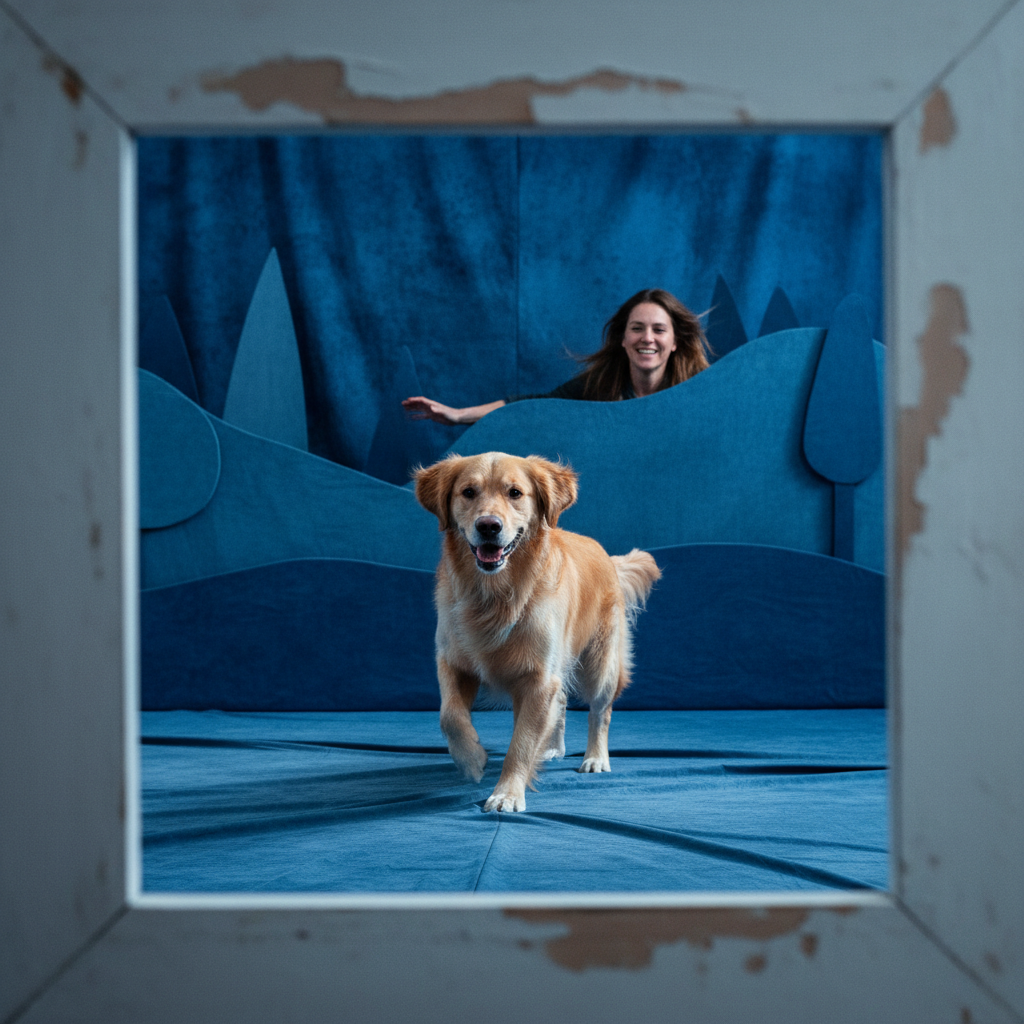
In conclusion, while firmness may have its place in certain situations, clarity is ultimately the more effective and humane approach to pet education. By prioritizing clear communication, positive reinforcement, and a focus on understanding your pet’s perspective, you can build a stronger bond, create a more harmonious relationship, and empower your pet to reach their full potential. So, the next time you’re tempted to be firm, ask yourself: “Am I being clear?” The answer could make all the difference.

Hi, my name is Robert Max, I live in the United States and I’m the creator of InTechNews. I started this blog with the goal of sharing reliable and practical information about pet care, helping pet owners provide a healthier and happier life for their animals. I’m passionate about animal well-being and believe that good information makes all the difference in responsible pet ownership.