
The Unhurried Pace of Progress: Why Slowing Down Benefits Your Pet
In our relentlessly fast-paced world, where instant gratification reigns supreme and multi-tasking is lauded as a virtue, it’s easy to overlook the profound benefits of slowing down. This is especially true when it comes to interacting with and training our beloved pets. We often approach these interactions with a sense of urgency, eager to see results and tick off milestones. But what if the key to unlocking your pet’s full potential lies not in speeding up, but in deliberately slowing down?
Consider the frantic energy that often permeates our attempts to teach a dog a new trick. We repeat commands impatiently, expecting immediate compliance. We become frustrated when the dog doesn’t “get it” right away, and our energy shifts from supportive to demanding. This heightened stress is palpable to the dog, creating an environment that is far from conducive to learning. Much like children, pets thrive in calm, patient, and encouraging environments.
But the benefits of slowing down extend far beyond just training. It permeates every aspect of our relationship with our pets, from feeding and grooming to playing and simply spending time together. It’s about being present, mindful, and truly attuned to your pet’s needs and cues.
The Power of Mindful Observation
How often do we truly *see* our pets? We feed them, walk them, and perhaps even cuddle them, but how often do we take the time to simply observe them – to notice the subtle shifts in their behavior, the nuances in their body language, the quiet expressions of joy, fear, or discomfort?
Slowing down allows us to become more observant. It enables us to notice the slight limp that might indicate early signs of arthritis, the subtle changes in appetite that could signal a digestive issue, or the increased clinginess that might suggest anxiety. These early observations can be crucial in preventing minor problems from escalating into major health concerns. It’s about moving beyond the routine and engaging with your pet on a deeper, more intuitive level.
For example, imagine you usually rush through your dog’s morning walk, focused on getting back home to start your day. By slowing down, you might notice that your dog is hesitant to put weight on one paw, a subtle sign of a potential injury. This allows you to address the issue quickly, preventing further pain and complications. Similarly, paying close attention during playtime might reveal that your cat is experiencing some stiffness in their joints, prompting you to consult with your veterinarian about potential solutions.
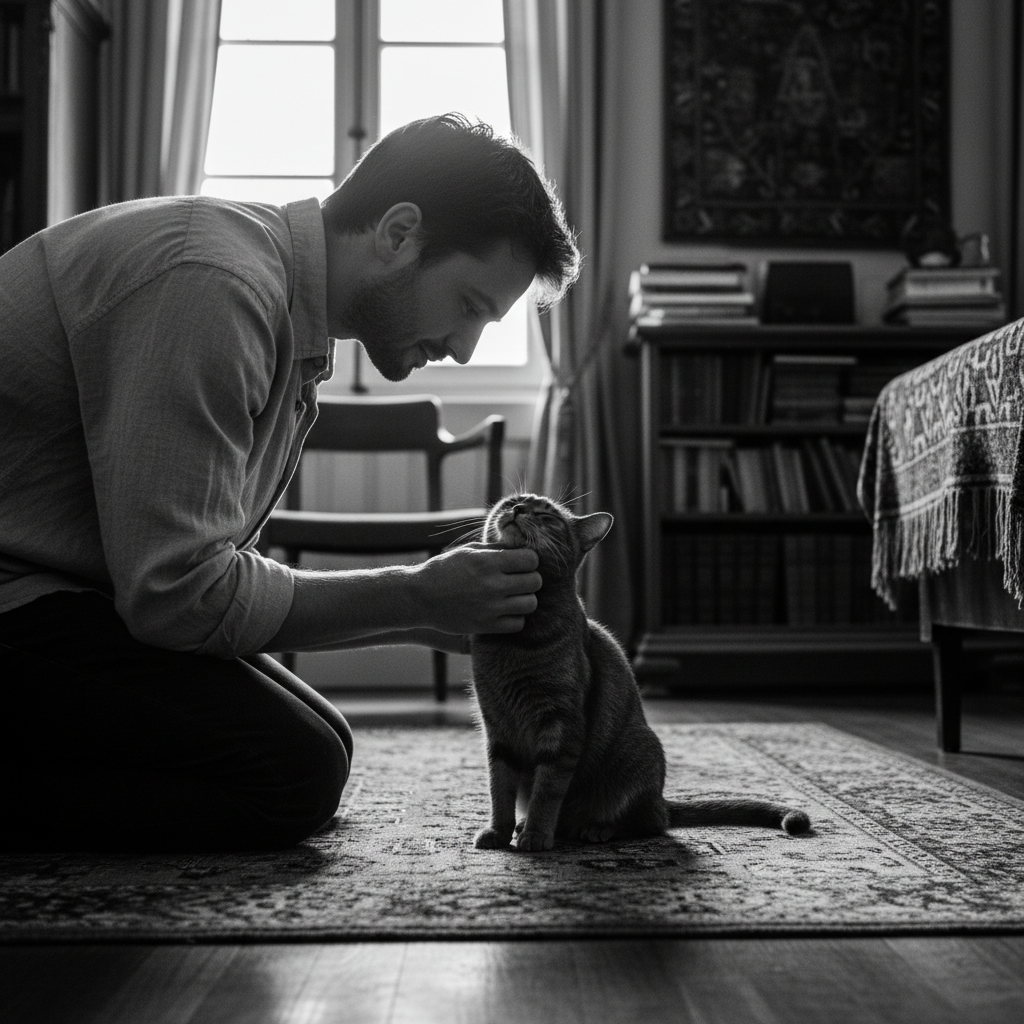
Building Trust and Deepening Bonds
Trust is the bedrock of any strong relationship, and the relationship with our pets is no exception. But trust isn’t built overnight. It’s cultivated through consistent, predictable, and positive interactions. And slowing down is essential in creating those interactions.
Consider the simple act of grooming. Instead of rushing through the process, treating it as a chore to be completed as quickly as possible, transform it into a bonding experience. Speak to your pet in a soothing voice, use gentle strokes, and pay attention to their body language. If they flinch or pull away, slow down even further and identify the source of their discomfort. Perhaps the brush is too harsh, or maybe they have a sensitive spot. By being patient and responsive, you demonstrate that you are attuned to their needs and that they can trust you to prioritize their comfort.
The same principle applies to introducing new experiences. Whether it’s a new toy, a new environment, or a new person, approach it with a sense of calm and deliberate slowness. Allow your pet to explore at their own pace, providing reassurance and support along the way. Avoid overwhelming them with too much stimulation, and be prepared to retreat if they become anxious or overwhelmed.
The Art of Patient Training
Training is often viewed as a linear process, a series of steps to be completed as quickly as possible. But true learning is rarely linear. It’s a process of exploration, experimentation, and gradual refinement. And it requires patience, understanding, and a willingness to adapt your approach based on your pet’s individual needs and learning style.
Instead of focusing on achieving immediate results, shift your focus to creating a positive and supportive learning environment. Break down complex tasks into smaller, more manageable steps. Use positive reinforcement – treats, praise, and affection – to reward desired behaviors. And avoid punishment or scolding, which can create fear and anxiety, hindering the learning process.
Remember that every pet learns at their own pace. Some pets may pick up new tricks quickly, while others may require more time and repetition. The key is to be patient, persistent, and to celebrate even the smallest victories. And don’t be afraid to adjust your training methods if something isn’t working. Consult with a professional trainer or behaviorist for guidance if you’re struggling with a particular issue.
For example, if you’re trying to teach your dog to “sit,” start by simply luring them into a sitting position with a treat. Once they understand the association between the lure and the desired behavior, start adding the verbal cue “sit.” Repeat this process multiple times, rewarding them generously each time they perform the behavior correctly. If they struggle with the command, go back to the luring method and reinforce the association. With patience and consistency, they will eventually learn to sit on command.
The Benefits for You: A Calmer, More Fulfilling Life
The benefits of slowing down aren’t just limited to your pet. They extend to you as well. By embracing a more mindful and deliberate approach to interacting with your pet, you’ll find yourself becoming more present, more patient, and more attuned to the simple joys of life.
The act of slowing down can be incredibly therapeutic. It allows you to disconnect from the stresses of daily life and to reconnect with your inner peace. It provides an opportunity to practice mindfulness, to savor the moment, and to appreciate the unconditional love and companionship that your pet offers.
Moreover, slowing down can actually make you more effective in the long run. By taking the time to observe your pet, to understand their needs, and to build a strong foundation of trust, you’ll be able to address potential problems more quickly and efficiently. You’ll also be able to foster a deeper and more meaningful relationship with your pet, enriching both of your lives in the process.

The Importance of Unstructured Time
In our quest to optimize every aspect of our lives, we often forget the importance of unstructured time – time that is free from schedules, goals, and expectations. This is especially important for our pets, who thrive on spontaneity and play.
Instead of always engaging in structured activities, such as training sessions or scheduled walks, allow your pet to simply “be.” Let them explore their environment, sniff interesting scents, and engage in their natural behaviors. This unstructured time allows them to de-stress, to exercise their bodies and minds, and to simply enjoy the moment.
You can also use this unstructured time to simply observe your pet and to learn more about their unique personality and preferences. What are their favorite toys? What activities do they enjoy the most? What makes them feel happy and secure? By paying attention to these details, you can tailor your interactions to better meet their needs and to foster a stronger bond.
Recognizing Stress Signals
A crucial aspect of slowing down is becoming adept at recognizing stress signals in your pet. Animals communicate through a complex array of body language cues, and understanding these cues is vital for preventing anxiety and ensuring their well-being.
Common stress signals in dogs include: panting excessively (when not hot), yawning frequently, lip licking, whale eye (showing the whites of their eyes), a tucked tail, trembling, and avoidance behaviors. In cats, stress signals can manifest as: flattened ears, dilated pupils, excessive grooming, hissing, swatting, and hiding. By learning to recognize these subtle signs of distress, you can intervene before your pet becomes overwhelmed.
If you notice your pet exhibiting stress signals, remove them from the stressful situation immediately and provide them with a safe and comfortable space. Speak to them in a calm and reassuring voice, and avoid forcing them to interact with anything that is causing them anxiety. With patience and understanding, you can help them to overcome their fears and to develop a stronger sense of security.
For instance, if your dog starts panting and yawning excessively during a visit to the veterinarian, it’s a clear indication that they are feeling stressed. Instead of forcing them to endure the situation, ask the veterinarian if you can take a break and allow your dog to calm down in a separate room. You can also try bringing along a favorite toy or blanket to provide them with a sense of comfort and security.

The Long-Term Rewards
The decision to slow down and embrace a more mindful approach to pet ownership is an investment in the long-term health and well-being of both you and your pet. It’s an investment in a deeper, more meaningful relationship, built on trust, understanding, and mutual respect.
By slowing down, you’ll be able to prevent potential health problems, address behavioral issues more effectively, and foster a stronger bond with your pet. You’ll also be able to cultivate a greater sense of peace and fulfillment in your own life, enriching your overall well-being. It’s not just about adding years to their life, but adding life to their years, and vice versa.
The frantic pace of modern life often pulls us away from the simple joys that truly matter. Slowing down allows us to reconnect with those joys, to appreciate the present moment, and to savor the unconditional love and companionship that our pets offer. It’s a reminder that sometimes, the greatest rewards come from simply taking the time to be present, to be patient, and to be truly attuned to the needs of those we love.
Practical Steps to Slow Down
Implementing a slower pace in your interactions with your pet doesn’t require a radical overhaul of your life. It’s about making small, conscious choices each day to prioritize mindfulness and connection. Here are some practical steps you can take:
- Dedicate specific time for focused attention: Set aside even just 15-20 minutes each day where you completely disconnect from distractions (phones, emails, etc.) and focus solely on your pet. This could involve playing, grooming, cuddling, or simply observing them.
- Practice mindful feeding: Instead of mindlessly pouring food into a bowl, take a moment to appreciate the nourishment you’re providing. Observe your pet as they eat, noting their enjoyment and any potential signs of discomfort.
- Slow down your walks: Resist the urge to rush through your walks. Allow your pet to sniff and explore at their own pace. Use this time to connect with nature and to appreciate the simple joy of being outdoors together.
- Incorporate relaxation techniques: Practice deep breathing or meditation while spending time with your pet. This will help you to calm your own nervous system and to create a more peaceful environment for your pet.
- Be patient with training: Remember that training is a journey, not a destination. Celebrate small victories and avoid getting discouraged by setbacks. Focus on creating a positive and supportive learning environment.
Slowing down isn’t about doing less; it’s about doing things with more intention, more presence, and more heart. It’s about transforming ordinary moments into extraordinary experiences, deepening your connection with your pet, and enriching both of your lives in the process.
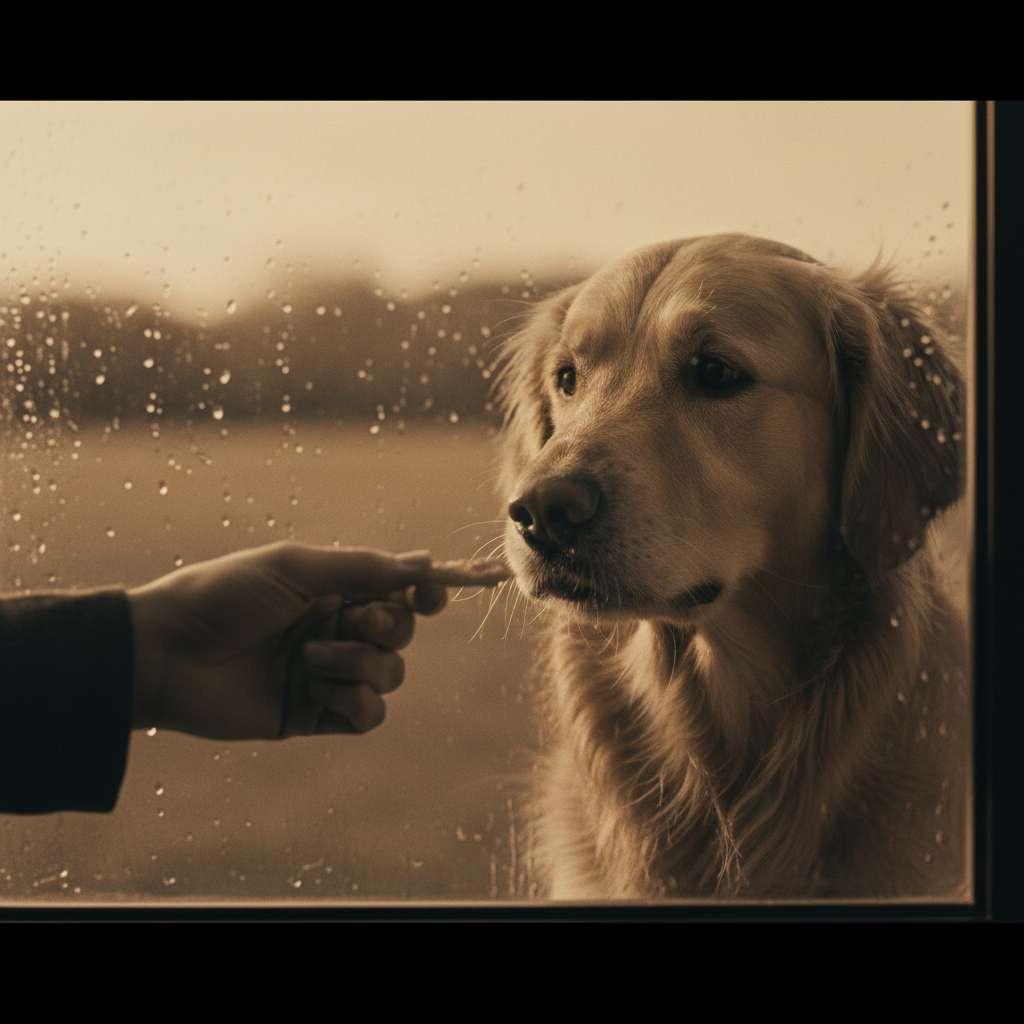
Ultimately, learning improves when the owner slows down because it fosters a deeper connection, promotes mindful observation, and creates a more positive and supportive environment. It’s an investment in trust, understanding, and mutual respect, leading to a richer and more fulfilling relationship with your beloved companion. So, take a deep breath, slow down, and truly connect with your pet. The rewards are immeasurable.

Hi, my name is Robert Max, I live in the United States and I’m the creator of InTechNews. I started this blog with the goal of sharing reliable and practical information about pet care, helping pet owners provide a healthier and happier life for their animals. I’m passionate about animal well-being and believe that good information makes all the difference in responsible pet ownership.