
The Fluidity of Learning: Why Rigidity Falls Short
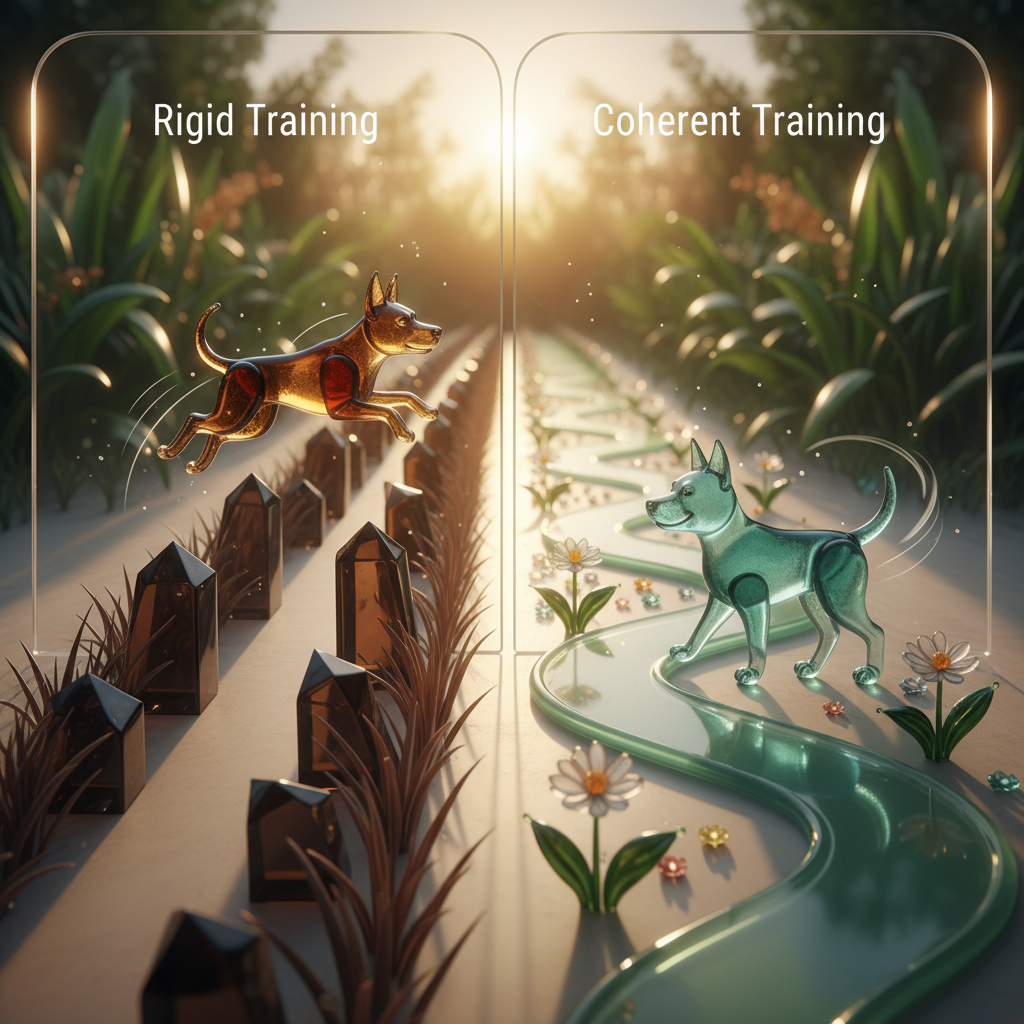
We often hear about the importance of structure, discipline, and rigorous training, especially when it comes to educating our beloved pets. Whether it’s teaching a dog basic obedience, training a cat to use the litter box, or even guiding a parrot to mimic human speech, the prevailing wisdom often leans towards strict routines and unwavering consistency. But what if I told you that this rigid approach, while seemingly effective on the surface, can actually hinder your pet’s learning potential? What if, instead, a more flexible, adaptable, and, dare I say, coherent approach is the key to unlocking their true cognitive abilities and fostering a deeper, more meaningful bond?
This isn’t to say that structure and consistency are entirely useless. They certainly have their place, particularly in establishing boundaries and creating a sense of security for your pet. However, when these elements become the sole focus of the educational process, they can stifle curiosity, limit exploration, and ultimately, prevent your pet from truly understanding and internalizing the lessons you’re trying to impart. Think of it like trying to force a square peg into a round hole. You might eventually succeed in jamming it in, but you’ll likely damage both the peg and the hole in the process.
The truth is, animals, just like humans, learn best when they’re engaged, motivated, and allowed to explore at their own pace. They need to feel safe, supported, and empowered to make mistakes without fear of punishment or judgment. A rigid educational approach, on the other hand, can create an environment of anxiety and pressure, which can actually shut down their learning centers and make it more difficult for them to absorb new information.
The Pitfalls of Rigidity
Consider the classic example of teaching a dog to sit. Many trainers advocate for a highly structured approach, involving precise commands, specific hand gestures, and immediate rewards for compliance. While this method can certainly yield results in the short term, it often fails to address the underlying reasons why the dog is sitting. Is it doing it out of genuine understanding and willingness to please, or simply out of fear of punishment or desire for a treat?
The problem with this type of rote learning is that it doesn’t foster true understanding. The dog may learn to associate the command “sit” with the action of lowering its hindquarters, but it doesn’t necessarily grasp the concept of sitting itself. As a result, it may only perform the behavior when the specific cues are present, and it may struggle to generalize the skill to different contexts or situations.
Furthermore, a rigid approach can stifle creativity and problem-solving abilities. If a pet is constantly told exactly what to do and how to do it, it never has the opportunity to experiment, explore, and discover new solutions on its own. This can lead to a sense of learned helplessness, where the pet becomes overly reliant on external guidance and loses its ability to think independently.
Embracing Coherence: A Holistic Approach
So, what does it mean to educate with coherence? It means taking a step back from the rigid rules and procedures and focusing instead on creating a learning environment that is meaningful, engaging, and relevant to your pet’s individual needs and personality. It means understanding that learning is not a linear process, but rather a complex and dynamic interplay of experiences, emotions, and social interactions.
Coherent education is about connecting the dots for your pet, helping them understand the “why” behind the “what.” Instead of simply teaching them to perform a behavior on command, it’s about helping them understand the purpose and benefits of that behavior in the real world. For example, when teaching a dog to stay, instead of just focusing on the physical act of remaining in place, explain to them why staying is important – it keeps them safe from danger, allows you to complete tasks without distraction, and demonstrates respect for your authority.

The Power of Positive Reinforcement and Understanding
This approach requires patience, empathy, and a willingness to see the world from your pet’s perspective. It means paying attention to their body language, understanding their motivations, and adapting your teaching style to their individual learning preferences. It also means recognizing that mistakes are an inevitable part of the learning process, and that they should be viewed as opportunities for growth and understanding, rather than as failures.
Building a Stronger Bond Through Understanding
A crucial element of coherent education is building a strong bond of trust and respect with your pet. When your pet feels safe, secure, and loved, it is much more likely to be receptive to learning and willing to cooperate with your requests. This bond is built through consistent positive interactions, clear communication, and a genuine understanding of your pet’s needs and desires.
Consider the case of a rescued cat who is initially fearful and withdrawn. A rigid approach to training might involve forcing the cat into a carrier, scolding it for hissing, or even resorting to physical punishment. However, a coherent approach would involve taking the time to build trust and rapport with the cat, creating a safe and comfortable environment, and gradually introducing it to new experiences at its own pace.
By focusing on building a strong bond of trust and understanding, you can create a learning environment where your pet feels empowered to explore, experiment, and ultimately, reach its full potential. This approach not only leads to more effective learning, but also strengthens your relationship with your pet and creates a deeper, more meaningful connection.
Real-World Applications: Case Studies in Coherent Education
Let’s delve into some real-world examples of how coherent education can be applied to different scenarios:
* **House Training a Puppy:** Instead of simply punishing accidents, focus on creating a consistent routine for potty breaks, rewarding successful elimination outdoors, and understanding the puppy’s individual signals of needing to go.
* **Teaching a Cat to Use a Scratching Post:** Instead of forcing the cat onto the scratching post, make it more appealing by placing it in a high-traffic area, sprinkling it with catnip, and rewarding the cat for using it voluntarily.
* **Overcoming Separation Anxiety in a Dog:** Instead of simply leaving the dog alone for extended periods, gradually acclimate it to being alone, providing it with enriching activities to occupy its time, and creating a safe and comfortable environment.
* **Training a Parrot to Talk:** Instead of simply repeating words and phrases over and over, engage the parrot in meaningful conversations, use visual aids to help it understand the context, and reward it for its efforts with praise and attention.
These examples illustrate the power of coherent education in addressing a wide range of behavioral challenges and fostering a deeper understanding between you and your pet. By focusing on the underlying causes of the behavior, creating a supportive learning environment, and building a strong bond of trust, you can help your pet overcome its challenges and reach its full potential.
The Importance of Individualized Learning Plans
One size does not fit all when it comes to pet education. Each animal is unique, with its own individual personality, learning style, and set of strengths and weaknesses. Therefore, it’s crucial to tailor your educational approach to meet the specific needs of your pet.
This means taking the time to observe your pet’s behavior, understand its motivations, and identify its preferred learning methods. Some pets may respond well to verbal cues, while others may be more visually oriented. Some may thrive in a structured environment, while others may prefer a more free-flowing approach.
Adapting to Your Pet’s Unique Needs
For example, a highly energetic dog may benefit from a more physically active training style, incorporating games and exercises to burn off excess energy. A shy or timid cat may require a more gentle and patient approach, with plenty of positive reinforcement and minimal pressure. A highly intelligent parrot may thrive on complex challenges and puzzles, while a less intellectually inclined bird may prefer simpler tasks and routines.
The key is to be flexible, adaptable, and willing to experiment until you find an approach that works best for your pet. Don’t be afraid to try different methods, seek advice from experienced trainers or behaviorists, and most importantly, listen to your pet. They will often give you clear signals about what they’re comfortable with and what they’re not.
The Benefits of Personalized Training
The benefits of individualized learning plans are numerous. Not only does it lead to more effective learning, but it also strengthens your bond with your pet, fosters a deeper understanding, and creates a more enjoyable and fulfilling experience for both of you. When your pet feels understood, respected, and supported, it is much more likely to be motivated to learn and willing to cooperate with your requests.
Imagine trying to teach a husky, a breed known for its independent spirit and love of running, to perform intricate obedience routines in a sterile, indoor environment. The dog would likely become bored, frustrated, and resistant to training. However, if you were to incorporate outdoor activities, such as sledding or hiking, into the training program, the husky would be much more engaged and motivated to learn.
Similarly, a sensitive and anxious cat may shut down completely if subjected to harsh training methods or loud noises. However, if you were to create a calm and peaceful environment, use gentle language, and offer plenty of positive reinforcement, the cat would be much more likely to respond positively to training.
The Role of Play and Enrichment in Learning
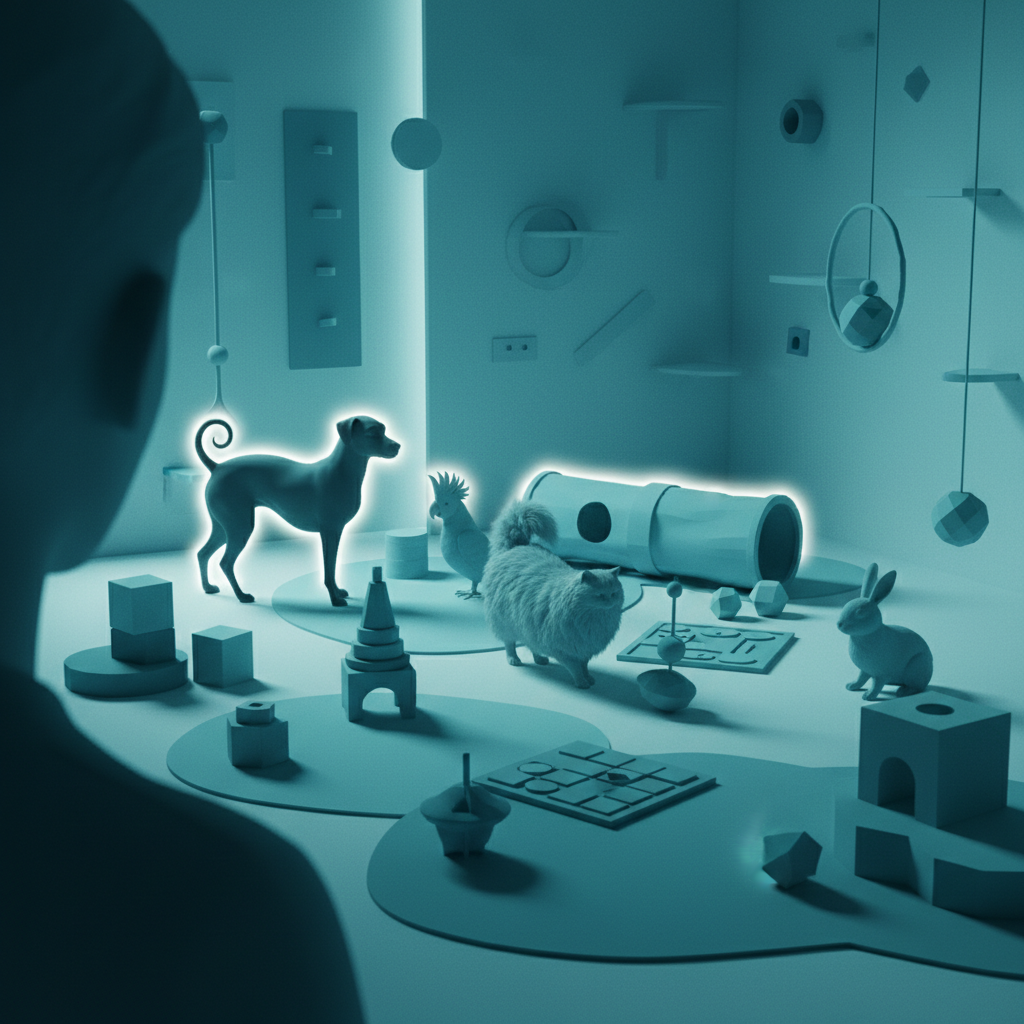
Learning shouldn’t feel like a chore. In fact, the most effective learning often occurs when it’s disguised as play. Play and enrichment are essential components of coherent education, providing pets with opportunities to explore, experiment, and develop their cognitive and physical skills in a fun and engaging way.
Unlocking Potential Through Play
Play allows pets to express their natural instincts, relieve stress, and build social bonds. It also stimulates their minds, challenges their problem-solving abilities, and enhances their coordination and motor skills. Whether it’s a game of fetch with a dog, a laser pointer chase with a cat, or a puzzle toy for a parrot, play provides pets with a valuable outlet for their energy and creativity.
Enrichment, on the other hand, refers to the process of providing pets with a stimulating and varied environment that meets their physical and psychological needs. This can include providing them with access to different textures, smells, and sounds, as well as opportunities to interact with other animals and humans.
Practical Enrichment Ideas
* **For Dogs:** Puzzle toys, chew toys, digging pits, agility courses, social interaction with other dogs.
* **For Cats:** Scratching posts, climbing trees, interactive toys, window perches, hidden treats.
* **For Parrots:** Puzzle toys, foraging opportunities, shreddable toys, climbing structures, social interaction with humans.
* **For Small Animals:** Tunnels, chew toys, hiding places, running wheels, social interaction with same-species companions.
By incorporating play and enrichment into your pet’s daily routine, you can create a learning environment that is both stimulating and enjoyable. This will not only enhance their cognitive abilities and physical health, but also strengthen your bond with them and create a more fulfilling relationship.
Beyond Commands: Fostering Critical Thinking
Coherent education goes beyond simply teaching pets to perform commands. It’s about fostering critical thinking, problem-solving skills, and the ability to adapt to new situations. It’s about empowering pets to become active participants in their own learning, rather than passive recipients of information.
Empowering Your Pet’s Intellect
This can be achieved by providing pets with opportunities to make choices, solve puzzles, and overcome challenges. For example, you can hide treats around the house and encourage your dog to use its nose to find them. You can provide your cat with a puzzle toy that requires it to manipulate objects to access food. Or you can present your parrot with a problem-solving challenge that requires it to use its beak and feet to manipulate objects.
By providing pets with these types of opportunities, you can stimulate their minds, enhance their cognitive abilities, and foster a sense of independence and self-confidence. This will not only make them better learners, but also more well-adjusted and resilient individuals.
Developing Adaptability
Furthermore, coherent education emphasizes the importance of generalizing skills to different contexts and situations. Instead of simply teaching a dog to sit in your living room, you should also practice the command in the park, on the street, and in other unfamiliar environments. This will help the dog learn to generalize the skill to different situations and become more reliable in its obedience.
Similarly, instead of simply teaching a cat to use the litter box in your home, you should also introduce it to different types of litter boxes and different locations in the house. This will help the cat learn to generalize the skill to different contexts and become more adaptable to changes in its environment.
Long-Term Benefits: A Lifetime of Learning
The benefits of coherent education extend far beyond the immediate rewards of a well-behaved pet. By fostering a love of learning, building a strong bond of trust, and empowering pets to become active participants in their own lives, you are setting them up for a lifetime of fulfillment and well-being.
Creating a Fulfilling Life
Coherently educated pets are more likely to be confident, resilient, and adaptable to change. They are also more likely to be able to form strong social bonds, cope with stress, and live long and healthy lives.
In conclusion, while rigidity might seem like a shortcut to immediate results, educating with coherence allows for a deeper, more meaningful connection with your pet. It’s about understanding, adapting, and fostering a lifelong love of learning. It’s an investment in their well-being, your relationship, and a future filled with shared joy and understanding. So, embrace the fluidity, celebrate the individuality, and watch your pet thrive in an environment where learning is an adventure, not a task.

The rigid adherence to predetermined rules might offer a semblance of control, but it often comes at the cost of stifled curiosity and missed opportunities for genuine connection. Choosing coherence over rigidity is choosing a path of mutual respect, understanding, and ultimately, a far more rewarding journey with your beloved companion.

Hi, my name is Robert Max, I live in the United States and I’m the creator of InTechNews. I started this blog with the goal of sharing reliable and practical information about pet care, helping pet owners provide a healthier and happier life for their animals. I’m passionate about animal well-being and believe that good information makes all the difference in responsible pet ownership.