
The Silent Suffocation of Expectations
We love our pets. We bring them into our homes, showering them with affection, toys, and the promise of a good life. But sometimes, in our eagerness to mold them into the perfect companions, we inadvertently subject them to excessive pressure. This pressure, often well-intentioned, can paradoxically hinder their learning and overall well-being. Have you ever considered that your desire for a perfectly trained, obedient pet might be doing more harm than good?
The truth is, learning, for any creature, is a delicate dance between encouragement and exploration. When pressure enters the equation, it throws off the rhythm, creating a tense and unproductive environment. Think of it like trying to teach a child to ride a bike by constantly yelling instructions and criticizing every wobble. The child is more likely to become anxious and discouraged than confident and skilled. The same principle applies to our furry, scaled, or feathered friends.
Understanding the Pressure Cooker
What exactly constitutes excessive pressure in the context of pet training and development? It’s not always about overt punishment or harsh commands. Often, it’s the subtle, pervasive feeling of being constantly scrutinized, judged, and expected to perform flawlessly. It’s the absence of patience, the impatience with mistakes, and the unwavering demand for immediate results.
Consider a scenario: You bring home a new puppy, brimming with enthusiasm and eager to please. You immediately enroll it in obedience classes, setting ambitious goals for its progress. Every training session becomes a test, a performance to be evaluated. You meticulously track its successes and failures, comparing it to other puppies in the class. When it inevitably makes mistakes – chewing on furniture, having accidents indoors, or failing to master a command on the first try – you react with frustration and disappointment.
This seemingly innocuous behavior can create a pressure cooker environment for the puppy. It begins to associate training with stress and anxiety, fearing your disapproval more than valuing the reward. Its natural curiosity and playful spirit are stifled, replaced by a hesitant and cautious demeanor. The joy of learning is lost, replaced by the burden of expectation.
The Neuroscience of Stress and Learning
The detrimental effects of pressure on learning are rooted in neuroscience. When an animal experiences stress, its body releases cortisol, a hormone that prepares it for “fight or flight.” While cortisol can be beneficial in short bursts – helping an animal escape danger, for example – prolonged exposure can have devastating consequences.
Chronically elevated cortisol levels impair cognitive function, particularly in areas of the brain responsible for learning and memory. It disrupts the formation of new neural connections, making it harder for the animal to process information and retain what it has learned. Furthermore, stress can suppress the immune system, making the animal more vulnerable to illness.
In essence, a stressed-out pet is a less capable learner. Its brain is preoccupied with survival, not with mastering new skills. It’s like trying to fill a leaky bucket – the information simply drains away.

The Counterproductive Nature of Perfectionism
Many pet owners fall into the trap of perfectionism, striving to mold their pets into idealized versions of themselves. They envision a dog that never barks, a cat that never scratches, a bird that always sings on cue. While it’s natural to have expectations, setting unrealistic standards can be incredibly damaging.
Perfectionism breeds impatience and intolerance. When your pet inevitably falls short of your lofty expectations, you may react with frustration, anger, or even punishment. This creates a cycle of negativity, where your pet learns to associate learning with pain and fear. It becomes afraid to try new things, fearing the consequences of failure.
Moreover, perfectionism robs you of the joy of appreciating your pet’s unique personality and quirks. Every animal is an individual, with its own strengths, weaknesses, and learning style. By focusing solely on what your pet *should* be, you miss out on the opportunity to celebrate what it *is*.
The Case of the Anxious Agility Dog
Consider the case of an agility dog named Sparky. Sparky was a naturally athletic and energetic dog, but his owner, Sarah, was a highly competitive agility enthusiast. Sarah pushed Sparky relentlessly, demanding perfect performance in every trial. She spent hours drilling him on complex sequences, constantly correcting his mistakes and scolding him for any perceived errors.
Over time, Sparky became increasingly anxious and withdrawn. He lost his enthusiasm for agility, approaching each trial with a hesitant and fearful demeanor. He started making more mistakes, tripping over jumps and missing cues. Sarah, frustrated by Sparky’s declining performance, only intensified her training regime, further exacerbating the problem.
Eventually, Sparky developed a severe anxiety disorder. He became fearful of loud noises, strangers, and even Sarah herself. He stopped eating and sleeping properly, and his overall health deteriorated. Sarah, finally realizing the harm she had inflicted, sought the help of a veterinary behaviorist.
The behaviorist diagnosed Sparky with generalized anxiety disorder and recommended a complete overhaul of his training regime. Sarah was instructed to focus on positive reinforcement, rewarding Sparky for his efforts rather than punishing him for his mistakes. She was also encouraged to reduce the intensity of training and to allow Sparky to simply enjoy playing and running.
Slowly but surely, Sparky began to recover. He regained his confidence and enthusiasm for agility, and his anxiety levels decreased significantly. Sarah learned a valuable lesson about the importance of patience, understanding, and unconditional love.
The Power of Positive Reinforcement
The antidote to excessive pressure is positive reinforcement. This involves rewarding desired behaviors with praise, treats, or toys, while ignoring or redirecting unwanted behaviors. Positive reinforcement creates a positive learning environment, where your pet feels safe, secure, and motivated to learn.
When you focus on rewarding good behavior, you reinforce the neural pathways associated with those behaviors, making them more likely to occur in the future. You also build a strong bond of trust and affection with your pet. It learns to associate you with positive experiences, making it more eager to please you.
Positive reinforcement is not about being permissive or allowing your pet to get away with anything. It’s about setting clear expectations and providing consistent guidance, but doing so in a supportive and encouraging manner. It’s about focusing on what your pet is doing right, rather than dwelling on what it is doing wrong.
Embracing Imperfection: A Path to Deeper Connection
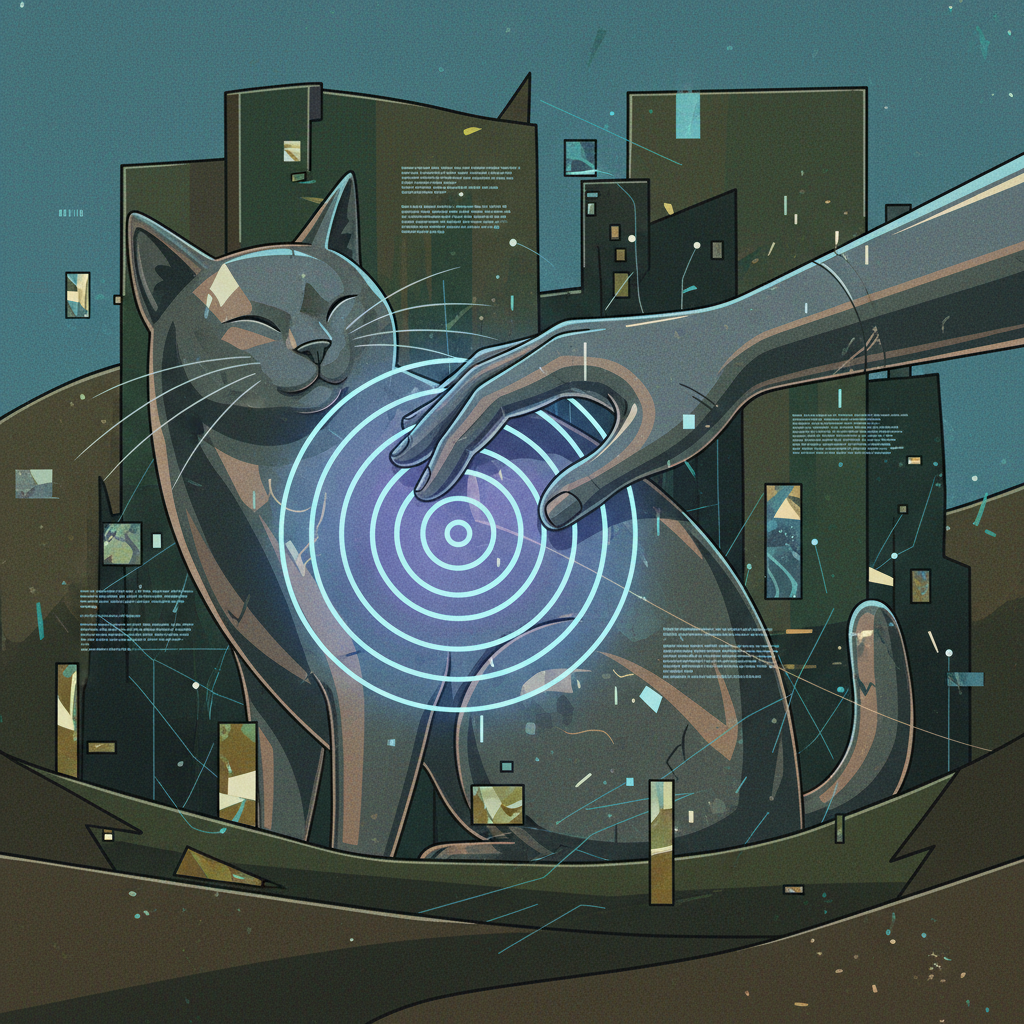
Perhaps the most important lesson is to embrace imperfection. Accept that your pet is not going to be perfect, and that’s okay. In fact, it’s more than okay – it’s what makes them unique and endearing.
Instead of focusing on flaws, celebrate your pet’s strengths and quirks. Appreciate its individual personality and learning style. Be patient with its mistakes, and view them as opportunities for learning and growth.
Remember, the goal of pet ownership is not to create a perfectly obedient robot, but to build a loving and meaningful relationship. This relationship is built on trust, respect, and unconditional love. It’s about accepting your pet for who it is, flaws and all.
The Art of Letting Go
Letting go of unrealistic expectations can be challenging, especially if you’ve spent years striving for perfection. It requires a shift in mindset, a willingness to relinquish control and embrace the unpredictable nature of animal behavior.
Start by reassessing your goals for your pet. Are they truly realistic and achievable? Are they based on your pet’s needs and capabilities, or on your own ego and desires? Be honest with yourself, and be willing to adjust your expectations accordingly.
Next, practice patience and understanding. When your pet makes a mistake, resist the urge to react with frustration or anger. Instead, take a deep breath and remind yourself that learning takes time. Offer gentle guidance and encouragement, and celebrate even the smallest signs of progress.
Finally, focus on the joy of the journey. Remember why you brought your pet into your life in the first place. Was it to win awards or impress your friends? Or was it to share your life with a loving and loyal companion?
A Tale of Two Owners: The Power of Perspective
Consider two owners, both with Labrador Retrievers. One owner, driven by a desire to compete in dog shows, meticulously trains her dog, Sasha, from a young age. She uses strict methods, demanding precision and obedience. Sasha, though well-trained, seems subdued, her tail often tucked between her legs. The joy seems absent from her work.
The other owner adopts a rescue Labrador, Max, with a history of neglect. Max is initially fearful and unsure, but his new owner approaches him with patience and kindness. She focuses on building his confidence, using positive reinforcement and playful training sessions. Max gradually blossoms, his tail wagging with enthusiasm. He may not be perfectly obedient, but he is happy and secure.
Which dog has a better life? Which owner has fostered a deeper connection with their pet? The answer is clear. The owner who prioritized pressure created a skilled but unhappy dog. The owner who prioritized patience created a happy and well-adjusted dog, even if not perfectly trained.

Reclaiming the Joy: Practical Steps to Reduce Pressure
If you suspect that you may be putting too much pressure on your pet, don’t despair. It’s never too late to change your approach and create a more positive and supportive environment. Here are some practical steps you can take:
* **Assess your expectations:** Are they realistic and achievable? Are they based on your pet’s needs and capabilities, or on your own ego and desires?
* **Focus on positive reinforcement:** Reward desired behaviors with praise, treats, or toys. Ignore or redirect unwanted behaviors.
* **Be patient:** Learning takes time. Don’t get discouraged by mistakes. Celebrate even the smallest signs of progress.
* **Embrace imperfection:** Accept that your pet is not going to be perfect, and that’s okay.
* **Prioritize fun:** Training should be enjoyable for both you and your pet. Incorporate games and play into your training sessions.
* **Seek professional guidance:** If you’re struggling to change your approach, consider consulting with a certified dog trainer or veterinary behaviorist.
* **Listen to your pet:** Pay attention to your pet’s body language and behavior. Is it showing signs of stress or anxiety? If so, reduce the pressure and focus on creating a more relaxed environment.
* **Practice self-compassion:** Changing ingrained habits can be difficult. Be kind to yourself and acknowledge your progress, even if it’s slow.
The Long-Term Benefits of a Pressure-Free Environment
Creating a pressure-free environment for your pet is not just about improving its training. It’s about fostering a deeper connection, enhancing its overall well-being, and enriching your own life.
When your pet feels safe, secure, and loved, it is more likely to thrive. It will be more confident, resilient, and adaptable. It will be more eager to learn and to please you. And it will be a happier, healthier companion for years to come.
Moreover, by letting go of your need for control and embracing the unpredictable nature of animal behavior, you will learn to appreciate the simple joys of pet ownership. You will discover the magic of unconditional love, the power of forgiveness, and the profound beauty of the human-animal bond.

A Final Reflection
So, the next time you’re tempted to push your pet harder, ask yourself: Am I helping or hindering its learning? Am I fostering a positive and supportive environment, or am I creating a pressure cooker? Remember, the most valuable lessons are learned in an atmosphere of love, patience, and understanding. Let’s strive to create that atmosphere for our beloved pets, allowing them to flourish and reach their full potential, not under the weight of expectations, but with the freedom to explore, learn, and simply be. The true reward lies not in a perfectly trained pet, but in the unbreakable bond forged through mutual respect and unwavering affection.

Hi, my name is Robert Max, I live in the United States and I’m the creator of InTechNews. I started this blog with the goal of sharing reliable and practical information about pet care, helping pet owners provide a healthier and happier life for their animals. I’m passionate about animal well-being and believe that good information makes all the difference in responsible pet ownership.