
The Power of Routine: Understanding Predictability in Pet Behavior
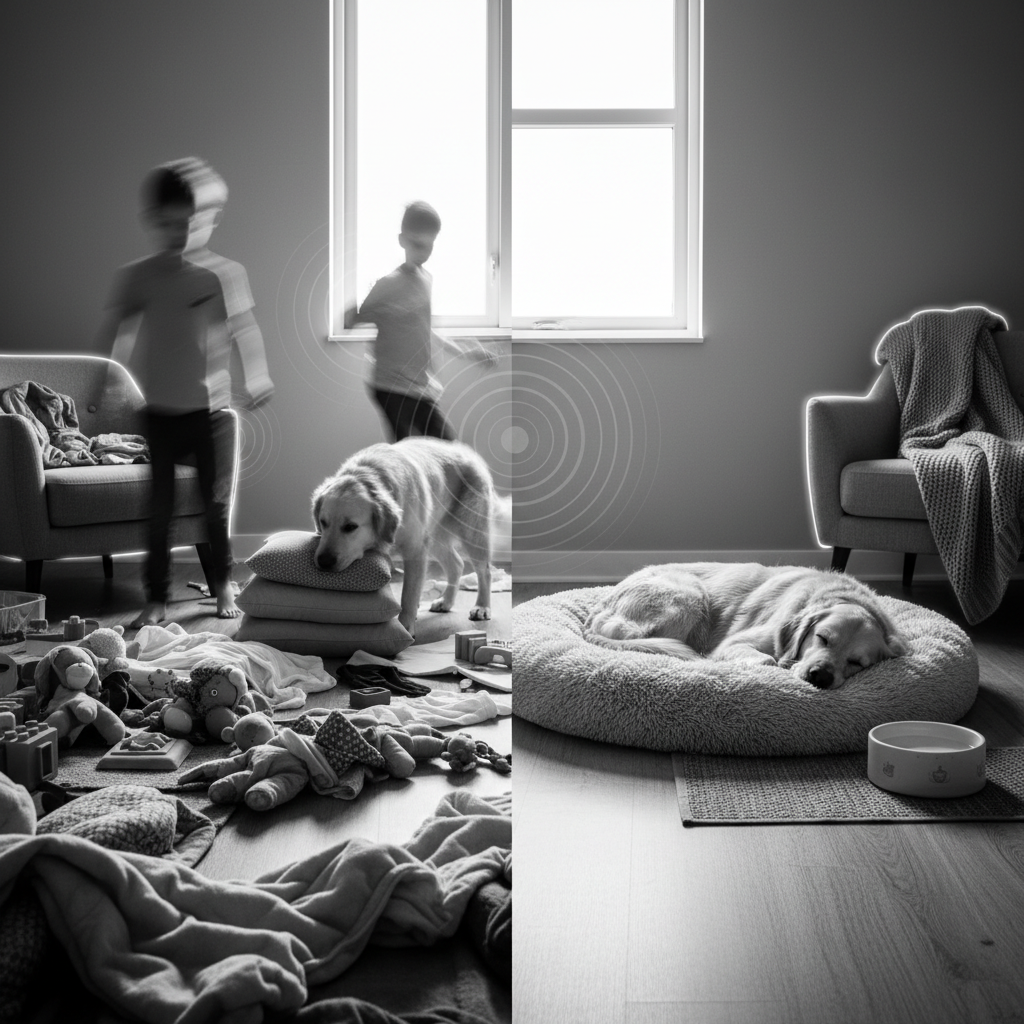
Have you ever stopped to consider how much your daily routine influences your pet’s behavior? We often underestimate the profound impact that predictability has on their well-being. For our furry, scaled, or feathered companions, a consistent environment can be the bedrock of a happy and balanced life. Conversely, a chaotic and unpredictable world can lead to anxiety, stress, and a host of behavioral problems. Why is this? It boils down to their inherent need for security and understanding within their surroundings.
Think about it from their perspective. They can’t read a calendar or understand verbal explanations of upcoming events. They rely on cues – your actions, the sounds around them, the time of day – to anticipate what’s coming next. When these cues are consistent, they feel safe and secure. When they are erratic, it creates uncertainty, which can manifest as fear, aggression, or other unwanted behaviors. Consider a dog who is unsure when they’ll be fed each day, or a cat who never knows when the next loud vacuum cleaner onslaught will occur. These seemingly small inconsistencies can have a significant impact on their emotional state.
Why Predictability Matters: A Deeper Dive
The concept of predictability extends far beyond just feeding schedules and walks. It encompasses the entire tapestry of their daily existence. It’s about the tone of your voice, the way you approach them, the consistency of your rules, and the overall atmosphere of your home. Let’s explore some key reasons why predictability is so crucial for preventing and managing behavioral problems in pets.
- Reduces Anxiety and Stress: A predictable environment allows pets to anticipate events, reducing their anxiety and stress levels. They know when to expect food, walks, playtime, and rest, which helps them feel in control and secure.
- Promotes a Sense of Security: Consistency in routines and interactions creates a sense of security. Pets feel safer and more confident when they understand their surroundings and know what to expect.
- Enhances Trust and Bonding: Predictable behavior from their owners fosters trust and strengthens the bond between pet and human. They learn that you are reliable and that they can depend on you.
- Prevents Fear-Based Aggression: Unpredictable environments can trigger fear, which can lead to defensive aggression. A consistent and predictable environment reduces fear and minimizes the likelihood of aggressive behavior.
- Improves Trainability: Pets learn more effectively in a predictable environment. When they know what to expect, they are more relaxed and receptive to training.
Imagine a scenario: A family adopts a rescue dog with an unknown history. The dog is naturally anxious and wary. The family, unintentionally, has a very inconsistent schedule. Some days the dog is walked in the morning, other days in the evening. Sometimes he’s fed at 7 am, other times at 10 am. The children play roughly with him one day and ignore him the next. This inconsistency exacerbates the dog’s anxiety, leading to barking, destructive chewing, and even snapping at the children. The family, frustrated, considers returning the dog. However, a knowledgeable behaviorist advises them to establish a consistent routine. Within weeks of implementing a predictable schedule of walks, feedings, playtime, and quiet time, the dog’s anxiety decreases dramatically, and the behavioral problems begin to subside. This illustrates the profound impact that predictability can have on even the most anxious and challenging pets.
Building a Predictable World for Your Pet: Practical Strategies
Creating a predictable environment for your pet doesn’t require a rigid, militaristic schedule. It’s about establishing consistent routines and patterns that provide them with a sense of security and understanding. Here are some practical strategies to help you build a more predictable world for your beloved companion:
Establish Consistent Routines
This is the cornerstone of predictability. Set regular times for feeding, walks, playtime, grooming, and bedtime. Even small variations can be disruptive, so strive for consistency as much as possible. For example, if you typically feed your cat at 6 pm, try to stick to that time, even on weekends. If you walk your dog every morning at 7 am, make that a non-negotiable part of your daily routine.
Create a Safe and Predictable Environment
Ensure that your pet has a safe and comfortable space where they can retreat when they feel overwhelmed or anxious. This could be a crate, a bed, or a quiet corner of the house. Avoid moving their safe space frequently, as this can disrupt their sense of security. Keep their food and water bowls in the same location, and avoid making sudden changes to their environment without gradually introducing them.
Use Consistent Verbal Cues and Body Language
Pets are masters at reading our body language and tone of voice. Use consistent verbal cues and body language when interacting with your pet. For example, if you’re teaching your dog to sit, always use the same word (“sit”) and the same hand gesture. Avoid yelling or using harsh tones, as this can create fear and anxiety. Instead, speak in a calm and reassuring voice.
Introduce Changes Gradually
Life is full of unexpected changes, but try to introduce them to your pet gradually whenever possible. If you’re planning a home renovation, for example, gradually introduce your pet to the new smells and sounds. If you’re bringing a new pet into the household, allow them to meet in a controlled and supervised environment. Avoid making sudden or drastic changes that can overwhelm your pet.
Be Mindful of Your Own Behavior
Your own behavior can have a significant impact on your pet’s sense of predictability. If you’re stressed, anxious, or irritable, your pet will likely pick up on your emotions. Try to maintain a calm and consistent demeanor around your pet, even when you’re feeling overwhelmed. Remember, they rely on you for security and stability.
Consider this example: A family decides to adopt a second dog. They understand the importance of introducing the dogs gradually. They start by allowing the dogs to sniff each other under the door, then progress to supervised meetings in a neutral location. They ensure that both dogs have their own separate spaces and that they receive equal attention. By introducing the new dog gradually and predictably, they minimize the stress and anxiety for both animals and prevent potential conflicts. This demonstrates the power of thoughtful and deliberate introductions in maintaining a predictable environment.
Addressing Specific Behavioral Problems Through Predictability
Predictability isn’t just a general principle; it can be a powerful tool for addressing specific behavioral problems in pets. By understanding the underlying causes of these problems and implementing strategies to create a more predictable environment, you can often significantly reduce or eliminate unwanted behaviors.
Anxiety and Fear
Anxiety and fear are often rooted in unpredictability. Pets who have experienced trauma or have a genetic predisposition to anxiety may be particularly sensitive to changes in their environment. To address anxiety and fear, focus on creating a safe and predictable environment where your pet feels secure and in control. This may involve establishing consistent routines, providing a safe haven, and using positive reinforcement training techniques.
For example, a dog who is afraid of thunderstorms may benefit from a predictable routine during storms. This could involve providing them with a safe space, playing calming music, and offering them treats or toys to distract them from the noise. By consistently following this routine during each storm, you can help them learn to associate thunderstorms with positive experiences, reducing their anxiety over time.
Aggression
Aggression is often a complex behavior with multiple underlying causes, but unpredictability can certainly contribute to it. Pets who feel threatened or insecure may become aggressive as a way to defend themselves. To address aggression, it’s crucial to identify the triggers that provoke the behavior and then work to create a more predictable environment where those triggers are minimized. This may involve avoiding situations that trigger aggression, using positive reinforcement training techniques, and consulting with a qualified behaviorist.
Consider a cat who is aggressive towards strangers. The cat may feel threatened by unfamiliar people entering their territory. To address this, you could create a safe room for the cat where they can retreat when visitors arrive. You could also desensitize the cat to the presence of strangers by gradually introducing them to new people in a controlled and supervised environment. By making the arrival of strangers more predictable and less threatening, you can help reduce the cat’s aggression.
Destructive Behavior
Destructive behavior is often a sign of boredom, anxiety, or frustration. Pets who are not getting enough exercise, mental stimulation, or attention may resort to destructive behavior as a way to release their energy. To address destructive behavior, focus on providing your pet with adequate physical and mental stimulation and creating a more predictable routine. This may involve increasing the amount of exercise they get, providing them with puzzle toys, and spending more time playing with them.
For instance, a dog who chews on furniture may be bored or anxious. To address this, you could increase the amount of time you spend walking or playing with the dog. You could also provide them with a variety of chew toys to keep them occupied. By providing the dog with more outlets for their energy, you can reduce their destructive behavior.

The Importance of Consistency: A Long-Term Commitment
Establishing a predictable environment for your pet is not a one-time fix; it’s an ongoing commitment. Consistency is key to maintaining a stable and secure environment that promotes positive behavior and reduces stress. Be prepared to stick to your routines, even when life gets busy or unpredictable. Your pet will thank you for it.
It’s also important to remember that every pet is an individual. What works for one pet may not work for another. Be patient and observant, and adjust your strategies as needed to meet your pet’s unique needs. If you’re struggling to address behavioral problems on your own, don’t hesitate to seek professional help from a qualified veterinarian or behaviorist.
Dealing with Inevitable Disruptions
Despite our best efforts, life is full of unexpected events that can disrupt our routines. Travel, visitors, illness, and other unforeseen circumstances can all throw a wrench into our carefully planned schedules. When these disruptions occur, it’s important to minimize the impact on your pet as much as possible.
If you’re traveling, try to maintain as much of your pet’s routine as possible. This may involve bringing their familiar food and water bowls, toys, and bedding. If you’re boarding your pet, choose a facility that provides a consistent and predictable environment. If you’re having visitors, create a safe space for your pet where they can retreat if they feel overwhelmed.
The key is to be flexible and adaptable while still maintaining a sense of consistency. Your pet will appreciate your efforts to provide them with a stable and secure environment, even when things get chaotic.
Consider this scenario: A family is moving to a new home. This is a major disruption for their pet, a senior cat named Whiskers, who is very attached to her familiar surroundings. To minimize Whiskers’ stress, the family takes several steps. They keep Whiskers in a quiet room on moving day, surrounded by her familiar belongings. They transport her to the new home in a secure carrier and immediately set up her safe space with her bed, food, and water. They spend extra time with Whiskers in the days following the move, providing her with reassurance and attention. By taking these steps, the family helps Whiskers adjust to her new home more easily and minimizes her anxiety.
Beyond the Basics: The Nuances of Predictability
While establishing routines and creating a safe environment are fundamental, there are more nuanced aspects of predictability that can further enhance your pet’s well-being. Understanding these nuances can help you fine-tune your approach and create an even more harmonious relationship with your companion.
Understanding Your Pet’s Individual Preferences
Every pet has their own unique preferences and sensitivities. Some pets thrive on routine and predictability, while others are more adaptable and resilient. Pay attention to your pet’s individual cues and adjust your approach accordingly. If your pet seems stressed or anxious by even minor changes in their routine, you may need to be extra vigilant about maintaining consistency. If your pet is more adaptable, you may have more flexibility in your schedule.
The Role of Positive Reinforcement
Positive reinforcement is a powerful tool for creating a predictable and positive learning environment for your pet. By consistently rewarding desired behaviors, you can help your pet understand what you expect from them and build their confidence. Use clear and consistent cues and reward them with treats, praise, or toys when they perform the desired behavior. Avoid using punishment or harsh corrections, as this can create fear and anxiety.
The Importance of Communication
Communication is key to building a strong and trusting relationship with your pet. Learn to read your pet’s body language and understand their cues. Pay attention to their facial expressions, posture, and vocalizations. By understanding what your pet is trying to communicate, you can better respond to their needs and create a more predictable and harmonious environment.

Case Studies: Predictability in Action
To further illustrate the impact of predictability on pet behavior, let’s examine a few real-world case studies.
Case Study 1: The Anxious Chihuahua
Bella, a five-year-old Chihuahua, was adopted from a local shelter. She was extremely anxious and fearful, constantly trembling and hiding under furniture. Her new owners quickly realized that Bella thrived on routine. They established a strict schedule for feeding, walks, and playtime. They also created a safe space for her in a quiet corner of the house. Within a few weeks, Bella’s anxiety decreased dramatically. She became more confident and playful, and her trembling subsided. The owners attributed Bella’s transformation to the consistent and predictable environment they had created for her.
Case Study 2: The Aggressive Labrador
Max, a two-year-old Labrador Retriever, was known for his aggressive behavior towards other dogs. His owners were at their wit’s end, as they couldn’t take him to the park or even walk him on the street without him lunging and barking at other dogs. A behaviorist recommended a combination of training and environmental modification. The owners began by avoiding situations that triggered Max’s aggression. They also enrolled him in a positive reinforcement training class. The behaviorist also emphasized the importance of predictability in Max’s daily routine. The owners established a consistent schedule for walks, feedings, and playtime. Over time, Max’s aggression decreased significantly. He learned to tolerate other dogs and eventually even made a few canine friends. The owners credited the combination of training and predictability for Max’s successful rehabilitation.
Case Study 3: The Destructive Parrot
Rio, a three-year-old African Grey Parrot, was notorious for his destructive behavior. He would chew on furniture, tear up paper, and even bite his owners. A veterinarian suggested that Rio’s destructive behavior was likely due to boredom and lack of mental stimulation. The owners began providing Rio with a variety of puzzle toys and enrichment activities. They also established a consistent schedule for playtime and interaction. They made sure Rio had a predictable amount of time outside his cage each day. Gradually, Rio’s destructive behavior decreased. He became more engaged and playful, and his biting subsided. The owners realized that Rio needed a predictable and stimulating environment to thrive.

The Lasting Benefits of a Predictable Life
Creating a predictable environment for your pet is an investment in their long-term well-being. It’s a commitment to providing them with a stable, secure, and loving home where they can thrive. The benefits of predictability extend far beyond just reducing behavioral problems. It can also strengthen the bond between you and your pet, improve their overall health and happiness, and create a more harmonious living environment for everyone involved.
So, take a moment to reflect on your own pet’s life. Are there areas where you could create more predictability? Are there routines you could establish or changes you could make to create a more secure and comfortable environment for them? By embracing the power of predictability, you can unlock your pet’s full potential and create a deeper, more meaningful connection with your beloved companion.

Hi, my name is Robert Max, I live in the United States and I’m the creator of InTechNews. I started this blog with the goal of sharing reliable and practical information about pet care, helping pet owners provide a healthier and happier life for their animals. I’m passionate about animal well-being and believe that good information makes all the difference in responsible pet ownership.