
Beyond the Bubbles: Rethinking Pet Hygiene
We all love our furry companions, cherishing their playful antics, comforting cuddles, and unwavering loyalty. But amidst the joy they bring, there’s a less glamorous, yet equally crucial aspect of pet ownership: hygiene. While the image of a freshly bathed, sweet-smelling pet might be the first thing that springs to mind, true pet hygiene encompasses so much more than just bath time. It’s a holistic approach to ensuring their well-being, preventing health issues, and fostering a harmonious living environment for both you and your beloved animal.
How often do we truly consider the microscopic world our pets inhabit, the bacteria and parasites they encounter, and the potential impact these can have on their health and our own? Are we simply masking odors with scented shampoos, or are we genuinely addressing the root causes of pet-related hygiene concerns? This article delves deep into the often-overlooked facets of pet hygiene, providing practical advice and insights to elevate your pet care routine and ensure a healthier, happier life for your furry friend.
The Invisible World of Pet Hygiene
Imagine a world teeming with microscopic organisms, some beneficial, others potentially harmful. This is the reality our pets navigate daily. From the moment they step outside, their paws become magnets for bacteria, parasites, and environmental allergens. These invisible hitchhikers can then be tracked into our homes, potentially affecting our own health and well-being. Understanding this microscopic landscape is the first step in creating a truly effective pet hygiene strategy.
Consider the simple act of walking your dog in a public park. Your dog’s paws come into contact with countless surfaces, each harboring a unique ecosystem of microorganisms. While their immune system is generally equipped to handle many of these exposures, a compromised immune system, a pre-existing skin condition, or simply a high concentration of harmful bacteria can lead to infections, allergies, and other health problems. Regular paw cleaning, therefore, becomes more than just a cosmetic practice; it’s a crucial preventative measure.
Furthermore, our pets’ grooming habits can also contribute to the spread of bacteria and parasites. Cats, in particular, are meticulous groomers, spending a significant portion of their day licking their fur. While this helps keep them clean, it also means they ingest any bacteria, parasites, or allergens present on their coat. This can lead to internal health issues, such as parasitic infections, or trigger allergic reactions. Regular brushing and grooming, combined with targeted hygiene practices, can significantly reduce this risk.
Beyond the Bath: A Comprehensive Hygiene Routine
While bathing is undoubtedly an important part of pet hygiene, it’s just one piece of the puzzle. A truly comprehensive hygiene routine encompasses a variety of practices, each designed to address specific needs and potential health concerns. Let’s explore some of the key components of a holistic pet hygiene regimen:
Paw Care: The First Line of Defense
As mentioned earlier, paws are often the primary point of contact between our pets and the outside world. Regular paw cleaning is essential, especially after walks in public areas. This can be as simple as wiping their paws with a damp cloth or using a pet-safe paw cleaning solution. For dogs with long fur between their toes, trimming this fur regularly can help prevent the accumulation of dirt and moisture, reducing the risk of bacterial or fungal infections.
During winter months, paw care becomes even more critical. Road salt and other de-icing agents can be extremely irritating to paws, causing dryness, cracking, and even chemical burns. Rinsing their paws thoroughly after each walk and applying a pet-safe paw balm can help protect them from these harsh elements. Consider investing in dog booties for added protection during particularly harsh weather conditions.
Furthermore, regular nail trimming is an integral part of paw care. Overgrown nails can be uncomfortable for your pet, affecting their gait and potentially leading to injuries. Invest in a good quality nail trimmer designed specifically for pets and learn the proper technique for trimming their nails safely and effectively. If you’re unsure, consult with your veterinarian or a professional groomer.

Dental Hygiene: More Than Just a Pretty Smile
Dental disease is one of the most common health problems affecting pets, particularly dogs and cats. It can lead to a range of issues, from bad breath and gum inflammation to tooth loss and even systemic infections affecting the heart, liver, and kidneys. Regular dental hygiene is therefore crucial for maintaining your pet’s overall health and well-being.
Ideally, you should brush your pet’s teeth daily, using a pet-specific toothbrush and toothpaste. Human toothpaste contains ingredients that are toxic to animals, so it’s essential to use a product specifically formulated for pets. If daily brushing is not feasible, aim for at least a few times a week. You can also incorporate dental chews and toys into their routine to help remove plaque and tartar buildup.
In addition to home dental care, regular professional dental cleanings are essential. Your veterinarian can perform a thorough dental examination and cleaning under anesthesia, removing plaque and tartar from above and below the gum line. This can help prevent the progression of dental disease and protect your pet’s overall health. Discuss with your veterinarian the appropriate frequency of professional dental cleanings for your pet.
Ear Care: Preventing Infections and Discomfort
Ear infections are another common problem affecting pets, particularly dogs with floppy ears. Moisture and debris can easily become trapped in the ear canal, creating a breeding ground for bacteria and yeast. Regular ear cleaning can help prevent these infections and keep your pet comfortable.
Use a pet-specific ear cleaning solution recommended by your veterinarian. Gently flush the ear canal with the solution and then massage the base of the ear to help loosen any debris. Use a cotton ball to wipe away any excess solution and debris. Avoid using cotton swabs, as these can push debris further into the ear canal and potentially damage the eardrum. If you notice any signs of an ear infection, such as redness, swelling, discharge, or excessive scratching, consult with your veterinarian immediately.
Coat Care: Grooming for Health and Hygiene
Regular brushing is essential for maintaining a healthy and hygienic coat. Brushing helps remove loose fur, dirt, and debris, preventing mats and tangles from forming. It also stimulates blood circulation, promoting healthy skin and fur growth. The frequency of brushing will depend on your pet’s breed and coat type. Long-haired breeds require more frequent brushing than short-haired breeds.
When bathing your pet, use a shampoo specifically formulated for their species and coat type. Human shampoos can be too harsh and drying for pet skin. Be sure to rinse thoroughly to remove all traces of shampoo, as residue can cause skin irritation. Avoid bathing your pet too frequently, as this can strip their skin of its natural oils. As a general rule, bathe your pet only when necessary, such as when they are visibly dirty or have a strong odor.
Flea and tick prevention is also an important aspect of coat care. These parasites can cause skin irritation, transmit diseases, and even infest your home. Use a flea and tick preventative recommended by your veterinarian. There are a variety of options available, including topical treatments, oral medications, and collars. Choose the product that is best suited for your pet’s lifestyle and health needs.

The Importance of a Clean Living Environment
Pet hygiene isn’t just about keeping your pet clean; it’s also about maintaining a clean and hygienic living environment. Our pets spend a significant amount of time indoors, so it’s essential to create a space that is free from bacteria, parasites, and allergens. This benefits not only your pet’s health but also your own.
Regular Cleaning and Disinfection
Vacuuming regularly is crucial for removing pet hair, dander, and other allergens from carpets and upholstery. Use a vacuum cleaner with a HEPA filter to trap even the smallest particles. Mop hard floors regularly with a pet-safe disinfectant. Pay particular attention to areas where your pet spends a lot of time, such as their sleeping area and feeding area.
Wash your pet’s bedding regularly in hot water and detergent. This will help kill any bacteria, parasites, or allergens that may be present. Clean and disinfect their food and water bowls daily. Replace their water frequently to prevent the growth of bacteria. Regularly clean and disinfect their litter box or other waste disposal areas.
Odor Control: Beyond Air Fresheners
Pet odors can be a common concern for pet owners. While air fresheners can mask odors temporarily, they don’t address the underlying cause. To truly control pet odors, it’s essential to identify and eliminate the source. This may involve cleaning up accidents promptly, using enzymatic cleaners to break down organic matter, and ensuring proper ventilation.
Consider using an air purifier with a HEPA filter and activated carbon filter to remove pet dander, allergens, and odors from the air. These filters can significantly improve air quality and create a more comfortable living environment for both you and your pet. Avoid using harsh chemicals or strong fragrances, as these can be irritating to pets and potentially harmful to their health.
The Role of Diet in Pet Hygiene
What your pet eats directly impacts their overall health, including their skin, coat, and digestive system. A balanced and nutritious diet is essential for maintaining a healthy immune system and preventing skin problems that can lead to hygiene issues. Choose a high-quality pet food that is appropriate for your pet’s age, breed, and activity level. Consult with your veterinarian to determine the best diet for your individual pet.
Certain dietary supplements can also help improve pet hygiene. Omega-3 fatty acids, for example, can help reduce inflammation and improve skin and coat health. Probiotics can help maintain a healthy gut microbiome, which is essential for digestion and immune function. Talk to your veterinarian about whether dietary supplements are appropriate for your pet.

Addressing Specific Hygiene Challenges
While a comprehensive hygiene routine can go a long way in preventing common pet health problems, certain pets may require additional care due to specific breed predispositions, health conditions, or lifestyle factors. Here are some common hygiene challenges and strategies for addressing them:
Allergies and Skin Sensitivities
Pets with allergies or skin sensitivities are more prone to skin infections and other hygiene-related problems. Regular bathing with a hypoallergenic shampoo can help remove allergens and soothe irritated skin. Your veterinarian may also recommend medicated shampoos or topical treatments to address specific skin conditions.
Identify and eliminate potential allergens from your pet’s environment, such as certain food ingredients, dust mites, or pollen. Consider using hypoallergenic bedding and cleaning products. Regular grooming can also help remove allergens from their coat.
Obesity and Mobility Issues
Obese pets and pets with mobility issues may have difficulty grooming themselves properly, leading to hygiene problems. They may also be more prone to skin infections in areas where they cannot reach. Assist them with grooming as needed, paying particular attention to areas that are difficult for them to reach. Consider using grooming wipes to clean specific areas between baths.
Work with your veterinarian to develop a weight management plan for your obese pet. Regular exercise and a balanced diet can help them lose weight and improve their mobility. Provide them with comfortable bedding that is easy to access and clean.
Senior Pets: Special Considerations
Senior pets may have a harder time maintaining their hygiene due to age-related health problems, such as arthritis or cognitive dysfunction. They may also be more prone to skin infections and dental disease. Be patient and gentle when grooming senior pets. Provide them with regular baths and dental cleanings. Monitor them closely for any signs of health problems and consult with your veterinarian as needed.
Consider using ramps or steps to help senior pets access their bedding, food and water bowls, and litter box. Provide them with a comfortable and supportive bed. Keep their nails trimmed short to prevent them from slipping and falling.
The Human-Animal Bond and Hygiene
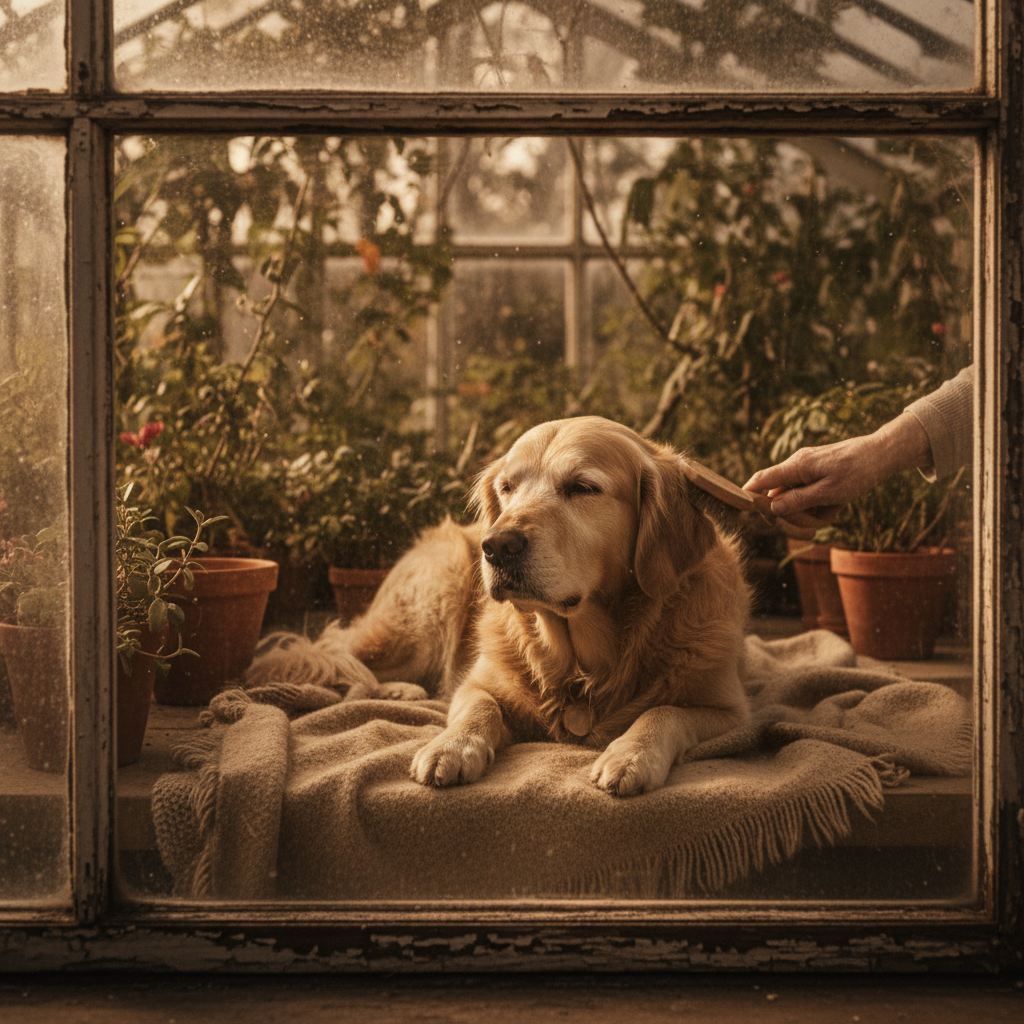
Ultimately, pet hygiene is not just about maintaining cleanliness; it’s about strengthening the bond between you and your pet. By taking the time to care for their hygiene needs, you are demonstrating your love and commitment to their well-being. This can lead to a deeper sense of trust and connection, enriching your relationship and fostering a happier, healthier life for both of you.
Think about the times your pet has comforted you during a difficult moment, offered you unwavering loyalty, or simply made you smile with their playful antics. Isn’t their well-being worth the effort of a comprehensive hygiene routine? By going beyond the superficial and embracing a holistic approach to pet hygiene, you are not only protecting their health but also nurturing the invaluable bond you share. It’s an investment in their happiness, your peace of mind, and the enduring joy of pet ownership.

Hi, my name is Robert Max, I live in the United States and I’m the creator of InTechNews. I started this blog with the goal of sharing reliable and practical information about pet care, helping pet owners provide a healthier and happier life for their animals. I’m passionate about animal well-being and believe that good information makes all the difference in responsible pet ownership.