
The Unseen Dangers: How Improper Cleaning Impacts Your Pet’s Well-being
We all strive to create a safe and loving environment for our furry companions. We meticulously choose their food, ensure they get plenty of exercise, and shower them with affection. But how often do we truly consider the potential dangers lurking within our cleaning routines? The seemingly innocuous act of cleaning our homes can inadvertently pose significant risks to our pets, often with consequences we don’t immediately recognize. Are we, in our quest for a spotless home, unknowingly jeopardizing the health and happiness of our beloved animals?
The truth is, many common household cleaning products contain chemicals that can be highly toxic to pets. These chemicals can cause a range of health issues, from mild skin irritation to severe organ damage and even death. Understanding these risks and adopting safer cleaning practices is crucial for protecting our pets and ensuring their long-term well-being. Let’s delve into the specifics of how improper cleaning can negatively impact your pet’s health and explore effective solutions for creating a truly pet-safe home.
The Sneaky Culprits: Common Cleaning Products and Their Toxic Effects
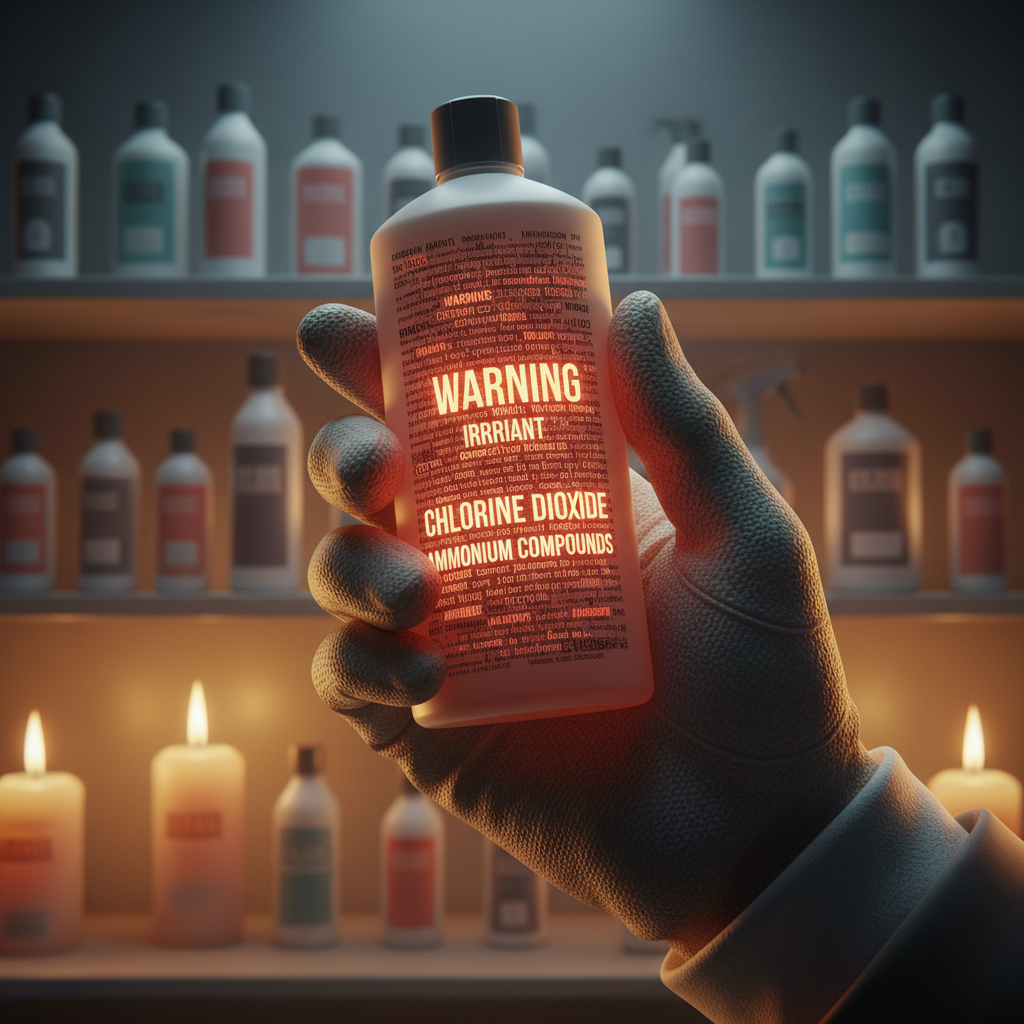
The first step in safeguarding your pet’s health is identifying the potential hazards lurking within your cleaning cabinet. Many everyday cleaning products contain ingredients that are harmful, even deadly, to animals. Here’s a breakdown of some of the most common culprits and the ways they can affect your furry friends:
- Ammonia: Found in many window cleaners, floor waxes, and oven cleaners, ammonia is a highly irritating gas. When inhaled, it can cause respiratory distress, coughing, and even pneumonia in pets. Ingesting ammonia can lead to burns in the mouth, throat, and stomach.
- Bleach: A ubiquitous disinfectant, bleach is highly corrosive. Exposure can cause skin and eye irritation, vomiting, and esophageal damage if ingested. Even diluted bleach can be harmful to pets, especially cats, who are particularly sensitive to its effects.
- Phenols: Commonly found in disinfectant wipes and sprays, phenols are highly toxic to cats. They can cause liver damage, tremors, seizures, and even death. Dogs are also susceptible to the harmful effects of phenols, although to a slightly lesser extent.
- Glycol Ethers: These solvents are present in many all-purpose cleaners, degreasers, and spot removers. Exposure can cause anemia, kidney damage, and neurological problems in pets.
- Phthalates: Often used in scented cleaning products, phthalates are endocrine disruptors that can interfere with hormone production and reproductive health in animals.
- Formaldehyde: This preservative is found in some disinfectants and cleaning solutions. It is a known carcinogen and can cause respiratory irritation, skin allergies, and neurological problems in pets.
It’s important to remember that even products labeled as “natural” or “eco-friendly” may still contain ingredients that are harmful to pets. Always read the ingredient list carefully and research any unfamiliar chemicals before using a product in your home. Don’t assume that a pleasant scent means a product is safe; fragrances can often mask the presence of harmful chemicals.
The Ways of Exposure: How Pets Come into Contact with Cleaning Chemicals
Understanding how pets come into contact with cleaning chemicals is crucial for preventing accidental poisoning. Pets can be exposed to these toxins through various routes, including:
- Ingestion: This is perhaps the most common route of exposure. Pets may lick up spills, ingest cleaning solutions left in buckets or spray bottles, or chew on cleaning wipes. Curiosity, especially in puppies and kittens, can lead to accidental ingestion.
- Inhalation: The fumes from cleaning products can irritate a pet’s respiratory system, especially in animals with pre-existing respiratory conditions like asthma. Aerosol sprays and strong-smelling cleaners pose the greatest risk of inhalation exposure.
- Dermal Contact: When pets walk or lie on freshly cleaned surfaces, their skin can absorb chemicals from the cleaning products. This can cause skin irritation, allergic reactions, and even systemic toxicity. Certain breeds with sensitive skin are particularly vulnerable.
- Grooming: Cats, in particular, are meticulous groomers. If they come into contact with cleaning chemicals on their fur, they will inevitably ingest these toxins while grooming themselves. This can lead to serious health problems, especially in cats with compromised immune systems.
Consider a scenario: You’ve just mopped your floors with a scented cleaner and allowed your dog back into the room before the floor is completely dry. The dog, eager to explore, immediately starts licking the floor. Unbeknownst to you, the cleaner contains a low concentration of phenols. While the immediate effects may be minimal, repeated exposure over time could lead to liver damage and other health complications. This underscores the importance of vigilance and preventative measures.
The Tell-Tale Signs: Recognizing Symptoms of Chemical Poisoning in Pets
Recognizing the symptoms of chemical poisoning in pets is critical for seeking prompt veterinary care. The signs of poisoning can vary depending on the type and amount of toxin ingested, as well as the pet’s size and overall health. However, some common symptoms to watch out for include:
- Vomiting and Diarrhea: These are often the first signs of poisoning, as the body attempts to eliminate the toxic substance.
- Excessive Drooling: Increased salivation can indicate irritation of the mouth and throat.
- Loss of Appetite: A sudden refusal to eat can be a sign of nausea or discomfort.
- Lethargy and Weakness: Chemical exposure can cause fatigue and a general lack of energy.
- Difficulty Breathing: Respiratory distress can result from inhalation of toxic fumes or damage to the lungs.
- Tremors and Seizures: These neurological signs indicate that the toxin is affecting the nervous system.
- Skin Irritation and Burns: Redness, swelling, and blistering of the skin can occur from dermal contact with corrosive chemicals.
- Changes in Behavior: Confusion, disorientation, or agitation can be signs of neurological impairment.
If you suspect that your pet has been exposed to a cleaning chemical, it’s essential to act quickly. Contact your veterinarian or the ASPCA Animal Poison Control Center immediately. Provide as much information as possible about the product your pet was exposed to, the amount ingested or the duration of exposure, and the symptoms your pet is exhibiting. Do not attempt to induce vomiting unless specifically instructed to do so by a veterinarian. In some cases, inducing vomiting can cause further damage. Remember, time is of the essence when it comes to treating chemical poisoning in pets.
Switching Gears: Embracing Pet-Safe Cleaning Alternatives
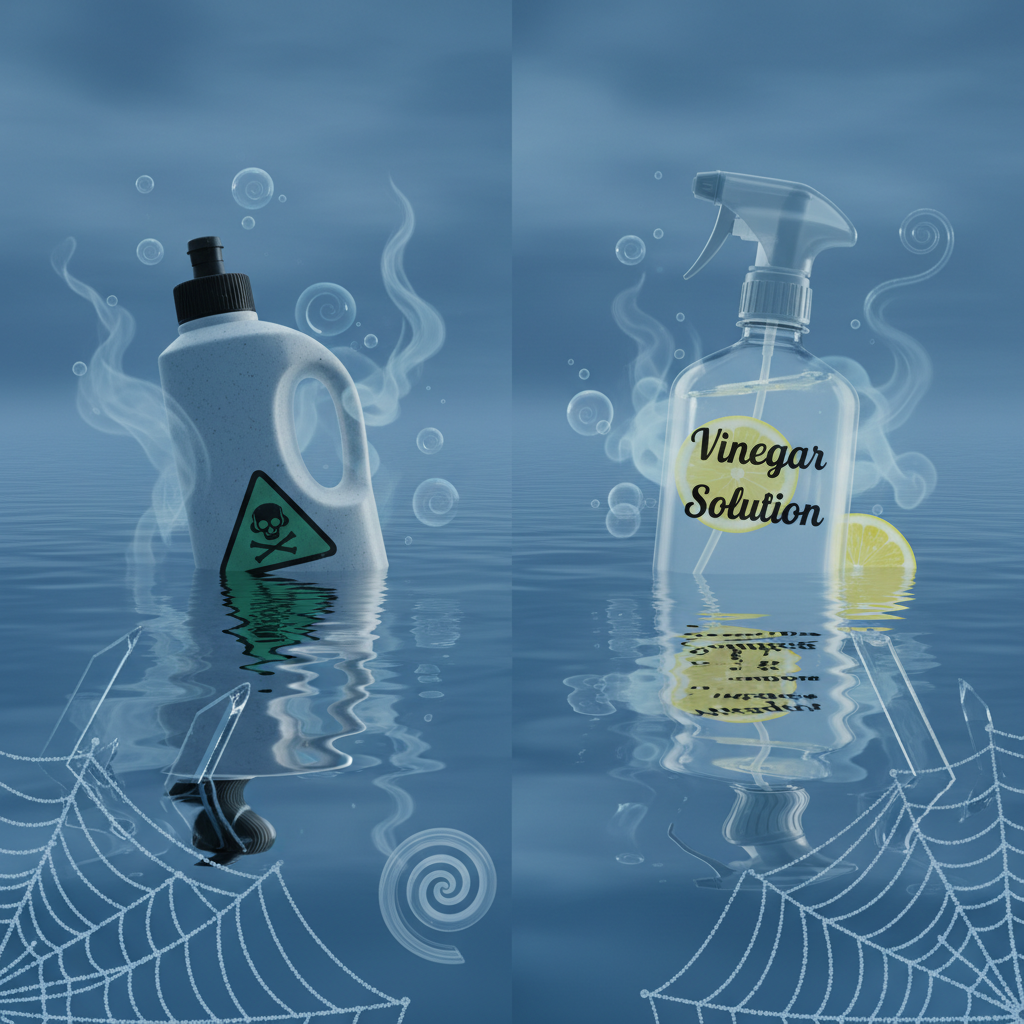
Fortunately, creating a pet-safe home doesn’t require sacrificing cleanliness. There are many effective and non-toxic cleaning alternatives that are safe for both your family and your furry friends. By making simple substitutions, you can significantly reduce the risk of chemical exposure and create a healthier environment for everyone.
- Vinegar: This versatile household staple is a natural disinfectant and deodorizer. Diluted vinegar can be used to clean floors, counters, and windows. Its acidity helps to break down grease and grime without leaving behind harmful residues.
- Baking Soda: A natural abrasive and deodorizer, baking soda is excellent for scrubbing sinks, tubs, and ovens. It can also be used to absorb odors in carpets and upholstery.
- Lemon Juice: The citric acid in lemon juice makes it a natural disinfectant and stain remover. It can be used to clean cutting boards, remove hard water stains, and freshen up garbage disposals.
- Castile Soap: This gentle, plant-based soap is effective for cleaning a variety of surfaces, including floors, counters, and pet bedding. Choose an unscented variety to minimize the risk of irritation.
- Enzyme Cleaners: These cleaners use natural enzymes to break down organic matter, such as pet stains and odors. They are safe for pets and effective for removing tough messes.
When using homemade cleaning solutions, it’s important to test them on a small, inconspicuous area first to ensure they don’t damage the surface. Always store cleaning products out of reach of pets, preferably in a locked cabinet. And remember, even natural cleaning products should be used with caution and according to the manufacturer’s instructions.
Beyond the Bottle: Practical Tips for a Pet-Safe Cleaning Routine
Switching to pet-safe cleaning products is just one piece of the puzzle. Adopting a mindful cleaning routine is equally important for protecting your pet’s health. Here are some practical tips to incorporate into your cleaning regimen:
- Ventilate the Area: Always open windows and doors to ventilate the area while cleaning, especially when using products with strong odors. This will help to dissipate fumes and reduce the risk of inhalation exposure.
- Keep Pets Away: Confine your pets to a separate room while cleaning, and don’t allow them back into the area until it is completely dry and well-ventilated. This will prevent them from coming into contact with cleaning chemicals.
- Rinse Thoroughly: After cleaning a surface with any type of cleaning product, rinse it thoroughly with water to remove any residual chemicals. This is especially important for surfaces that your pet may come into contact with, such as floors and countertops.
- Dry Surfaces Completely: Allow surfaces to dry completely before allowing your pets access. This will prevent them from licking up any remaining cleaning solution.
- Clean Up Spills Immediately: Wipe up any spills of cleaning products immediately to prevent your pet from ingesting them. Use a clean cloth and water to remove any residue.
- Store Cleaning Products Safely: Store all cleaning products in a secure location out of reach of pets, preferably in a locked cabinet. This will prevent accidental ingestion.
- Wash Pet Bedding Regularly: Wash your pet’s bedding regularly to remove dirt, dust, and allergens. Use a pet-safe laundry detergent and dry the bedding thoroughly before returning it to your pet.
- Be Mindful of Scented Products: While scented cleaning products may make your home smell nice, they can also be irritating to pets. Opt for unscented products whenever possible, or use natural essential oils sparingly to add a subtle fragrance.
Let’s consider another scenario: You decide to clean your bird’s cage with a disinfectant spray. You spray the cage thoroughly, but neglect to rinse it properly. The bird, upon returning to its cage, starts pecking at the bars and ingests the residual disinfectant. This could lead to serious health problems, including respiratory distress and liver damage. This example illustrates the importance of meticulous rinsing and thorough drying after cleaning any surface that your pet may come into contact with.
The Importance of Education: Spreading Awareness Among Pet Owners
One of the biggest challenges in protecting pets from the dangers of cleaning chemicals is a lack of awareness among pet owners. Many people simply don’t realize the potential risks associated with common household cleaning products. Educating pet owners about these dangers and promoting safer cleaning practices is crucial for improving the health and well-being of animals.
Veterinarians, animal shelters, and pet advocacy groups can play a vital role in disseminating information about pet-safe cleaning. This can be done through educational brochures, website articles, social media campaigns, and community workshops. By raising awareness and providing practical tips, we can empower pet owners to make informed choices about the cleaning products they use in their homes. Furthermore, clear and prominent labeling on cleaning products regarding their potential toxicity to pets would significantly contribute to preventative measures.

Case Studies: Real-Life Examples of the Impact of Improper Cleaning
To further illustrate the potential consequences of improper cleaning, let’s examine some real-life case studies:
- Case Study 1: A family’s cat developed severe liver damage after repeatedly walking on floors cleaned with a disinfectant containing phenols. The cat’s condition worsened over several months, eventually requiring extensive veterinary treatment.
- Case Study 2: A dog suffered from respiratory distress after inhaling the fumes from an oven cleaner. The dog was rushed to the emergency veterinary clinic and required oxygen therapy to stabilize its breathing.
- Case Study 3: A rabbit developed skin irritation and hair loss after coming into contact with a laundry detergent containing harsh chemicals. The rabbit’s skin was severely inflamed and required medicated baths to heal.
- Case Study 4: A parrot ingested a small amount of window cleaner and developed severe neurological symptoms, including seizures and paralysis. The parrot required intensive care and was eventually euthanized due to the severity of its condition.
These case studies serve as stark reminders of the potential dangers lurking within our cleaning cabinets. They underscore the importance of taking proactive steps to protect our pets from chemical exposure.
The Long-Term Benefits: A Healthier Home for Your Pet and Your Family
Adopting pet-safe cleaning practices not only protects your furry companions from harm but also creates a healthier home for your entire family. By reducing your exposure to toxic chemicals, you can minimize the risk of allergies, respiratory problems, and other health issues. A clean and healthy home is a happy home for everyone.
The shift towards pet-safe cleaning is an investment in the long-term well-being of your family and your pets. It’s a commitment to creating a sustainable and healthy environment for all. By embracing natural cleaning alternatives, adopting mindful cleaning routines, and spreading awareness among pet owners, we can create a world where pets and their owners can thrive in a safe and healthy environment. Consider it a step towards a more conscious and compassionate way of living. Are we not obligated to provide a sanctuary of health and safety for those who offer us unconditional love and companionship?
In conclusion, the impact of improper cleaning on your pet’s health can be profound and far-reaching. From mild skin irritation to severe organ damage, the consequences of chemical exposure can be devastating. However, by understanding the risks, embracing pet-safe cleaning alternatives, and adopting mindful cleaning practices, you can create a truly safe and healthy home for your beloved animals. It’s a responsibility we all share, and one that is well worth the effort. Let us strive to create a world where the love and companionship of our pets are cherished and protected, free from the hidden dangers of our cleaning routines. Let us choose to clean with care, for their sake and for ours.

Hi, my name is Robert Max, I live in the United States and I’m the creator of InTechNews. I started this blog with the goal of sharing reliable and practical information about pet care, helping pet owners provide a healthier and happier life for their animals. I’m passionate about animal well-being and believe that good information makes all the difference in responsible pet ownership.