
The Unseen World of Pet Hygiene: More Than Just a Bath
We often think of hygiene as simply being clean – a pleasant smell, a shiny coat, and perhaps avoiding the obvious messes. But for our beloved pets, hygiene goes far beyond the superficial. It’s a cornerstone of their overall health and well-being, impacting everything from their physical comfort to their emotional stability. Neglecting hygiene can open the door to a cascade of problems, some subtle, others more dramatic, that can significantly diminish their quality of life. Think of it as the foundation upon which their health is built. A cracked or weakened foundation can compromise the entire structure.
Have you ever considered the microscopic world teeming on your pet’s skin? Or the intricate balance of bacteria in their gut? These are all crucial aspects of their hygiene, and when disrupted, can lead to a host of issues you might not immediately connect to cleanliness. It’s not just about avoiding the “doggy smell”; it’s about protecting them from a world of unseen threats.
The Skin: A Battleground of Bacteria and Parasites
Your pet’s skin is their largest organ, and it acts as a crucial barrier against the outside world. But this barrier is constantly under attack from bacteria, fungi, parasites, and allergens. Regular grooming, including brushing and bathing (when necessary), helps to remove dead skin cells, loose fur, and debris that can harbor these unwelcome guests. But over-bathing can also strip away essential oils, leading to dry skin and irritation. Finding the right balance is key.
Consider, for example, a dog with long, thick fur. If not brushed regularly, mats can form, trapping moisture and creating a breeding ground for bacteria and yeast. This can lead to hot spots, painful skin infections that require veterinary treatment. Similarly, fleas and ticks thrive in unkempt fur, causing intense itching, anemia, and even transmitting diseases like Lyme disease and ehrlichiosis. Regular grooming is not just about aesthetics; it’s about proactive defense against these potential threats.
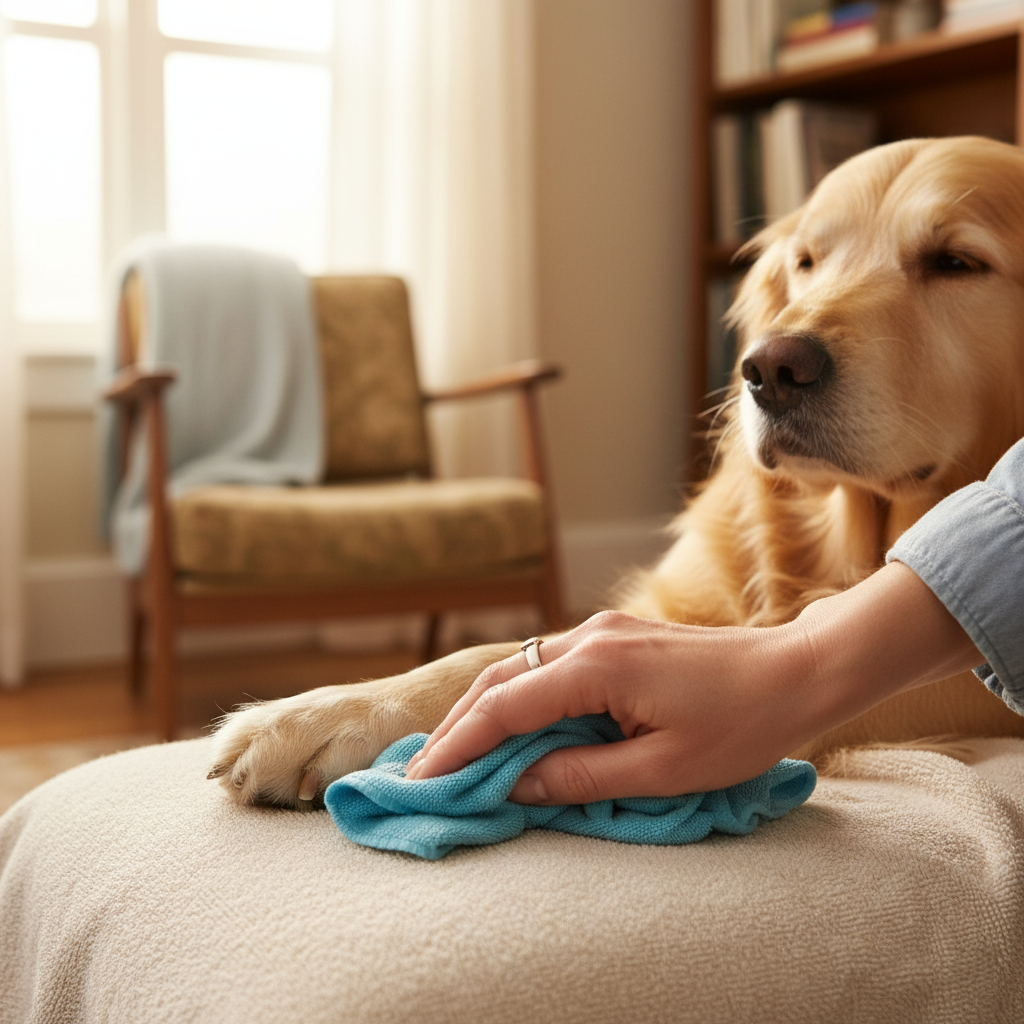
Think about the areas you might overlook: the folds of skin in breeds like Shar-Peis or Bulldogs. These folds can trap moisture and debris, leading to intertrigo, a painful inflammatory skin condition. Regular cleaning and drying of these areas are essential to prevent this from occurring. Even the simple act of wiping your dog’s paws after a walk can help to remove allergens and irritants that can cause allergic dermatitis.
Oral Hygiene: A Gateway to Systemic Health
Many pet owners are surprised to learn that dental disease is one of the most common health problems in dogs and cats. It starts with plaque buildup, which hardens into tartar, leading to gingivitis (inflammation of the gums). If left untreated, gingivitis can progress to periodontitis, a more serious condition that damages the tissues and bone supporting the teeth. Eventually, this can lead to tooth loss and chronic pain.
But the consequences of poor oral hygiene extend far beyond the mouth. The bacteria in the mouth can enter the bloodstream and travel to other organs, including the heart, kidneys, and liver. This can contribute to the development of serious systemic diseases. Studies have shown a link between dental disease and heart disease in dogs, highlighting the importance of maintaining good oral hygiene.
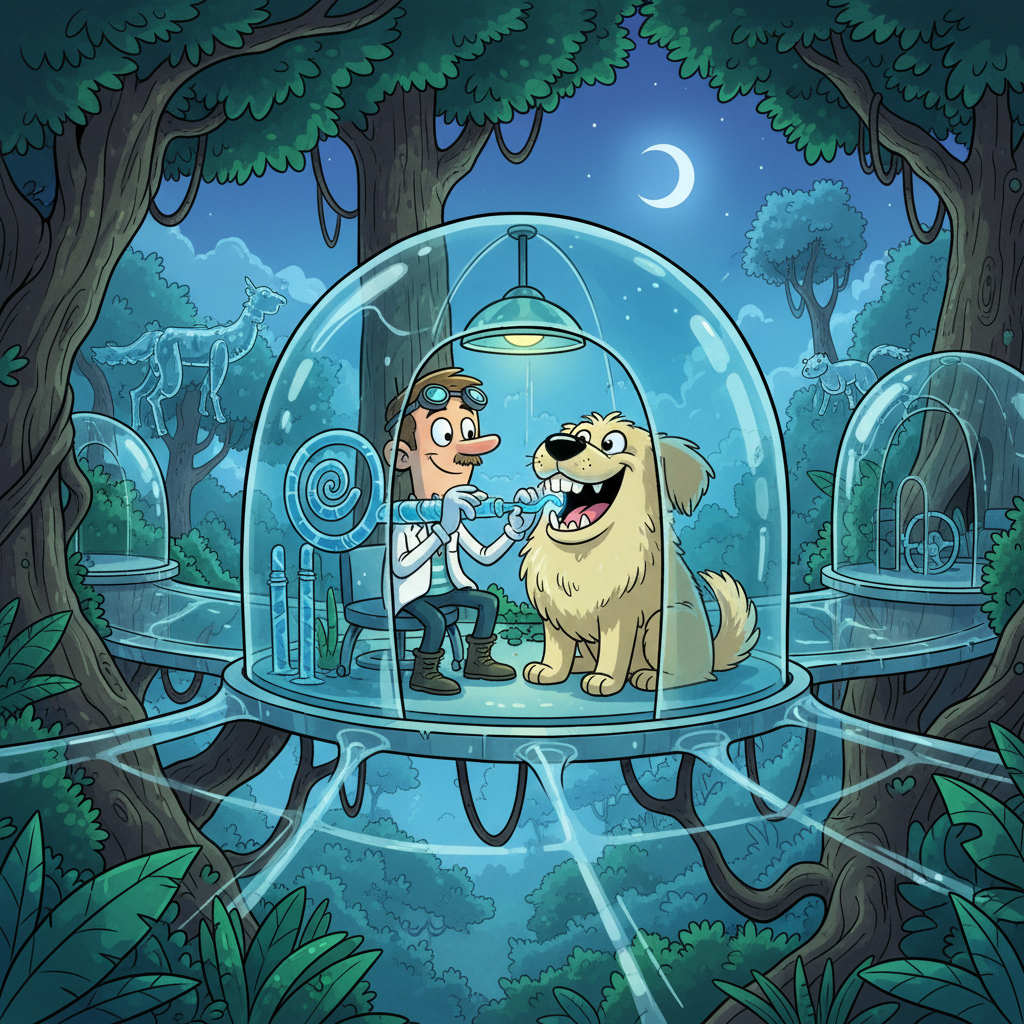
Imagine a constant source of infection in your pet’s mouth, continually releasing bacteria into their bloodstream. This puts a strain on their immune system and can exacerbate other health problems. Regular teeth brushing, dental chews, and professional dental cleanings are all essential components of a comprehensive oral hygiene plan. Starting early, when your pet is young, can help them to become accustomed to these procedures and make them easier to manage in the long run.
The Gut Microbiome: A Delicate Ecosystem
The gut microbiome, the complex community of bacteria, fungi, and other microorganisms that live in your pet’s digestive tract, plays a crucial role in their overall health. These microorganisms help to digest food, synthesize vitamins, and protect against harmful pathogens. Maintaining a healthy gut microbiome is essential for proper digestion, nutrient absorption, and immune function.
Diet plays a significant role in shaping the gut microbiome. A diet high in processed foods and low in fiber can disrupt the balance of bacteria, leading to digestive problems like diarrhea and constipation. Probiotics, beneficial bacteria that can be added to your pet’s diet, can help to restore a healthy balance and improve digestive health. But it’s important to choose a probiotic that is specifically formulated for pets, as human probiotics may not be effective.
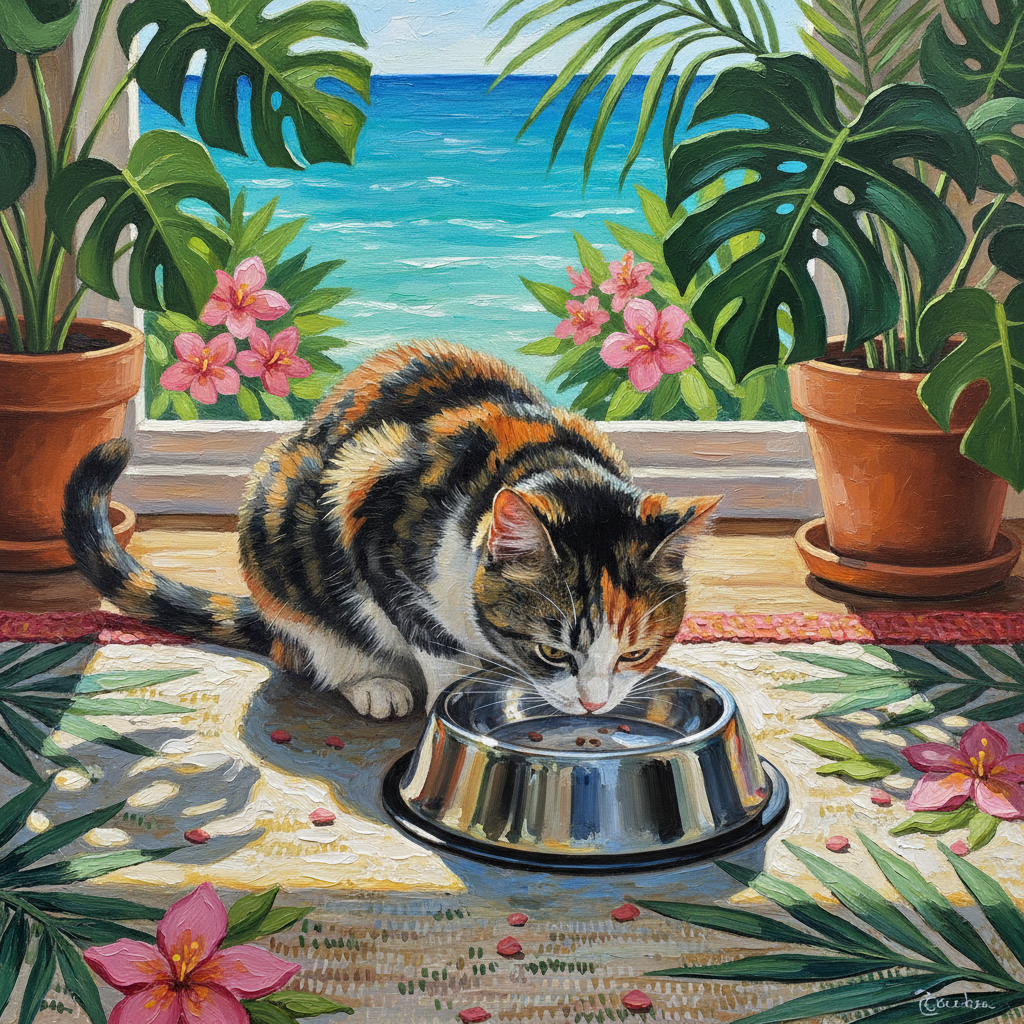
Hygiene also plays a role in maintaining a healthy gut microbiome. Allowing your pet to eat garbage or drink from contaminated water sources can introduce harmful bacteria into their digestive tract, disrupting the balance of the microbiome and leading to illness. Proper sanitation of food and water bowls is also essential to prevent the growth of harmful bacteria.
Consider the impact of antibiotics on the gut microbiome. While antibiotics are sometimes necessary to treat bacterial infections, they can also kill off beneficial bacteria, disrupting the balance of the microbiome. This can lead to digestive problems and make your pet more susceptible to other infections. If your pet needs to take antibiotics, talk to your veterinarian about ways to support their gut microbiome, such as giving them probiotics or feeding them a diet rich in fiber.
The Emotional Connection: Hygiene and Well-being
Beyond the physical benefits, good hygiene also has a profound impact on your pet’s emotional well-being. Regular grooming can be a bonding experience, strengthening the connection between you and your pet. The gentle touch of a brush, the soothing warmth of a bath, can all be incredibly relaxing and comforting.
A clean and well-groomed pet is also more likely to feel confident and comfortable in their own skin. Imagine how uncomfortable it must be to have itchy, matted fur or a mouth full of painful teeth. By addressing these hygiene issues, you can help your pet to feel happier, healthier, and more secure.
Think about the impact of odor on your pet’s social interactions. A dog with a strong odor may be avoided by other dogs, leading to social isolation and anxiety. By keeping your pet clean and fresh-smelling, you can help them to feel more confident and comfortable in social situations.
Practical Steps to Implement a Comprehensive Hygiene Routine
So, how can you ensure that your pet’s hygiene is up to par? Here are some practical steps you can take:
Regular Grooming
Brush your pet regularly to remove dead skin cells, loose fur, and debris. The frequency of brushing will depend on your pet’s breed and coat type. Some breeds, like long-haired cats, require daily brushing to prevent mats from forming. Others, like short-haired dogs, may only need to be brushed once a week.
Bathe your pet as needed, but avoid over-bathing, which can strip away essential oils. Use a shampoo specifically formulated for pets, as human shampoos can be too harsh. Be sure to rinse thoroughly to remove all traces of shampoo.
Trim your pet’s nails regularly to prevent them from becoming overgrown and causing discomfort. If you’re not comfortable trimming your pet’s nails yourself, ask your veterinarian or a groomer to do it for you.
Oral Hygiene
Brush your pet’s teeth daily, if possible, using a toothpaste specifically formulated for pets. Never use human toothpaste, as it can be toxic to pets. If your pet resists teeth brushing, start slowly and gradually introduce them to the process. You can also use dental chews and toys to help clean their teeth.
Schedule regular professional dental cleanings with your veterinarian. These cleanings can remove tartar buildup and prevent dental disease from progressing.
Environmental Hygiene
Keep your pet’s living environment clean and sanitary. Wash their bedding regularly to remove dirt, allergens, and parasites. Clean their food and water bowls daily to prevent the growth of harmful bacteria. Pick up their feces promptly to prevent the spread of disease.
Consider using a pet-safe disinfectant to clean surfaces that your pet comes into contact with, such as floors and furniture. This can help to kill bacteria and viruses that can cause illness.
Diet and Supplements
Feed your pet a high-quality diet that is appropriate for their age, breed, and activity level. A healthy diet will support their immune system and help to maintain a healthy gut microbiome.
Consider adding probiotics to your pet’s diet to support their gut microbiome. Talk to your veterinarian about which probiotic is right for your pet.
Be mindful of potential allergens in your pet’s diet. Food allergies can cause skin problems and digestive issues. If you suspect that your pet has a food allergy, talk to your veterinarian about performing an allergy test or trying an elimination diet.
Addressing Specific Concerns: Tailoring Hygiene to Your Pet’s Needs
Every pet is unique, and their hygiene needs will vary depending on their breed, age, lifestyle, and health status. A long-haired dog that spends a lot of time outdoors will require more grooming than a short-haired cat that lives indoors. A senior pet with arthritis may have difficulty grooming themselves and require extra assistance. A pet with allergies may need a special hypoallergenic shampoo.
It’s important to work with your veterinarian and groomer to develop a hygiene routine that is tailored to your pet’s specific needs. They can provide guidance on the best products and techniques to use, and they can help you to identify any potential hygiene issues early on.
Don’t be afraid to ask questions and seek advice. Your veterinarian and groomer are valuable resources who can help you to keep your pet healthy and happy. Remember, prevention is always better than cure. By investing in your pet’s hygiene, you’re investing in their overall well-being.
Recognizing the Signs of Poor Hygiene: What to Look For
Being proactive about your pet’s hygiene also means knowing what signs to look for that might indicate a problem. Early detection allows for quicker intervention, preventing minor issues from escalating into more serious health concerns. Here are some key indicators to watch out for:
- Excessive Scratching or Licking: This is often a sign of skin irritation, allergies, or parasites like fleas or mites.
- Redness, Inflammation, or Rashes: These can indicate skin infections, allergic reactions, or other underlying health issues.
- Hair Loss or Bald Spots: This could be due to fungal infections, allergies, hormonal imbalances, or stress.
- Unpleasant Odor: A foul smell, especially from the skin, ears, or mouth, can signal infection or dental disease.
- Changes in Appetite or Digestive Issues: Poor oral hygiene or an imbalanced gut microbiome can lead to discomfort during eating or digestive problems like diarrhea or constipation.
- Lethargy or Decreased Activity: If your pet seems unusually tired or less interested in playing, it could be a sign of underlying health problems linked to poor hygiene.
- Visible Tartar Buildup or Bleeding Gums: These are clear signs of dental disease and require prompt veterinary attention.
If you notice any of these signs, it’s crucial to consult with your veterinarian to determine the underlying cause and develop an appropriate treatment plan. Don’t attempt to self-diagnose or treat your pet, as this could potentially worsen the condition.

The Long-Term Investment: A Healthier, Happier Companion
Ultimately, prioritizing your pet’s hygiene is an investment in their long-term health and happiness. It’s about more than just keeping them clean; it’s about protecting them from a range of potential health problems and ensuring that they live a comfortable and fulfilling life. By establishing a consistent and comprehensive hygiene routine, you’re not only preventing disease but also strengthening the bond between you and your beloved companion. A healthy pet is a happy pet, and a happy pet brings immeasurable joy to our lives. So, take the time to understand your pet’s specific hygiene needs and make it a priority – they’ll thank you for it with years of love and companionship.

Hi, my name is Robert Max, I live in the United States and I’m the creator of InTechNews. I started this blog with the goal of sharing reliable and practical information about pet care, helping pet owners provide a healthier and happier life for their animals. I’m passionate about animal well-being and believe that good information makes all the difference in responsible pet ownership.