
The Foundation of a Clean Companion: Why Start Early?
Bringing a puppy into your life is like welcoming a furry, four-legged bundle of boundless energy and unconditional love. But along with the joy and playful antics comes the responsibility of ensuring their well-being, and a crucial part of that is establishing good hygiene habits right from the start. Why is puppyhood the ideal time to instill these habits? Because puppies are incredibly receptive to learning and adapting, and the experiences they have during this formative period can shape their behavior for years to come. Think of it as laying the foundation for a lifelong commitment to cleanliness and comfort, both for your puppy and for you.
Imagine trying to teach an old dog new tricks, especially when those tricks involve something as potentially anxiety-inducing as baths or nail trims. The resistance will likely be significantly higher than if you had introduced these practices during puppyhood. Early exposure helps desensitize your puppy to these experiences, turning what could be a stressful ordeal into a routine part of their life they tolerate, or even enjoy.
Moreover, good hygiene is intrinsically linked to your puppy’s health and overall well-being. Regular grooming helps prevent matting, which can lead to skin irritations and infections. Nail trims prevent painful overgrowth that can affect their gait. And, of course, regular baths help keep their coat clean and free of parasites. By prioritizing hygiene from puppyhood, you’re actively investing in their long-term health and happiness.
The Benefits Extend Beyond Cleanliness
Beyond the purely practical aspects of hygiene, establishing these routines early on strengthens the bond between you and your puppy. Grooming sessions provide opportunities for positive interaction, gentle handling, and verbal reassurance. These interactions build trust and create a sense of security for your puppy, fostering a deeper and more meaningful relationship. Think of it as a bonding ritual, a dedicated time for you to connect with your furry friend on a physical and emotional level.
Furthermore, teaching your puppy to accept handling and grooming prepares them for future veterinary visits. A puppy who is comfortable being touched and examined is less likely to be stressed or reactive at the vet’s office, making the experience smoother and less traumatic for everyone involved. It’s an investment in their long-term healthcare, ensuring they receive the necessary medical attention without unnecessary fear or anxiety. Aren’t the potential benefits of early hygiene training worth the effort?
Building a Positive Association: The Gentle Introduction
The key to successfully establishing hygiene habits in puppies lies in creating positive associations. This means approaching each new experience with patience, gentleness, and a focus on rewarding positive behavior. Avoid overwhelming your puppy with too much too soon. Instead, break down each task into smaller, manageable steps, allowing them to gradually adjust and become comfortable. Think of it as a gradual introduction, a carefully orchestrated process designed to minimize stress and maximize positive reinforcement.
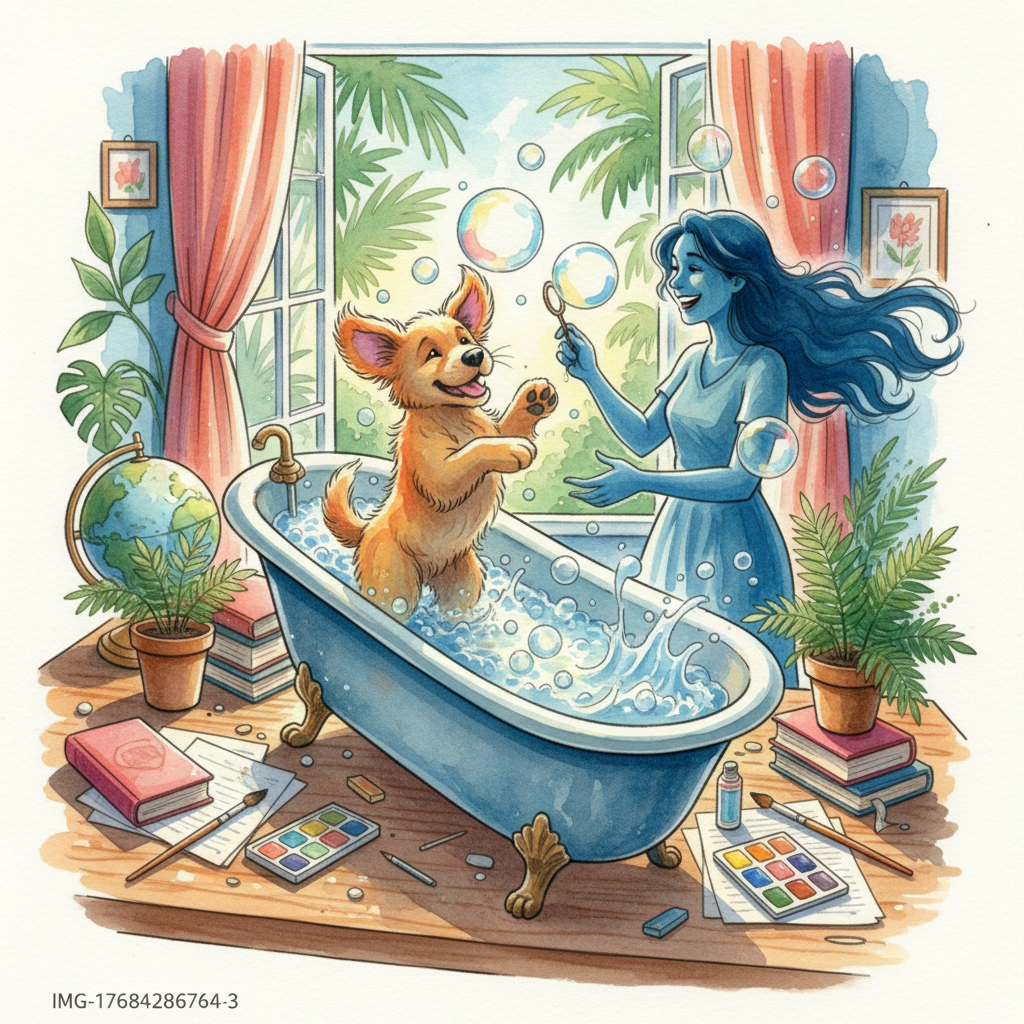
For example, when introducing your puppy to bathing, don’t immediately plunge them into a tub full of water. Start by simply getting them used to the bathroom environment. Let them explore the room, sniff the tub, and associate it with positive things like treats and praise. Then, gradually introduce them to the sensation of water, starting with a gentle spray from a handheld showerhead or a cup of lukewarm water poured over their back. Always speak in a calm and reassuring voice, and offer plenty of praise and rewards for their cooperation.
The same principle applies to nail trims. Begin by simply handling your puppy’s paws frequently, gently touching their nails and toes. Reward them for allowing you to do so. Then, introduce them to the nail clippers or grinder, allowing them to sniff and investigate it. Gradually progress to clipping or grinding just one or two nails at a time, offering plenty of praise and rewards after each successful trim. Remember, consistency and patience are key.
The Power of Positive Reinforcement
Positive reinforcement is the cornerstone of successful puppy training, and it’s particularly effective when it comes to establishing hygiene habits. Use treats, praise, and toys to reward your puppy for any desired behavior, no matter how small. For example, if your puppy stands still for even a few seconds during a bath, immediately offer them a treat and shower them with praise. If they allow you to touch their paws without pulling away, reward them with a toy or a belly rub. The more positive experiences they associate with these activities, the more likely they are to cooperate in the future.

Avoid using punishment or force, as this can create negative associations and make your puppy fearful and resistant. Instead, focus on redirecting unwanted behavior and rewarding desired behavior. If your puppy squirms or tries to escape during a bath, gently restrain them and continue to offer reassurance and rewards. If they bite or snap during a nail trim, stop immediately and try again later, focusing on smaller steps and more positive reinforcement. Remember, the goal is to create a positive and enjoyable experience for both you and your puppy. Why risk damaging your bond with negative reinforcement?
Essential Hygiene Practices: A Comprehensive Guide
Now that we’ve established the importance of early training and the power of positive reinforcement, let’s delve into the specific hygiene practices you should incorporate into your puppy’s routine.
Bathing: Finding the Right Balance
How often you bathe your puppy will depend on their breed, coat type, and lifestyle. In general, puppies don’t need to be bathed too frequently, as excessive bathing can strip their skin of its natural oils and lead to dryness and irritation. Once a month is usually sufficient for most puppies, unless they get particularly dirty or smelly. When you do bathe your puppy, use a gentle, puppy-specific shampoo that is pH-balanced and free of harsh chemicals. Avoid getting shampoo in their eyes and ears, and rinse thoroughly to remove all traces of soap. Dry them thoroughly with a soft towel or a low-heat hairdryer, being careful not to burn their skin.
Introducing the concept of bathing should be gradual and positive. Start by getting your puppy comfortable with the idea of being wet. Use a damp cloth to gently wipe their fur, rewarding them with praise and treats. Gradually increase the amount of water you use, always ensuring the water is lukewarm and comfortable. Make the bathing experience as enjoyable as possible by using toys and offering plenty of positive reinforcement. Remember, the goal is to create a positive association with water and bathing.
Nail Trimming: Preventing Pain and Discomfort
Regular nail trims are essential for preventing painful overgrowth and ensuring your puppy’s comfort. Overgrown nails can cause discomfort when walking, and can even lead to infections. How often you need to trim your puppy’s nails will depend on their breed and activity level, but generally, once every two to three weeks is sufficient. Use a pair of dog-specific nail clippers or a nail grinder, and be careful not to cut into the quick, which is the pink area inside the nail that contains blood vessels and nerves. If you’re unsure how to trim your puppy’s nails properly, consult with your veterinarian or a professional groomer.
Introduce your puppy to the nail clippers or grinder gradually, allowing them to sniff and investigate it. Reward them for allowing you to touch their paws and handle their nails. When you do trim their nails, start with just one or two at a time, offering plenty of praise and rewards after each successful trim. If you accidentally cut into the quick, don’t panic. Apply styptic powder to stop the bleeding and offer reassurance to your puppy. Remember, patience and consistency are key.

Ear Cleaning: Maintaining Hygiene and Preventing Infections
Regular ear cleaning is important for maintaining hygiene and preventing infections. Puppies are prone to ear infections, especially those with floppy ears, as their ears can trap moisture and debris. Clean your puppy’s ears once a week using a dog-specific ear cleaning solution. Gently apply the solution to a cotton ball and wipe the inside of their ear, being careful not to insert the cotton ball too deeply. Avoid using cotton swabs, as they can push debris further into the ear canal. If you notice any signs of an ear infection, such as redness, swelling, discharge, or odor, consult with your veterinarian.
Make ear cleaning a positive experience by rewarding your puppy for their cooperation. Start by simply touching their ears and rewarding them with praise and treats. Gradually introduce the ear cleaning solution, allowing them to sniff it and get used to the smell. When you do clean their ears, be gentle and avoid causing any discomfort. If your puppy resists, stop and try again later, focusing on smaller steps and more positive reinforcement. Remember, the goal is to make ear cleaning a routine and stress-free activity.
Teeth Brushing: A Lifetime of Oral Health
Oral hygiene is just as important for puppies as it is for humans. Regular teeth brushing helps prevent plaque and tartar buildup, which can lead to gum disease and tooth loss. Start brushing your puppy’s teeth as early as possible, ideally when they’re still a puppy. Use a dog-specific toothbrush and toothpaste, and gently brush all surfaces of their teeth. Avoid using human toothpaste, as it can be harmful to dogs. Brush your puppy’s teeth at least a few times a week, or ideally every day, to maintain good oral hygiene.
Introduce your puppy to the toothbrush and toothpaste gradually, allowing them to sniff and lick it. Reward them for allowing you to touch their mouth and teeth. When you do brush their teeth, be gentle and avoid causing any discomfort. Focus on brushing the outer surfaces of their teeth, as this is where plaque and tartar tend to accumulate. If your puppy resists, stop and try again later, focusing on smaller steps and more positive reinforcement. Consider dental chews and toys to help keep their teeth clean between brushings. A healthy mouth contributes to a healthy puppy!
Dealing with Challenges: Patience and Persistence
Even with the best intentions and the most positive approach, you may encounter challenges when establishing hygiene habits in your puppy. Some puppies are naturally more resistant to certain practices than others, and setbacks are inevitable. The key is to remain patient and persistent, and to never give up on your efforts.
Addressing Fear and Anxiety
If your puppy shows signs of fear or anxiety during any hygiene practice, it’s important to address these feelings before proceeding. Forcing your puppy to endure something that scares them will only exacerbate their fear and make it more difficult to establish positive associations in the future. Instead, take a step back and reassess your approach. Break down the task into even smaller steps, and focus on creating a more positive and comfortable environment.
For example, if your puppy is afraid of the hairdryer, try using a towel to dry them instead. If they’re afraid of the nail clippers, try using a nail grinder instead. You can also try desensitizing them to the object by simply showing it to them and rewarding them for remaining calm. Gradually increase their exposure to the object, always ensuring they feel safe and secure. Consider using calming aids, such as pheromone diffusers or calming treats, to help reduce their anxiety.
Managing Resistance and Stubbornness
Some puppies are simply more resistant to certain practices than others, and may require a bit more patience and persistence. If your puppy squirms or tries to escape during a bath, gently restrain them and continue to offer reassurance and rewards. If they bite or snap during a nail trim, stop immediately and try again later, focusing on smaller steps and more positive reinforcement. Consistency is key. Don’t give in to their resistance, but also avoid using force or punishment. Instead, remain calm and assertive, and continue to reward them for any desired behavior.
Consider enlisting the help of a professional dog trainer or groomer. They can provide you with valuable guidance and support, and can help you develop a customized training plan that addresses your puppy’s specific needs and challenges. Remember, you’re not alone. Many puppy owners face similar challenges, and there are plenty of resources available to help you succeed.
Celebrating Small Victories
When establishing hygiene habits in your puppy, it’s important to celebrate even the smallest victories. Every time your puppy cooperates, even for just a few seconds, offer them plenty of praise and rewards. Acknowledge their progress and let them know they’re doing a good job. This will help build their confidence and encourage them to continue cooperating in the future. Remember, the goal is to create a positive and enjoyable experience for both you and your puppy, and celebrating small victories is a great way to achieve this.
Long-Term Benefits: A Lifetime of Comfort and Health
The effort you put into establishing good hygiene habits in your puppy will pay off in countless ways throughout their life. A puppy who is comfortable with grooming and handling is a happier, healthier, and more well-adjusted companion. They’ll be less stressed during veterinary visits, more tolerant of grooming procedures, and more enjoyable to live with overall.
A Stronger Bond and Deeper Connection
The positive interactions and bonding experiences you share with your puppy during grooming sessions will strengthen your relationship and create a deeper connection. Grooming provides opportunities for gentle handling, verbal reassurance, and positive reinforcement, all of which contribute to a stronger bond and a more trusting relationship. A puppy who feels safe and secure in your presence is more likely to be affectionate, obedient, and well-behaved.
Improved Health and Well-Being
Good hygiene is essential for maintaining your puppy’s health and well-being. Regular grooming helps prevent matting, skin irritations, and infections. Nail trims prevent painful overgrowth and ensure their comfort when walking. Ear cleaning prevents ear infections, and teeth brushing prevents gum disease and tooth loss. By prioritizing hygiene, you’re actively investing in your puppy’s long-term health and happiness.

A More Enjoyable Companion
A well-groomed and well-behaved puppy is simply more enjoyable to live with. They’re less likely to shed excessively, less likely to develop unpleasant odors, and less likely to cause messes around the house. They’re also more likely to be welcomed in public places and to be well-received by others. By investing in your puppy’s hygiene, you’re investing in a more enjoyable and fulfilling relationship with your furry friend. You are setting the stage for a lifetime of companionship and joy.
So, embrace the journey of building hygiene habits from puppyhood. With patience, consistency, and a whole lot of love, you can transform your furry companion into a clean, happy, and healthy member of your family. The rewards are immeasurable, both for you and for your beloved pup. Remember, the time and effort you invest now will create a foundation for a lifetime of well-being and a bond that will enrich your life in countless ways. What better gift can you give your new best friend?

Hi, my name is Robert Max, I live in the United States and I’m the creator of InTechNews. I started this blog with the goal of sharing reliable and practical information about pet care, helping pet owners provide a healthier and happier life for their animals. I’m passionate about animal well-being and believe that good information makes all the difference in responsible pet ownership.