
Beyond the Shine: Unveiling the True Significance of Pet Hygiene
We often associate hygiene with aesthetics – a pristine coat, a fresh scent, and an overall picture of well-being. While a visually appealing pet certainly brings joy, the true essence of hygiene extends far beyond superficial appearances. It’s the bedrock of their health, happiness, and longevity. It’s the invisible shield that protects them from a myriad of health threats, both internal and external. Neglecting pet hygiene isn’t just about skipping a bath; it’s about potentially compromising their immune system, opening the door to infections, and diminishing their quality of life. So, are you truly caring for your companion, or simply admiring a pretty face?
The Unseen World of Microbes
Imagine your pet’s fur as a bustling metropolis, teeming with microscopic life. Some of these inhabitants are beneficial, forming part of the natural microbiome that protects against harmful invaders. However, an imbalance in this ecosystem can quickly lead to problems. Overgrowth of bacteria, yeast, or fungi can trigger skin infections, allergies, and persistent itching. These microscopic battles can often go unnoticed until they manifest as visible symptoms like redness, hair loss, or a foul odor. Regular grooming and appropriate bathing help to maintain a healthy balance, keeping the beneficial microbes thriving and the harmful ones at bay.
Take the example of a seemingly healthy cat who suddenly starts excessively grooming. Initially, you might dismiss it as a quirk. However, upon closer inspection, you notice subtle redness and flakiness on their skin. This could be a sign of a Malassezia infection, a common yeast overgrowth that thrives in warm, humid environments. Consistent grooming with a medicated shampoo, prescribed by a veterinarian, can help restore the skin’s natural defenses and alleviate the discomfort.
Parasites: The Uninvited Guests
Fleas, ticks, and mites are more than just a nuisance; they are relentless parasites that can wreak havoc on your pet’s health. Fleas, for instance, feed on blood, causing intense itching and potentially leading to anemia in severe infestations. Ticks, on the other hand, are notorious carriers of Lyme disease, Ehrlichiosis, and other debilitating illnesses. Mites, like those responsible for mange, burrow into the skin, causing intense irritation, hair loss, and secondary infections. Regular application of preventative medications, combined with thorough grooming, is crucial in keeping these unwelcome guests at bay. Furthermore, diligently checking your pet after outdoor adventures can help you spot and remove ticks before they transmit disease.
Consider the scenario of a dog owner who lives in a heavily wooded area. Despite diligently using flea and tick prevention, their dog occasionally picks up ticks during walks. The owner makes it a habit to thoroughly check their dog for ticks after each walk, removing any found promptly with tweezers. This proactive approach significantly reduces the risk of tick-borne diseases, ensuring the dog remains healthy and active.

The Gateway to Internal Health: Dental Hygiene
Oral hygiene is often overlooked, yet it plays a pivotal role in your pet’s overall well-being. Dental disease is incredibly common in pets, affecting a significant percentage of dogs and cats by the age of three. The buildup of plaque and tartar not only leads to bad breath but also creates a breeding ground for bacteria that can enter the bloodstream and damage vital organs like the heart, liver, and kidneys. Regular teeth brushing, dental chews, and professional cleanings are essential in preventing dental disease and maintaining your pet’s systemic health. Think of your pet’s mouth as a gateway to their entire body – keeping it clean and healthy protects them from a cascade of potential problems.
Beyond Bad Breath: The Systemic Impact
The consequences of neglecting dental hygiene extend far beyond bad breath and unsightly teeth. The bacteria that thrive in an unhealthy mouth can trigger chronic inflammation throughout the body, contributing to a range of health issues. Studies have linked periodontal disease to an increased risk of heart disease, kidney disease, and even diabetes in pets. Imagine the cumulative effect of years of untreated dental disease on a pet’s vital organs. Early intervention and consistent oral care can significantly reduce this risk, extending their lifespan and improving their quality of life.
A veterinary study followed two groups of dogs over several years. One group received regular dental care, including professional cleanings and at-home brushing. The other group received no dental care. The study found that the dogs in the group receiving regular dental care had a significantly lower incidence of heart and kidney disease compared to the group that received no dental care. This highlights the profound impact of dental hygiene on overall health.
Practical Steps for a Sparkling Smile
Implementing a dental hygiene routine for your pet doesn’t have to be daunting. Start by gradually introducing them to the concept of teeth brushing. Use a pet-specific toothbrush and toothpaste (never human toothpaste, as it contains ingredients that are toxic to pets). Begin by simply allowing them to lick the toothpaste off your finger, then gradually introduce the toothbrush. Aim to brush their teeth at least a few times a week. In addition to brushing, offer dental chews or toys that help to scrape away plaque and tartar. Finally, schedule regular professional dental cleanings with your veterinarian to remove stubborn buildup and address any underlying dental issues.
Consider the example of a cat owner who adopted a senior cat with significant dental disease. Initially, the cat was hesitant to allow teeth brushing. However, the owner patiently introduced the process, using positive reinforcement and rewarding the cat with treats. Over time, the cat became more comfortable with the brushing, and the owner was able to significantly improve their oral hygiene. This resulted in a reduction in bad breath, improved appetite, and increased energy levels.
The Gut-Hygiene Connection: Nourishing from Within
Hygiene isn’t just about what’s on the outside; it’s also about what’s going on inside. A healthy gut microbiome is essential for proper digestion, nutrient absorption, and immune function. Disruptions to this delicate balance can lead to digestive issues, allergies, and a weakened immune system. Providing your pet with a high-quality diet, avoiding unnecessary antibiotics, and incorporating probiotics can help to maintain a healthy gut microbiome and promote overall well-being. Are you feeding your pet’s gut, or just their appetite?
The Power of Probiotics
Probiotics are beneficial bacteria that can help to restore balance to the gut microbiome. They can be particularly helpful after antibiotic treatment, which can kill off both harmful and beneficial bacteria. Probiotics can also aid in the management of digestive issues like diarrhea and constipation, and may even help to alleviate allergy symptoms. Choosing a probiotic supplement specifically formulated for pets is crucial, as human probiotics may not contain the right strains of bacteria for their digestive systems.
A dog who suffers from frequent bouts of diarrhea due to a sensitive stomach might benefit from a daily probiotic supplement. The probiotic helps to repopulate the gut with beneficial bacteria, improving digestion and reducing the frequency of diarrhea episodes. The owner notices a significant improvement in the dog’s stool consistency and overall energy levels.
Dietary Considerations for a Healthy Gut
The food you feed your pet plays a crucial role in shaping their gut microbiome. A diet rich in processed ingredients, artificial additives, and fillers can disrupt the balance of bacteria in the gut, leading to inflammation and digestive issues. Opting for a high-quality diet that is rich in whole foods, fiber, and prebiotics (food for beneficial bacteria) can promote a healthy gut microbiome. Consider incorporating fermented foods like kefir or yogurt (unsweetened and plain) into your pet’s diet, as these are natural sources of probiotics.

The Clean Environment: A Foundation for Health
Your pet’s environment plays a significant role in their hygiene and overall health. A clean and sanitary living space minimizes the risk of exposure to harmful bacteria, parasites, and allergens. Regularly cleaning your pet’s bedding, food and water bowls, and litter box (for cats) is essential. Additionally, consider the air quality in your home. Dust, mold, and pollen can trigger allergies and respiratory issues in pets. Using an air purifier and regularly vacuuming can help to improve the air quality and create a healthier environment for your furry friend. Is your home a haven of hygiene, or a breeding ground for potential problems?
Beyond the Surface: Deep Cleaning Strategies
Surface cleaning is important, but it’s not enough to eliminate all the potential hazards in your pet’s environment. Deep cleaning strategies are essential for removing hidden dirt, bacteria, and allergens. Steam cleaning carpets and upholstery can kill dust mites and other allergens. Washing bedding in hot water can eliminate fleas and their eggs. Disinfecting food and water bowls regularly can prevent the growth of harmful bacteria. Paying attention to these details can significantly improve your pet’s overall health and well-being.
A cat owner who struggles with allergies finds that their cat’s dander exacerbates their symptoms. In addition to regular vacuuming and dusting, the owner invests in an air purifier with a HEPA filter. They also steam clean their carpets and upholstery regularly. These measures significantly reduce the amount of allergens in the home, improving both the owner’s and the cat’s respiratory health.
The Importance of Proper Ventilation
Proper ventilation is crucial for maintaining a healthy indoor environment. Stale air can trap moisture, leading to the growth of mold and mildew, which can trigger allergies and respiratory issues. Opening windows regularly and using exhaust fans in bathrooms and kitchens can help to improve ventilation and reduce the risk of mold growth. Additionally, consider investing in a dehumidifier if you live in a humid climate, as this can help to prevent the growth of mold and mildew.

Grooming: More Than Just a Pampering Session
Grooming is often seen as a luxury, but it’s an essential aspect of pet hygiene. Regular brushing helps to remove loose fur, prevent matting, and distribute natural oils, keeping their coat healthy and shiny. Nail trimming prevents overgrowth and potential injuries. Ear cleaning removes wax and debris, preventing ear infections. Grooming is not just about aesthetics; it’s about maintaining your pet’s physical comfort and well-being. Are you simply making your pet look good, or truly caring for their coat and skin?
The Art of the Brush: Choosing the Right Tools
Choosing the right grooming tools is essential for effective and comfortable grooming. Different breeds and coat types require different types of brushes. Slicker brushes are ideal for removing mats and tangles from long-haired breeds. Bristle brushes are great for distributing natural oils and smoothing the coat. Rubber brushes are gentle and effective for removing loose fur from short-haired breeds. Experiment with different brushes to find the ones that work best for your pet’s coat type.
A golden retriever owner struggled with excessive shedding. After consulting with a professional groomer, they learned that a deshedding brush was the most effective tool for removing loose fur. By using the deshedding brush regularly, the owner was able to significantly reduce shedding and keep their home cleaner.
The Importance of Professional Grooming
While at-home grooming is important, professional grooming services can provide a more thorough and comprehensive cleaning. Professional groomers have the expertise and equipment to safely and effectively address specific grooming needs, such as dematting, nail trimming, and ear cleaning. They can also identify potential health issues, such as skin infections or parasites, that you might miss at home. Regular visits to a professional groomer can significantly improve your pet’s hygiene and overall health.
A poodle owner found it challenging to maintain their dog’s intricate haircut at home. Regular visits to a professional groomer ensured that the dog’s coat remained healthy and stylish. The groomer also provided valuable advice on at-home grooming techniques and product recommendations.
The Bottom Line: Proactive Prevention, Not Reactive Treatment
Pet hygiene is not a one-time event; it’s an ongoing commitment to their health and well-being. By adopting a proactive approach to hygiene, you can prevent many common health problems and improve their quality of life. Regular grooming, dental care, a healthy diet, a clean environment, and preventative medications are all essential components of a comprehensive hygiene plan. Remember, prevention is always better than cure. Are you waiting for problems to arise, or actively working to prevent them?
Think of pet hygiene as an investment in their long-term health and happiness. By prioritizing hygiene, you are not only improving their physical appearance but also protecting them from a wide range of health threats. A healthy and hygienic pet is a happier pet, and a happier pet makes for a happier owner. So, embrace the power of hygiene and give your furry friend the gift of a long, healthy, and fulfilling life.
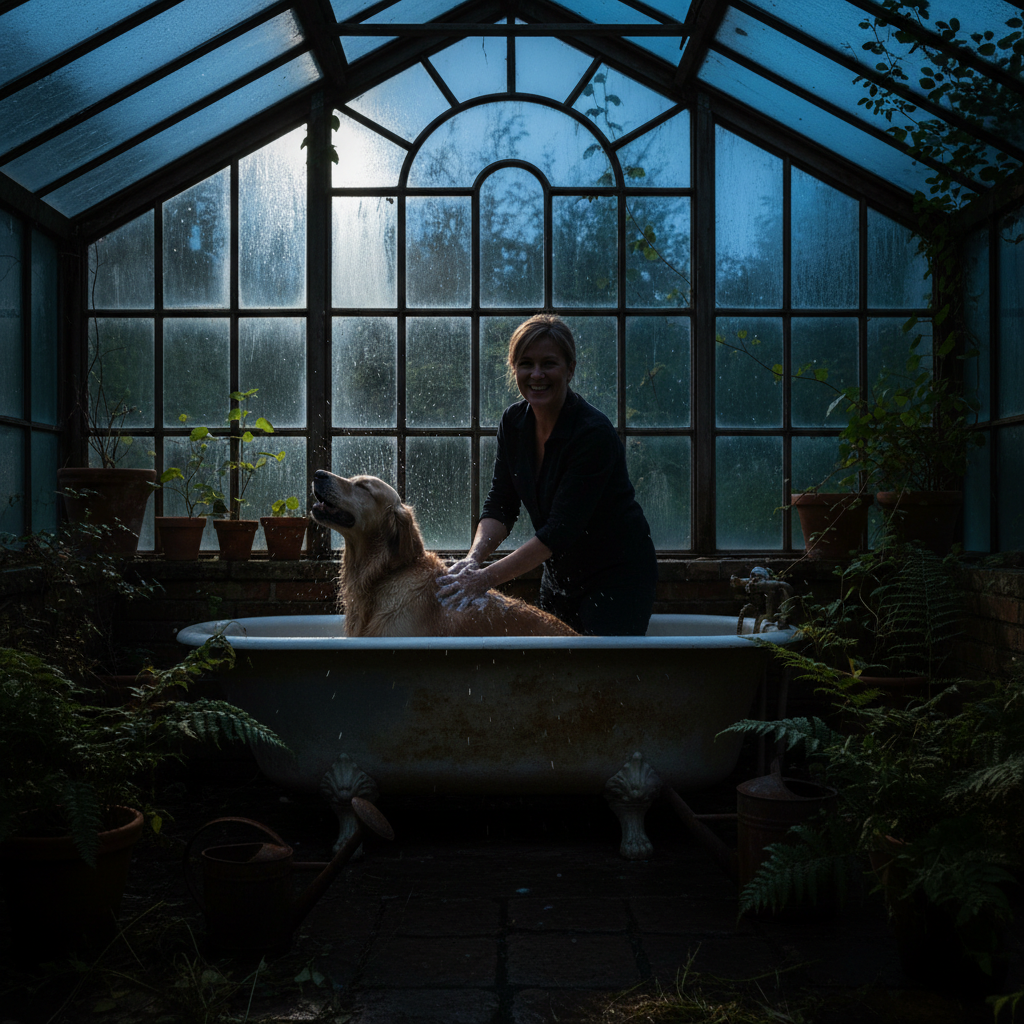
Ultimately, the most important aspect of pet hygiene is consistency. Establishing a regular routine and making it a part of your daily or weekly schedule will ensure that your pet receives the care they need to thrive. Don’t view hygiene as a chore, but rather as an opportunity to bond with your pet and show them how much you care. After all, a clean pet is a loved pet, and a loved pet is a happy pet. And isn’t that what we all strive for?

Hi, my name is Robert Max, I live in the United States and I’m the creator of InTechNews. I started this blog with the goal of sharing reliable and practical information about pet care, helping pet owners provide a healthier and happier life for their animals. I’m passionate about animal well-being and believe that good information makes all the difference in responsible pet ownership.