
Understanding Your Pet’s Stress During Cleaning
Cleaning. For us, it’s a chore, a necessary evil, or even a therapeutic activity. But for our pets, it can be a source of significant stress and anxiety. The whirring vacuum cleaner, the pungent smell of cleaning products, the sudden movements, and the overall disruption of their environment can all contribute to a feeling of unease and insecurity. But have you ever stopped to truly consider *why* our furry companions react so negatively to what we perceive as a beneficial activity?
Perhaps it’s the loss of control. Our pets thrive on routine and predictability. Cleaning disrupts this, introducing unfamiliar sights, sounds, and smells into their safe haven. Consider a dog, whose acute hearing makes the vacuum cleaner sound like a roaring monster. Or a cat, whose sensitive nose is overwhelmed by the harsh chemicals in cleaning solutions. Their senses are heightened, making the experience far more intense than it is for us.
Recognizing that cleaning is a potential stressor for our pets is the first step towards mitigating its impact. By understanding the root causes of their anxiety, we can implement strategies to make the process more comfortable and less traumatic for them. This isn’t just about being a “good pet owner”; it’s about fostering a stronger bond with your animal companion based on empathy and mutual respect.
Common Stress Triggers During Cleaning
To effectively reduce your pet’s stress, it’s crucial to identify the specific triggers that contribute to their anxiety. While every animal is unique, there are some common factors that tend to cause distress:
- Loud Noises: Vacuum cleaners, blenders, and even the spray of cleaning products can be jarring to a pet’s sensitive ears. The sudden and unpredictable nature of these noises can trigger a startle response, leading to fear and anxiety.
- Unfamiliar Smells: Many cleaning products contain strong chemicals that can be overwhelming to a pet’s sense of smell. These smells can be perceived as threatening or unpleasant, causing them to avoid the cleaned areas. Consider how a cat’s sense of smell is far more sensitive than ours, making even “lightly scented” products a potential source of distress.
- Disruption of Routine: Pets often feel secure in their daily routines. Cleaning can disrupt this, causing uncertainty and anxiety. Moving furniture, blocking access to certain areas, and generally changing the environment can make them feel insecure and vulnerable.
- Feeling Trapped or Cornered: If a pet feels like they cannot escape the noise or activity of cleaning, their anxiety can escalate. Being confined to a small space while cleaning is happening nearby can be particularly distressing.
- Past Negative Experiences: If a pet has had a negative experience associated with cleaning in the past (e.g., being accidentally bumped by the vacuum cleaner), they may develop a conditioned fear of the activity.
Think back to your pet’s reactions during previous cleaning sessions. What specific behaviors did you observe? Did they cower, hide, pant excessively, or exhibit other signs of distress? Identifying these specific triggers will allow you to tailor your approach to minimize their anxiety.
Creating a Safe and Comfortable Environment
The cornerstone of reducing your pet’s stress during cleaning is to create a safe and comfortable environment where they feel secure and protected. This involves more than just providing a physical space; it’s about fostering a sense of emotional security and control.
Imagine you’re a small dog, and a giant, roaring machine is moving menacingly towards you. Where would you go to feel safe? That’s the question you need to answer for your pet.
Designated Safe Zones
Establish a designated “safe zone” where your pet can retreat during cleaning. This could be a crate, a bed in a quiet room, or even just a comfortable corner. The key is that this space should be associated with positive experiences and provide a sense of security.
- Make it inviting: Equip the safe zone with comfortable bedding, favorite toys, and perhaps a treat-dispensing toy to keep them occupied.
- Introduce it gradually: Don’t force your pet into the safe zone during cleaning. Introduce it gradually, allowing them to explore it at their own pace. Reward them for spending time in the space with praise and treats.
- Maintain accessibility: Ensure that your pet always has access to their safe zone, even when cleaning is not taking place. This will help them associate the space with security and comfort, rather than just associating it with a stressful event.
For example, if your dog loves their crate, make sure it’s always accessible and filled with comfortable bedding. Toss in a favorite chew toy or a Kong filled with peanut butter before you start cleaning to encourage them to retreat to their safe haven. For cats, a quiet room with a high perch can provide a sense of security and control. Make sure they have access to their litter box, food, and water in their safe zone.
Using Calming Aids
In addition to creating a safe zone, consider using calming aids to help reduce your pet’s anxiety during cleaning. These aids can help to alleviate stress and promote relaxation.
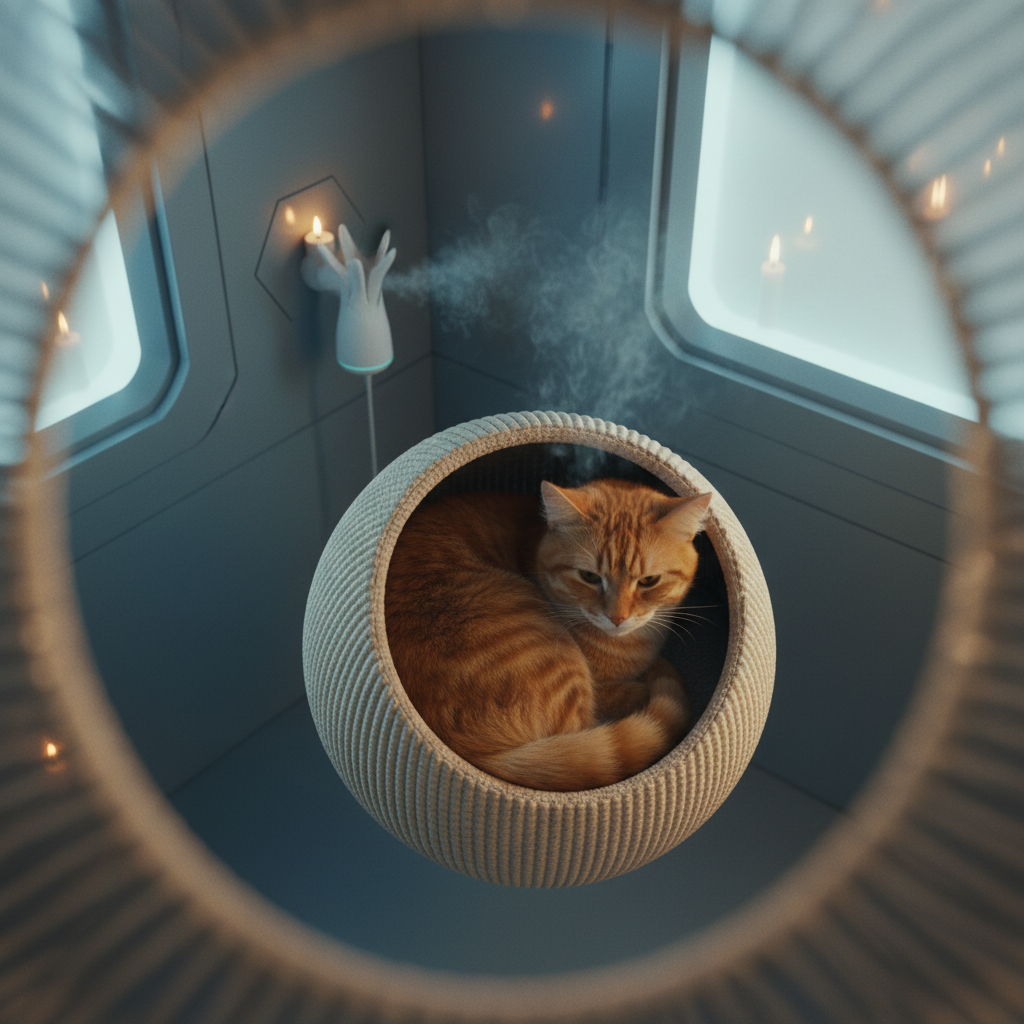
- Pheromone Diffusers: Pheromone diffusers release synthetic versions of natural calming pheromones that can help to reduce anxiety in pets. These diffusers are available for both dogs and cats and can be particularly effective in multi-pet households.
- Calming Treats or Supplements: Many calming treats and supplements contain ingredients like L-theanine, chamomile, or melatonin, which can help to promote relaxation. Consult with your veterinarian to determine if these products are appropriate for your pet.
- Thundershirts or Anxiety Wraps: These snug-fitting garments apply gentle, constant pressure to the pet’s torso, which can have a calming effect. They are often used to reduce anxiety during thunderstorms or fireworks, but they can also be helpful during cleaning.
- Classical Music or White Noise: Playing calming classical music or white noise can help to mask the sounds of cleaning and create a more relaxing atmosphere.
Before using any calming aids, it’s essential to consult with your veterinarian to ensure that they are safe and appropriate for your pet. Some calming aids may interact with medications or have side effects. It’s also crucial to remember that calming aids are not a substitute for addressing the underlying causes of your pet’s anxiety.
Implementing Gradual Desensitization
For pets with severe anxiety, a gradual desensitization program may be necessary to help them overcome their fear of cleaning. This involves slowly exposing them to the triggers of their anxiety in a controlled and positive manner.
Think of it like learning to swim. You wouldn’t throw someone who’s afraid of water into the deep end. You’d start by having them put their toes in the water, then gradually wade in deeper as they become more comfortable. Desensitization works the same way.
Step-by-Step Approach
The key to successful desensitization is to proceed at your pet’s pace and to always pair the exposure with positive reinforcement. Here’s a step-by-step approach:
- Identify the Trigger Hierarchy: Create a list of the triggers that cause your pet anxiety, from least to most stressful. For example, the sight of the vacuum cleaner might be less stressful than the sound of it being turned on.
- Start with the Least Stressful Trigger: Begin by exposing your pet to the least stressful trigger for a brief period of time. For example, you might simply place the vacuum cleaner in the room while your pet is present.
- Pair with Positive Reinforcement: While your pet is exposed to the trigger, offer them praise, treats, or a favorite toy. The goal is to create a positive association with the trigger.
- Gradually Increase Exposure: Once your pet is comfortable with the least stressful trigger, gradually increase the intensity or duration of the exposure. For example, you might turn the vacuum cleaner on for a few seconds, then turn it off.
- Monitor for Signs of Stress: Throughout the desensitization process, carefully monitor your pet for signs of stress, such as panting, pacing, trembling, or hiding. If you notice these signs, back off and reduce the intensity of the exposure.
- Repeat Regularly: Repeat the desensitization process regularly, ideally several times a week. Consistency is key to success.
For example, if your dog is afraid of the vacuum cleaner, you might start by simply placing the vacuum cleaner in the room while they’re eating their dinner. Once they’re comfortable with that, you might turn the vacuum cleaner on for a few seconds while giving them a treat. Gradually increase the duration and proximity of the vacuum cleaner until they’re able to tolerate it being used nearby.
Counter-Conditioning
Counter-conditioning involves changing your pet’s emotional response to a trigger by pairing it with something positive. This can be used in conjunction with desensitization to help reduce anxiety.
For instance, if your cat is afraid of the smell of cleaning products, you might spray a small amount of the product on a cotton ball and place it near their food bowl. While they’re eating, they’ll associate the smell with a positive experience. Gradually increase the amount of product and the proximity to their food bowl until they’re able to tolerate the smell without becoming anxious.
Choosing Pet-Friendly Cleaning Products
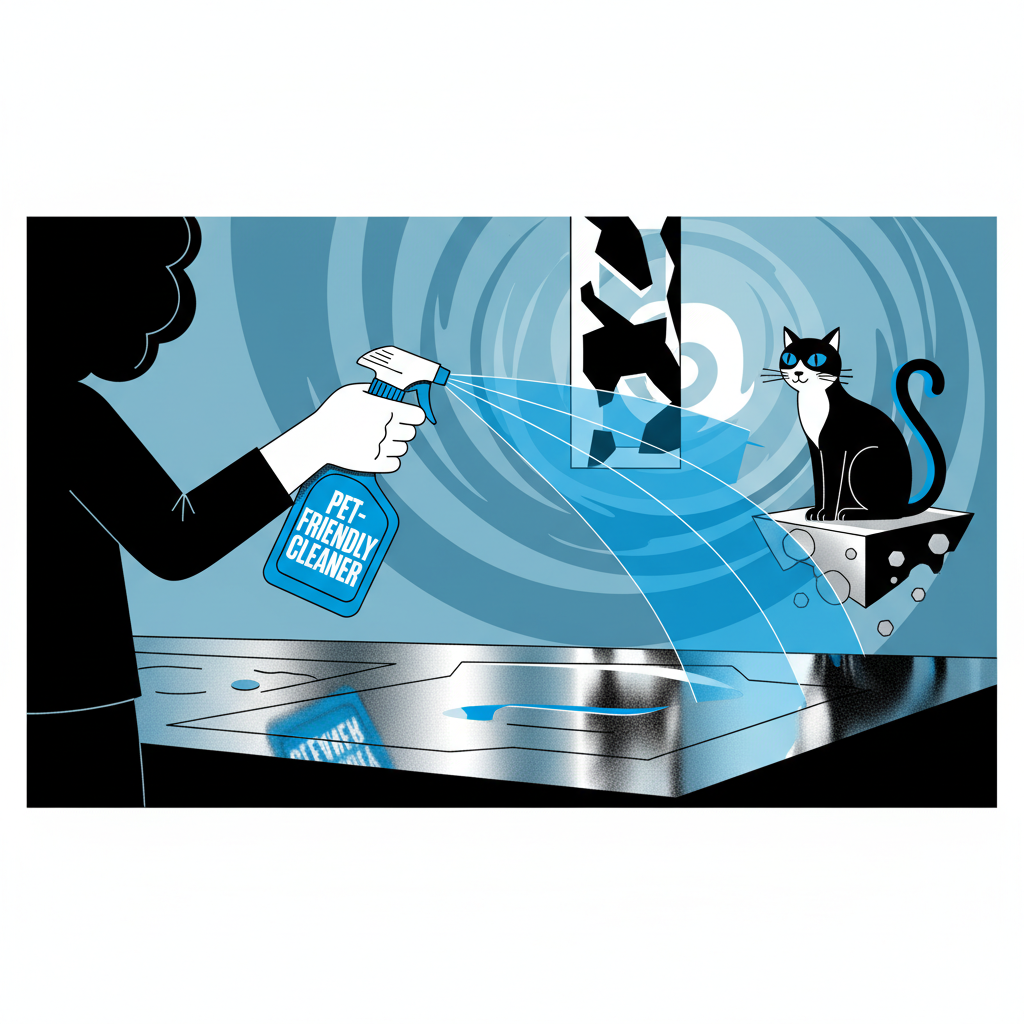
The harsh chemicals found in many conventional cleaning products can be irritating or even toxic to pets. Choosing pet-friendly alternatives is essential for protecting their health and well-being.
Imagine being a dog and licking a surface that has just been cleaned with a strong chemical cleaner. Not a pleasant thought, is it? Our pets are much more likely to ingest cleaning products than we are, so it’s crucial to choose options that are safe for them.
Ingredients to Avoid
When selecting cleaning products, be sure to avoid those that contain the following ingredients:
- Ammonia: Ammonia is a strong irritant that can cause respiratory problems and skin irritation in pets.
- Bleach: Bleach is another harsh chemical that can be toxic to pets if ingested.
- Phthalates: Phthalates are chemicals that are often used in scented cleaning products. They can disrupt hormones and cause reproductive problems in pets.
- Glycol Ethers: Glycol ethers are solvents that can be toxic to pets if ingested.
- Formaldehyde: Formaldehyde is a known carcinogen that can also cause respiratory problems and skin irritation in pets.
Safe Alternatives
Fortunately, there are many safe and effective pet-friendly cleaning products available. Look for products that are labeled as “pet-friendly,” “non-toxic,” or “plant-based.” Some safe alternatives include:
- Vinegar: Vinegar is a natural disinfectant that can be used to clean a variety of surfaces.
- Baking Soda: Baking soda is a natural deodorizer and cleaner that can be used to scrub surfaces and absorb odors.
- Lemon Juice: Lemon juice is a natural disinfectant and cleaner that can be used to remove stains and freshen surfaces.
- Enzyme Cleaners: Enzyme cleaners use enzymes to break down organic matter, making them effective for cleaning up pet messes.
When using any cleaning product, even pet-friendly ones, be sure to follow the instructions on the label carefully. Always ventilate the area well and keep pets away from the cleaned surfaces until they are completely dry.
Adjusting Your Cleaning Routine
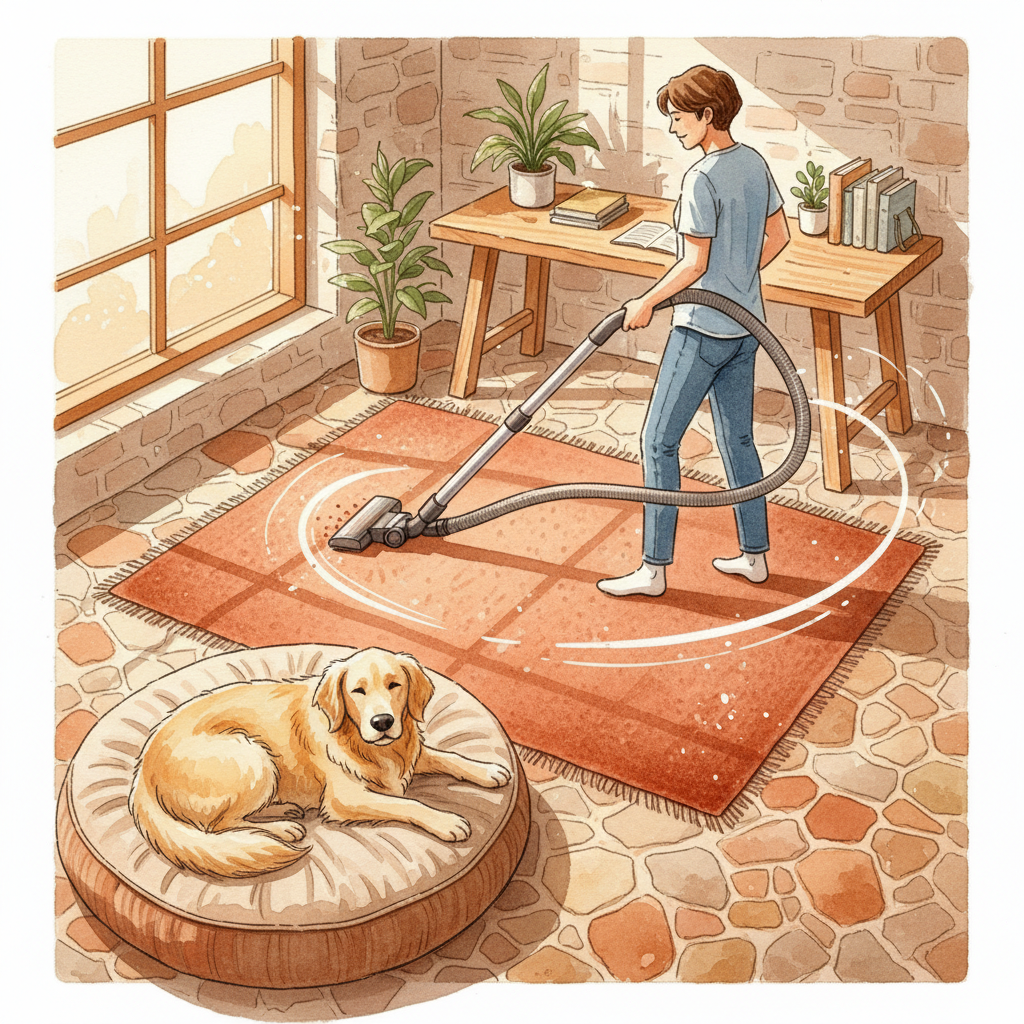
Beyond the products you use, the way you clean can also have a significant impact on your pet’s stress levels. Making a few adjustments to your cleaning routine can help to minimize their anxiety.
Think about how you approach cleaning. Do you blast loud music and rush through the process, or do you take a more calm and methodical approach? Your pet’s perception of cleaning will be heavily influenced by your demeanor and the overall atmosphere.
Strategic Timing
Consider cleaning during times when your pet is less active or more likely to be resting. For example, you might clean while they’re napping or while they’re outside on a walk.
- Avoid peak activity times: Avoid cleaning during times when your pet is typically most active or playful. This can help to minimize disruption to their routine and reduce their anxiety.
- Coordinate with walks or playtime: Schedule cleaning sessions to coincide with walks or playtime. This will give your pet a chance to burn off energy and reduce their anxiety before you start cleaning.
- Break up cleaning into smaller sessions: Instead of trying to clean the entire house at once, break it up into smaller sessions spread throughout the week. This will reduce the overall disruption and minimize your pet’s exposure to stressful triggers.
Noise Reduction Techniques
Loud noises are a major trigger for many pets. Taking steps to reduce noise during cleaning can help to minimize their anxiety.
- Use a quieter vacuum cleaner: Invest in a vacuum cleaner that is specifically designed to be quiet. These models typically have noise-dampening features that can significantly reduce the noise level.
- Muffle the sound: If you can’t afford a new vacuum cleaner, try muffling the sound by placing a towel or blanket over the vacuum cleaner while it’s running.
- Use headphones: Wear headphones while you’re cleaning to block out the noise. This will not only protect your own hearing but also help to create a calmer atmosphere for your pet.
- Announce your intentions: Before turning on the vacuum cleaner or using a noisy cleaning product, give your pet a warning. This will help them to prepare for the noise and reduce their startle response.
Creating a Predictable Pattern
Pets thrive on routine and predictability. Creating a predictable cleaning pattern can help to reduce their anxiety by giving them a sense of control.
- Clean in the same order each time: Follow the same cleaning routine each time you clean. This will help your pet to anticipate what’s coming next and reduce their anxiety.
- Use the same cleaning products: Stick to the same cleaning products as much as possible. This will minimize their exposure to unfamiliar smells and reduce their anxiety.
- Provide clear signals: Give your pet clear signals when you’re about to start cleaning. This could be a verbal cue, a specific action, or even a visual signal.
Rewarding Calm Behavior
Positive reinforcement is a powerful tool for shaping your pet’s behavior. Rewarding calm behavior during cleaning can help to reduce their anxiety over time.
Think about it from your pet’s perspective. If they’re calm and relaxed during cleaning, and they receive praise and treats, they’re more likely to repeat that behavior in the future. It’s all about creating positive associations.
Using Treats and Praise
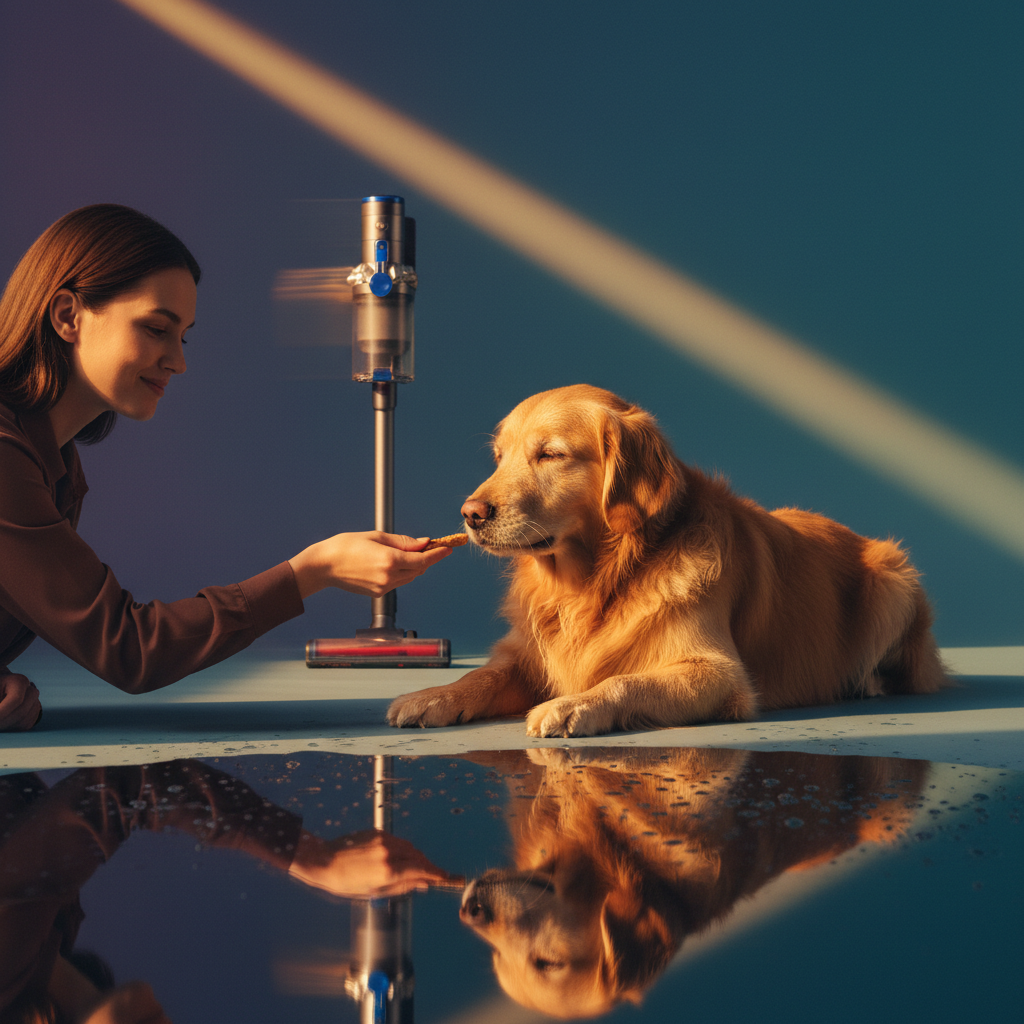
Whenever your pet exhibits calm behavior during cleaning, reward them with praise, treats, or a favorite toy. This will help them to associate cleaning with positive experiences.
- Carry treats with you: Keep a supply of treats readily available during cleaning sessions. This will allow you to quickly reward your pet for calm behavior.
- Use a positive tone of voice: Speak to your pet in a calm and reassuring tone of voice. Avoid yelling or scolding them, as this can increase their anxiety.
- Offer physical affection: If your pet enjoys it, offer them physical affection, such as petting or scratching, while you’re cleaning. This can help to reassure them and reduce their anxiety.
Ignoring Anxious Behavior
While it’s important to reward calm behavior, it’s equally important to avoid reinforcing anxious behavior. If your pet is exhibiting signs of anxiety, such as panting, pacing, or trembling, try to ignore the behavior as much as possible. Giving them attention when they’re anxious can actually reinforce the behavior.
- Avoid eye contact: Avoid making eye contact with your pet when they’re anxious. This can be interpreted as a sign of attention and reinforce the behavior.
- Don’t speak to them: Avoid speaking to your pet when they’re anxious. This can also be interpreted as a sign of attention and reinforce the behavior.
- Redirect their attention: Try to redirect your pet’s attention to something else, such as a toy or a puzzle. This can help to distract them from their anxiety and prevent the behavior from escalating.
It’s important to note that ignoring anxious behavior does not mean ignoring your pet’s needs. If your pet is severely anxious, it’s important to consult with your veterinarian or a certified professional dog trainer for guidance.
Seeking Professional Help
In some cases, despite your best efforts, your pet may continue to experience significant anxiety during cleaning. If this is the case, it’s important to seek professional help from a veterinarian or a certified professional dog trainer.
Remember, you’re not alone. Many pet owners struggle with this issue. There’s no shame in seeking professional guidance. Sometimes, a fresh perspective and expert advice can make all the difference.
Veterinary Consultation
Your veterinarian can help to rule out any underlying medical conditions that may be contributing to your pet’s anxiety. They can also prescribe medications or recommend calming aids that may be helpful.
- Rule out medical causes: Some medical conditions can cause anxiety in pets. Your veterinarian can perform a physical exam and run diagnostic tests to rule out any underlying medical causes.
- Discuss medication options: If your pet’s anxiety is severe, your veterinarian may recommend medication. There are a variety of medications available that can help to reduce anxiety in pets.
- Get recommendations for calming aids: Your veterinarian can also recommend calming aids, such as pheromone diffusers or calming supplements, that may be helpful for your pet.
Professional Training
A certified professional dog trainer can help you to develop a customized training plan to address your pet’s anxiety. They can also teach you techniques for managing your pet’s behavior during cleaning.
- Develop a customized training plan: A certified professional dog trainer can help you to develop a customized training plan that is tailored to your pet’s specific needs.
- Learn management techniques: A trainer can teach you techniques for managing your pet’s behavior during cleaning. These techniques may include desensitization, counter-conditioning, and positive reinforcement.
- Address underlying behavioral issues: A trainer can also help you to address any underlying behavioral issues that may be contributing to your pet’s anxiety.
Reducing your pet’s stress during cleaning requires patience, understanding, and a willingness to adapt your approach. By implementing the strategies outlined in this article, you can create a more comfortable and less stressful environment for your furry companion, strengthening your bond and ensuring their well-being. Remember, a happy pet makes for a happy home.

Hi, my name is Robert Max, I live in the United States and I’m the creator of InTechNews. I started this blog with the goal of sharing reliable and practical information about pet care, helping pet owners provide a healthier and happier life for their animals. I’m passionate about animal well-being and believe that good information makes all the difference in responsible pet ownership.