
The Unseen World of Pet Accessory Hygiene
We pamper our pets, showering them with love, attention, and the best accessories we can afford. But how often do we stop to consider the hygiene of those very items? Leashes, collars, beds, toys – these are all breeding grounds for bacteria, fungi, and other unwelcome guests that can impact your pet’s health and, surprisingly, even your own. It’s easy to overlook this aspect of pet care, especially when life gets busy, but neglecting the cleanliness of your pet’s accessories can have consequences. Are you truly providing the best possible care if you’re ignoring the invisible world lurking on their favorite belongings?
Why Clean Pet Accessories Matter
Think about it: your dog gleefully rolls around in the park, exploring every nook and cranny, then comes home and snuggles into their bed, transferring all sorts of microscopic hitchhikers. Your cat meticulously grooms itself, only to then rub against their scratching post, depositing fur and oils. These everyday activities lead to a buildup of organic matter, creating the perfect environment for microorganisms to thrive. Regular cleaning isn’t just about aesthetics; it’s about safeguarding your pet’s well-being.
Consider the case of a dog constantly scratching at its collar. While fleas might be the first suspect, the culprit could be a simple yeast or bacterial infection thriving in the damp, dirty environment between the collar and the dog’s skin. Or imagine a cat developing a mysterious skin rash. The cause could be an allergen accumulating in their bed. These seemingly minor issues can escalate into more serious health problems if left unchecked. Moreover, some of these microorganisms can be zoonotic, meaning they can be transmitted from animals to humans. Think ringworm from a cat’s scratching post, or bacterial infections from a dog’s saliva-soaked toys. Keeping your pet’s accessories clean is an act of preventative healthcare for both your furry friends and yourself.
The Hidden Dangers: A Closer Look
Let’s delve deeper into the specific dangers lurking on uncleaned pet accessories:
- Bacteria: E. coli, Staphylococcus, and Streptococcus are just a few of the bacteria that can accumulate on pet accessories. These bacteria can cause skin infections, gastrointestinal issues, and even more serious systemic illnesses.
- Fungi: Yeast and mold thrive in damp environments, making pet beds and toys prime breeding grounds. Fungal infections can cause skin irritation, respiratory problems, and allergic reactions.
- Parasites: While regular flea and tick prevention is crucial, these pests can still find their way onto pet accessories. Cleaning helps remove eggs, larvae, and adult parasites, reducing the risk of infestation.
- Allergens: Dust mites, pollen, and pet dander can accumulate on accessories, triggering allergies in both pets and humans.
The implications are clear. A seemingly innocent dog toy or a cozy cat bed can become a reservoir of potential health problems. A proactive approach to cleaning is not just recommended; it’s essential.

Creating a Cleaning Routine: A Step-by-Step Guide
Establishing a regular cleaning routine doesn’t have to be a daunting task. With a little planning and consistency, you can easily incorporate it into your pet care regimen. The frequency and method of cleaning will depend on the type of accessory and the pet’s lifestyle, but here’s a general guideline to get you started:
Collars and Leashes: Daily and Weekly Care
Collars and leashes are exposed to the elements on a daily basis, picking up dirt, grime, and bacteria along the way. A quick wipe-down with a damp cloth after each walk can make a significant difference. Once a week, give them a more thorough cleaning with mild soap and water. Pay close attention to the buckle and other hardware, as these areas tend to accumulate dirt and rust. For fabric collars and leashes, consider machine washing them on a gentle cycle, but always check the manufacturer’s instructions first. Leather collars and leashes require special care, including cleaning with a leather cleaner and conditioner to prevent them from drying out and cracking.
Pet Beds: Regular Washing and Vacuuming
Pet beds are havens for dirt, dander, and allergens. Vacuum the bed regularly to remove loose debris. Once a week, wash the bed cover and any removable inserts in hot water with a pet-safe detergent. If the bed itself is washable, follow the manufacturer’s instructions. For beds that cannot be machine washed, spot clean them with a mild soap and water solution. Ensure the bed is completely dry before allowing your pet to use it again, as dampness can promote the growth of mold and mildew.
Consider this example: a family adopted a rescue dog who had a history of skin allergies. Despite providing high-quality food and regular vet care, the dog continued to experience flare-ups. After some investigation, they realized that the dog’s bed, which had been used by previous foster dogs, was harboring dust mites and other allergens. Once they replaced the bed and implemented a strict washing routine, the dog’s allergies significantly improved. This case illustrates the profound impact that clean bedding can have on a pet’s health.
Toys: Frequent Disinfection and Replacement
Toys are constantly subjected to chewing, slobbering, and dragging around, making them a prime target for bacteria and fungi. Hard toys, such as plastic or rubber bones, can be easily disinfected by washing them with soap and water or running them through the dishwasher. Soft toys, such as plush animals, can be machine washed on a gentle cycle. Check the toys regularly for damage, and discard any that are torn or broken, as these can pose a choking hazard. Some toys, especially those with small parts, may not be suitable for washing and should be replaced periodically.
Think about the number of times your dog drops their favorite tennis ball in the park, only to pick it up and proudly present it back to you. That ball is now covered in dirt, bacteria, and who knows what else. Regularly cleaning or replacing these toys is essential to prevent the spread of germs. How often do you really consider what your pet is putting in their mouth?
Food and Water Bowls: Daily Cleaning
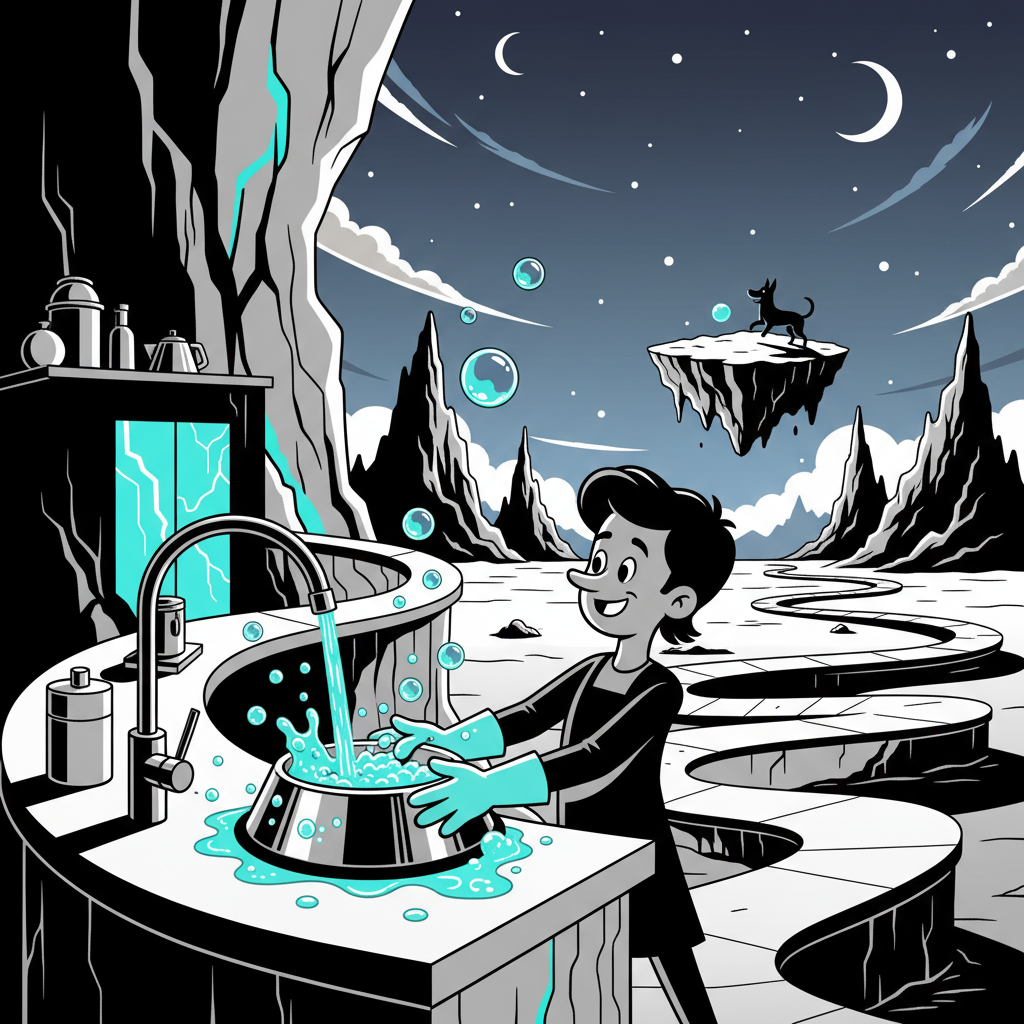
Food and water bowls are often overlooked, but they can be a significant source of bacteria. Wash them daily with hot, soapy water, and rinse them thoroughly. Stainless steel bowls are the most hygienic option, as they are non-porous and easy to clean. Avoid plastic bowls, as they can develop scratches that harbor bacteria. Elevate food and water bowls to promote better posture and digestion, but be sure to clean the stand regularly as well.
Choosing the Right Cleaning Products: Safety First
When it comes to cleaning pet accessories, safety should be your top priority. Many household cleaners contain harsh chemicals that can be harmful to pets if ingested or inhaled. Look for pet-safe cleaning products that are specifically formulated to be gentle and non-toxic. Alternatively, you can use natural cleaning solutions, such as vinegar and water or baking soda and water. Always rinse accessories thoroughly after cleaning to remove any residue. Avoid using bleach or ammonia, as these chemicals can be irritating and even toxic to pets.
DIY Cleaning Solutions: Natural Alternatives
For those who prefer a more natural approach, here are a few DIY cleaning solutions that are safe and effective for cleaning pet accessories:
- Vinegar and Water: Mix equal parts vinegar and water in a spray bottle. This solution is great for disinfecting surfaces and removing odors.
- Baking Soda and Water: Make a paste of baking soda and water. This is effective for scrubbing stubborn stains and removing odors.
- Lemon Juice and Water: Mix equal parts lemon juice and water in a spray bottle. This solution is a natural disinfectant and deodorizer.
Remember to always test any cleaning solution on a small, inconspicuous area first to ensure it doesn’t damage the material.
Decoding Labels: What to Avoid
When selecting commercial cleaning products, carefully read the labels and avoid those containing the following ingredients:
- Ammonia: Can cause respiratory irritation and chemical burns.
- Bleach: Can cause skin irritation, vomiting, and even death if ingested.
- Phthalates: Endocrine disruptors that can affect hormone levels.
- Formaldehyde: A known carcinogen that can cause respiratory problems.
- Phenols: Can be toxic to cats and cause liver damage.
By being mindful of the ingredients in your cleaning products, you can protect your pet’s health and create a safer environment for everyone.
Beyond Cleaning: Maintaining a Healthy Environment
While regular cleaning is essential, maintaining a healthy environment for your pet goes beyond just washing accessories. Consider the following factors:
Ventilation and Air Quality
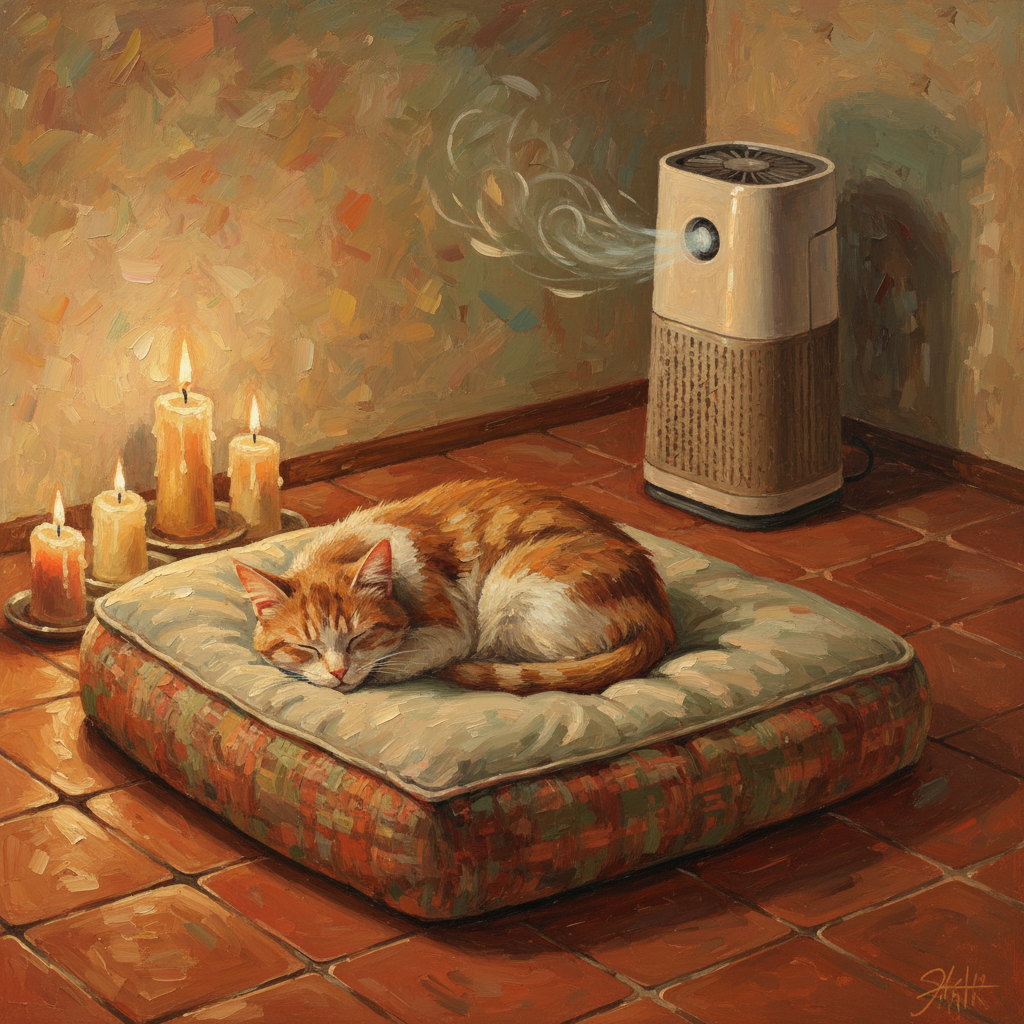
Proper ventilation is crucial for preventing the buildup of allergens and odors. Open windows regularly to allow fresh air to circulate. Consider using an air purifier to remove dust, dander, and other airborne particles. Avoid using scented candles, air fresheners, or other products that can irritate your pet’s respiratory system. A well-ventilated environment can significantly reduce the risk of respiratory problems and allergies.
Pest Control
Preventing pest infestations is another important aspect of maintaining a healthy environment. Regularly vacuum carpets and upholstery to remove fleas and other pests. Consider using natural pest control methods, such as diatomaceous earth, to control fleas and other insects. Avoid using harsh chemical pesticides, as these can be harmful to pets. A proactive approach to pest control can prevent infestations and protect your pet from disease.
Proper Storage
Store pet food and treats in airtight containers to prevent spoilage and pest infestations. Keep cleaning supplies and other potentially harmful products out of reach of pets. Properly dispose of pet waste to prevent the spread of disease. A well-organized and clean home is a safer and healthier environment for your pet.
Recognizing the Signs: When to Seek Veterinary Care
Despite your best efforts, your pet may still develop health problems related to unclean accessories. It’s important to recognize the signs and seek veterinary care promptly. Here are some red flags to watch out for:
- Skin Irritation: Redness, itching, scratching, or hair loss.
- Respiratory Problems: Coughing, sneezing, wheezing, or difficulty breathing.
- Gastrointestinal Issues: Vomiting, diarrhea, or loss of appetite.
- Behavioral Changes: Lethargy, aggression, or excessive grooming.
If you notice any of these signs, consult with your veterinarian to determine the underlying cause and receive appropriate treatment. Early intervention can prevent minor problems from escalating into more serious health issues.
Preventative Measures: A Proactive Approach
In addition to regular cleaning and veterinary care, consider these preventative measures to further protect your pet’s health:
- Regular Grooming: Brushing your pet regularly helps remove loose fur and dander, reducing the buildup of allergens in their environment.
- Balanced Diet: A healthy diet strengthens your pet’s immune system, making them less susceptible to infections.
- Regular Exercise: Exercise helps maintain your pet’s overall health and well-being.
- Stress Reduction: Minimize stress in your pet’s environment, as stress can weaken the immune system.
By adopting a proactive approach to pet care, you can create a healthier and happier life for your furry friend.
The Long-Term Benefits: A Healthier, Happier Pet
Investing time and effort in cleaning your pet’s accessories may seem like a small detail, but it can have a significant impact on their long-term health and well-being. A clean environment reduces the risk of infections, allergies, and other health problems. It also promotes better hygiene and overall comfort. A healthy pet is a happy pet, and a happy pet makes for a happier owner. The bond you share with your pet is strengthened by the care you provide, and ensuring their environment is clean and safe is a fundamental aspect of that care.
Consider the peace of mind that comes with knowing you’re doing everything you can to protect your pet’s health. The reduction in vet bills due to fewer infections and allergies. The increased lifespan and improved quality of life for your beloved companion. These are just a few of the long-term benefits of prioritizing the hygiene of your pet’s accessories. Is there really any question that it’s worth the effort?
Moreover, the act of cleaning your pet’s belongings can be a form of bonding. Think of it as a dedicated time to check their favorite toys for damage, to ensure their bed is still comfortable, and to simply be present and attentive to their needs. It’s a subtle way to show your love and care, and your pet will undoubtedly appreciate it, even if they can’t express it in words. This simple act reinforces the trust and connection between you and your animal companion.

In conclusion, the importance of keeping your pet’s accessories clean cannot be overstated. It’s a fundamental aspect of responsible pet ownership that directly impacts their health, well-being, and overall quality of life. By establishing a regular cleaning routine, choosing safe cleaning products, and maintaining a healthy environment, you can create a haven for your furry friend and strengthen the bond you share. So, take a moment to reflect on the state of your pet’s belongings. Are they as clean as they could be? Your pet will thank you for it, in their own special way.

Hi, my name is Robert Max, I live in the United States and I’m the creator of InTechNews. I started this blog with the goal of sharing reliable and practical information about pet care, helping pet owners provide a healthier and happier life for their animals. I’m passionate about animal well-being and believe that good information makes all the difference in responsible pet ownership.