
The Unseen Link: Hygiene and Health in Pets
We often admire our pets for their boundless energy, unwavering loyalty, and the pure joy they bring into our lives. But beneath the surface of playful antics and cuddly moments lies a critical aspect of their well-being that sometimes gets overlooked: hygiene. It’s easy to focus on nutrition and exercise, the more outwardly visible elements of pet care. However, neglecting hygiene can have a cascading effect, impacting their health, behavior, and even the quality of your shared life.
Think of it this way: imagine living in a space that’s never cleaned. Dust accumulates, germs proliferate, and eventually, your health suffers. The same principle applies to our furry, scaled, or feathered companions. Regular grooming, cleaning, and preventative care are not merely cosmetic; they are fundamental to maintaining their physical and mental well-being. Are you truly giving your pet the best life possible if their hygiene is an afterthought?
The Foundation of a Healthy Pet: Beyond the Food Bowl
While a balanced diet and regular exercise are cornerstones of pet health, hygiene forms the foundation upon which those pillars stand. Consider a dog with a consistently dirty coat. Matted fur can trap moisture, creating a breeding ground for bacteria and fungi, leading to skin infections and discomfort. This discomfort, in turn, can affect their behavior, making them irritable, withdrawn, or even aggressive. Similarly, neglecting dental hygiene in cats can result in painful dental disease, impacting their ability to eat and even leading to systemic health problems. The mouth, after all, is a gateway to the rest of the body.
Furthermore, poor hygiene can make your pet more susceptible to parasites, both internal and external. Fleas, ticks, and mites thrive in unclean environments, causing skin irritation, allergic reactions, and even transmitting diseases. Regular bathing, grooming, and preventative medications are essential tools in the fight against these unwanted guests. The key takeaway here is that hygiene isn’t separate from health; it’s an integral part of it. Overlooking it is like building a house on a shaky foundation – sooner or later, the whole structure will be compromised.
The Daily Ritual: Incorporating Hygiene into Your Pet’s Routine
The good news is that incorporating hygiene into your pet’s daily routine doesn’t have to be a daunting task. It’s about creating consistent habits that address their specific needs. This will vary depending on the type of pet you have, their breed, age, and lifestyle. A long-haired Persian cat, for example, will require more frequent grooming than a short-haired domestic shorthair. Similarly, a dog that spends a lot of time outdoors will need more frequent bathing than one that primarily stays indoors. But where do you even begin to create a hygiene routine for your pet? Let’s break it down.
Grooming: More Than Just a Pretty Coat
Grooming is arguably the most visible aspect of pet hygiene, and it goes far beyond just keeping them looking presentable. Regular brushing helps to remove loose fur, preventing mats and tangles that can lead to skin irritation. It also stimulates blood circulation, promoting a healthy coat. For long-haired breeds, daily brushing may be necessary, while short-haired breeds may only need brushing a few times a week.
Beyond brushing, grooming also includes nail trimming. Overgrown nails can be painful and can affect your pet’s gait, leading to joint problems. If you’re not comfortable trimming your pet’s nails yourself, your veterinarian or a professional groomer can do it for you. Ear cleaning is another important aspect of grooming, especially for dogs with floppy ears, as they are more prone to ear infections. Using a veterinarian-approved ear cleaning solution can help to remove wax and debris, preventing infections. Remember that it’s always best to consult with your veterinarian or a professional groomer to determine the best grooming practices for your specific pet.
Bathing: Striking the Right Balance
Bathing is an essential part of maintaining your pet’s hygiene, but it’s important to strike the right balance. Over-bathing can strip their skin of its natural oils, leading to dryness and irritation. On the other hand, infrequent bathing can allow dirt and grime to accumulate, creating a breeding ground for bacteria and parasites. The frequency of bathing will depend on your pet’s breed, lifestyle, and skin condition.
When bathing your pet, always use a shampoo that is specifically formulated for them. Human shampoos can be too harsh and can disrupt their skin’s pH balance. Be sure to rinse thoroughly to remove all traces of shampoo, as residue can cause skin irritation. And, of course, make sure to dry them completely after bathing, especially in cold weather, to prevent them from getting chilled. Remember, bathing should be a positive experience for your pet, so be gentle and patient, and offer plenty of praise and rewards.

Dental Hygiene: A Gateway to Overall Health
Dental hygiene is often overlooked in pet care, but it’s just as important as it is for humans. Dental disease is incredibly common in pets, and it can lead to a range of health problems, including pain, tooth loss, and even damage to the heart, liver, and kidneys. The best way to prevent dental disease is to brush your pet’s teeth regularly, ideally daily.
Use a toothpaste that is specifically formulated for pets, as human toothpaste can be toxic to them. Start slowly and gradually get your pet used to the process. If brushing is not possible, there are other options available, such as dental chews, wipes, and water additives. Regular professional dental cleanings are also recommended, especially as your pet gets older. Talk to your veterinarian about the best dental hygiene plan for your pet. How much is your pet’s dental health worth in the long run?
Environmental Hygiene: A Clean Home for a Healthy Pet
Pet hygiene isn’t just about keeping your pet clean; it’s also about keeping their environment clean. Regularly cleaning their bedding, food and water bowls, and litter box (for cats) is essential for preventing the spread of bacteria and parasites. Wash bedding in hot water and dry it thoroughly. Clean food and water bowls daily to prevent the growth of bacteria. And scoop the litter box at least once a day to prevent odors and the buildup of harmful ammonia. By maintaining a clean environment, you can significantly reduce your pet’s risk of illness.
The Ripple Effect: Benefits Beyond Physical Health
The benefits of consistent pet hygiene extend far beyond physical health. A clean and well-groomed pet is often a happier and more confident pet. Regular grooming can strengthen the bond between you and your pet, as it provides an opportunity for bonding and positive interaction. A clean pet is also more pleasant to be around, making them more welcome in social situations and strengthening the human-animal bond. It’s a virtuous cycle: a healthier pet leads to a happier pet, which leads to a stronger bond, which leads to better care, and so on.
Behavioral Benefits: A Happier, More Confident Pet
As mentioned earlier, poor hygiene can lead to discomfort and irritation, which can affect your pet’s behavior. A dog with a matted coat may be irritable and reluctant to be touched. A cat with dental pain may be withdrawn and less playful. By addressing their hygiene needs, you can alleviate these discomforts and improve their overall mood and behavior. Regular grooming can also help to reduce anxiety in some pets, as the repetitive motions can be calming and soothing. Furthermore, a clean and well-groomed pet is more likely to be confident and outgoing, making them more enjoyable companions.

Strengthening the Bond: Quality Time Through Grooming
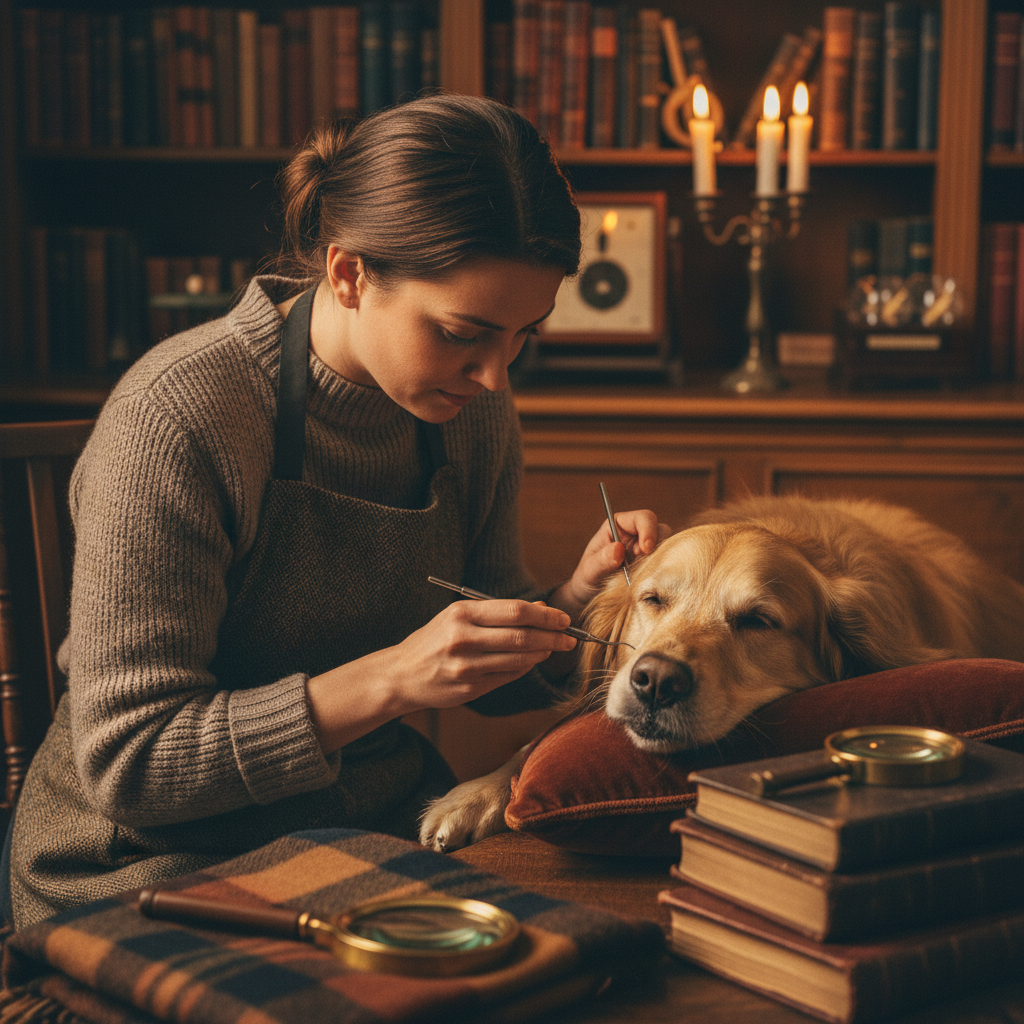
Grooming can be more than just a chore; it can be an opportunity to bond with your pet. Many pets enjoy the attention and physical contact that comes with grooming. Use this time to talk to your pet, offer praise and encouragement, and simply enjoy their company. Grooming can also be a good time to check your pet for any signs of illness or injury, such as lumps, bumps, or skin irritations. By making grooming a positive and enjoyable experience, you can strengthen the bond between you and your pet and improve their overall well-being.
Seeking Professional Guidance: When to Consult the Experts
While many aspects of pet hygiene can be managed at home, there are times when it’s important to seek professional guidance. If you notice any signs of illness or injury, such as skin lesions, ear infections, or dental problems, it’s essential to consult with your veterinarian. They can diagnose the problem and recommend the appropriate treatment. Additionally, if you’re unsure about how to properly groom your pet, a professional groomer can provide guidance and assistance. They can also help to identify any potential problems, such as mats or skin irritations, that you may have missed. Remember, your veterinarian and groomer are valuable resources for maintaining your pet’s health and hygiene.
Recognizing Warning Signs: When to Seek Veterinary Care
It’s important to be vigilant and to recognize the warning signs that indicate your pet may need veterinary care. These signs can include excessive scratching, licking, or biting; hair loss; skin lesions; ear discharge or odor; dental pain or bleeding; and changes in appetite or behavior. If you notice any of these signs, it’s important to consult with your veterinarian as soon as possible. Early detection and treatment can prevent minor problems from becoming more serious and can improve your pet’s overall health and well-being. Don’t hesitate to seek professional help if you have any concerns about your pet’s health or hygiene.
Prevention is better than cure. Regular check-ups with your vet are as crucial as the daily care you provide. They can detect subtle changes early on, preventing bigger health problems down the line. Consider it an investment in your pet’s long-term well-being.

Building a Partnership: Working with Your Groomer
A professional groomer can be a valuable partner in maintaining your pet’s hygiene. They have the expertise and experience to properly groom your pet, even if they have challenging coat types or behavioral issues. They can also provide guidance on home grooming techniques and recommend products that are best suited for your pet’s needs. When choosing a groomer, look for someone who is experienced, patient, and compassionate. Ask for recommendations from your veterinarian or other pet owners. And be sure to communicate your expectations and concerns to the groomer before each appointment. By building a strong partnership with your groomer, you can ensure that your pet receives the best possible care.
A Lifetime Commitment: The Rewards of Consistent Care
Taking care of your pet’s hygiene is a lifetime commitment, but it’s one that is well worth the effort. By incorporating regular grooming, bathing, dental care, and environmental hygiene into your pet’s routine, you can significantly improve their health, behavior, and overall well-being. You’ll also strengthen the bond between you and your pet and enjoy the many rewards of a happy and healthy companion. Remember that hygiene is not just about keeping your pet clean; it’s about caring for their health every day. The commitment is long, but the rewards – a healthier, happier, and more loving companion – are immeasurable. So, are you ready to make that commitment to your beloved pet?
In the grand tapestry of pet ownership, hygiene is a vibrant thread that weaves together health, happiness, and the enduring bond we share with our animal companions. It’s a daily act of love, a tangible expression of our commitment to their well-being. And in return, we receive the unwavering loyalty, unconditional affection, and boundless joy that only a cherished pet can provide.

Hi, my name is Robert Max, I live in the United States and I’m the creator of InTechNews. I started this blog with the goal of sharing reliable and practical information about pet care, helping pet owners provide a healthier and happier life for their animals. I’m passionate about animal well-being and believe that good information makes all the difference in responsible pet ownership.