
The Silent Suffering: When Hygiene Fails Our Pets
We shower our pets with affection, provide them with food and shelter, and often consider them members of our families. But sometimes, in the hustle and bustle of our lives, we might overlook a fundamental aspect of their well-being: hygiene. What starts as a minor oversight can quickly escalate into a significant detriment to their comfort and overall health. Have you ever considered the subtle signs your pet might be exhibiting, hinting at a hygiene-related issue?
It’s easy to assume that a quick brush or an occasional bath is sufficient, but the reality is that each pet has unique needs that require careful attention. Breed, age, lifestyle, and even the environment in which they live all play a crucial role in determining the level of care they require. This article delves into the often-unspoken consequences of neglecting your pet’s hygiene, exploring the potential health problems, behavioral changes, and the emotional impact it can have on your beloved companion.
The Telltale Signs: Recognizing Hygiene-Related Distress
Before problems become severe, pets often display subtle clues that something is amiss. Recognizing these early warning signs can prevent minor issues from snowballing into serious health concerns. Let’s explore some common indicators that your pet’s hygiene may be suffering:
- Excessive Scratching or Licking: While occasional scratching is normal, persistent scratching or licking can indicate skin irritation caused by dirt, parasites, or allergies. Do you notice your pet focusing on specific areas, like their paws, ears, or base of the tail?
- Unpleasant Odor: A distinct, foul smell emanating from your pet’s coat, ears, or mouth is a clear sign of bacterial or fungal overgrowth. This could be due to trapped moisture, ear infections, or dental problems.
- Changes in Coat Condition: A dull, matted, or greasy coat can signify a lack of grooming or underlying skin issues. Are you noticing more shedding than usual, or bald patches forming?
- Ear Discharge or Head Shaking: Frequent head shaking or visible discharge from the ears often points to an ear infection, which can be extremely painful for your pet.
- Dental Problems: Bad breath, excessive drooling, or difficulty eating can indicate dental disease, a common hygiene-related issue in pets.
- Changes in Behavior: A pet experiencing discomfort due to poor hygiene may become irritable, withdrawn, or exhibit a loss of appetite.
Ignoring these signs can lead to a cascade of problems, impacting not only your pet’s physical health but also their mental well-being. A comfortable, clean pet is a happy pet, and vice versa.
The Health Consequences: A Deeper Dive
The consequences of neglecting your pet’s hygiene extend far beyond a simple unpleasant odor or a matted coat. Poor hygiene can create a breeding ground for bacteria, fungi, and parasites, leading to a range of health problems that can significantly impact your pet’s quality of life. Let’s explore some of the more serious health consequences:
Skin Infections and Allergies
The skin is the body’s first line of defense against infection, but when hygiene is compromised, this barrier is weakened. Dirt, debris, and excessive moisture can create an ideal environment for bacteria and fungi to thrive, leading to skin infections like pyoderma and ringworm. These infections can cause intense itching, inflammation, and discomfort. Furthermore, allergens like pollen and dust mites can accumulate in your pet’s coat, triggering allergic reactions that manifest as skin rashes, hives, and chronic itching. In severe cases, these conditions can require long-term treatment with antibiotics or antifungal medications.
Parasitic Infestations
Fleas, ticks, and mites are external parasites that thrive in unhygienic conditions. Fleas can cause intense itching, anemia, and even transmit diseases like tapeworms. Ticks can transmit Lyme disease, ehrlichiosis, and other serious illnesses. Mites, such as those that cause mange, can lead to severe skin irritation and hair loss. Regular grooming and the use of preventative medications are essential to protect your pet from these parasites.
Ear Infections
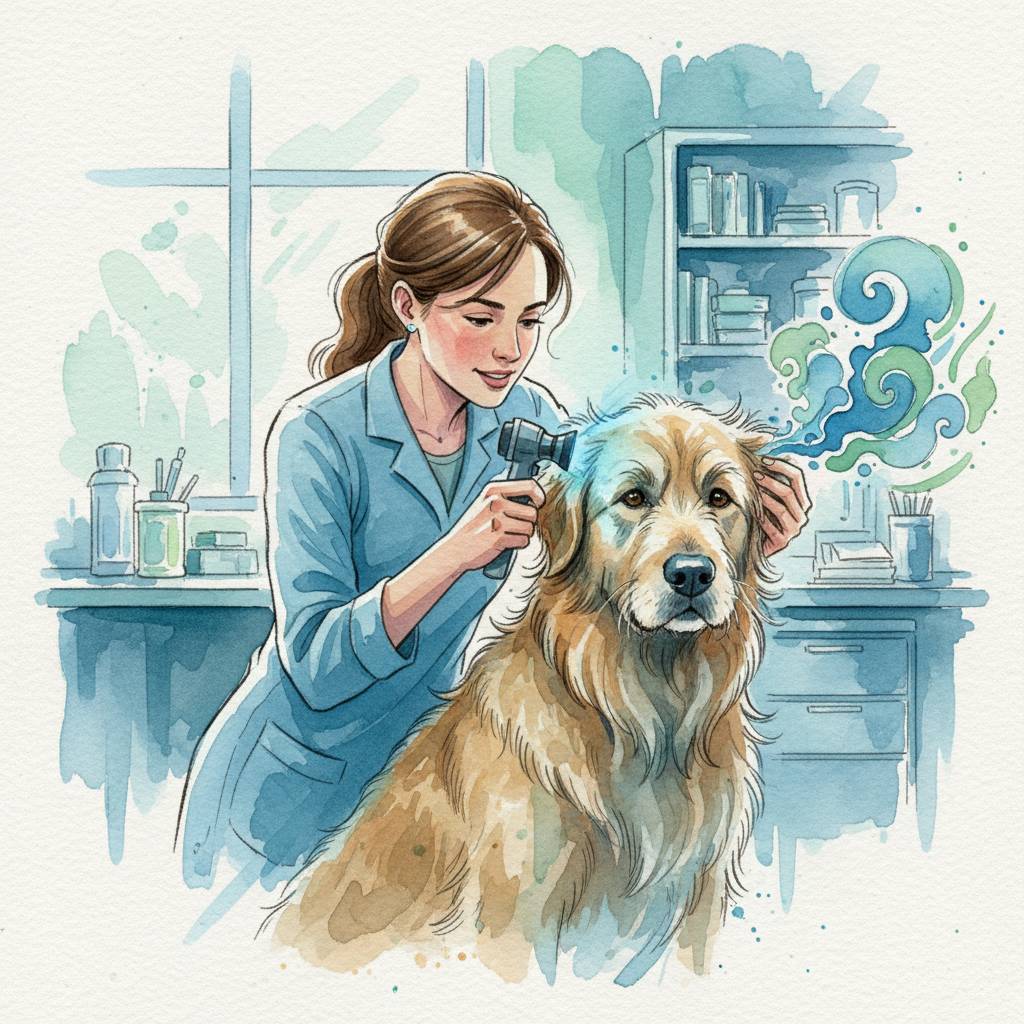
Ear infections are particularly common in dogs with floppy ears, as the ear canal is less ventilated and more prone to moisture buildup. Bacteria and yeast can flourish in this environment, leading to painful inflammation and discharge. Untreated ear infections can spread to the inner ear, causing hearing loss and balance problems. Regular ear cleaning and drying are crucial for preventing ear infections.
Dental Disease
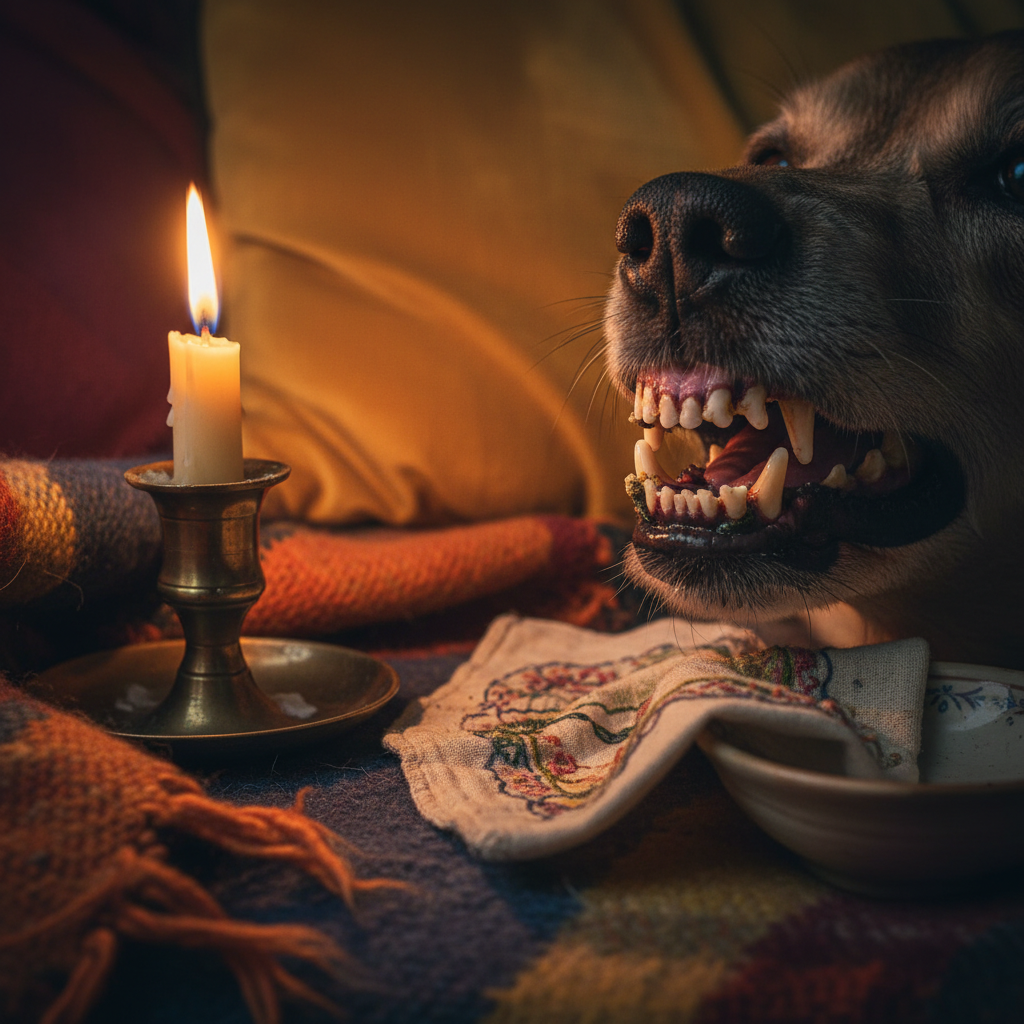
Dental disease is one of the most prevalent health problems in pets, affecting a significant percentage of dogs and cats by the time they reach three years of age. The accumulation of plaque and tartar on the teeth can lead to gingivitis, periodontitis, and tooth loss. Bacteria from the mouth can also enter the bloodstream, potentially damaging the heart, kidneys, and liver. Regular tooth brushing and professional dental cleanings are essential for maintaining good oral hygiene.
Anal Gland Issues
Anal glands are small sacs located on either side of the anus that secrete a pungent fluid used for marking territory. In some pets, these glands can become impacted or infected, leading to discomfort, pain, and scooting. Regular expression of the anal glands by a veterinarian or groomer may be necessary to prevent these issues.
The Emotional Toll: Beyond Physical Discomfort
While the physical consequences of poor hygiene are readily apparent, the emotional impact on your pet can be just as profound. A pet experiencing discomfort due to skin irritation, ear infections, or dental pain may become anxious, irritable, and withdrawn. They may lose interest in activities they once enjoyed, such as playing fetch or going for walks. Imagine the constant itching of fleas or the throbbing pain of an infected ear – these experiences can be incredibly distressing for your pet. Furthermore, a pet with a matted or unkempt coat may feel self-conscious and less confident. Just as humans take pride in their appearance, pets can also be affected by their physical state.
Consider the case of a senior cat named Whiskers who was brought to a local animal shelter. Whiskers was severely matted, underweight, and visibly depressed. It turned out that his previous owner had been unable to care for him due to health issues. After being groomed, treated for fleas, and given proper nutrition, Whiskers transformed into a playful and affectionate companion. This case highlights the dramatic impact that proper hygiene and care can have on a pet’s emotional well-being.
Preventive Measures: A Proactive Approach
The good news is that many of the health problems associated with poor hygiene are preventable with a proactive approach. Establishing a consistent grooming routine, providing a balanced diet, and scheduling regular veterinary checkups are all essential steps in ensuring your pet’s health and happiness. Let’s explore some specific preventive measures you can take:
Regular Grooming
Grooming is not just about aesthetics; it’s a crucial aspect of your pet’s hygiene and overall health. Regular brushing helps remove dirt, debris, and loose hair, preventing mats and tangles from forming. It also stimulates circulation and distributes natural oils throughout the coat, keeping it healthy and shiny. The frequency of brushing will depend on your pet’s breed and coat type. Long-haired breeds like Persian cats and Old English Sheepdogs require daily brushing, while short-haired breeds like Labrador Retrievers and Siamese cats may only need brushing once or twice a week. Bathing should be done as needed, typically every few weeks, using a pet-specific shampoo. Over-bathing can strip the coat of its natural oils, leading to dry skin and irritation.

Dental Care
Maintaining good oral hygiene is essential for preventing dental disease. The gold standard is daily tooth brushing using a pet-specific toothpaste. Human toothpaste contains ingredients that can be harmful to pets. If your pet resists tooth brushing, there are alternative options available, such as dental chews, oral rinses, and dental diets. Regular professional dental cleanings under anesthesia are also recommended to remove plaque and tartar buildup.
Ear Cleaning
Regular ear cleaning can help prevent ear infections, especially in dogs with floppy ears. Use a pet-specific ear cleaning solution and gently wipe the ear canal with a cotton ball. Avoid using cotton swabs, as they can push debris further into the ear canal. If you notice any signs of an ear infection, such as redness, discharge, or head shaking, consult your veterinarian.
Nail Trimming
Overgrown nails can be uncomfortable and even painful for your pet. They can also increase the risk of injury. Trim your pet’s nails regularly using a pet-specific nail clipper. Be careful not to cut too close to the quick, which contains blood vessels and nerves. If you are unsure how to trim your pet’s nails, ask your veterinarian or groomer for assistance.
Proper Nutrition
A balanced diet is essential for maintaining healthy skin and coat. Choose a high-quality pet food that is appropriate for your pet’s age, breed, and activity level. Ensure that your pet has access to fresh, clean water at all times. Supplementation with omega-3 fatty acids can also help improve skin and coat health.
Regular Veterinary Checkups
Regular veterinary checkups are crucial for detecting and addressing any health problems early on. Your veterinarian can assess your pet’s overall health, provide vaccinations, and recommend appropriate parasite prevention measures. They can also identify any potential hygiene-related issues and provide guidance on how to address them.
Seeking Professional Help: When to Consult a Veterinarian or Groomer
While many hygiene-related issues can be managed at home, there are times when professional help is necessary. If you notice any signs of a skin infection, ear infection, dental disease, or other health problems, consult your veterinarian promptly. They can diagnose the underlying cause of the problem and recommend appropriate treatment. A professional groomer can also provide valuable assistance with tasks such as bathing, brushing, nail trimming, and anal gland expression. They have the expertise and equipment necessary to safely and effectively groom your pet, especially if they are difficult to handle or have specific grooming needs.
Consider the case of a long-haired cat named Princess who developed severe matting due to neglect. Her owner attempted to remove the mats at home, but accidentally cut her skin in several places. Princess was then brought to a veterinarian for treatment and a professional groomer to safely and humanely remove the remaining mats. This case highlights the importance of seeking professional help when dealing with complex grooming issues.
Creating a Comfortable and Hygienic Environment
Beyond direct care for your pet, the environment they live in plays a crucial role in their overall hygiene and well-being. A clean and comfortable living space minimizes exposure to allergens, parasites, and other potential health hazards. Regular cleaning of your pet’s bedding, toys, and food and water bowls is essential. Vacuuming carpets and upholstery regularly can help remove pet dander and other allergens. Providing a well-ventilated living space can also help prevent moisture buildup, which can contribute to bacterial and fungal growth. Consider using air purifiers to remove allergens and odors from the air.
Bedding and Living Spaces
Your pet’s bedding is a prime breeding ground for bacteria, fleas, and dust mites. Wash your pet’s bedding at least once a week in hot water and dry it thoroughly. Consider using hypoallergenic bedding to minimize allergen exposure. Clean your pet’s living spaces regularly, including crates, kennels, and play areas. Use a pet-safe cleaning solution to disinfect surfaces and remove odors.
Food and Water Bowls
Food and water bowls can harbor bacteria and mold if not cleaned regularly. Wash your pet’s food and water bowls daily with hot, soapy water. Choose bowls made of stainless steel or ceramic, as these materials are less porous and easier to clean than plastic.
Litter Boxes (for Cats)
Maintaining a clean litter box is essential for your cat’s hygiene and well-being. Scoop the litter box at least once a day and change the litter completely once a week. Use a high-quality litter that is low in dust and odor. Place the litter box in a well-ventilated area.
The Long-Term Benefits: A Happier, Healthier Pet
Investing in your pet’s hygiene is an investment in their long-term health and happiness. A clean, well-groomed pet is less likely to develop skin infections, ear infections, dental disease, and other health problems. They are also more likely to be happy, confident, and affectionate companions. By establishing a consistent hygiene routine and seeking professional help when needed, you can ensure that your pet lives a long, healthy, and fulfilling life. Think of it as a partnership: you provide the care, and they provide the unconditional love and companionship that enriches your life in so many ways. Is there a better return on investment than that?

In conclusion, prioritizing your pet’s hygiene is not just about aesthetics; it’s about ensuring their physical and emotional well-being. By recognizing the signs of hygiene-related distress, taking preventive measures, and seeking professional help when needed, you can help your pet live a long, healthy, and happy life. Remember, a clean pet is a happy pet, and a happy pet makes for a happy owner. The bond we share with our animals is a special one, and by ensuring their comfort and well-being, we strengthen that bond and create a lasting connection built on love and care.

Hi, my name is Robert Max, I live in the United States and I’m the creator of InTechNews. I started this blog with the goal of sharing reliable and practical information about pet care, helping pet owners provide a healthier and happier life for their animals. I’m passionate about animal well-being and believe that good information makes all the difference in responsible pet ownership.