
The Paradox of Clean: When Hygiene Hurts
We all strive for a clean and healthy home, especially when we share it with our beloved pets. The gleaming surfaces, the fresh scents, and the absence of dust bunnies give us a sense of control and well-being. But have you ever stopped to consider that your pursuit of pristine perfection might inadvertently be harming your furry companion? It’s a counterintuitive thought, isn’t it? We associate cleaning with health, with safety, with removing harmful bacteria and allergens. Yet, in the realm of pet care, the line between beneficial hygiene and detrimental over-cleaning is surprisingly thin.
The modern world is saturated with cleaning products, each promising to eradicate germs and leave our homes sparkling. But many of these products contain harsh chemicals that, while effective at disinfecting, can pose significant risks to our pets. They walk on the freshly cleaned floors, lick their paws, and breathe in the lingering fumes. Their bodies, often smaller and more sensitive than our own, absorb these toxins at a faster rate, leading to a range of health problems that can be difficult to trace back to the source.
Is your commitment to cleanliness, driven by the best intentions, potentially creating a toxic environment for your pet? It’s a question worth pondering, a question that demands a closer look at the ingredients in our cleaning supplies and the potential impact they have on the delicate balance of our pets’ health.
The Chemical Cocktail: Unmasking Hidden Dangers
The average household cleaning product is a complex concoction of chemicals, many of which are known irritants, allergens, or even carcinogens. While these substances might be safe for humans in small doses and with proper ventilation, pets are far more vulnerable due to their size, their behavior, and their closer proximity to treated surfaces.
Common Culprits: A Rogue’s Gallery of Harmful Ingredients
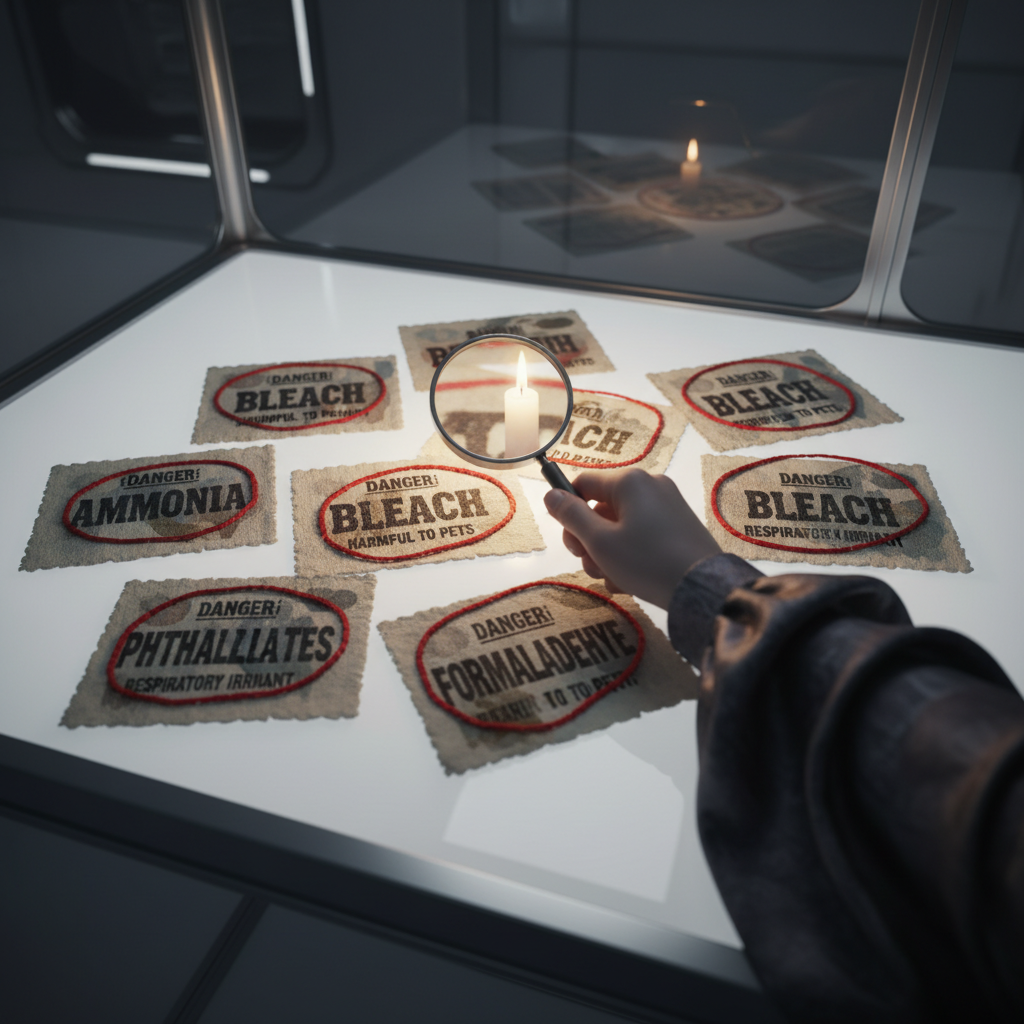
Let’s delve into some of the most common offenders lurking within our cleaning cabinets:
- Ammonia: Often found in window cleaners and polishing agents, ammonia can cause respiratory irritation, burns, and even death if ingested. Pets are particularly susceptible to ammonia poisoning due to their smaller lung capacity.
- Bleach: A ubiquitous disinfectant, bleach is highly corrosive and can cause severe burns to the skin, eyes, and digestive tract. Even diluted bleach solutions can be harmful if ingested or inhaled. The strong odor alone can be irritating to a pet’s sensitive nose.
- Phthalates: These chemicals, used to add fragrance to many cleaning products, are endocrine disruptors. They can interfere with hormone function, leading to reproductive problems, developmental issues, and even certain types of cancer.
- Glycol Ethers: Commonly found in all-purpose cleaners, glycol ethers are toxic to the kidneys and liver. They can also cause neurological damage and respiratory problems.
- Formaldehyde: A known carcinogen, formaldehyde is used as a preservative in some cleaning products. It can cause skin irritation, respiratory problems, and cancer.
- Quaternary Ammonium Compounds (Quats): These disinfectants are increasingly common, but they can cause skin and respiratory irritation and may contribute to antibiotic resistance. Even seemingly “pet-friendly” products can contain quats.
The insidious nature of these chemicals lies in their ability to accumulate in a pet’s system over time. A single exposure might not cause immediate symptoms, but repeated exposure can lead to chronic health problems that are difficult to diagnose and treat. Think of it like slowly poisoning a well; the effects might not be immediately apparent, but the long-term consequences can be devastating.
A Case Study: The Mysterious Itch
Consider the case of a five-year-old Labrador Retriever named Buddy. Buddy had always been a healthy, active dog, but over the past few months, his owners noticed that he was constantly scratching. His skin was red and inflamed, and he had developed several bald patches. They took him to the veterinarian, who performed various tests but couldn’t find any evidence of allergies, parasites, or infections.
Frustrated and desperate, Buddy’s owners began to meticulously examine their home environment. They realized that they had recently switched to a new brand of floor cleaner, one that promised to be “extra strong” and “long-lasting.” Upon closer inspection of the ingredient list, they discovered that it contained a high concentration of quaternary ammonium compounds. They immediately stopped using the cleaner, and within a few weeks, Buddy’s itching subsided and his skin began to heal. The “extra strong” cleaner, intended to create a healthier home, had been the culprit all along.
The Paw-to-Floor Connection: How Pets Encounter Toxins
Understanding how pets interact with their environment is crucial to mitigating the risks associated with cleaning products. Unlike humans, who typically wear shoes indoors, pets have direct contact with treated surfaces. They walk, lie, and play on floors that have been cleaned with potentially harmful chemicals. They also engage in grooming behaviors, such as licking their paws and fur, which can lead to the ingestion of residual cleaning agents.
The Inhalation Factor: More Than Just a Sniff
Inhalation is another significant route of exposure. Pets have a more sensitive sense of smell than humans, and they are more likely to be affected by lingering fumes from cleaning products. Consider the act of spraying an air freshener or using a disinfectant spray. While you might only detect the scent for a few minutes, your pet’s more acute sense of smell can linger on the odors for a much longer time, and the chemicals can remain airborne much longer than you realize.
Furthermore, many pets spend a significant portion of their time indoors, especially during extreme weather conditions. This means they are constantly exposed to the off-gassing of volatile organic compounds (VOCs) from cleaning products, furniture, and other household items. Over time, this chronic exposure can lead to respiratory problems, neurological damage, and other health issues.
Think about it: your pet’s world is much closer to the ground. They are breathing in the fumes that settle near the floor, constantly coming into contact with treated surfaces. Are you creating a safe haven for them, or an invisible obstacle course of toxins?
Beyond the Floor: Hidden Sources of Exposure
It’s not just floor cleaners that pose a risk. Consider these often-overlooked sources of chemical exposure:
- Laundry detergents: Residue from laundry detergents can linger on pet bedding and clothing, causing skin irritation and allergic reactions.
- Dish soap: If you wash your pet’s food and water bowls with harsh dish soap, residue can contaminate their food and water, leading to digestive problems.
- Carpet cleaners: Many carpet cleaners contain harsh chemicals that can be harmful to pets, especially if they ingest them while grooming.
- Air fresheners: As mentioned earlier, air fresheners can release VOCs that are harmful to pets’ respiratory systems.
- Furniture polish: Polish can leave a residue that pets can ingest when they groom themselves after rubbing against the treated furniture.
Identifying and mitigating these hidden sources of exposure is essential for protecting your pet’s health. It requires a conscious effort to choose safer alternatives and to be mindful of how your cleaning habits impact your pet’s environment.
The Green Alternative: Safer Cleaning Solutions
Fortunately, there are many safe and effective alternatives to conventional cleaning products. These “green” cleaning solutions utilize natural ingredients that are less likely to harm your pet or the environment. The key is to be informed and to make conscious choices about the products you bring into your home.
DIY Cleaning: Harnessing the Power of Nature
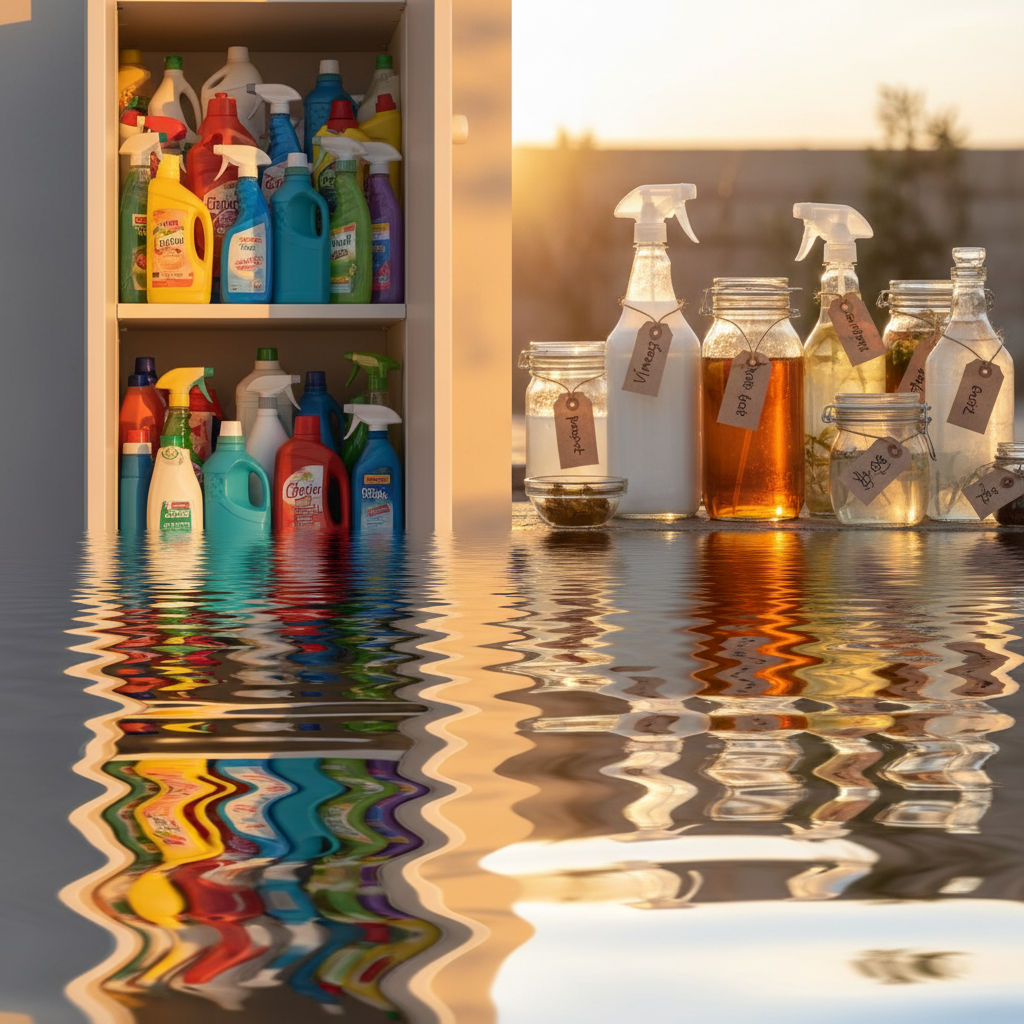
One of the best ways to ensure the safety of your cleaning products is to make them yourself. DIY cleaning solutions are often cheaper, more effective, and far less toxic than their commercial counterparts. Here are a few simple recipes to get you started:
- All-purpose cleaner: Mix equal parts white vinegar and water in a spray bottle. Add a few drops of essential oil (such as lavender or lemon) for fragrance.
- Floor cleaner: Mix 1/4 cup white vinegar with 1 gallon of warm water.
- Carpet cleaner: Sprinkle baking soda on the carpet, let it sit for 30 minutes, and then vacuum.
- Deodorizer: Place a bowl of baking soda in the room to absorb odors.
These simple recipes utilize readily available ingredients that are safe for pets and effective at cleaning. Vinegar is a natural disinfectant and degreaser, while baking soda is a natural deodorizer and abrasive cleaner. Essential oils can add a pleasant fragrance and have antimicrobial properties.
Commercial Green Cleaners: Reading Between the Lines
If you prefer to purchase commercial cleaning products, look for those that are labeled “eco-friendly,” “non-toxic,” or “pet-safe.” However, be aware that these labels can be misleading. Always read the ingredient list carefully and avoid products that contain the harmful chemicals mentioned earlier. Look for products that are certified by independent organizations, such as the Environmental Protection Agency (EPA) or the Green Seal.
Even “pet-safe” products should be used with caution. Always follow the manufacturer’s instructions carefully and ensure that your pet is not exposed to the product during or immediately after application. Ventilate the area well and allow surfaces to dry completely before allowing your pet access.
Beyond Products: Rethinking Your Cleaning Habits
Choosing safer cleaning products is only one part of the equation. It’s also important to rethink your cleaning habits and to adopt a more minimalist approach. Do you really need to disinfect every surface in your home every day? Or can you get by with a simple wipe-down with a damp cloth? Often, less is more when it comes to cleaning, especially when pets are involved.
Consider these tips for creating a healthier cleaning routine:
- Vacuum regularly: Vacuuming removes dust, dirt, and allergens from carpets and floors, reducing the need for harsh cleaning products.
- Spot clean: Address spills and messes immediately to prevent them from setting in.
- Ventilate: Open windows and doors to improve air circulation and reduce the concentration of VOCs.
- Wash pet bedding regularly: Wash pet bedding in hot water with a mild, pet-safe detergent.
- Keep pets away during cleaning: Confine your pet to a separate room while you are cleaning to prevent them from being exposed to fumes or chemicals.
By adopting a more mindful and minimalist approach to cleaning, you can create a healthier and safer environment for your pet without sacrificing cleanliness.
The Behavioral Factor: Understanding Your Pet’s Habits
A crucial aspect of ensuring your pet’s safety in a clean environment is understanding their individual habits and behaviors. Some pets are naturally more prone to ingesting things they shouldn’t, while others are more sensitive to certain smells or textures. Paying attention to these individual differences can help you tailor your cleaning routine to minimize potential risks.
The Curious Canine: Preventing Ingestion
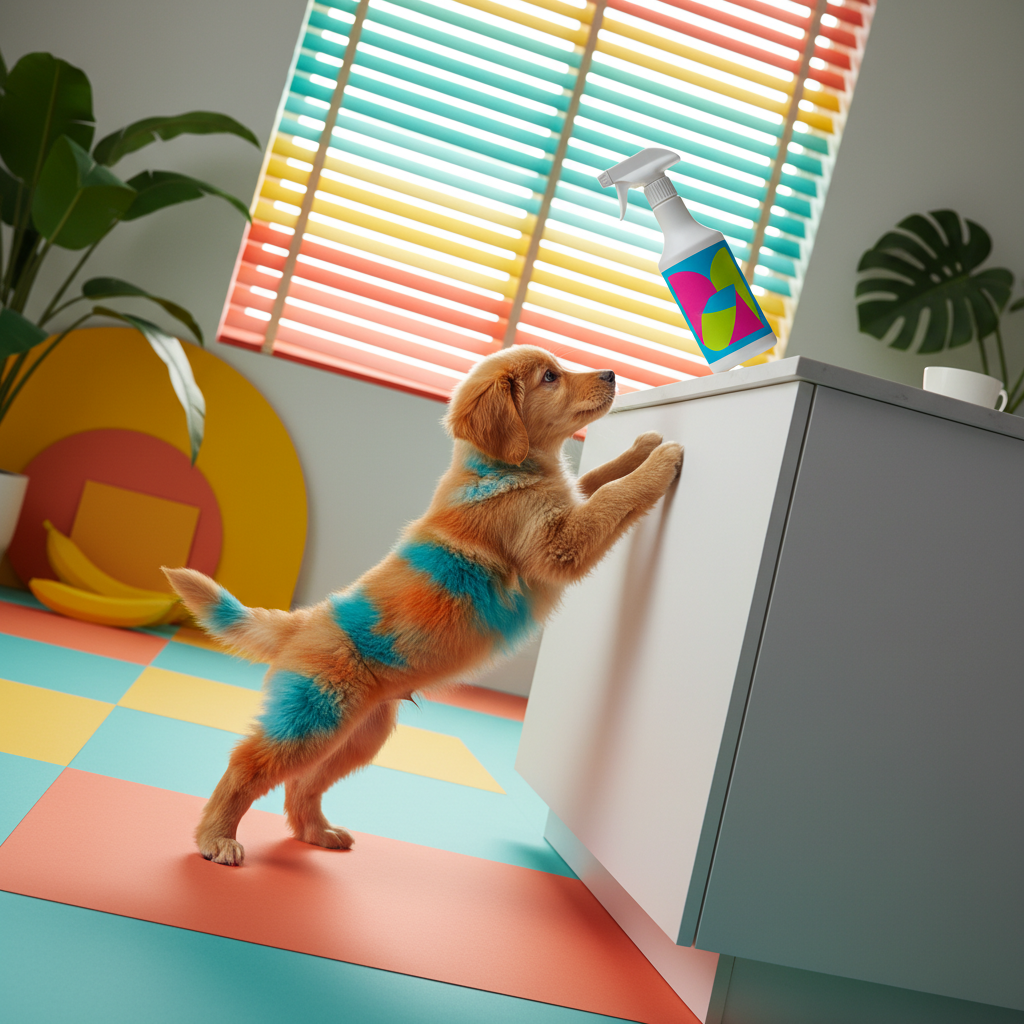
Dogs, especially puppies, are notorious for exploring the world with their mouths. They might lick, chew, or even swallow anything that catches their interest. This makes it particularly important to keep cleaning products out of their reach and to be vigilant about cleaning up spills immediately. Store cleaning supplies in locked cabinets or high shelves, and never leave open containers unattended.
If you suspect that your dog has ingested a cleaning product, contact your veterinarian or the ASPCA Animal Poison Control Center immediately. Do not induce vomiting unless specifically instructed to do so by a veterinarian, as this can cause further damage to the esophagus.
The Fastidious Feline: Sensitivity to Scents
Cats are known for their meticulous grooming habits. They spend a significant portion of their day licking their fur, which means they are more likely to ingest residual cleaning agents. Cats are also highly sensitive to certain smells and textures, and they might avoid areas that have been recently cleaned with strong-smelling products.
When cleaning areas that your cat frequents, such as litter boxes, scratching posts, and sleeping areas, use mild, unscented cleaning products and rinse thoroughly. Consider using a separate set of cleaning tools for these areas to prevent cross-contamination. Pay attention to your cat’s behavior and avoid using products that seem to cause them distress.
Beyond Dogs and Cats: Considerations for Other Pets
While dogs and cats are the most common household pets, it’s important to consider the specific needs of other animals as well. Birds, for example, are particularly sensitive to airborne toxins and should never be exposed to cleaning products with strong fumes. Reptiles and amphibians can absorb chemicals through their skin, so it’s important to use safe cleaning products in their enclosures. Small animals, such as rabbits and guinea pigs, are prone to chewing and may ingest cleaning products if they are left within reach.
No matter what type of pet you have, it’s essential to do your research and to choose cleaning products and practices that are safe for their specific needs.
The Holistic Approach: A Healthy Home, a Healthy Pet
Creating a truly healthy home for your pet requires a holistic approach that encompasses not only cleaning but also nutrition, exercise, and mental stimulation. A well-balanced diet, regular exercise, and plenty of playtime can help to boost your pet’s immune system and make them less susceptible to the harmful effects of environmental toxins. A stressed or bored pet is also more likely to engage in destructive behaviors, such as chewing or licking, which can increase their exposure to cleaning products.
Think of it as building a fortress around your pet’s health. Cleaning is just one brick in that fortress. A strong immune system, a healthy mind, and a loving environment are equally important. When all these elements are in place, your pet will be better equipped to withstand the challenges of modern living, including the potential risks associated with cleaning products.
The pursuit of a clean home is a noble one, driven by a desire to create a healthy and comfortable environment for ourselves and our loved ones. However, it’s crucial to recognize that the definition of “clean” can vary depending on the context. For pets, a truly clean home is not necessarily a sterile one, but rather one that is free from harmful toxins and that promotes their overall well-being. By understanding the potential risks associated with cleaning products and by adopting a more mindful and holistic approach to pet care, we can create a home that is both clean and safe for our furry companions.
Ultimately, the health and happiness of our pets are worth more than a perfectly polished floor. By prioritizing their well-being and making informed choices about the products we use in our homes, we can ensure that they thrive in a safe and loving environment for years to come. It’s a small price to pay for the unconditional love and companionship they bring into our lives. So, the next time you reach for a cleaning product, ask yourself: is this truly the best choice for my pet? The answer might surprise you.

Hi, my name is Robert Max, I live in the United States and I’m the creator of InTechNews. I started this blog with the goal of sharing reliable and practical information about pet care, helping pet owners provide a healthier and happier life for their animals. I’m passionate about animal well-being and believe that good information makes all the difference in responsible pet ownership.