
The Unseen Dangers of Overlooked Hygiene
We all strive to provide the best possible care for our beloved pets. We feed them nutritious food, shower them with affection, and ensure they have a comfortable place to rest. However, sometimes the simplest aspects of pet care – basic hygiene practices – are the ones we unknowingly overlook. What seems like a minor oversight can quickly escalate into significant health and behavioral problems for our furry companions. Are you truly aware of the potential pitfalls lurking in your pet’s everyday routine? Are seemingly harmless habits inadvertently jeopardizing their well-being?
The truth is, many common hygiene mistakes can have far-reaching consequences, impacting not only your pet’s physical health but also their emotional state and even the harmony of your household. From neglecting dental care to improper grooming techniques, the cumulative effect of these seemingly small errors can lead to discomfort, disease, and a diminished quality of life for your cherished animal.
The Silent Epidemic: Neglecting Dental Hygiene
Imagine not brushing your teeth for weeks, months, or even years. The buildup of plaque and tartar would lead to gum disease, tooth decay, and chronic pain. Sadly, this is the reality for many pets whose dental hygiene is neglected. Periodontal disease, an inflammation and infection of the gums and supporting structures of the teeth, is incredibly prevalent in dogs and cats. It begins with plaque, a sticky film of bacteria that constantly forms on teeth. If not removed, plaque hardens into tartar, which irritates the gums, leading to gingivitis (inflammation of the gums). Over time, the inflammation progresses, damaging the tissues and bone that hold teeth in place. This can result in tooth loss, pain, and even systemic health problems.
The bacteria associated with periodontal disease can enter the bloodstream and potentially damage the heart, kidneys, and liver. Studies have shown a correlation between severe dental disease and increased risk of heart valve problems in dogs. Symptoms of dental disease in pets can be subtle, including bad breath (halitosis), excessive drooling, difficulty chewing, pawing at the mouth, and decreased appetite. However, many pets will hide their pain, making it crucial for owners to be vigilant and proactive about their pet’s dental health. Regular tooth brushing, professional dental cleanings, and dental chews can help prevent and manage periodontal disease. Starting a dental hygiene routine early in your pet’s life is essential for maintaining their oral health and overall well-being.
The Grooming Gauntlet: Avoiding Coat and Skin Issues
Grooming is far more than just making your pet look presentable. It’s a critical aspect of their health and well-being. Neglecting grooming can lead to a host of skin and coat problems, ranging from mild irritations to severe infections. Matted fur, a common consequence of infrequent brushing, can trap moisture and debris, creating a breeding ground for bacteria and fungi. This can cause painful skin infections, hot spots (localized areas of inflammation), and even infestations with parasites like fleas and ticks.
Furthermore, matted fur restricts airflow to the skin, preventing it from breathing properly. This can lead to skin irritation and discomfort. In severe cases, matting can become so tight that it cuts off circulation to the underlying skin, causing tissue damage and requiring veterinary intervention. Different breeds have different grooming needs. Long-haired breeds, such as Persian cats and Shih Tzu dogs, require daily brushing to prevent matting. Short-haired breeds, such as Labrador Retrievers and Siamese cats, benefit from weekly brushing to remove loose hair and distribute natural oils. Regular bathing is also important, but it’s crucial to use pet-specific shampoos that are formulated to maintain the pH balance of their skin. Over-bathing can strip the skin of its natural oils, leading to dryness and irritation.

The Paw-blem: Ignoring Foot Care
Our pets’ paws endure a lot. They walk on various surfaces, from hot pavement to icy sidewalks, and are constantly exposed to dirt, debris, and potential injuries. Neglecting paw care can lead to pain, discomfort, and even lameness. Cracked or dry paw pads are a common problem, especially during extreme weather conditions. Just like our skin, paw pads can become dry and cracked when exposed to cold, dry air or hot pavement. These cracks can be painful and make it difficult for your pet to walk comfortably. Applying a paw balm or moisturizer specifically designed for pets can help prevent and treat cracked paw pads. Trimming your pet’s nails regularly is also crucial. Overgrown nails can interfere with their gait, causing pain and discomfort. They can also become ingrown, leading to infection and requiring veterinary attention. When trimming nails, be careful not to cut too close to the quick (the pink part of the nail containing blood vessels and nerves), as this can cause bleeding and pain.
Regularly inspect your pet’s paws for any signs of injury, such as cuts, abrasions, or foreign objects. If you notice anything unusual, consult with your veterinarian. In addition, be mindful of the surfaces your pet walks on. Avoid walking them on hot pavement during the summer months, as this can burn their paw pads. During the winter, protect their paws from salt and de-icing chemicals, which can be irritating. Rinsing their paws after walks can help remove these chemicals and prevent irritation.
The Litterbox Lament: Overlooking Feline Hygiene
For cat owners, maintaining a clean litter box is essential for both your cat’s health and the harmony of your household. Cats are fastidious creatures, and a dirty litter box can lead to a variety of problems, including inappropriate elimination (urinating or defecating outside the litter box), stress, and urinary tract infections. A dirty litter box harbors bacteria and ammonia, which can irritate your cat’s respiratory system and urinary tract. If your cat avoids using the litter box due to its cleanliness, they may hold their urine for too long, increasing their risk of developing urinary crystals or a bladder infection.
The type of litter you use can also impact your cat’s hygiene. Some litters are more effective at controlling odor and absorbing moisture than others. Experiment with different types of litter to find one that your cat prefers and that effectively manages odor. Scoop the litter box at least once a day, and completely empty and clean it at least once a week. Use a mild soap and water to clean the litter box, and rinse it thoroughly to remove any residue. Avoid using strong chemicals or fragrances, as these can be irritating to your cat. The location of the litter box is also important. Place it in a quiet, accessible area away from food and water bowls. Make sure there are enough litter boxes for the number of cats in your household (the general rule is one litter box per cat, plus one extra).
The Food Bowl Fiasco: Ignoring Feeding Dish Hygiene
We often overlook the cleanliness of our pet’s food and water bowls, but these seemingly harmless vessels can become breeding grounds for bacteria and mold. Leftover food and stagnant water provide the perfect environment for microorganisms to thrive, potentially leading to gastrointestinal upset and other health problems. Imagine eating your own meals from a dish that hasn’t been washed in days. The same principle applies to our pets. Bacteria like Salmonella and E. coli can accumulate in food bowls, posing a risk to both pets and humans. Mold can also grow in water bowls, especially in warm, humid environments.
To prevent bacterial and mold growth, wash your pet’s food and water bowls daily with hot, soapy water. Rinse them thoroughly and allow them to air dry completely. Avoid using plastic bowls, as they can harbor bacteria more easily than stainless steel or ceramic bowls. Choose bowls that are easy to clean and sanitize. Consider using a dishwasher-safe bowl for added convenience. In addition, be mindful of the location of your pet’s food and water bowls. Keep them away from areas where bacteria are likely to accumulate, such as near the litter box or in damp, dark corners. Regularly disinfect the area around the bowls to prevent the spread of germs.

The Bedding Blunder: Neglecting Sleeping Area Cleanliness
Our pets spend a significant amount of time sleeping, so it’s essential to keep their bedding clean and hygienic. Just like our own beds, pet beds can accumulate dirt, hair, dander, and bacteria over time. This can lead to skin irritations, allergies, and even parasite infestations. Dust mites, tiny creatures that thrive in bedding, can trigger allergic reactions in sensitive pets. Fleas and ticks can also hide in bedding, waiting to infest your pet. To maintain a clean and healthy sleeping environment for your pet, wash their bedding regularly, ideally once a week. Use a pet-safe detergent and wash it on a hot water cycle to kill any bacteria or parasites. If your pet’s bedding is not machine washable, vacuum it regularly to remove dirt, hair, and dander. You can also sprinkle baking soda on the bedding to absorb odors before vacuuming.
Consider the type of bedding you use. Choose materials that are easy to clean and that won’t trap moisture. Avoid using bedding that is heavily padded or that has a lot of crevices, as these can provide hiding places for parasites. Regularly inspect your pet’s bedding for signs of fleas or ticks. If you find any parasites, treat your pet and their bedding immediately. In addition, consider replacing your pet’s bedding periodically, especially if it becomes worn or damaged. A clean and comfortable bed will promote restful sleep and improve your pet’s overall well-being.
The Toy Trouble: Ignoring Playtime Hygiene
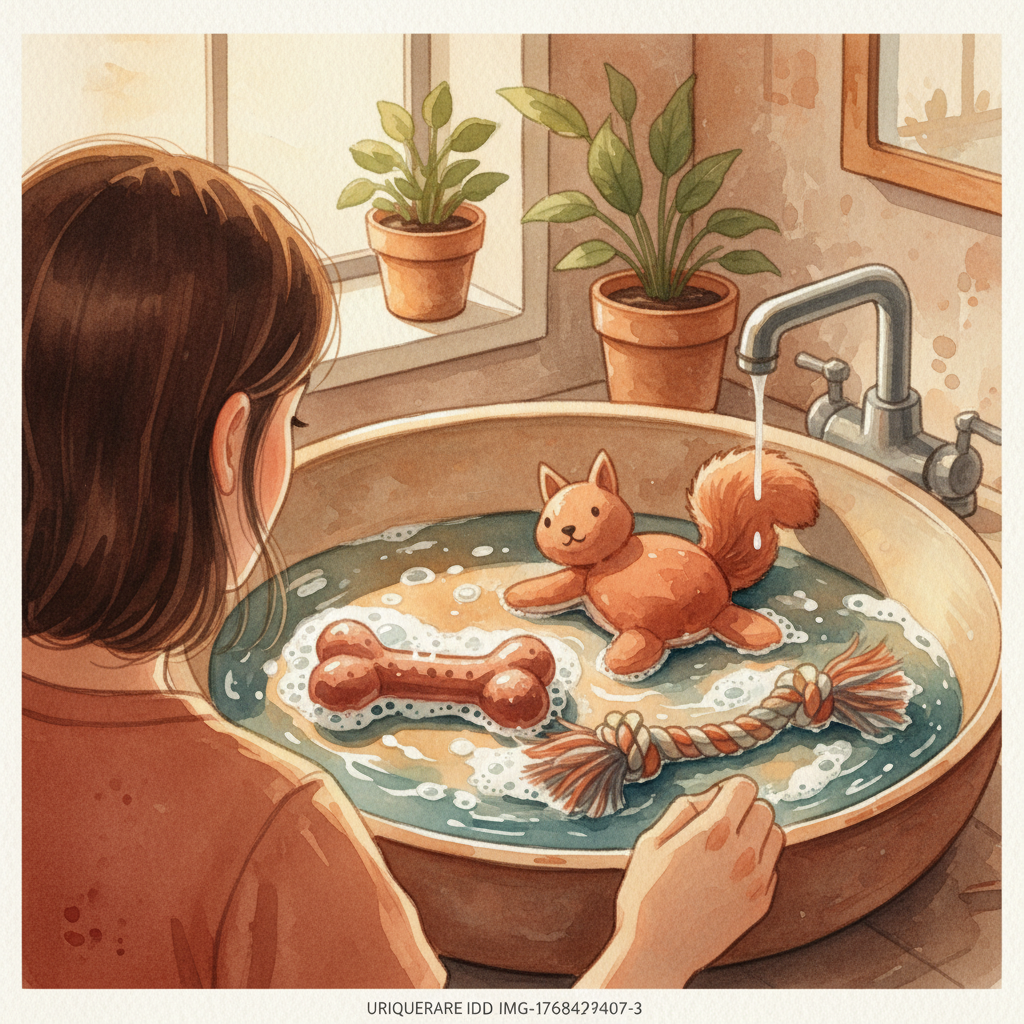
Our pets’ toys are a source of joy and enrichment, but they can also harbor bacteria and germs if not cleaned regularly. Toys that are frequently mouthed or that come into contact with the ground can become contaminated with bacteria, fungi, and even parasites. Chewing on dirty toys can lead to gastrointestinal upset and other health problems. To maintain playtime hygiene, wash your pet’s toys regularly with hot, soapy water. Rinse them thoroughly and allow them to air dry completely. For toys that can’t be washed, such as plush toys, consider putting them in the freezer for a few hours to kill any bacteria or parasites. Regularly inspect your pet’s toys for signs of damage. Discard any toys that are broken, torn, or have loose parts, as these can pose a choking hazard. Choose toys that are made of durable, non-toxic materials that are easy to clean. Avoid toys that have small parts that can be easily swallowed.
In addition, be mindful of where your pet plays with their toys. Avoid letting them play in areas where bacteria are likely to accumulate, such as near the trash can or in the bathroom. Regularly disinfect the area where your pet plays to prevent the spread of germs. Rotating your pet’s toys can also help to prevent the buildup of bacteria. By providing a variety of clean and safe toys, you can keep your pet entertained and healthy.
The Ear Enigma: Overlooking Ear Cleaning
Ear infections are a common problem in dogs, especially those with floppy ears. Moisture and debris can easily become trapped in the ear canal, creating a breeding ground for bacteria and yeast. Neglecting ear cleaning can lead to painful ear infections that require veterinary treatment. Symptoms of an ear infection include head shaking, scratching at the ears, redness, swelling, discharge, and a foul odor. To prevent ear infections, clean your dog’s ears regularly with a veterinarian-approved ear cleaning solution. Avoid using cotton swabs, as these can push debris further into the ear canal and potentially damage the eardrum. Instead, gently massage the ear cleaning solution into the ear canal and then use a cotton ball to wipe away any excess liquid and debris. Clean the outer ear flap with a damp cloth. If your dog has excessive ear wax buildup or recurring ear infections, consult with your veterinarian. They may recommend a specific ear cleaning solution or other treatments to help manage the problem.
Different breeds have different ear cleaning needs. Dogs with floppy ears, such as Cocker Spaniels and Basset Hounds, require more frequent ear cleaning than dogs with erect ears, such as German Shepherds and Siberian Huskies. In addition, dogs who swim frequently are more prone to ear infections and may require more frequent ear cleaning. Regularly inspect your dog’s ears for any signs of redness, swelling, or discharge. If you notice anything unusual, consult with your veterinarian.
The Flea and Tick Fiasco: Ignoring Parasite Prevention
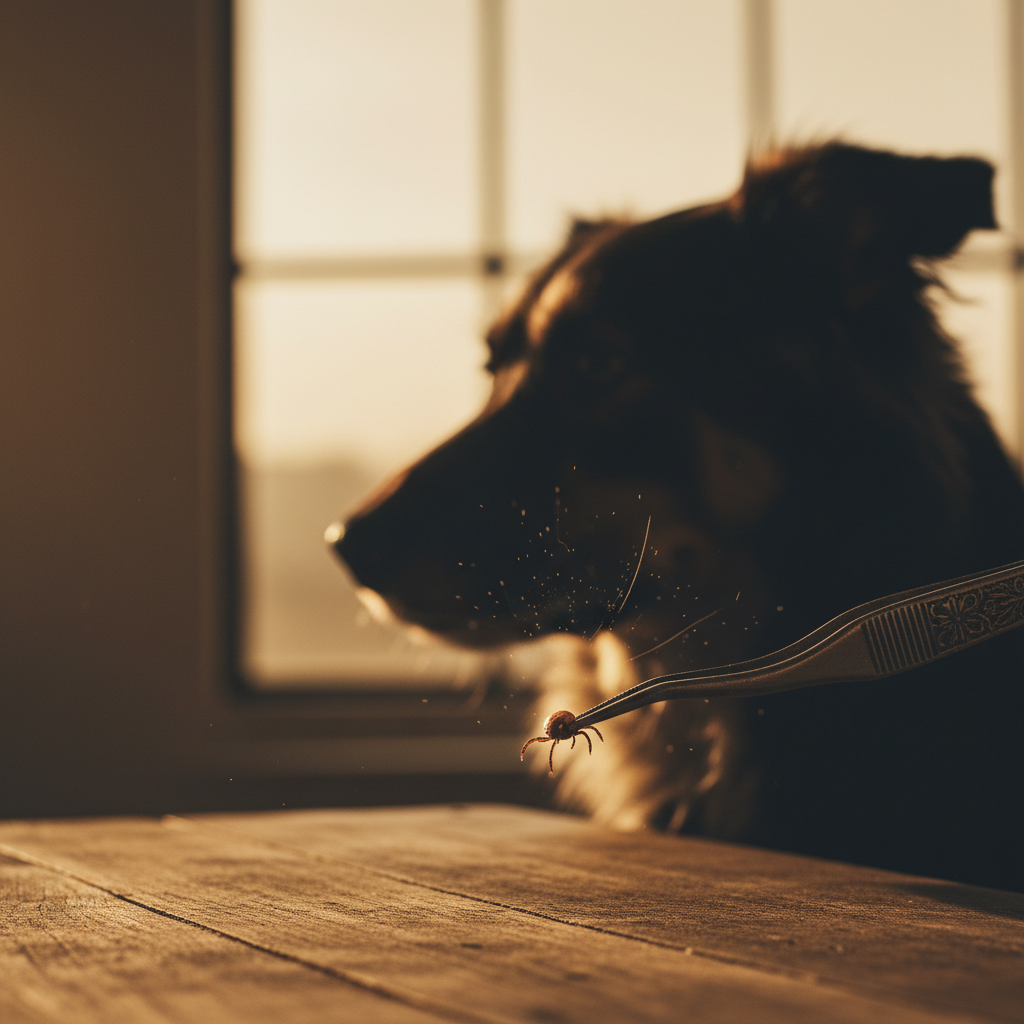
Fleas and ticks are more than just a nuisance. They can transmit diseases, cause skin irritations, and even lead to anemia in severe cases. Neglecting parasite prevention can have serious consequences for your pet’s health. Fleas can cause intense itching and scratching, leading to skin infections and hair loss. Ticks can transmit Lyme disease, ehrlichiosis, and other potentially life-threatening illnesses. To protect your pet from fleas and ticks, use a veterinarian-recommended parasite prevention product. There are many different types of flea and tick preventatives available, including topical medications, oral medications, and collars. Your veterinarian can help you choose the best product for your pet based on their lifestyle, breed, and health status. In addition to using a preventative product, regularly inspect your pet for fleas and ticks. Pay close attention to areas such as the ears, neck, and groin. If you find any fleas or ticks, remove them immediately and consult with your veterinarian.
Maintain your yard to reduce the risk of flea and tick infestations. Mow your lawn regularly, remove leaf litter, and trim bushes and shrubs. Consider using a yard spray specifically designed to kill fleas and ticks. Regularly wash your pet’s bedding to remove any fleas or ticks that may be hiding there. By taking these steps, you can create a flea- and tick-free environment for your pet.
The Ripple Effect: How Hygiene Impacts Behavior
Beyond the immediate health concerns, poor hygiene can significantly impact your pet’s behavior. Chronic discomfort from dental disease, skin infections, or parasite infestations can lead to irritability, anxiety, and even aggression. A pet in pain is less likely to be playful and affectionate. Imagine constantly having a toothache or an itchy rash. It would undoubtedly affect your mood and behavior. The same is true for our pets. A dog with severe dental disease may become reluctant to eat or play with toys. A cat with a skin infection may become withdrawn and avoid being touched. By addressing your pet’s hygiene needs, you can improve their overall well-being and create a happier, more harmonious relationship.
For instance, a dog struggling with a painful ear infection may become head-shy and resist being petted near the head. This can be misinterpreted as aggression, leading to further misunderstandings and potentially damaging the bond between the dog and its owner. Similarly, a cat experiencing urinary discomfort due to a dirty litter box may start associating the litter box with pain, leading to avoidance and inappropriate elimination. This can create frustration for both the cat and the owner, potentially leading to behavioral problems and even abandonment. The key is to recognize that changes in your pet’s behavior may be a sign of underlying health problems related to hygiene. By addressing these issues promptly, you can prevent them from escalating into more serious behavioral problems.
The Power of Proactive Prevention
The good news is that many of these hygiene mistakes are easily preventable with a little knowledge and effort. By establishing a consistent hygiene routine and being proactive about your pet’s health, you can significantly reduce their risk of developing these problems. Regular grooming, dental care, paw care, and parasite prevention are all essential components of a comprehensive hygiene plan. Consult with your veterinarian to develop a personalized hygiene plan that meets your pet’s specific needs. They can provide guidance on proper grooming techniques, recommend appropriate dental care products, and help you choose the best parasite prevention options. Remember, prevention is always better than cure. By investing a little time and effort in your pet’s hygiene, you can ensure they live a long, healthy, and happy life. Are you ready to commit to prioritizing your pet’s hygiene and safeguarding their well-being? The rewards of a clean and healthy pet are immeasurable, both for them and for you.

Hi, my name is Robert Max, I live in the United States and I’m the creator of InTechNews. I started this blog with the goal of sharing reliable and practical information about pet care, helping pet owners provide a healthier and happier life for their animals. I’m passionate about animal well-being and believe that good information makes all the difference in responsible pet ownership.