
Decoding Your Pet’s Skin: A Window into Their Cleaning Rituals
We often admire our pets’ glossy fur or their seemingly endless energy, but how often do we truly consider the health of their skin? Their skin, much like our own, is a complex and vital organ, acting as a barrier against the outside world, regulating temperature, and providing crucial sensory information. And, just like us, the condition of their skin can reveal a great deal about their hygiene and grooming habits – or lack thereof.
Have you ever wondered why your dog constantly scratches, or why your cat’s fur seems dull and lifeless? The answers often lie beneath the surface, quite literally. Understanding the subtle clues that your pet’s skin provides is paramount to ensuring their overall well-being and happiness. It’s not just about aesthetics; it’s about preventing discomfort, identifying potential health issues early, and fostering a deeper connection with your furry companion.
The Skin: More Than Just a Covering
Before diving into the specifics of what your pet’s skin can tell you about their cleaning routine, it’s important to appreciate the skin’s multifaceted role. The skin is the largest organ in the body, composed of several layers, each with its unique function. These layers work together to protect against bacteria, viruses, parasites, and environmental hazards. They also help to maintain hydration, regulate body temperature, and even produce vitamin D.
A healthy skin barrier is crucial for preventing infections and allergies. When the skin is compromised, whether due to poor hygiene, underlying health conditions, or external irritants, it becomes more susceptible to these problems. This can lead to a vicious cycle of itching, scratching, and inflammation, further damaging the skin and making it even more vulnerable.
Consider this: Imagine a fortress protecting a precious city. The skin is that fortress, and its integrity directly impacts the well-being of everything it safeguards. Neglecting the skin’s health is akin to leaving the fortress gates wide open, inviting trouble in.
Unmasking the Signs: What to Look For
So, how do you decipher the messages your pet’s skin is sending? It starts with careful observation and a willingness to get up close and personal (in a gentle and respectful way, of course). Here are some key indicators to watch out for:
Dryness and Flakiness
Dry, flaky skin is a common sign of inadequate grooming or underlying health issues. It can manifest as dandruff-like flakes, scaly patches, or a general feeling of roughness. While occasional dryness might be due to seasonal changes or dry air, persistent dryness is a red flag.
Think of it like this: a plant deprived of water will eventually wilt and its leaves will become brittle. Similarly, a pet whose skin isn’t properly hydrated or nourished will exhibit signs of dryness and flakiness. This can be caused by infrequent bathing (allowing build-up of dead skin cells), harsh shampoos that strip away natural oils, or even dietary deficiencies.
For example, a dog that is bathed too frequently with a harsh, detergent-based shampoo can experience significant skin dryness. The shampoo removes the natural oils that keep the skin moisturized, leading to flakiness, itching, and discomfort. Conversely, a cat that rarely grooms itself due to obesity or arthritis may develop a build-up of dead skin cells, resulting in a similar condition.
Excessive Oiliness
While dryness is a common concern, overly oily skin can also be problematic. This can manifest as greasy fur, a distinct odor, or the presence of blackheads or whiteheads. Excessive oiliness often indicates an overproduction of sebum, the natural oil produced by the skin’s sebaceous glands.
Imagine a kitchen that hasn’t been cleaned properly. Grease and grime accumulate, creating a sticky and unpleasant environment. Similarly, when a pet’s skin produces too much oil, it can trap dirt, debris, and bacteria, leading to skin irritation and infections.
Certain breeds, such as Cocker Spaniels and Basset Hounds, are predisposed to oily skin due to their genetic makeup. However, even in breeds that aren’t typically prone to oiliness, poor hygiene can contribute to the problem. Infrequent bathing or the use of shampoos that don’t effectively remove excess oil can exacerbate the issue.
Redness and Inflammation
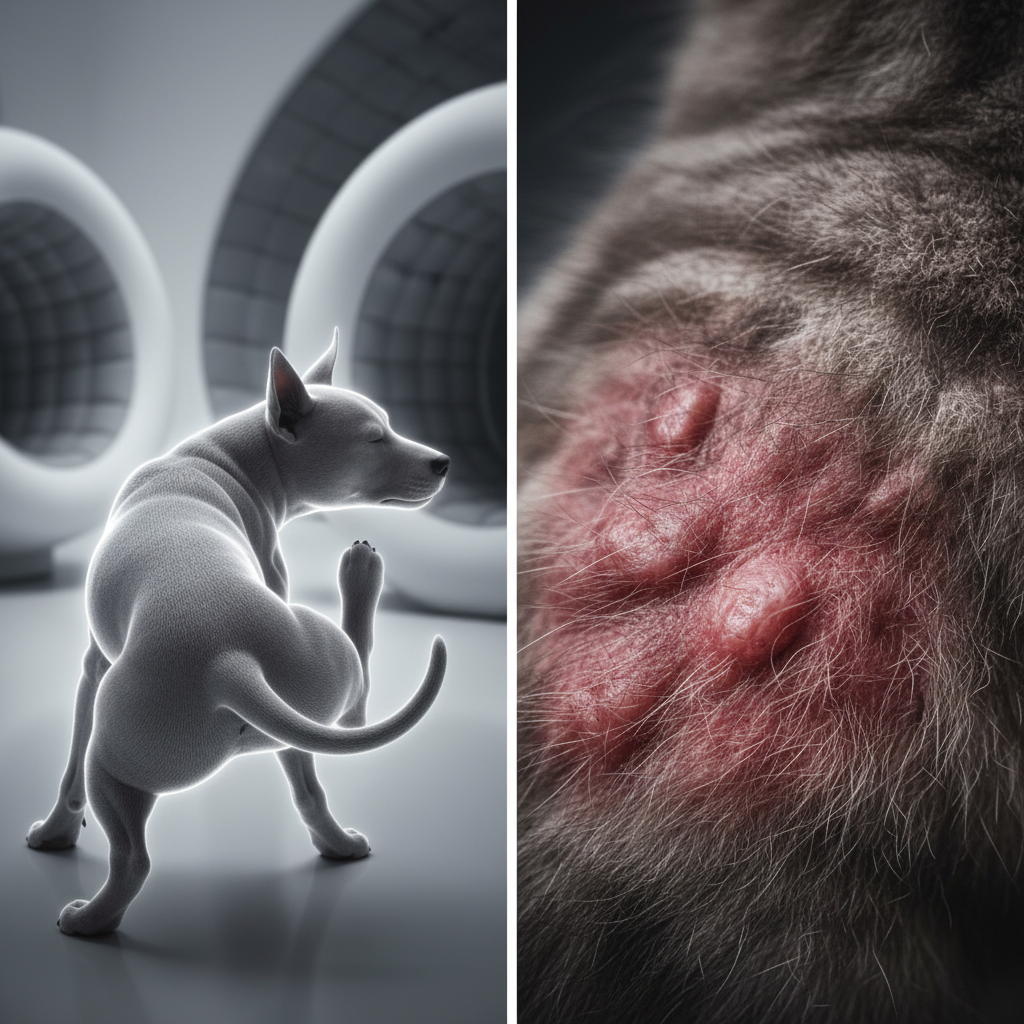
Redness and inflammation are telltale signs of skin irritation. This can range from mild pinkness to intense redness, often accompanied by swelling, heat, and discomfort. Common causes include allergies, parasites, infections, and irritants.
Think of it like a fire alarm: redness and inflammation are the skin’s way of signaling that something is wrong. It’s a sign that the body is mounting an immune response to address a perceived threat. Ignoring these signals can lead to chronic skin problems and significant discomfort for your pet.
For instance, a dog with flea allergies may experience intense itching and redness, particularly around the base of the tail and hindquarters. The flea bites trigger an allergic reaction, causing the skin to become inflamed and irritated. Similarly, a cat with a food allergy may develop red, itchy patches on its face, ears, and paws.
Hair Loss
Hair loss, also known as alopecia, can be a distressing symptom for both pets and their owners. It can be localized, affecting specific areas of the body, or generalized, resulting in widespread thinning of the coat. Hair loss can be caused by a variety of factors, including allergies, infections, hormonal imbalances, and even stress.
Imagine a garden where the plants are not getting enough nutrients. They may start to lose their leaves, becoming sparse and unhealthy. Similarly, when a pet’s skin isn’t healthy, it can affect the hair follicles, leading to hair loss. This can be a sign that the body is not getting the necessary building blocks to maintain a healthy coat.
For example, a dog with hypothyroidism, a condition in which the thyroid gland doesn’t produce enough thyroid hormone, may experience hair loss, particularly on the flanks and tail. The hormone imbalance affects the hair growth cycle, leading to thinning and shedding. Similarly, a cat with ringworm, a fungal infection, may develop circular patches of hair loss with red, scaly borders.
Changes in Skin Texture
Pay attention to any changes in the texture of your pet’s skin. This could include thickening, hardening, or the development of lumps or bumps. These changes can be indicative of underlying health conditions, such as tumors, cysts, or infections.
Think of it like examining a piece of fabric. A smooth, even texture indicates good quality, while bumps, tears, or discoloration suggest damage or defects. Similarly, the texture of your pet’s skin should be relatively smooth and uniform. Any unusual changes warrant further investigation.
For instance, a dog that develops a hard, raised lump on its skin could have a benign cyst or a more serious tumor. It’s important to have any suspicious lumps or bumps examined by a veterinarian to determine the underlying cause and appropriate treatment. Similarly, a cat that develops thickened, leathery skin on its paws could have a condition called plasma cell pododermatitis, an inflammatory condition that affects the footpads.
The Cleaning Connection: How Grooming Impacts Skin Health
Now that we’ve explored some of the key signs of skin problems, let’s delve into how cleaning routines – or lack thereof – can influence your pet’s skin health. Regular grooming is not just about keeping your pet looking presentable; it’s an essential part of maintaining their skin’s integrity and preventing a host of problems.
Brushing: More Than Just Tangles
Brushing is a fundamental aspect of pet grooming that offers numerous benefits for skin health. Regular brushing helps to remove loose hair, dead skin cells, and debris, preventing them from accumulating on the skin and causing irritation. It also stimulates blood circulation, promoting healthy hair growth and distributing natural oils throughout the coat.
Imagine a farmer tilling the soil. Tilling helps to loosen the soil, remove weeds, and improve aeration, creating a favorable environment for plant growth. Similarly, brushing helps to loosen dead skin cells, remove debris, and improve circulation, creating a healthier environment for your pet’s skin.
The frequency and type of brushing required will vary depending on your pet’s breed, coat type, and lifestyle. Long-haired breeds, such as Persian cats and Collies, require daily brushing to prevent mats and tangles, while short-haired breeds may only need brushing a few times a week. Using the right type of brush for your pet’s coat is also crucial. A slicker brush is ideal for removing mats and tangles, while a bristle brush is better for smoothing the coat and distributing oils.
Bathing: A Balancing Act
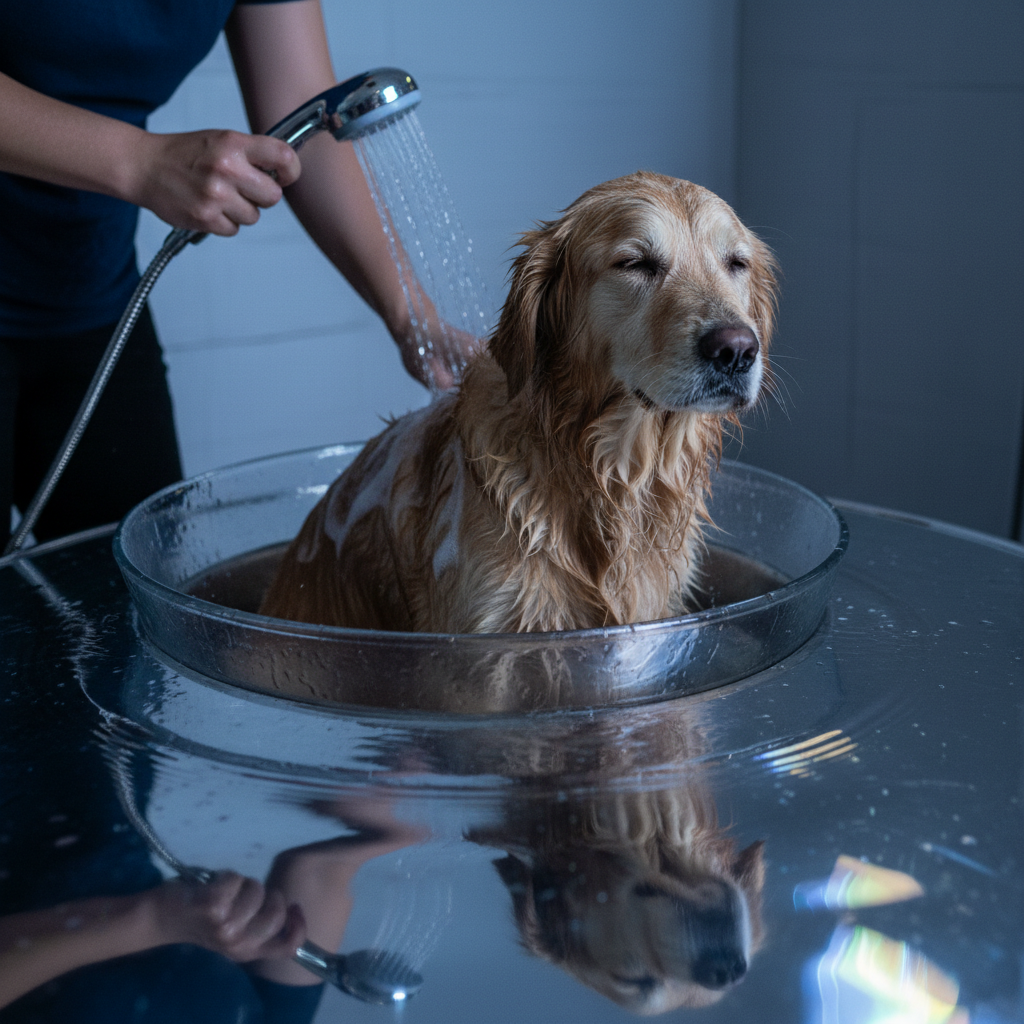
Bathing is another important aspect of pet grooming, but it’s crucial to strike the right balance. Over-bathing can strip away natural oils, leading to dryness and irritation, while infrequent bathing can allow dirt, debris, and bacteria to accumulate, causing skin problems. The ideal bathing frequency will depend on your pet’s breed, lifestyle, and skin condition.
Think of it like watering a plant. Too much water can lead to root rot, while too little water can cause the plant to wilt. Similarly, too much bathing can strip away natural oils, while too little bathing can allow dirt and debris to accumulate. Finding the right balance is key.
When bathing your pet, always use a shampoo specifically formulated for their species and skin type. Human shampoos can be too harsh and can disrupt the pH balance of your pet’s skin. Look for shampoos that are hypoallergenic, fragrance-free, and contain moisturizing ingredients, such as oatmeal or aloe vera. Be sure to rinse thoroughly to remove all traces of shampoo, as residue can cause skin irritation.
Professional Grooming: When to Seek Help
While many pet owners can handle basic grooming tasks at home, there are times when professional grooming is necessary. Professional groomers have the expertise and equipment to handle more complex grooming needs, such as dematting, trimming, and specialized bathing. They can also identify potential skin problems early and recommend appropriate treatment.
Imagine trying to fix a complex electrical problem without the proper tools or knowledge. You might end up causing more damage than good. Similarly, attempting to handle complex grooming tasks without the necessary expertise can be detrimental to your pet’s skin health. Professional groomers can provide a safe and effective solution.
If your pet has a thick, matted coat, severe skin allergies, or is difficult to handle during grooming, it’s best to seek the help of a professional groomer. They can safely and effectively address these challenges, ensuring your pet’s comfort and well-being. Additionally, professional groomers can often spot early signs of skin problems that you might miss, allowing for prompt treatment and preventing the condition from worsening.
Beyond the Surface: Underlying Health Conditions
While poor hygiene can certainly contribute to skin problems, it’s important to recognize that underlying health conditions can also play a significant role. Allergies, parasites, infections, hormonal imbalances, and autoimmune diseases can all manifest as skin issues. If you’ve addressed your pet’s cleaning routine and are still seeing signs of skin problems, it’s essential to consult with a veterinarian to rule out any underlying medical causes.
Allergies: An Immune System Overreaction
Allergies are a common cause of skin problems in pets. Allergies occur when the immune system overreacts to a harmless substance, such as pollen, dust mites, or food ingredients. This overreaction can trigger inflammation, itching, and other skin symptoms.
Think of it like a security system that’s overly sensitive. It might trigger an alarm even when there’s no real threat. Similarly, an allergic pet’s immune system may react to harmless substances, causing skin problems.
Food allergies are particularly common in pets and can manifest as itchy skin, hair loss, and gastrointestinal upset. Common food allergens include beef, chicken, wheat, and soy. Identifying and eliminating the offending allergen is crucial for managing food allergies. This often involves a process of elimination diets, where you gradually introduce different food ingredients to see which ones trigger a reaction.
Parasites: Uninvited Guests
Parasites, such as fleas, ticks, and mites, can wreak havoc on your pet’s skin. These parasites feed on blood and skin cells, causing itching, irritation, and inflammation. In severe cases, parasitic infestations can lead to anemia and secondary bacterial infections.
Imagine having tiny insects constantly biting and crawling on your skin. It would be incredibly irritating and uncomfortable. Similarly, parasitic infestations can cause significant discomfort for your pet.
Regularly checking your pet for parasites and using preventative medications is essential for protecting their skin health. There are a variety of flea and tick preventatives available, including topical treatments, oral medications, and collars. Your veterinarian can recommend the best option for your pet based on their lifestyle and risk factors. Additionally, maintaining a clean environment, both indoors and outdoors, can help to reduce the risk of parasitic infestations.

Infections: Bacterial and Fungal
Bacterial and fungal infections can also cause skin problems in pets. These infections often occur when the skin’s protective barrier is compromised, allowing bacteria or fungi to invade and multiply. Common signs of skin infections include redness, swelling, pus-filled lesions, and a foul odor.
Think of it like a cut on your skin. If the cut isn’t properly cleaned and cared for, it can become infected with bacteria. Similarly, when a pet’s skin is damaged or compromised, it becomes more susceptible to infections.
Treating skin infections typically involves antibiotics or antifungal medications, either topical or oral. It’s important to follow your veterinarian’s instructions carefully and complete the entire course of medication, even if your pet’s symptoms improve. Additionally, addressing any underlying causes of the skin infection, such as allergies or parasites, is crucial for preventing recurrence.
The Role of Nutrition: Feeding Skin Health from Within
While grooming plays a vital role in maintaining skin health, nutrition is equally important. A balanced diet that provides essential nutrients, such as omega-3 fatty acids, vitamins, and minerals, is crucial for supporting healthy skin and a glossy coat. Deficiencies in these nutrients can lead to dry, flaky skin, hair loss, and other skin problems.
Omega-3 Fatty Acids: The Skin’s Best Friend
Omega-3 fatty acids are essential fats that play a crucial role in maintaining skin health. They help to reduce inflammation, improve skin hydration, and promote a healthy coat. Good sources of omega-3 fatty acids include fish oil, flaxseed oil, and chia seeds.
Think of omega-3 fatty acids as a natural moisturizer for the skin. They help to keep the skin supple and hydrated, preventing dryness and flakiness.
Adding omega-3 fatty acid supplements to your pet’s diet can be particularly beneficial for pets with allergies or other inflammatory skin conditions. However, it’s important to consult with your veterinarian before starting any new supplements to ensure they are safe and appropriate for your pet.
Vitamins and Minerals: Essential Building Blocks
Vitamins and minerals are also essential for maintaining skin health. Vitamin A helps to promote cell growth and repair, while vitamin E acts as an antioxidant, protecting the skin from damage caused by free radicals. Zinc is important for wound healing and immune function, while copper is necessary for collagen production.
Think of vitamins and minerals as the building blocks of healthy skin. They provide the necessary components for cell growth, repair, and protection.
Ensure your pet is eating a complete and balanced diet that provides all the essential vitamins and minerals they need. If you’re concerned about your pet’s nutrient intake, talk to your veterinarian about whether supplementation is necessary.
Creating a Holistic Approach to Skin Care
Ultimately, maintaining your pet’s skin health requires a holistic approach that encompasses regular grooming, proper nutrition, and prompt veterinary care. By paying close attention to the signs your pet’s skin is sending and addressing any underlying health conditions, you can help to ensure their comfort and well-being.
Remember, your pet’s skin is a reflection of their overall health. By providing them with a healthy diet, a regular grooming routine, and prompt veterinary care, you can help them to maintain healthy skin and a glossy coat for years to come. Don’t underestimate the power of observation and a proactive approach to pet care. Your pet will thank you for it with their unwavering love and affection.

Hi, my name is Robert Max, I live in the United States and I’m the creator of InTechNews. I started this blog with the goal of sharing reliable and practical information about pet care, helping pet owners provide a healthier and happier life for their animals. I’m passionate about animal well-being and believe that good information makes all the difference in responsible pet ownership.