
Understanding Your Dog’s Coat: A Foundation for Care
A dog’s coat isn’t just for show; it’s a vital organ system, providing insulation, protection from the elements, and even playing a role in their immune system. Different breeds boast vastly different coat types, each demanding a unique approach to grooming and care. What works wonders for a sleek-haired Doberman will be utterly inadequate for a fluffy Samoyed, and could even be detrimental. Have you ever considered the sheer diversity in dog coats, and how profoundly it impacts their well-being?
The Spectrum of Canine Coats: From Smooth to Corded
The variations are astounding. You have the short, smooth coats of breeds like Boxers and Greyhounds, the dense, double coats of Huskies and Pomeranians, the wiry coats of Terriers, the long, flowing coats of Collies and Shih Tzus, and even the tightly corded coats of Komondors and Pulis. Each texture, density, and length presents its own set of challenges and requirements. Imagine trying to brush out a double coat with a slicker brush designed for a short-haired breed – it simply wouldn’t work, and could even cause pain and skin irritation.
Understanding your dog’s specific coat type is the first, and arguably most crucial, step in providing appropriate care. This isn’t just about aesthetics; it’s about maintaining their health, comfort, and overall quality of life. Neglecting the specific needs of a particular coat can lead to matting, skin infections, overheating, and a host of other problems. Are you truly equipped to cater to the unique demands of your dog’s specific breed?
Short, Smooth Coats: Simplicity Isn’t Always Easy
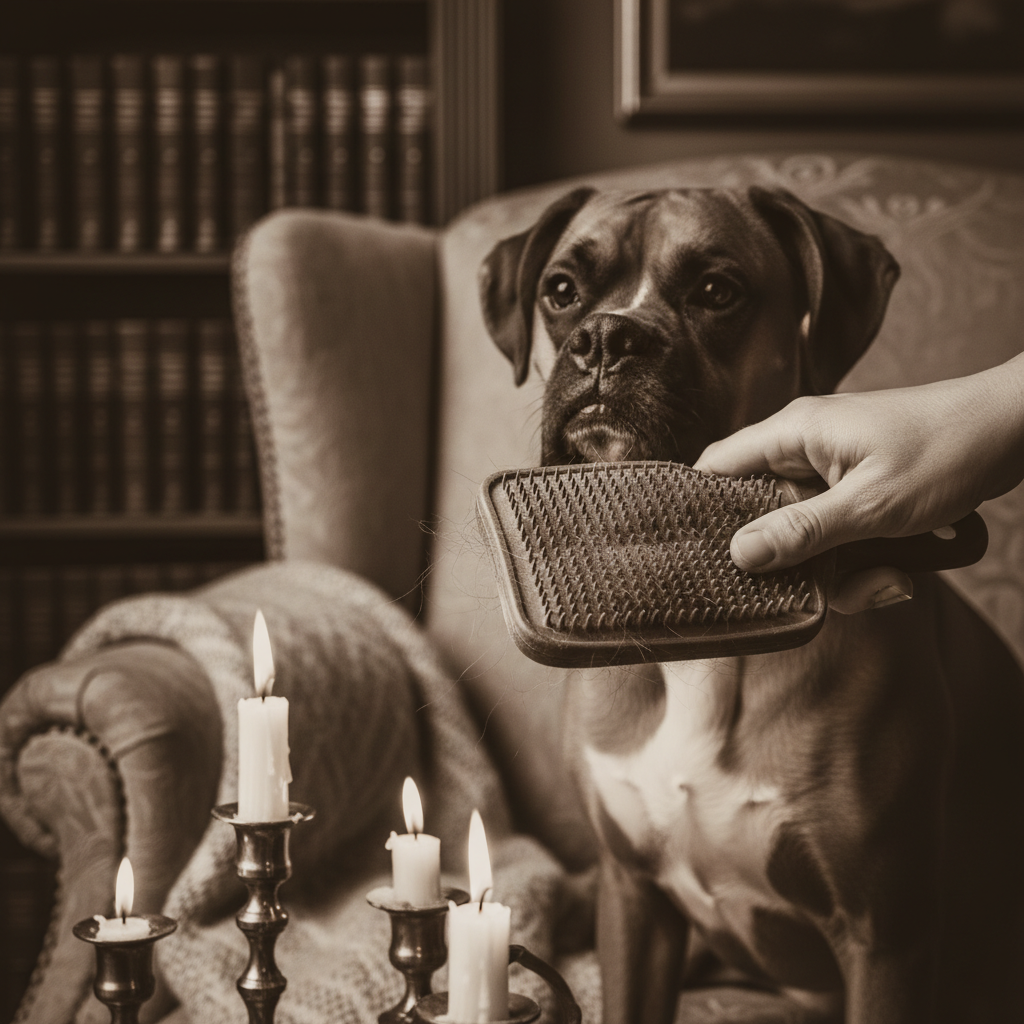
At first glance, short, smooth coats might seem like the easiest to manage. Breeds like Dobermans, Boxers, and Great Danes often fall into this category. While they don’t require extensive brushing to prevent matting, they still need regular attention to maintain their health and shine.
The Importance of Regular Rubdowns and Baths
Even though short-haired breeds don’t typically shed in clumps like their long-haired counterparts, they still lose hair. A rubber grooming mitt or hound glove can be incredibly effective in removing loose hairs and stimulating the skin, promoting healthy oil production. This not only keeps their coat looking sleek but also minimizes shedding around the house. Think of it as a gentle massage that also happens to exfoliate their skin.
Bathing frequency is also important. Over-bathing can strip the coat of its natural oils, leading to dryness and irritation. Generally, bathing every few months is sufficient, unless your dog gets particularly dirty. When you do bathe them, use a mild, dog-specific shampoo formulated for short coats. Human shampoos can be too harsh and disrupt the pH balance of their skin. Have you ever considered the delicate balance of your dog’s skin and how easily it can be disrupted by inappropriate products?
Dealing with Shedding and Allergies
Even short-haired dogs shed. During shedding season, you might need to increase the frequency of brushing to help remove the loose hair. A deshedding tool designed for short coats can be particularly helpful. For dogs with allergies, regular bathing with a hypoallergenic shampoo can help remove allergens from their coat and provide relief from itching. Remember, consistency is key. A little bit of regular maintenance can go a long way in keeping your short-haired dog looking and feeling their best. Is that extra five minutes a day really too much to ask for your furry companion’s comfort?
Double Coats: A Balancing Act of Grooming
Double-coated breeds, such as Huskies, German Shepherds, and Pomeranians, present a more significant grooming challenge. Their coats consist of two layers: a soft, dense undercoat for insulation and a coarser outer coat for protection. The key to managing a double coat is to prevent matting and ensure proper shedding of the undercoat.
Understanding the Shedding Cycle
Double-coated breeds typically “blow their coat” twice a year, usually in the spring and fall. During these periods, they shed massive amounts of undercoat. Regular brushing is absolutely essential to remove the dead hair and prevent it from becoming matted. Neglecting this can lead to painful mats that trap moisture and can cause skin infections. Imagine the discomfort of wearing a thick, tangled sweater that you can’t take off – that’s essentially what a matted coat feels like for your dog.
Essential Tools for Double-Coat Grooming
A variety of tools are needed to effectively groom a double coat. A slicker brush is useful for removing loose hair and tangles. An undercoat rake or deshedding tool is specifically designed to remove the dead undercoat without damaging the outer coat. A metal comb can help to identify and remove any remaining mats or tangles. Investing in the right tools is an investment in your dog’s comfort and well-being. Would you attempt to build a house without the proper tools? Grooming a double coat requires the same level of preparation.
Bathing and Drying Considerations
Bathing a double-coated dog requires extra care. It’s important to use a shampoo specifically formulated for double coats, as some shampoos can strip the coat of its natural oils or leave a residue that can cause matting. Make sure to rinse thoroughly to remove all traces of shampoo. Drying is equally important. A high-velocity dryer is the most effective way to dry a double coat completely and prevent matting. If you don’t have a high-velocity dryer, be prepared to spend a significant amount of time towel-drying and brushing your dog. Leaving a double coat damp can create a breeding ground for bacteria and fungi. Are you prepared to dedicate the necessary time and effort to properly dry your double-coated dog after a bath?
Long, Flowing Coats: The Art of Detangling
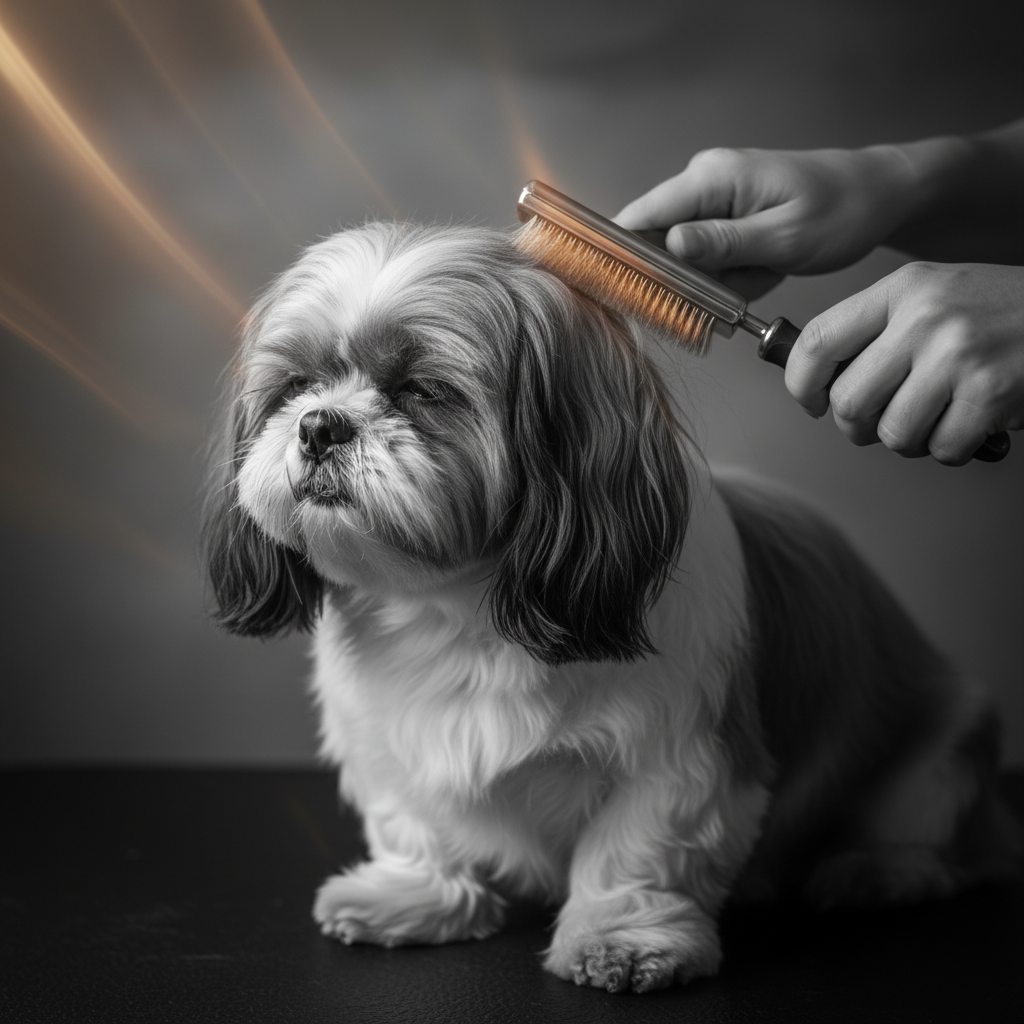
Breeds with long, flowing coats, such as Collies, Shih Tzus, and Maltese, require a significant time commitment to maintain their luxurious locks. Regular brushing is essential to prevent matting and tangles, and professional grooming is often necessary to keep their coats in top condition.
Daily Brushing is Non-Negotiable
Daily brushing is absolutely crucial for long-coated breeds. Even a few days of neglect can lead to significant matting, which can be painful and difficult to remove. Use a slicker brush and a metal comb to gently remove tangles and mats. Start by brushing in sections, working your way from the skin to the ends of the hair. Be patient and gentle, as pulling on mats can be painful for your dog. Think of it as untangling a delicate piece of jewelry – you wouldn’t yank on it, would you?
The Importance of Conditioning
Conditioning is essential for keeping long coats healthy and manageable. A good conditioner will help to detangle the hair, add moisture, and prevent breakage. Use a leave-in conditioner or detangling spray between baths to help keep the coat tangle-free. Regular conditioning is like giving your dog’s hair a spa treatment, keeping it soft, shiny, and healthy.
Professional Grooming: A Necessary Expense
Professional grooming is often a necessity for long-coated breeds. A professional groomer can trim the coat to a manageable length, remove mats, and provide specialized treatments to keep the coat healthy and beautiful. Regular visits to a professional groomer can save you time and effort in the long run, and can also help to prevent serious coat problems. Are you willing to invest in professional grooming to ensure the health and beauty of your long-coated dog’s coat?
Wiry Coats: Stripping Away the Old
Wiry-coated breeds, such as many Terriers, have a unique coat texture that requires specialized care. Their coats are typically dense and coarse, and they don’t shed naturally like other breeds. Instead, the dead hair needs to be removed by hand-stripping or clipping.
Hand-Stripping vs. Clipping: Understanding the Difference
Hand-stripping is the traditional method of grooming wiry-coated breeds. It involves using a stripping knife or your fingers to pull out the dead hair from the root. This promotes the growth of new, healthy hair and maintains the coat’s characteristic wiry texture. Clipping, on the other hand, simply cuts the hair, which can soften the coat and make it more prone to matting. While clipping is faster and easier, it can compromise the quality and texture of the coat. Which is more important to you: convenience or maintaining the integrity of your dog’s coat?
The Benefits of Hand-Stripping
Hand-stripping offers several benefits over clipping. It helps to maintain the coat’s natural texture and color, promotes healthy hair growth, and reduces shedding. It can also help to prevent skin problems, as it allows the skin to breathe and prevents the build-up of dead hair. While hand-stripping can be time-consuming and requires some skill, it is the best way to maintain the health and appearance of a wiry coat. Is the extra effort worth the reward of a healthy, beautiful coat?
Finding a Qualified Groomer
If you’re not comfortable hand-stripping your dog’s coat yourself, it’s important to find a qualified groomer who is experienced in this technique. Ask for recommendations from other owners of wiry-coated breeds, and be sure to check the groomer’s credentials and experience. A skilled groomer can help you maintain your dog’s coat in top condition and prevent potential problems. Do your research and find a groomer you trust to properly care for your wiry-coated companion.
Corded Coats: The Ultimate in Low-Shedding
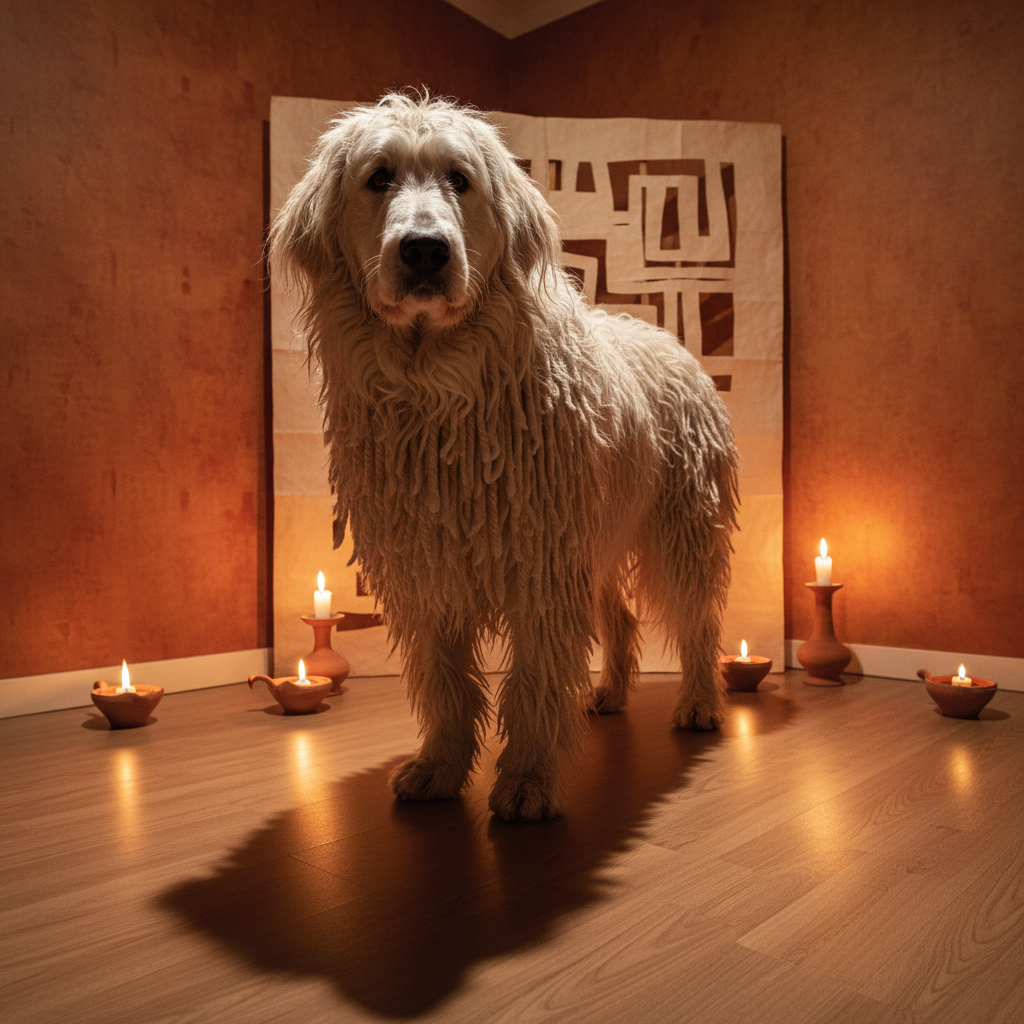
Corded coats, found in breeds like Komondors and Pulis, are perhaps the most unique and challenging to maintain. Their coats naturally form long, felted cords that require careful separation and maintenance to prevent matting and skin problems.
The Cording Process: Nature’s Dreadlocks
The cording process begins naturally as the dog’s coat grows. The hair mats together and forms cords, which can take several years to fully develop. It’s important to start separating the cords early in the dog’s life to ensure that they are well-defined and don’t become overly thick or matted. Think of it as guiding the growth of a bonsai tree – you’re shaping the coat into its desired form.
Maintaining the Cords: A Labor of Love
Maintaining a corded coat is a labor of love. The cords need to be separated regularly to prevent matting and ensure proper airflow. This can be a time-consuming process, especially for dogs with long, dense cords. The coat also needs to be kept clean and dry to prevent odors and skin problems. Bathing a corded dog can take hours, and drying can take even longer. Are you prepared to dedicate the significant time and effort required to maintain a corded coat?
Professional Grooming: Essential for Corded Breeds
Professional grooming is essential for corded breeds. A professional groomer who is experienced in corded coats can help you maintain the cords, prevent matting, and address any potential problems. They can also provide guidance on how to properly care for the coat at home. Don’t attempt to maintain a corded coat without professional guidance – you could inadvertently damage the coat or cause skin problems. Just like a rare musical instrument, a corded coat needs expert care to stay in top condition.
Beyond the Coat: The Importance of Diet and Overall Health
While proper grooming is essential for maintaining a healthy coat, it’s also important to remember that a dog’s coat is a reflection of their overall health. A balanced diet, regular exercise, and preventative veterinary care are all crucial for ensuring a healthy, shiny coat.
The Role of Nutrition in Coat Health
A high-quality diet is essential for coat health. Look for a dog food that is rich in protein, essential fatty acids, and vitamins and minerals. Omega-3 and omega-6 fatty acids are particularly important for maintaining a healthy coat and skin. Consider adding a fish oil supplement to your dog’s diet to boost their intake of these essential nutrients. Remember, you are what you eat, and the same holds true for your dog. A healthy diet is the foundation for a healthy coat.
Addressing Underlying Health Issues
Sometimes, coat problems can be a sign of an underlying health issue. Skin allergies, hormonal imbalances, and parasitic infestations can all affect the coat’s appearance and health. If you notice any sudden changes in your dog’s coat, such as excessive shedding, dryness, or itching, consult with your veterinarian. Addressing the underlying health issue is the key to restoring your dog’s coat to its former glory. Don’t just treat the symptoms; address the root cause of the problem.
The Importance of Regular Veterinary Checkups
Regular veterinary checkups are essential for maintaining your dog’s overall health and detecting any potential problems early on. Your veterinarian can help you identify any nutritional deficiencies or underlying health issues that may be affecting your dog’s coat. They can also provide guidance on proper grooming techniques and recommend appropriate products for your dog’s specific coat type. Think of your veterinarian as your partner in ensuring your dog’s health and well-being, including the health of their coat.
Choosing the Right Grooming Products
With so many grooming products on the market, it can be overwhelming to choose the right ones for your dog’s coat type. It’s important to select products that are specifically formulated for dogs and that are appropriate for their coat type and skin sensitivity.
Shampoos and Conditioners: Gentle and Effective
When choosing a shampoo, look for one that is pH-balanced for dogs and free of harsh chemicals. Avoid shampoos that contain artificial fragrances or dyes, as these can irritate the skin. A good conditioner will help to detangle the hair, add moisture, and prevent breakage. For dogs with sensitive skin, choose a hypoallergenic shampoo and conditioner. Remember, your dog’s skin is more sensitive than yours, so choose products that are gentle and effective.
Brushes and Combs: Selecting the Right Tools
The type of brush or comb you use will depend on your dog’s coat type. A slicker brush is useful for removing loose hair and tangles, while a metal comb is helpful for identifying and removing mats. An undercoat rake or deshedding tool is specifically designed for removing the dead undercoat from double-coated breeds. Experiment with different tools to find the ones that work best for your dog’s coat. Just like a chef needs the right knives, you need the right tools to groom your dog effectively.
Other Essential Grooming Supplies
In addition to shampoos, conditioners, brushes, and combs, there are several other grooming supplies that can be helpful. Nail clippers are essential for keeping your dog’s nails trimmed and preventing them from becoming overgrown. Ear cleaning solution can help to prevent ear infections. And dental chews or toothbrushes can help to maintain your dog’s oral hygiene. A well-stocked grooming kit is an investment in your dog’s health and well-being. Are you prepared to equip yourself with the necessary tools to properly care for your dog?

Ultimately, understanding your dog’s coat type and providing appropriate care is an act of love. It’s about ensuring their comfort, health, and happiness. It’s a commitment that strengthens the bond between you and your furry companion, creating a relationship built on care and mutual respect. Taking the time to learn and implement the best grooming practices for your dog’s unique coat is an investment that pays dividends in their well-being and your shared joy.

Hi, my name is Robert Max, I live in the United States and I’m the creator of InTechNews. I started this blog with the goal of sharing reliable and practical information about pet care, helping pet owners provide a healthier and happier life for their animals. I’m passionate about animal well-being and believe that good information makes all the difference in responsible pet ownership.