
Understanding Your Pet’s Hygiene Needs
Maintaining your pet’s hygiene is about far more than just keeping them smelling fresh. It’s a critical aspect of their overall health and well-being. A consistent and respectful hygiene routine can prevent skin infections, parasite infestations, dental problems, and other health issues. However, it’s equally important to remember that every pet is an individual, with unique needs and tolerances. What works for one animal might be incredibly stressful for another. Therefore, understanding your pet’s specific requirements and respecting their limits is paramount.
Think of it this way: would you appreciate someone forcing you into a situation that made you uncomfortable, even if they believed it was for your own good? Probably not. Our pets deserve the same consideration. A forced and traumatic grooming experience can create lasting anxiety and fear, making future hygiene sessions a nightmare for both of you.
The Importance of a Tailored Approach
One-size-fits-all approaches rarely work when it comes to pet care, especially hygiene. Factors like breed, age, health conditions, and individual temperament all play a significant role in determining what kind of routine will be most effective and least stressful. A long-haired Persian cat, for example, will require significantly more grooming than a short-haired Siamese. Similarly, an elderly dog with arthritis might need gentle, modified techniques to avoid causing pain or discomfort.
Consider a scenario: A family adopts two Labrador puppies from the same litter. One puppy is naturally outgoing and enjoys being handled, while the other is more timid and easily startled. If the family treats both puppies the same, forcing them into baths and nail trims without considering their individual personalities, the timid puppy is likely to develop a strong aversion to these activities. This can lead to behavioral problems and make future grooming sessions incredibly challenging. The key is to observe your pet’s behavior, understand their cues, and adjust your approach accordingly.
But how do you identify these individual needs and limits?
Decoding Your Pet’s Communication
Pets communicate primarily through body language. Learning to interpret these subtle cues is crucial for creating a hygiene routine that respects their boundaries. Watch for signs of stress, fear, or discomfort, such as:
- Lip licking or yawning (when not tired): These can be displacement behaviors, indicating anxiety.
- Whale eye (showing the whites of their eyes): A sign of stress or fear.
- Tucked tail: Often indicates fear or submission.
- Panting (when not hot or exercised): Can be a sign of anxiety or stress.
- Freezing or stiffness: The pet is becoming overwhelmed and may be preparing to react.
- Growling, snapping, or biting: These are clear signals that the pet is feeling threatened and needs space.
Ignoring these signals can escalate the situation and damage your relationship with your pet. Instead, when you notice these signs, stop what you’re doing and reassess. Can you break down the task into smaller steps? Can you use positive reinforcement to make the experience more enjoyable? Can you simply postpone the activity until your pet is more relaxed?
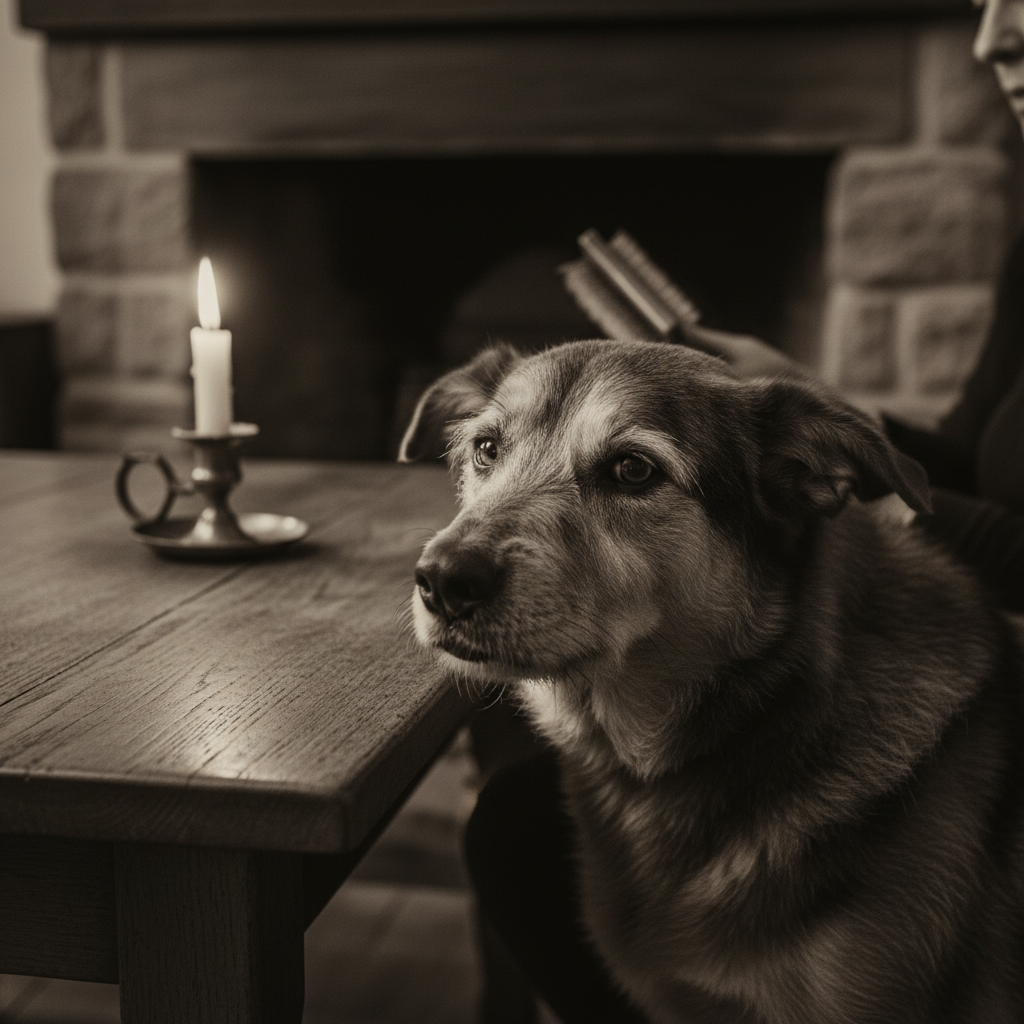
Building a Positive Association with Hygiene
The cornerstone of a successful and respectful hygiene routine is building positive associations. This means making grooming and cleaning activities as enjoyable as possible for your pet. Forget the image of a struggling, unhappy animal being forced through a bath. Instead, aim for a relaxed, cooperative experience that strengthens your bond.
The Power of Positive Reinforcement
Positive reinforcement involves rewarding your pet for good behavior. This could include treats, praise, toys, or anything else your pet finds motivating. Start by associating the tools and environments used for hygiene with positive experiences. For example:
- The Brush: Simply let your pet sniff and investigate the brush. If they show interest, reward them with a treat and praise. Gradually introduce gentle brushing, always stopping before they become uncomfortable.
- The Bath: Start by simply bringing your pet into the bathroom while the water is running (but not too hot!). Reward them for staying calm. Gradually introduce them to the tub or shower, using treats and praise to create a positive association.
- The Nail Clippers: Let your pet sniff and investigate the clippers. Reward them for calm behavior. Gradually introduce clipping one or two nails at a time, always pairing it with positive reinforcement.
Remember, consistency is key. Regular, short sessions are more effective than infrequent, long sessions. Aim for daily or weekly brushing, even if it’s just for a few minutes at a time. This will help your pet become accustomed to the routine and less likely to resist.
Imagine training a dog to sit. You wouldn’t expect them to master the command on the first try. You would use positive reinforcement, rewarding them with a treat each time they even slightly lower their rear. The same principle applies to hygiene. Break down each task into small, manageable steps and reward your pet for every success, no matter how small.
Desensitization and Counter-Conditioning
For pets with existing anxieties about hygiene, desensitization and counter-conditioning can be incredibly helpful. Desensitization involves gradually exposing your pet to the feared stimulus (e.g., the bathtub) at a low intensity, while counter-conditioning involves pairing the stimulus with something positive (e.g., treats). The goal is to change your pet’s emotional response to the stimulus from fear to positive anticipation.
For example, if your dog is terrified of the hairdryer, you might start by simply showing them the hairdryer from a distance. If they remain calm, reward them with a treat. Gradually bring the hairdryer closer, always monitoring their body language for signs of stress. If they become anxious, move the hairdryer further away and try again later. Once they are comfortable with the hairdryer being close, you can try turning it on at a low setting, again rewarding them for calm behavior. Over time, you can gradually increase the intensity and duration of the exposure, always ensuring that your pet remains comfortable and relaxed.
Practical Tips for a Stress-Free Hygiene Routine
Beyond positive reinforcement and desensitization, several practical tips can help create a more enjoyable and less stressful hygiene routine for your pet.
Choosing the Right Products
Selecting the right products is essential for both effectiveness and comfort. Use shampoos and conditioners specifically formulated for pets, as human products can be too harsh and irritating to their skin. Consider your pet’s specific needs, such as sensitive skin or allergies, and choose products accordingly. Opt for natural, fragrance-free options to minimize the risk of irritation.
When it comes to nail clippers, choose a type that you feel comfortable using. Guillotine-style clippers can be effective but require precision to avoid cutting the quick (the blood vessel inside the nail). Scissor-style clippers are generally easier to control and may be a better option for beginners. Regardless of the type you choose, ensure that the blades are sharp to prevent crushing the nail, which can be painful.
Creating a Calm Environment
The environment in which you groom your pet can significantly impact their stress levels. Choose a quiet, comfortable space where they feel safe and secure. Avoid distractions, such as loud noises or other pets. Consider playing calming music or using pheromone diffusers to create a more relaxing atmosphere.
If your pet is particularly anxious, you might try grooming them in their crate or bed, where they feel most secure. You can also use a non-slip mat in the bathtub or shower to prevent them from slipping and feeling unstable.

Breaking Down Tasks into Smaller Steps
As mentioned earlier, breaking down tasks into smaller steps is crucial for minimizing stress. Don’t try to do everything at once. Instead, focus on one or two tasks per session and gradually increase the complexity as your pet becomes more comfortable. For example, if you’re bathing your dog, you might start by simply wetting their paws and rewarding them for staying calm. The next session, you might wet their legs, and so on. By gradually introducing each step, you can help your pet acclimate to the process and reduce their anxiety.
Think of it like learning a new language. You wouldn’t try to memorize the entire dictionary on the first day. You would start with basic vocabulary and grammar, gradually building your knowledge over time. The same principle applies to pet hygiene. Break down the tasks into manageable steps and celebrate each small victory.
Knowing When to Seek Professional Help
Despite your best efforts, some pets may continue to struggle with hygiene routines. If your pet has severe anxiety or aggression, or if you’re simply feeling overwhelmed, don’t hesitate to seek professional help. A certified professional groomer or veterinary behaviorist can provide valuable guidance and support. They can assess your pet’s specific needs and develop a customized plan to address their anxieties.
A professional groomer has experience handling a wide variety of animals and can often use techniques that you may not be aware of. They can also identify any underlying medical conditions that might be contributing to your pet’s anxiety. A veterinary behaviorist can provide more in-depth behavioral therapy and, if necessary, prescribe medication to help manage your pet’s anxiety.
Specific Hygiene Tasks and Considerations
Now, let’s delve into some specific hygiene tasks and discuss how to approach them in a way that respects your pet’s limits.
Bathing
Bathing can be a stressful experience for many pets. To minimize stress, prepare everything in advance. Gather your shampoo, towels, and any other necessary supplies. Make sure the water is lukewarm, not too hot or too cold. Use a non-slip mat in the tub or shower to prevent slipping. Gently wet your pet, starting with their paws and gradually working your way up. Avoid getting water in their eyes, ears, or nose. Use a gentle, pet-safe shampoo and rinse thoroughly. Towel dry your pet as much as possible, and then use a low-heat hairdryer if they tolerate it. Be sure to keep the hairdryer moving to prevent overheating.
For cats, bathing is often unnecessary unless they are particularly dirty or have a medical condition. Cats are generally very good at grooming themselves. If you do need to bathe your cat, be prepared for resistance. Enlist the help of a second person to hold the cat securely. Use a gentle, tear-free shampoo and rinse thoroughly. Wrap the cat in a towel immediately after the bath to prevent them from running away and getting cold.
Nail Trimming
Nail trimming is an essential part of pet hygiene, but it can also be a source of anxiety. Start by getting your pet accustomed to having their paws handled. Gently massage their paws and toes, rewarding them for staying calm. Gradually introduce the nail clippers, allowing them to sniff and investigate. When you’re ready to trim, clip only the tips of the nails, being careful to avoid the quick. If you accidentally cut the quick, use styptic powder to stop the bleeding.
If your pet is particularly resistant to nail trimming, you might try trimming one or two nails at a time, spreading the task over several days. You can also try using a nail grinder instead of clippers. Nail grinders are generally less likely to cause pain or bleeding, but they can be noisy, so it’s important to acclimate your pet to the sound gradually.

Ear Cleaning
Regular ear cleaning can help prevent ear infections, especially in dogs with floppy ears. Use a pet-safe ear cleaning solution and gently massage the base of the ear. Use a cotton ball to wipe away any debris. Avoid inserting cotton swabs into the ear canal, as this can push debris further in and potentially damage the eardrum.
If your pet has excessive earwax or discharge, or if they are scratching their ears frequently, consult with your veterinarian. These could be signs of an ear infection or other medical condition.
Dental Hygiene
Dental hygiene is often overlooked, but it’s just as important for pets as it is for humans. Regular brushing can help prevent dental disease, which can lead to pain, tooth loss, and other health problems. Use a pet-safe toothbrush and toothpaste. Never use human toothpaste, as it can be toxic to pets.
Start by gradually introducing your pet to the taste of the toothpaste. Let them lick it off your finger. Then, gradually introduce the toothbrush, gently brushing their teeth in a circular motion. Focus on the outer surfaces of the teeth, as these are the most prone to plaque buildup.
If your pet resists brushing, you can try using dental chews or toys. These can help remove plaque and tartar buildup. You can also consider professional dental cleanings by your veterinarian.
The Long-Term Benefits of a Respectful Approach
Creating a hygiene routine that respects your pet’s limits is an investment in their long-term health and well-being. By building positive associations, using gentle techniques, and being mindful of their individual needs, you can transform hygiene from a stressful chore into a positive bonding experience. This will not only improve your pet’s physical health but also strengthen your relationship and create a more harmonious household.
Remember, patience and understanding are key. It may take time and effort to establish a successful routine, but the rewards are well worth it. A happy, healthy, and well-groomed pet is a joy to be around, and a respectful hygiene routine is an essential part of achieving that goal. Furthermore, a pet that trusts you and feels safe in your care is less likely to develop behavioral problems and more likely to thrive in all aspects of their life.

So, take the time to understand your pet’s individual needs and limits. Be patient, be gentle, and be consistent. By doing so, you can create a hygiene routine that is both effective and enjoyable for both you and your beloved companion. It’s about building trust, fostering communication, and prioritizing your pet’s well-being above all else. And in the end, that’s what being a responsible and loving pet owner is all about.

Hi, my name is Robert Max, I live in the United States and I’m the creator of InTechNews. I started this blog with the goal of sharing reliable and practical information about pet care, helping pet owners provide a healthier and happier life for their animals. I’m passionate about animal well-being and believe that good information makes all the difference in responsible pet ownership.