
The Unseen Dangers: How Cleaning Impacts Your Pet’s Immunity
We all strive to maintain clean and healthy homes for ourselves and our families, including our beloved pets. But have you ever stopped to consider the potential impact of your cleaning routine on your furry companion’s immune system? The truth is, many common household cleaning products contain chemicals that can inadvertently weaken your pet’s natural defenses, leaving them vulnerable to illness and allergies. It’s a hidden threat that every pet owner needs to understand.
Imagine your dog or cat, exploring their world with their nose, licking surfaces, and grooming themselves. Every surface they touch could be coated with residue from the cleaners you use. These residues, often invisible to the naked eye, can be ingested or absorbed through their skin, leading to a cascade of potential health problems. Are you unknowingly compromising your pet’s health with the very products you use to keep your home clean?
The Silent Attack on Immunity
A healthy immune system is a complex network of cells, tissues, and organs that work together to protect the body from invaders like bacteria, viruses, and parasites. When this system is functioning optimally, your pet can effectively fight off infections and stay healthy. However, exposure to certain chemicals found in cleaning products can disrupt this delicate balance, leading to a weakened immune response.
Many conventional cleaners contain harsh chemicals like ammonia, bleach, formaldehyde, phenols, and phthalates. These substances can be toxic to pets, causing a range of symptoms from mild skin irritation to more severe health problems. Even seemingly harmless ingredients like fragrances can trigger allergic reactions in sensitive animals. Over time, repeated exposure to these toxins can weaken the immune system, making your pet more susceptible to illness. Think of it as a constant, low-level attack on their defenses, slowly eroding their ability to protect themselves.
For instance, consider a study where researchers examined the effects of common household cleaners on the respiratory health of cats. The results indicated that cats living in homes where these cleaners were used regularly had a significantly higher incidence of respiratory problems, including asthma and bronchitis. This suggests a direct link between exposure to cleaning chemicals and compromised respiratory immunity. This is just one example, and the effects can manifest in various ways, depending on the specific chemicals involved and the individual pet’s sensitivity.
Common Culprits in Your Cleaning Cabinet
It’s crucial to identify the specific ingredients in your cleaning products that could be harming your pet’s immune system. Here’s a closer look at some of the most common culprits:
- Ammonia: Found in many glass cleaners and polishing agents, ammonia can cause respiratory irritation, burns, and even death if ingested in large quantities.
- Bleach: A powerful disinfectant, bleach can cause severe chemical burns to the skin, eyes, and respiratory tract. Even diluted bleach solutions can be harmful to pets.
- Formaldehyde: Used as a preservative in some cleaning products and disinfectants, formaldehyde is a known carcinogen and can cause respiratory problems, skin irritation, and neurological issues.
- Phenols: Commonly found in disinfectant cleaners, phenols are highly toxic to cats and can cause liver damage, seizures, and even death.
- Phthalates: Used to add fragrance to many cleaning products, phthalates are endocrine disruptors that can interfere with hormone function and potentially weaken the immune system.
- Glycol Ethers: Found in all-purpose cleaners, glass cleaners, and degreasers, glycol ethers can cause anemia and liver and kidney damage.
It’s not just about avoiding these specific chemicals, but also understanding how they interact with each other. Some chemicals, when combined, can create even more toxic compounds. This “chemical cocktail” effect can be particularly detrimental to pets with already weakened immune systems or those with pre-existing health conditions. Are you truly aware of the potential dangers lurking within your seemingly harmless cleaning supplies?
The Ripple Effect: Secondary Exposure and Lingering Residues
The danger isn’t always direct. Even if you diligently prevent your pet from directly ingesting cleaning products, they can still be exposed through secondary contact. Imagine mopping the floor with a chemical cleaner and then allowing your dog to walk on it before it’s completely dry. The residue left behind can be absorbed through their paws or ingested when they groom themselves. This secondary exposure can be just as harmful as direct ingestion, especially with repeated exposure.
Consider the case of a cat who developed a persistent skin rash. After numerous vet visits and allergy tests, the underlying cause remained a mystery. It wasn’t until the owner switched to pet-safe cleaning products that the rash finally cleared up. The cat had been constantly exposed to chemical residue from the floor cleaner, which was triggering an allergic reaction and weakening its skin’s natural defenses.
The problem of lingering residues is compounded by the fact that many cleaning products are designed to leave a “fresh” scent behind. These fragrances often contain volatile organic compounds (VOCs), which can evaporate into the air and be inhaled by your pet. VOCs can irritate the respiratory system, trigger allergies, and even contribute to long-term health problems. It’s a subtle but pervasive form of exposure that can have a significant impact on your pet’s immune system.
Protecting Your Furry Friends: A Proactive Approach
The good news is that you can significantly reduce the risk of harming your pet’s immune system by making informed choices about your cleaning routine. Here are some practical steps you can take:
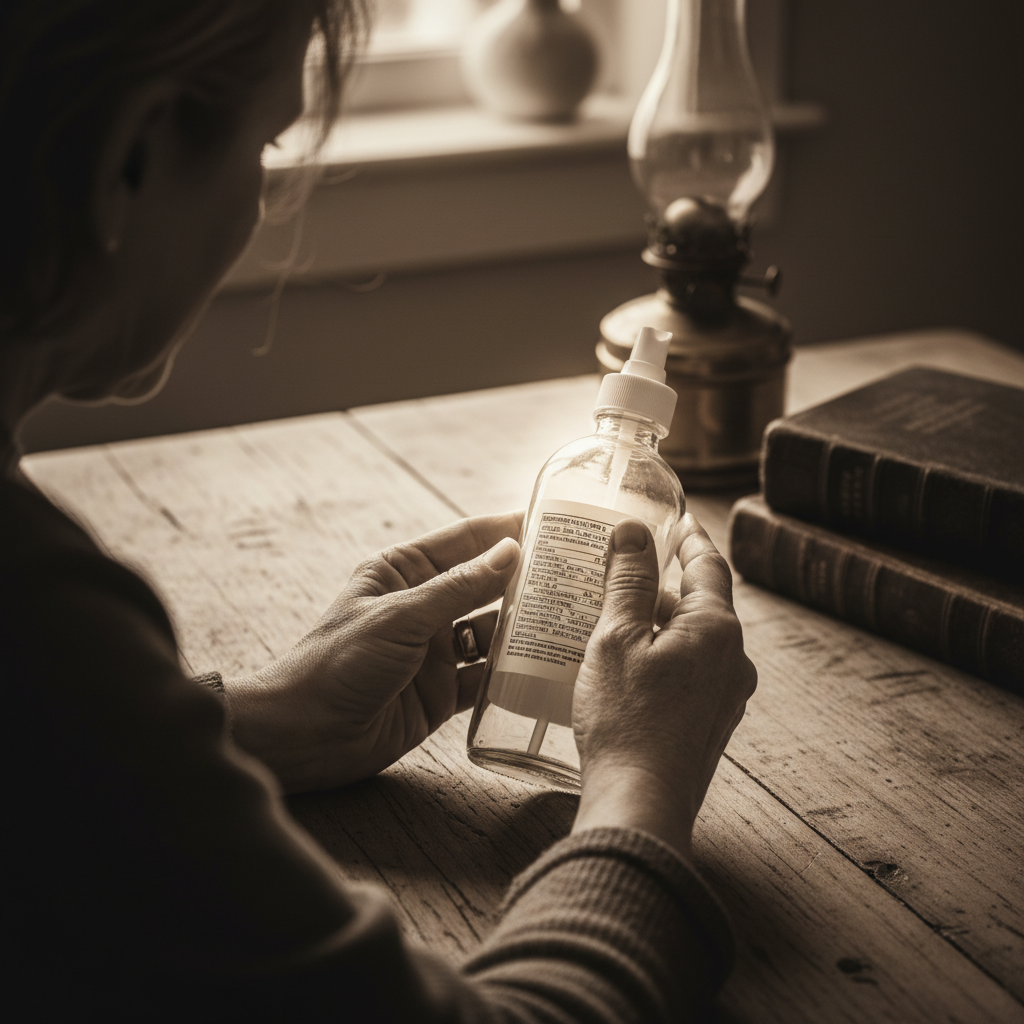
- Read Labels Carefully: Before purchasing any cleaning product, carefully read the ingredient list. Avoid products containing the harmful chemicals listed above. Look for products that are specifically labeled as “pet-safe” or “non-toxic.”
- Ventilate the Area: When cleaning, open windows and doors to provide adequate ventilation. This will help to dissipate any harmful fumes and reduce the risk of inhalation.
- Rinse Thoroughly: After cleaning surfaces, rinse them thoroughly with water to remove any lingering residue. This is especially important for areas where your pet eats, sleeps, or plays.
- Dry Surfaces Completely: Allow surfaces to dry completely before allowing your pet to come into contact with them. This will further reduce the risk of exposure to chemical residue.
- Consider Natural Alternatives: Many natural cleaning products are just as effective as their chemical counterparts and are much safer for your pets. Look for products made with ingredients like vinegar, baking soda, lemon juice, and essential oils.
Switching to natural cleaning alternatives can be a game-changer for your pet’s health. Imagine replacing your harsh chemical floor cleaner with a simple solution of vinegar and water. Not only is this effective at cleaning and disinfecting, but it’s also completely safe for your furry friend. It’s a small change that can make a big difference in their overall well-being. But what specific natural alternatives are most effective and safe?
Embracing Natural Cleaning: A Safer Path to a Healthy Home
The shift towards natural cleaning is more than just a trend; it’s a conscious decision to prioritize the health and well-being of your family, including your pets. Fortunately, there are numerous natural cleaning alternatives that are not only effective but also gentle on your pet’s immune system.
Vinegar: The Versatile Cleaner
Vinegar is a natural disinfectant and deodorizer that can be used for a variety of cleaning tasks. Its acidity helps to kill bacteria and viruses, making it an excellent choice for cleaning countertops, floors, and bathrooms. You can use diluted vinegar to clean pet bowls, toys, and even litter boxes. Just be sure to rinse thoroughly to remove any lingering vinegar smell, which some pets may find unpleasant.
One effective way to use vinegar is to create a simple all-purpose cleaner. Mix equal parts white vinegar and water in a spray bottle. You can add a few drops of pet-safe essential oils, such as lavender or chamomile, for a pleasant scent. This solution can be used to clean most surfaces in your home, from kitchen counters to bathroom tiles. Remember to always test a small, inconspicuous area first to ensure that the vinegar doesn’t damage the surface.
Baking Soda: The Natural Deodorizer and Scrubber
Baking soda is a mild abrasive that can be used to scrub away stains and odors. It’s also a natural deodorizer, making it ideal for eliminating pet odors from carpets, furniture, and litter boxes. Simply sprinkle baking soda on the affected area, let it sit for a few hours, and then vacuum it up. For stubborn stains, you can create a paste of baking soda and water and apply it directly to the stain. Let it sit for a few minutes, then scrub gently and rinse with water.
Baking soda is particularly effective at cleaning and deodorizing litter boxes. After emptying the litter box, sprinkle a layer of baking soda on the bottom before adding fresh litter. This will help to absorb odors and keep the litter box smelling fresh. You can also use baking soda to clean the outside of the litter box, wiping it down with a damp cloth sprinkled with baking soda.
Lemon Juice: The Natural Brightener and Disinfectant
Lemon juice is a natural brightener and disinfectant that can be used to clean a variety of surfaces. Its acidity helps to kill bacteria and viruses, making it a good choice for cleaning cutting boards, countertops, and faucets. You can also use lemon juice to remove stains from clothing and fabrics. Just be sure to test a small, inconspicuous area first to ensure that the lemon juice doesn’t damage the material.
One simple way to use lemon juice is to create a natural glass cleaner. Mix equal parts lemon juice and water in a spray bottle. Spray the solution on glass surfaces and wipe clean with a microfiber cloth. This will leave your windows and mirrors sparkling clean without any harsh chemicals. You can also use lemon juice to clean and disinfect your pet’s water bowl. Simply wash the bowl with lemon juice and water, then rinse thoroughly.

Essential Oils: Adding a Natural Scent and Boost
Certain essential oils have antibacterial, antiviral, and antifungal properties, making them a valuable addition to your natural cleaning routine. However, it’s crucial to use essential oils safely around pets, as some can be toxic if ingested or inhaled in high concentrations. Always dilute essential oils properly and avoid using them directly on your pet’s skin or fur.
Some pet-safe essential oils include lavender, chamomile, and cedarwood. You can add a few drops of these oils to your all-purpose cleaner, laundry detergent, or even your pet’s shampoo. Just be sure to use them in moderation and monitor your pet for any signs of adverse reactions, such as skin irritation or respiratory problems. If you’re unsure about which essential oils are safe for your pet, consult with your veterinarian.
Creating your own natural cleaning products can be a rewarding experience, allowing you to control the ingredients and ensure that they are safe for your pet. It’s also a more sustainable and environmentally friendly option, reducing your reliance on harmful chemicals and plastic packaging. But how do you transition from chemical cleaners to natural alternatives without sacrificing effectiveness?
Making the Switch: A Gradual and Informed Transition
Transitioning from conventional cleaning products to natural alternatives doesn’t have to be an all-or-nothing approach. You can gradually replace your chemical cleaners with natural options, starting with the products you use most frequently or those that pose the greatest risk to your pet. It’s important to be patient and experiment with different recipes to find what works best for you and your home.
Start with the Basics
Begin by replacing your most commonly used cleaning products with natural alternatives. For example, you can switch from a chemical floor cleaner to a solution of vinegar and water, or from a commercial glass cleaner to a mixture of lemon juice and water. These simple swaps can significantly reduce your pet’s exposure to harmful chemicals without requiring a major overhaul of your cleaning routine.
Test Before You Commit
Before using any new cleaning product, whether it’s a chemical or natural option, always test it on a small, inconspicuous area first. This will help you to ensure that the product doesn’t damage the surface or cause any discoloration. It’s also a good idea to monitor your pet for any signs of allergic reaction or sensitivity after using a new cleaner. If you notice any adverse effects, discontinue use immediately and consult with your veterinarian.
Educate Yourself
The more you learn about the ingredients in your cleaning products, the better equipped you’ll be to make informed choices that protect your pet’s health. Take the time to research the potential risks of different chemicals and explore the benefits of natural alternatives. There are numerous resources available online and in libraries that can provide you with valuable information. The Environmental Protection Agency (EPA) has resources on safer cleaning products, and many pet-focused websites offer detailed guides on pet-safe cleaning practices.
Consider Professional Help
If you’re overwhelmed by the prospect of switching to natural cleaning products, consider hiring a professional cleaning service that specializes in eco-friendly and pet-safe cleaning. These services use natural cleaning products and techniques that are designed to minimize the risk of exposure to harmful chemicals. They can also provide you with valuable advice and guidance on how to maintain a clean and healthy home for your pet.
The transition to natural cleaning is an investment in your pet’s long-term health and well-being. While it may require a bit more effort and research initially, the benefits are well worth it. By making informed choices about your cleaning routine, you can create a safer and healthier environment for your furry companion, allowing them to thrive and enjoy a long and happy life.
Beyond Cleaning Products: Holistic Approaches to Pet Immunity
While choosing the right cleaning products is essential, supporting your pet’s immune system involves more than just avoiding harmful chemicals. A holistic approach encompasses various factors, including diet, exercise, stress management, and regular veterinary care. These elements work synergistically to strengthen your pet’s natural defenses and promote overall health and well-being.
Nourishing from Within: The Power of a Healthy Diet
A balanced and nutritious diet is the foundation of a strong immune system. Just like humans, pets need a variety of essential nutrients, including vitamins, minerals, antioxidants, and probiotics, to support their immune function. Choose a high-quality pet food that is specifically formulated for your pet’s age, breed, and activity level. Look for ingredients like real meat, whole grains, and fresh fruits and vegetables.
Consider adding immune-boosting supplements to your pet’s diet, such as vitamin C, vitamin E, and omega-3 fatty acids. These nutrients can help to strengthen the immune system, reduce inflammation, and improve overall health. However, it’s important to consult with your veterinarian before adding any supplements to your pet’s diet, as some supplements can interact with medications or cause adverse side effects.
The Importance of Exercise and Mental Well-being
Regular exercise is not only beneficial for your pet’s physical health but also for their mental and emotional well-being. Exercise helps to improve circulation, reduce stress, and boost the immune system. Make sure your pet gets plenty of opportunities to exercise, whether it’s through daily walks, playtime in the park, or interactive games at home.
Stress can weaken the immune system, making your pet more susceptible to illness. Create a calm and stable environment for your pet, providing them with plenty of love, attention, and mental stimulation. Avoid exposing your pet to stressful situations, such as loud noises, aggressive animals, or unfamiliar environments. If your pet is prone to anxiety or stress, consider using calming aids, such as pheromone diffusers or anxiety wraps.
Regular Veterinary Check-ups: Early Detection and Prevention
Regular veterinary check-ups are crucial for maintaining your pet’s health and preventing illness. Your veterinarian can perform a thorough physical examination, run diagnostic tests, and provide vaccinations to protect your pet from common diseases. They can also detect early signs of illness or immune system problems, allowing for prompt treatment and management.
Vaccinations are an important part of preventative care, helping to protect your pet from potentially life-threatening diseases. Talk to your veterinarian about which vaccinations are appropriate for your pet based on their age, lifestyle, and risk factors. Keep your pet up-to-date on their vaccinations to ensure they have the best possible protection against infectious diseases. Furthermore, discuss parasite prevention strategies, as parasitic infestations can also weaken the immune system.
A Lifetime of Wellness: Prioritizing Your Pet’s Immune Health
Protecting your pet’s immune system is an ongoing commitment that requires a holistic approach. By making informed choices about your cleaning products, providing a nutritious diet, ensuring regular exercise, managing stress, and seeking regular veterinary care, you can help your pet thrive and enjoy a long and healthy life. Remember, a strong immune system is the foundation of good health, allowing your pet to fight off infections, resist disease, and live life to the fullest.
It’s about more than just keeping your home clean; it’s about creating a safe and nurturing environment where your pet can flourish. By being mindful of the potential dangers lurking in your cleaning cabinet and embracing natural alternatives, you can safeguard your furry companion’s immune system and ensure their well-being for years to come. The love and companionship our pets offer us is invaluable, and protecting their health is the best way to repay that unwavering devotion.

Hi, my name is Robert Max, I live in the United States and I’m the creator of InTechNews. I started this blog with the goal of sharing reliable and practical information about pet care, helping pet owners provide a healthier and happier life for their animals. I’m passionate about animal well-being and believe that good information makes all the difference in responsible pet ownership.