
The Unseen Battle: Hygiene as Your Pet’s First Line of Defense
We adore our pets. They’re family. But along with the unconditional love and furry cuddles comes a responsibility: protecting them from the microscopic world that seeks to do them harm. Hygiene isn’t just about a shiny coat or a pleasant smell; it’s the crucial foundation upon which your pet’s health is built. It’s about proactively preventing infections and parasitic infestations that can significantly impact their quality of life, and even shorten it. Are you truly aware of the silent threats lurking in your pet’s environment, and how simple hygiene practices can neutralize them?
Beyond the Bath: A Holistic Approach to Pet Hygiene
When we think of pet hygiene, the image that usually pops into mind is bath time. While bathing is undeniably important, it’s just one piece of a much larger puzzle. A truly effective hygiene strategy encompasses everything from proper grooming and dental care to environmental cleanliness and parasite prevention. It’s a holistic approach that considers every aspect of your pet’s life and how it might expose them to harmful pathogens.
Think of it like this: your pet is constantly interacting with the world around them, picking up bacteria, viruses, and parasites on their fur, paws, and even inside their mouths. These microscopic invaders can then be transferred to their living spaces, their food and water bowls, and even to you. A comprehensive hygiene plan aims to interrupt this cycle of transmission at every stage, minimizing the risk of infection and infestation. It’s about creating a barrier between your beloved companion and the microscopic threats that surround them. But how do we build this barrier effectively?
Infections: The Invisible Enemy
Infections are a constant threat to our pets. They can range from minor skin irritations to life-threatening systemic illnesses. Bacteria, viruses, and fungi are the usual culprits, and they thrive in environments where hygiene is lacking. Understanding how these infections spread is the first step in preventing them.
Bacterial Infections: A Matter of Opportunity
Bacteria are everywhere, and most of them are harmless, even beneficial. However, some bacteria are opportunistic, meaning they can cause infection if given the right opportunity. This opportunity often arises when the skin’s protective barrier is compromised, such as through cuts, abrasions, or even excessive licking. Poor hygiene can exacerbate these issues by creating a breeding ground for harmful bacteria.
For example, consider a dog that frequently licks its paws due to allergies or boredom. The constant moisture can create a warm, damp environment that’s ideal for bacterial growth. If the dog also has a small cut or abrasion on its paw, the bacteria can easily enter the body and cause an infection. Regular cleaning of the paws, coupled with addressing the underlying cause of the licking, can significantly reduce the risk of infection. Similarly, skin fold dermatitis, common in breeds like Bulldogs and Shar-Peis, thrives in unhygienic conditions. Regular cleaning and drying of these folds are crucial to prevent bacterial overgrowth.
Viral Infections: Contagious and Concerning
Viral infections are often more contagious than bacterial infections, and they can spread rapidly through populations of pets. Diseases like parvovirus in dogs and feline leukemia virus in cats are prime examples of the devastating impact viral infections can have. While vaccination is the most effective way to protect against many viral diseases, proper hygiene plays a crucial role in preventing their spread.
Think about a shelter or boarding facility where many animals are housed together. If one animal is infected with a virus, it can easily spread to others through contaminated surfaces, shared food and water bowls, and even through the air. Regular disinfection of surfaces, proper ventilation, and strict quarantine protocols for sick animals are essential to prevent outbreaks. At home, prompt cleanup of accidents and regular disinfection of your pet’s living areas can help minimize the risk of viral transmission.
Fungal Infections: The Underestimated Threat
Fungal infections, while often less severe than bacterial or viral infections, can still cause significant discomfort and skin problems for pets. Ringworm, despite its name, is actually a fungal infection that’s highly contagious and can be transmitted between animals and humans. Yeast infections are also common, particularly in dogs with allergies or compromised immune systems.
Fungi thrive in warm, moist environments, making proper drying after bathing and maintaining a clean, dry living space essential for prevention. Avoid sharing grooming tools between pets, as this can easily spread fungal spores. If your pet develops a fungal infection, prompt treatment and thorough cleaning of their environment are crucial to prevent recurrence and transmission to other members of the household.

Parasites: Uninvited Guests and How to Evict Them
Parasites are organisms that live on or inside another organism (the host) and benefit by deriving nutrients at the host’s expense. They can cause a wide range of health problems in pets, from mild skin irritation to severe internal organ damage. Prevention is always better than cure, and proper hygiene plays a vital role in keeping these uninvited guests at bay.
External Parasites: Fleas, Ticks, and Mites
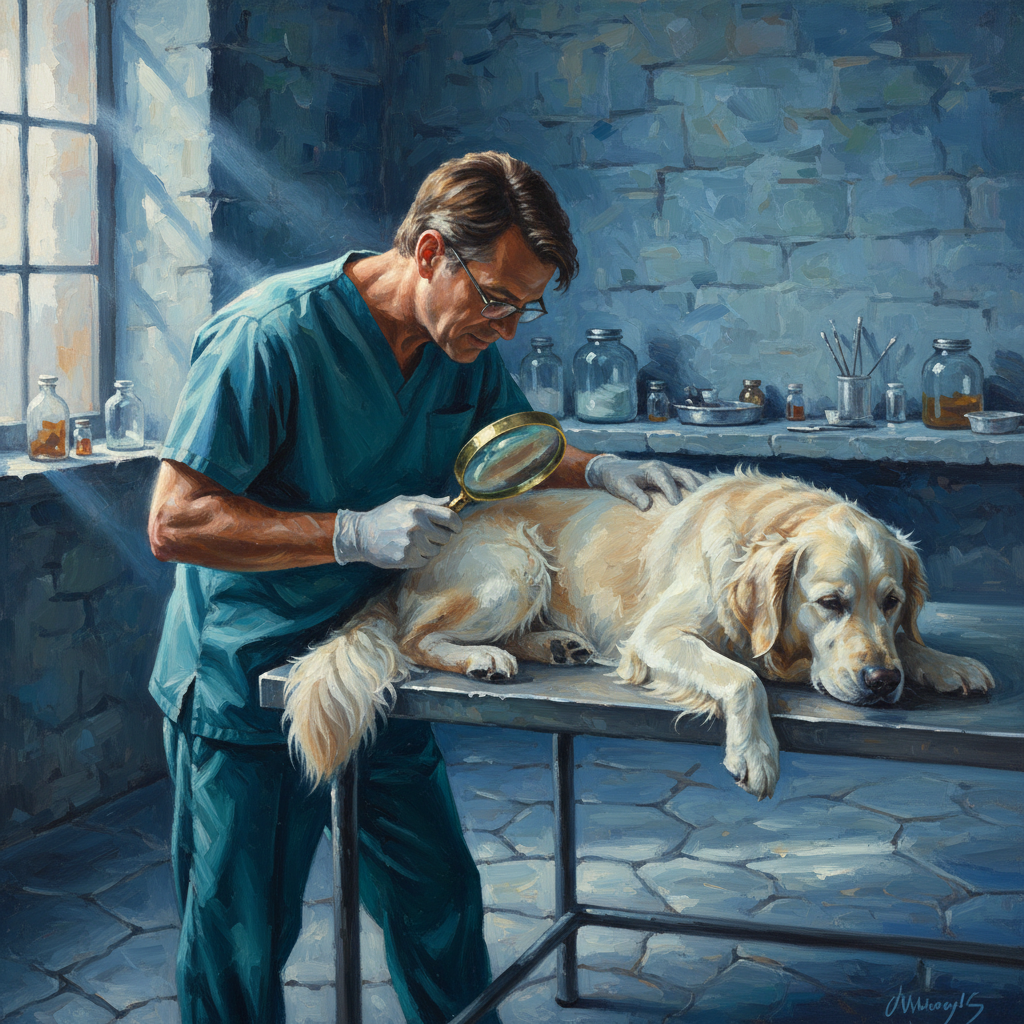
Fleas, ticks, and mites are common external parasites that can infest pets and cause significant discomfort. Fleas cause itching, skin irritation, and can transmit diseases like tapeworms. Ticks can transmit serious illnesses such as Lyme disease and Rocky Mountain spotted fever. Mites can cause mange, a skin condition characterized by intense itching and hair loss.
Regular use of preventative medications is essential for controlling these parasites, but hygiene also plays a crucial role. Frequent vacuuming of carpets and furniture can help remove flea eggs and larvae. Regular washing of bedding can kill mites. When walking your dog in wooded areas, check them for ticks afterwards and remove them promptly. Creating a less hospitable environment for these parasites is a key component of a comprehensive prevention strategy.
Internal Parasites: Worms and Protozoa
Internal parasites, such as roundworms, hookworms, whipworms, and tapeworms, can infect the digestive tract of pets and cause a variety of symptoms, including vomiting, diarrhea, weight loss, and anemia. Protozoal parasites, such as Giardia and Coccidia, can also cause gastrointestinal distress.
Regular deworming medication prescribed by a veterinarian is essential for preventing and treating these infections. However, proper hygiene can also help minimize the risk of exposure. Promptly cleaning up pet feces can prevent the spread of worm eggs and protozoal cysts. Avoid allowing your pet to drink from puddles or contaminated water sources. Washing your hands thoroughly after handling pet feces is also crucial to prevent transmission to humans. Are you aware of the potential health risks posed by something as seemingly innocuous as a puddle of water?
Specific Hygiene Practices for a Healthier Pet
Now that we understand the importance of hygiene in preventing infections and parasites, let’s delve into some specific practices you can implement to protect your pet’s health.
Grooming: More Than Just Aesthetics
Regular grooming is essential for maintaining your pet’s skin and coat health. Brushing helps remove loose fur, dirt, and debris, preventing matting and promoting healthy circulation. It also allows you to check for any skin abnormalities, such as lumps, bumps, or parasites.
The frequency of brushing will depend on your pet’s breed and coat type. Long-haired breeds require more frequent brushing than short-haired breeds. Regular nail trimming is also important to prevent overgrowth and potential injuries. Overgrown nails can be painful and can affect your pet’s gait. Ear cleaning is also crucial, especially for breeds with floppy ears that are prone to ear infections. Use a veterinarian-approved ear cleaning solution and gently clean the outer ear canal, avoiding the eardrum. Neglecting these seemingly minor aspects of grooming can lead to significant health problems down the line. Are you prioritizing grooming as an essential part of your pet’s healthcare routine?
Bathing: A Balancing Act
Bathing helps remove dirt, debris, and allergens from your pet’s skin and coat. However, over-bathing can strip the skin of its natural oils, leading to dryness and irritation. The frequency of bathing will depend on your pet’s breed, activity level, and skin condition.
Use a veterinarian-approved shampoo that’s specifically formulated for pets. Avoid using human shampoo, as it can be too harsh for their skin. Rinse thoroughly to remove all traces of shampoo. Be sure to dry your pet completely after bathing, especially in skin folds, to prevent bacterial or fungal growth. Remember, bathing is not just about getting your pet clean; it’s about maintaining the delicate balance of their skin’s ecosystem. Are you mindful of this balance when you reach for the shampoo bottle?
Dental Hygiene: A Gateway to Overall Health
Dental hygiene is often overlooked, but it’s crucial for your pet’s overall health. Periodontal disease, an infection of the gums and supporting structures of the teeth, is extremely common in pets, and it can lead to serious health problems, including heart disease, kidney disease, and liver disease.
Regular brushing of your pet’s teeth is the best way to prevent periodontal disease. Use a pet-specific toothbrush and toothpaste (never use human toothpaste, as it can be toxic to pets). If your pet doesn’t tolerate brushing, consider using dental chews or wipes. Regular professional dental cleanings by a veterinarian are also essential. These cleanings remove plaque and tartar buildup that can’t be removed by brushing alone. Think of your pet’s dental health as a window into their overall well-being. Neglecting their teeth can have far-reaching consequences for their health and longevity. Are you prioritizing your pet’s dental health as part of their comprehensive care?

Environmental Hygiene: Creating a Safe Haven
Maintaining a clean living environment is essential for preventing infections and parasites. Regularly clean and disinfect your pet’s food and water bowls, bedding, and toys. Vacuum carpets and furniture frequently to remove pet hair, dirt, and allergens. Wash bedding regularly in hot water to kill mites and fleas. Clean up pet feces promptly to prevent the spread of parasites. Pay particular attention to areas where your pet spends most of their time, such as their sleeping area and feeding area. A clean environment is a safe environment, and it’s one of the most important things you can do to protect your pet’s health. Are you creating a true sanctuary for your furry friend?
The Role of Diet in Supporting Hygiene
While not directly related to cleaning, a balanced and nutritious diet plays a crucial role in supporting your pet’s immune system and overall health, making them more resilient to infections and parasites. A healthy immune system is better equipped to fight off pathogens and prevent them from taking hold. Choose a high-quality pet food that’s appropriate for your pet’s age, breed, and activity level. Avoid feeding your pet table scraps or processed foods, as these can be detrimental to their health.
Ensure your pet has access to fresh, clean water at all times. Water is essential for flushing out toxins and supporting proper organ function. Consider adding supplements to your pet’s diet, such as omega-3 fatty acids, which can help improve skin and coat health. Consult with your veterinarian to determine the best diet and supplement plan for your pet’s individual needs. Remember, nutrition is the foundation upon which your pet’s health is built. A well-nourished pet is a healthier, happier pet. Are you fueling your pet’s body with the nutrients it needs to thrive?
Recognizing the Signs: When to Seek Veterinary Care
Despite our best efforts, our pets may still develop infections or infestations. It’s crucial to recognize the signs and seek veterinary care promptly. Common signs of infection include fever, lethargy, loss of appetite, vomiting, diarrhea, coughing, sneezing, and skin lesions. Signs of parasitic infestation include excessive scratching, hair loss, visible parasites on the skin or in the feces, and anemia.
If you notice any of these signs, contact your veterinarian immediately. Early diagnosis and treatment are essential for preventing complications and ensuring a full recovery. Don’t try to self-diagnose or treat your pet, as this can be dangerous. Your veterinarian can perform the necessary tests to determine the cause of your pet’s illness and recommend the appropriate treatment plan. Your vigilance and prompt action can make all the difference in your pet’s health and well-being. Are you prepared to be your pet’s advocate and seek professional help when they need it?
Hygiene and Zoonotic Diseases: Protecting Your Family
Some infections and parasites can be transmitted from pets to humans, a phenomenon known as zoonosis. Diseases like ringworm, salmonellosis, and toxoplasmosis can pose a risk to human health, especially for young children, pregnant women, and individuals with compromised immune systems. Practicing good hygiene is essential for preventing the spread of these diseases to your family. Wash your hands thoroughly after handling pets, cleaning up pet feces, or cleaning pet supplies. Avoid allowing pets to lick your face, especially if you have any open wounds. Cook meat thoroughly to kill any potential parasites. Store pet food separately from human food. By taking these precautions, you can protect yourself and your family from zoonotic diseases. Are you aware of the potential risks and taking the necessary steps to mitigate them?
The Long-Term Benefits of a Hygienic Lifestyle
Investing in your pet’s hygiene is an investment in their long-term health and well-being. By preventing infections and parasites, you can help your pet live a longer, healthier, and happier life. A hygienic lifestyle can also save you money on veterinary bills in the long run. Preventing illnesses is always more cost-effective than treating them. Moreover, a clean and healthy pet is a joy to be around. They’re more affectionate, playful, and energetic. The benefits of a hygienic lifestyle extend beyond your pet’s physical health to their emotional and social well-being. Are you ready to commit to a hygienic lifestyle for your pet and reap the rewards of a healthier, happier companion?

Ultimately, pet hygiene is not just a chore; it’s an act of love. It’s a tangible way to demonstrate your commitment to your pet’s health and well-being. By embracing a holistic and proactive approach to hygiene, you can create a safe and healthy environment for your beloved companion to thrive. It’s a journey that requires dedication and consistency, but the rewards are immeasurable. Are you prepared to embark on this journey and give your pet the gift of a healthier, happier life?

Hi, my name is Robert Max, I live in the United States and I’m the creator of InTechNews. I started this blog with the goal of sharing reliable and practical information about pet care, helping pet owners provide a healthier and happier life for their animals. I’m passionate about animal well-being and believe that good information makes all the difference in responsible pet ownership.