
The Paradox of Pet Hygiene: Cleanliness and Anxiety
We all want the best for our furry companions. A healthy diet, plenty of exercise, and, of course, impeccable hygiene. But what happens when our well-intentioned efforts to keep our pets clean actually become a source of stress and anxiety for them? The pursuit of a spotless pet can ironically lead to a very unhappy one.
It’s a delicate balancing act. On one hand, regular grooming and cleaning are essential for preventing skin infections, managing shedding, and generally ensuring the well-being of our animals. On the other hand, many pets find the process of being bathed, brushed, or having their nails trimmed to be extremely unpleasant. The sights, sounds, and smells associated with these activities can trigger fear and resistance, turning a simple grooming session into a battle of wills.
Have you ever stopped to consider the world from your pet’s perspective? The overpowering scent of shampoo, the slippery surface of the bathtub, the unfamiliar feel of a brush against their fur – these seemingly innocuous things can be incredibly overwhelming for a creature that relies so heavily on its senses. And if a pet has had a negative experience with grooming in the past, such as being accidentally hurt or feeling confined, that anxiety can linger and intensify over time.
Decoding the Signs of Stress
The first step in addressing hygiene-related anxiety is to recognize the subtle signs that your pet is feeling stressed. It’s not always as obvious as growling or snapping. Often, the signals are much more nuanced and easily overlooked. Learning to interpret your pet’s body language can make all the difference in creating a more positive grooming experience.
Common signs of stress in dogs and cats include:
- Panting or excessive licking: Even when they’re not hot, stressed animals will often pant heavily or engage in compulsive licking, especially around their lips and paws.
- Yawning: Just like humans, pets will yawn when they are stressed or anxious.
- Whale eye: This refers to when you can see the whites of your pet’s eyes more than usual.
- Tucked tail: A classic sign of fear or submission in dogs.
- Flattened ears: Cats will often flatten their ears against their head when they are feeling threatened.
- Hiding or trying to escape: If your pet is actively trying to avoid being groomed or bathed, it’s a clear indication that they are not enjoying the experience.
- Trembling or shaking: This is a more extreme sign of anxiety, but it can occur in pets who are particularly fearful.
- Dilated pupils: The pupils may become larger as a result of stress and anxiety.
Ignoring these signs can exacerbate your pet’s anxiety and make future grooming sessions even more challenging. It’s crucial to be patient, observant, and responsive to your pet’s needs.

The Roots of the Problem: Why Do Pets Fear Hygiene?
Understanding the underlying reasons for your pet’s anxiety is crucial for developing effective strategies to address it. While individual experiences and personalities play a role, there are some common factors that contribute to hygiene-related fear in animals.
Sensory Overload
As mentioned earlier, pets experience the world through their senses in a very different way than we do. Their sense of smell, in particular, is far more acute than ours. The strong artificial fragrances found in many pet shampoos and grooming products can be overwhelming and even irritating to their sensitive noses. Similarly, the sound of a running bath or the feel of water being sprayed on their body can be disorienting and frightening.
Lack of Control
Perhaps the most significant contributor to hygiene-related anxiety is the lack of control that pets experience during grooming sessions. They are essentially being forced to endure a process that they don’t understand and cannot escape from. This feeling of helplessness can trigger a primal fear response, leading to increased stress and resistance.
Imagine being held down and subjected to unfamiliar sensations without any explanation or reassurance. It’s a terrifying prospect, and it’s not surprising that many pets react negatively to this experience.
Past Trauma
Even a seemingly minor negative experience during a previous grooming session can have a lasting impact on a pet’s perception of hygiene. A slip in the bathtub, a painful tug on their fur, or even just a raised voice from their owner can create a negative association that is difficult to overcome. These past traumas can manifest as anticipatory anxiety, meaning that the pet becomes stressed simply by the sight of the grooming tools or the mention of bath time.
It’s important to remember that pets have long memories, and they may not be able to distinguish between a genuine threat and a harmless grooming procedure. Their fear is real, and it should be treated with empathy and understanding.
Breed Predisposition
While individual personality plays a significant role, certain breeds may be more prone to anxiety than others. For example, some herding breeds, like Border Collies and Australian Shepherds, are naturally more sensitive and reactive to their environment. Similarly, some toy breeds, like Chihuahuas and Yorkshire Terriers, may be more easily startled and fearful due to their small size and perceived vulnerability.
It’s not to say that all pets of these breeds will experience hygiene-related anxiety, but it’s something to be aware of when developing a grooming plan. Tailoring your approach to your pet’s specific breed and temperament can help to minimize stress and create a more positive experience.
Creating a Positive Grooming Experience: Strategies and Techniques
Fortunately, there are many things you can do to reduce your pet’s anxiety and make grooming sessions more enjoyable for both of you. The key is to approach the process gradually, patiently, and with a focus on positive reinforcement.
Desensitization and Counter-Conditioning
Desensitization involves gradually exposing your pet to the things that trigger their anxiety in a controlled and non-threatening way. Counter-conditioning, on the other hand, involves pairing those triggers with positive reinforcement, such as treats or praise, to create a new, positive association.
For example, if your dog is afraid of the bathtub, you might start by simply taking them into the bathroom and giving them a treat. Over time, you can gradually introduce them to the bathtub itself, allowing them to sniff it and explore it at their own pace. Eventually, you can try turning on the water for a few seconds, always rewarding them with treats and praise. The goal is to slowly acclimate your pet to the feared object or situation until they no longer feel anxious.
Choosing the Right Products
As mentioned earlier, the strong fragrances found in many pet grooming products can be overwhelming for sensitive noses. Opt for unscented or lightly scented products that are specifically formulated for pets. Look for natural ingredients that are gentle on the skin and less likely to cause irritation.
Similarly, choose grooming tools that are comfortable and easy to use. A soft-bristled brush is generally less intimidating than a stiff-toothed comb. And if your pet is afraid of nail clippers, consider using a nail grinder instead, which is often less stressful.
Making it a Positive Experience
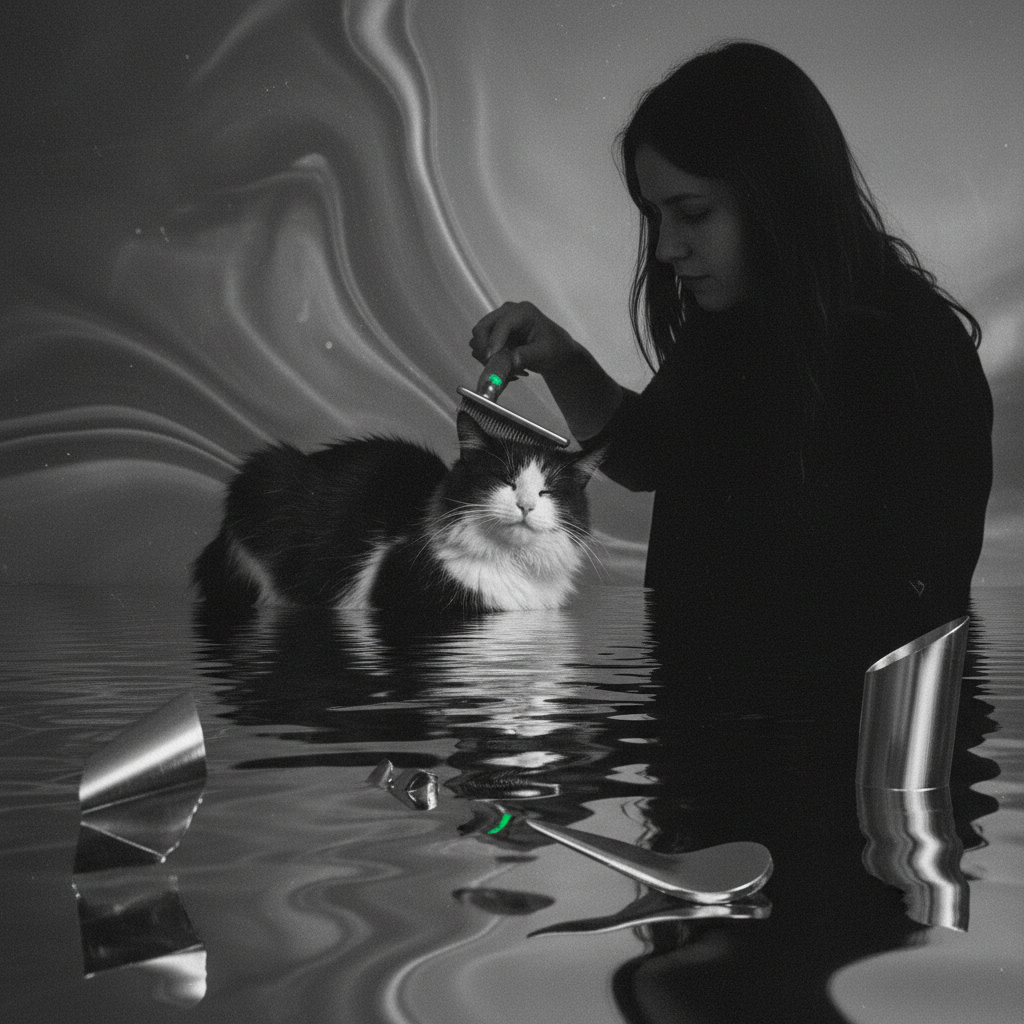
Turn grooming sessions into a fun and rewarding experience for your pet. Offer plenty of treats, praise, and affection throughout the process. Speak to them in a calm and soothing voice, and avoid any sudden movements or loud noises that might startle them.
Consider breaking up grooming sessions into smaller, more manageable chunks. Instead of trying to bathe, brush, and trim your pet’s nails all at once, spread the tasks out over several days. This will help to prevent them from becoming overwhelmed and anxious.
The Power of Positive Reinforcement
Positive reinforcement is key. Reward your pet with treats, praise, or a favorite toy whenever they behave calmly and cooperatively during grooming sessions. This will help to reinforce positive associations with the process and make them more likely to cooperate in the future.
Avoid using punishment or force, as this will only exacerbate their anxiety and damage your relationship with them. Remember, the goal is to create a positive and trusting environment where your pet feels safe and comfortable.
Professional Help: When to Seek Expert Advice
If you’ve tried everything and your pet is still experiencing significant anxiety during grooming sessions, it may be time to seek professional help. A veterinarian or a certified professional groomer can offer valuable advice and guidance on how to manage your pet’s anxiety. They may also be able to identify any underlying medical conditions that are contributing to the problem.
Some veterinarians offer desensitization and counter-conditioning programs specifically designed to help pets overcome their fear of grooming. And a skilled groomer will be able to handle your pet with care and compassion, minimizing stress and ensuring a positive experience.
Beyond the Bath: Addressing Other Hygiene-Related Anxieties
While bathing is often the primary source of hygiene-related anxiety for pets, there are other grooming procedures that can also trigger fear and resistance. Nail trimming, teeth brushing, and ear cleaning are all essential for maintaining your pet’s health and well-being, but they can also be sources of stress if not approached correctly.
Nail Trimming: A Delicate Operation
Many pets are afraid of nail trimming, and for good reason. The quick, which is the pink part of the nail that contains blood vessels and nerves, is very sensitive. If you accidentally cut into the quick, it can be painful and cause bleeding, creating a negative association with nail trimming.
To avoid this, start by trimming just the tips of your pet’s nails, being careful to avoid the quick. Use sharp, high-quality nail clippers or a nail grinder. If your pet has dark nails, it can be difficult to see the quick. In this case, it’s best to err on the side of caution and trim small amounts at a time.
Introduce the clippers or grinder slowly, letting your pet sniff and investigate them before you start trimming. Reward them with treats and praise throughout the process. If your pet becomes anxious or resistant, stop and try again later.
Teeth Brushing: A Dental Dilemma
Maintaining good dental hygiene is essential for preventing dental disease in pets. However, many pets resist having their teeth brushed. The key is to start early and make it a positive experience.
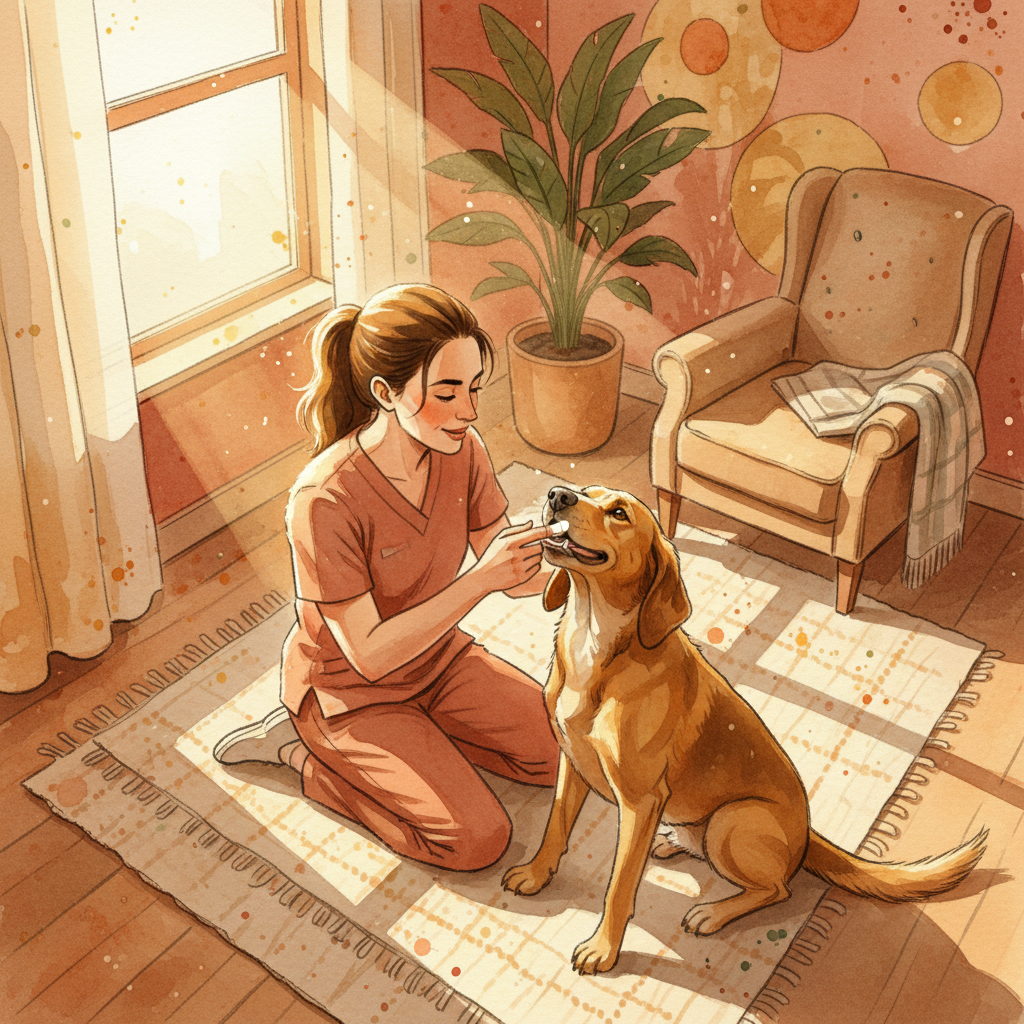
Begin by simply getting your pet used to the taste of pet toothpaste. Put a small amount on your finger and let them lick it off. Then, gradually introduce a toothbrush or finger brush. Gently brush their teeth in small circles, focusing on the outer surfaces. Reward them with treats and praise after each brushing session.
If your pet is particularly resistant to teeth brushing, consider using dental chews or water additives to help maintain their oral hygiene. These products can help to reduce plaque and tartar buildup without the need for brushing.
Ear Cleaning: A Sensitive Subject
Regular ear cleaning is important for preventing ear infections in pets, especially those with floppy ears. However, many pets find ear cleaning to be uncomfortable and even painful.
Use a veterinarian-approved ear cleaning solution and gently massage it into your pet’s ear canal. Then, use a cotton ball or gauze pad to wipe away any excess solution and debris. Be careful not to insert anything too far into the ear canal, as this can damage the eardrum.
If your pet has a lot of earwax buildup or if they seem to be in pain when you clean their ears, consult with your veterinarian. They may need to examine your pet’s ears for signs of infection or other problems.
The Long-Term Benefits of a Stress-Free Approach
Investing the time and effort to create a positive grooming experience for your pet is well worth it in the long run. Not only will it reduce their anxiety and improve their overall well-being, but it will also strengthen your bond with them.
A pet who trusts you and feels safe in your presence is more likely to be cooperative and affectionate. And a pet who enjoys being groomed is more likely to be healthy and happy.
Remember, hygiene is an important part of pet care, but it should never come at the expense of your pet’s emotional well-being. By understanding their fears, addressing their anxieties, and approaching grooming with patience and compassion, you can create a positive experience that benefits both you and your furry friend.
It’s about shifting your perspective. Instead of seeing grooming as a chore, view it as an opportunity to connect with your pet, build trust, and enhance their quality of life. The result will be a cleaner, healthier, and happier companion.

Ultimately, the key to successful pet hygiene is empathy. By putting yourself in your pet’s paws and understanding their perspective, you can create a grooming routine that is both effective and enjoyable. And that’s a win-win for everyone involved.

Hi, my name is Robert Max, I live in the United States and I’m the creator of InTechNews. I started this blog with the goal of sharing reliable and practical information about pet care, helping pet owners provide a healthier and happier life for their animals. I’m passionate about animal well-being and believe that good information makes all the difference in responsible pet ownership.