
The Unseen Armor: Hygiene as the Foundation of Pet Health
We often think of health in terms of vaccines, medications, and vet visits. But what if the most powerful defense against illness in our pets was something we could provide every single day, right at home? What if the simplest act of cleanliness could be a profound act of care? This is the power of hygiene – not just as a matter of aesthetics, but as an essential pillar of preventive healthcare for our beloved animals.
Hygiene isn’t simply about making your pet smell good (although that’s a definite perk!). It’s about proactively minimizing the risk of infections, parasites, and a host of other health problems that can significantly impact their quality of life. Think of it as an invisible shield, constantly protecting them from a world teeming with potential threats.
But how deep does this rabbit hole go? And what specific hygiene practices can we, as responsible pet owners, implement to ensure our furry, scaled, or feathered companions are truly thriving? Let’s delve into the core elements of pet hygiene, exploring not only the “what” but also the “why” and the “how” behind each practice.
Beyond the Bath: Understanding Holistic Pet Hygiene
Hygiene, in its broadest sense, encompasses all the practices that contribute to cleanliness and health. For pets, this extends far beyond the occasional bath. It includes dental care, grooming, paw maintenance, ear cleaning, and even environmental hygiene – keeping their living spaces clean and safe. It’s a holistic approach that recognizes the interconnectedness of a pet’s health and their surroundings.
Why is this holistic view so crucial? Because neglecting even one aspect of hygiene can have ripple effects on their overall well-being. For example, poor dental hygiene can lead to systemic infections that affect the heart, kidneys, and liver. Unkempt fur can harbor parasites and cause skin irritations. A dirty environment can expose them to harmful bacteria and fungi.
Consider the case of a cat with long fur that’s rarely brushed. Matted fur not only looks unsightly but also traps moisture and debris, creating a breeding ground for bacteria and fungi. This can lead to painful skin infections, hot spots, and even difficulty moving. Regular grooming, in this case, isn’t just about aesthetics; it’s about preventing a cascade of health problems.
The Gateway to Health: The Importance of Dental Hygiene
Imagine not brushing your teeth for weeks, months, or even years. The thought alone is enough to make most people cringe. Yet, many pet owners neglect their animal’s dental health, often unaware of the profound impact it has on their overall well-being.
Dental disease is one of the most common health problems in pets, affecting a significant percentage of dogs and cats by the age of three. It starts with plaque buildup, which hardens into tartar, leading to gingivitis (inflammation of the gums). Over time, this can progress to periodontitis, a more severe form of gum disease that damages the tissues and bone supporting the teeth.
The consequences of dental disease extend far beyond just bad breath and tooth loss. Bacteria from the mouth can enter the bloodstream and spread to other organs, causing serious health problems such as heart disease, kidney disease, and liver disease. In fact, studies have shown a strong link between dental disease and these systemic conditions in pets.
Brushing: The Gold Standard of Pet Dental Care
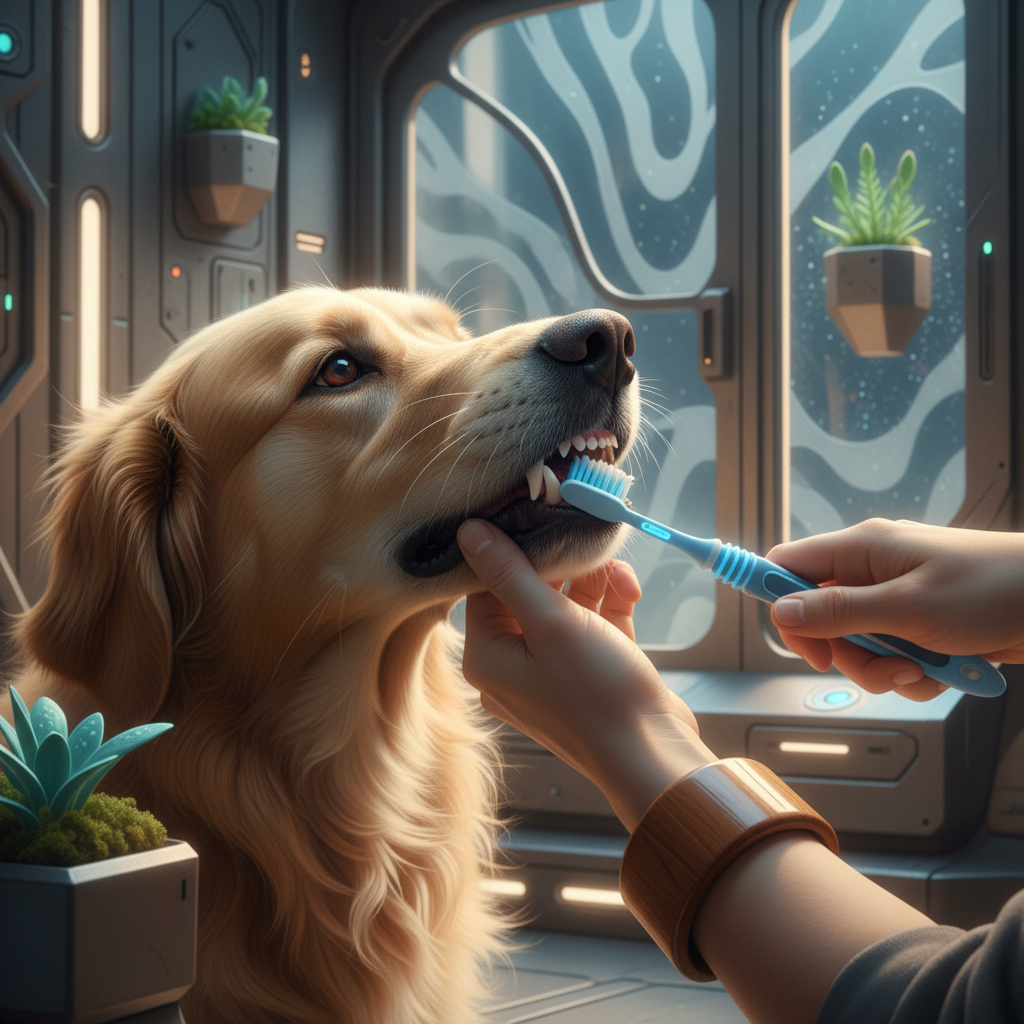
Just like with humans, regular brushing is the most effective way to prevent dental disease in pets. Ideally, you should brush your pet’s teeth every day. However, even brushing a few times a week can make a significant difference.
* **Choosing the Right Tools:** Use a pet-specific toothbrush and toothpaste. Human toothpaste contains ingredients that can be harmful to pets.
* **Gradual Introduction:** Start slowly and gradually introduce your pet to the toothbrush and toothpaste. Let them lick the toothpaste first, and then gently brush a few teeth at a time.
* **Positive Reinforcement:** Make brushing a positive experience by rewarding your pet with praise and treats.
* **Professional Cleanings:** Regular professional dental cleanings by a veterinarian are also essential. These cleanings remove tartar buildup that can’t be removed by brushing alone.
Beyond Brushing: Alternative Dental Care Options
If your pet resists brushing, there are other dental care options available, such as dental chews, dental diets, and water additives. While these options are not as effective as brushing, they can still help to reduce plaque and tartar buildup. Always consult with your veterinarian to determine the best dental care plan for your pet.
Remember, a healthy mouth is a gateway to a healthy body. By prioritizing your pet’s dental hygiene, you’re not just protecting their teeth; you’re protecting their overall health and well-being.
Grooming: More Than Just a Pretty Coat
Grooming is another essential aspect of pet hygiene that often gets overlooked. While it certainly contributes to a pet’s appearance, its benefits extend far beyond aesthetics. Regular grooming helps to remove dirt, debris, and loose fur, preventing matting, skin irritations, and parasite infestations. It also provides an opportunity to check your pet for any lumps, bumps, or other abnormalities.
The specific grooming needs of your pet will vary depending on their breed, coat type, and lifestyle. Long-haired breeds require more frequent brushing than short-haired breeds. Pets that spend a lot of time outdoors may need to be bathed more often.
Brushing: A Cornerstone of Grooming
Brushing is the most basic and essential grooming practice. It helps to remove loose fur, prevent matting, and distribute natural oils throughout the coat, keeping it healthy and shiny. The type of brush you use will depend on your pet’s coat type.
* **Slicker Brushes:** Ideal for removing mats and tangles in long-haired breeds.
* **Bristle Brushes:** Good for removing loose fur and smoothing the coat in short-haired breeds.
* **Undercoat Rakes:** Designed to remove loose undercoat in breeds with thick fur.
Bathing: When and How Often?
Bathing helps to remove dirt, debris, and odors from your pet’s coat. However, bathing too often can strip the coat of its natural oils, leading to dryness and irritation. As a general rule, most pets only need to be bathed every few months, unless they get particularly dirty or smelly.
* **Use Pet-Specific Shampoo:** Human shampoo can be too harsh for pets and can disrupt the pH balance of their skin.
* **Rinse Thoroughly:** Make sure to rinse all the shampoo out of your pet’s coat to prevent irritation.
* **Dry Completely:** Use a towel or a pet-specific dryer to dry your pet completely after bathing.
Nail Trimming: Preventing Pain and Injury
Overgrown nails can be painful for pets and can lead to injuries. Regular nail trimming is essential to keep their paws healthy and comfortable. The frequency of nail trimming will depend on your pet’s activity level.
* **Use Pet-Specific Nail Clippers:** Human nail clippers are not designed for pets and can be dangerous.
* **Trim Carefully:** Only trim the tips of the nails to avoid cutting into the quick (the pink part of the nail that contains blood vessels and nerves).
* **Stop Bleeding:** If you accidentally cut into the quick, use a styptic powder or pencil to stop the bleeding.

The Often-Forgotten Zones: Ear and Paw Care
While dental and coat care often take center stage, two crucial areas frequently overlooked are ear and paw hygiene. Both are highly susceptible to infections and injuries if neglected.
Ear infections are common in dogs, particularly those with floppy ears that trap moisture. Regular ear cleaning can help to prevent these infections by removing excess wax and debris.
* **Use Pet-Specific Ear Cleaner:** Avoid using alcohol or hydrogen peroxide, as these can irritate the ear canal.
* **Clean Gently:** Gently massage the ear cleaner into the ear canal and then use a cotton ball to wipe away any excess.
* **Consult Your Veterinarian:** If you notice any signs of ear infection, such as redness, swelling, or discharge, consult your veterinarian.
Paw care is equally important. Our pets’ paws are constantly in contact with the ground, exposing them to dirt, bacteria, and sharp objects. Regular paw cleaning can help to prevent infections and injuries.
* **Inspect Paws Regularly:** Check your pet’s paws regularly for any cuts, abrasions, or foreign objects.
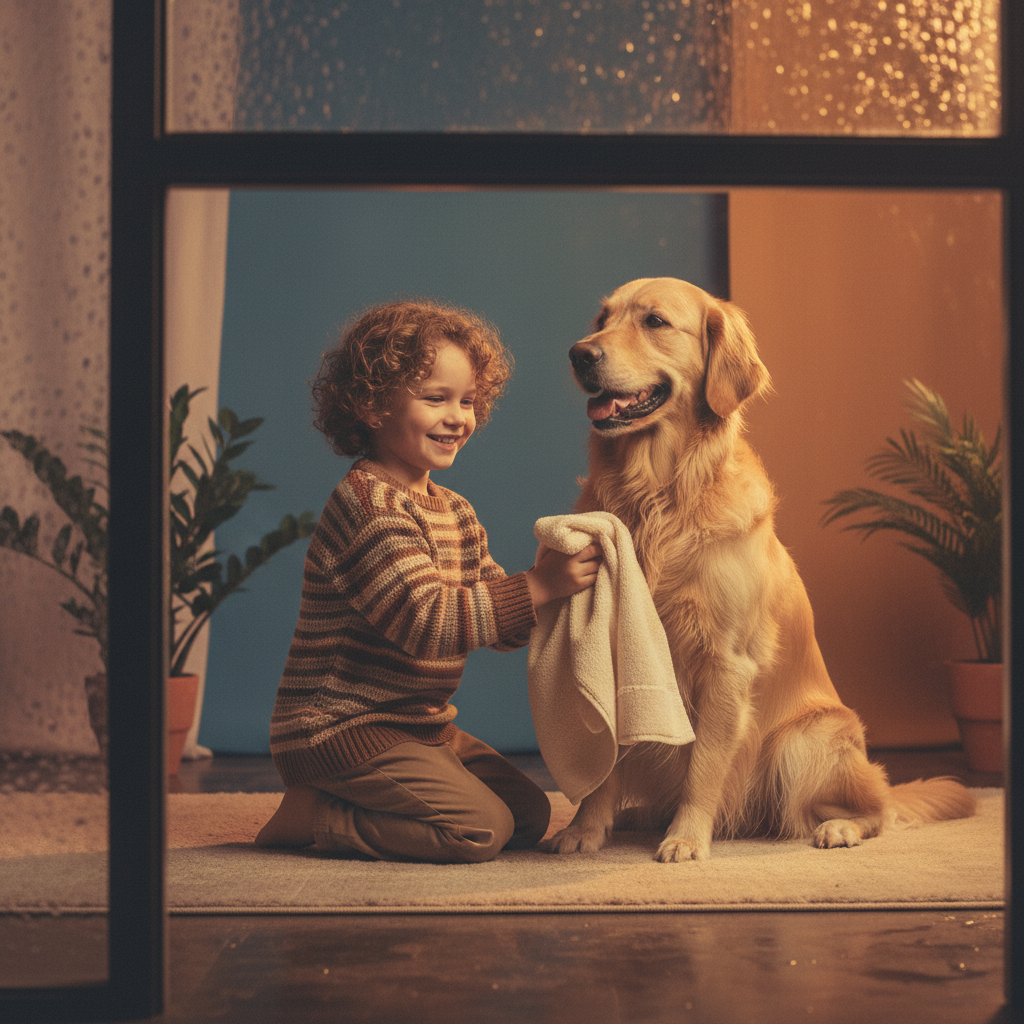
* **Clean Paws After Walks:** Wipe your pet’s paws with a damp cloth after walks to remove dirt and debris.
* **Moisturize Dry Paws:** If your pet’s paws are dry and cracked, apply a pet-specific paw balm or moisturizer.
Consider the case of a dog who loves to run through fields and forests. Without regular paw checks, a small thorn or burr can easily become embedded in their paw pad, leading to infection and lameness. A simple paw cleaning routine after each walk can prevent this scenario.
Environmental Hygiene: A Clean Home, A Healthy Pet
Hygiene isn’t limited to just the pet; it extends to their environment as well. A clean and sanitary living space is essential for preventing the spread of diseases and parasites. This includes regular cleaning of their bedding, food and water bowls, and litter boxes (for cats).
* **Wash Bedding Regularly:** Wash your pet’s bedding at least once a week to remove dirt, debris, and allergens.
* **Clean Food and Water Bowls Daily:** Wash your pet’s food and water bowls daily to prevent the growth of bacteria.
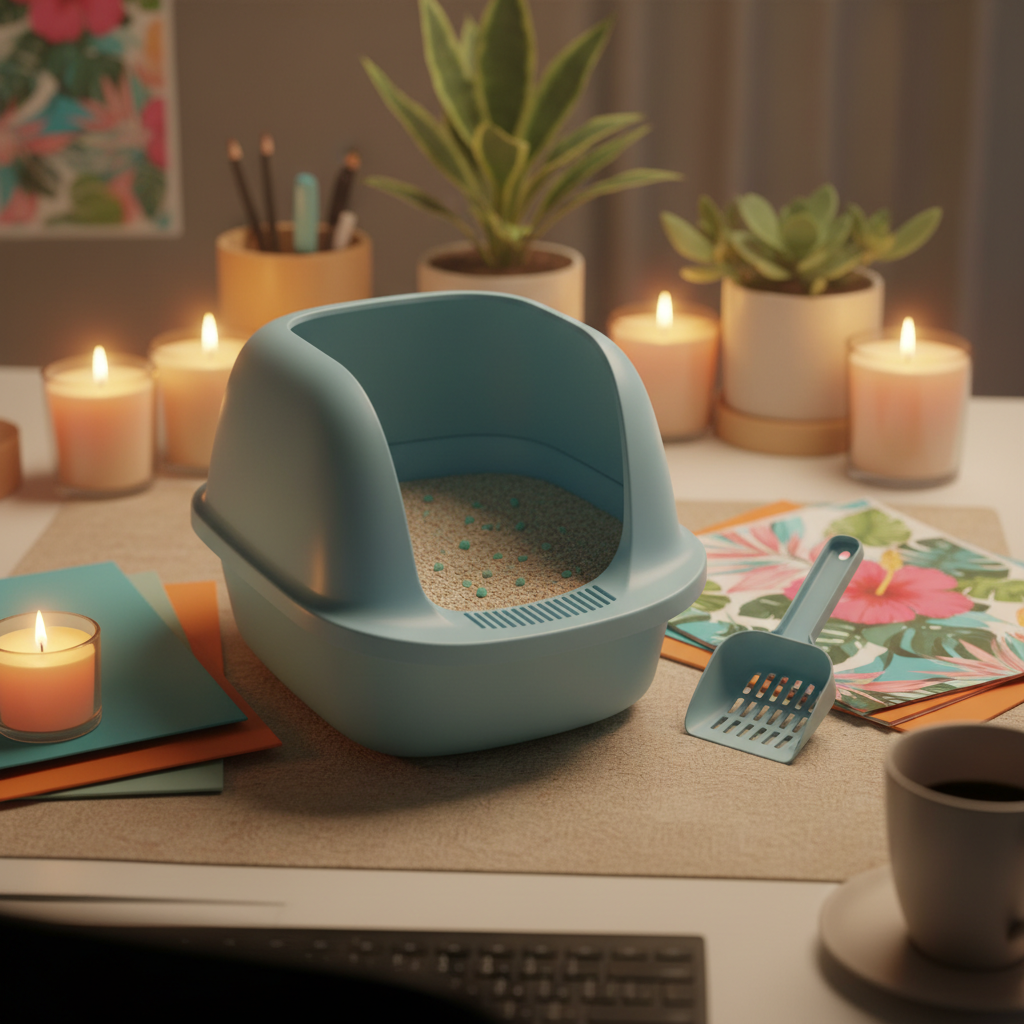
* **Scoop Litter Box Daily:** Scoop the litter box daily and change the litter completely at least once a week.
* **Disinfect Regularly:** Disinfect your pet’s living area regularly with a pet-safe disinfectant.
The impact of environmental hygiene is often underestimated. A seemingly harmless buildup of bacteria in a water bowl can lead to gastrointestinal upset in your pet. A dusty, allergen-filled bed can trigger allergic reactions. By maintaining a clean environment, you’re creating a safe and healthy space for your pet to thrive.
The Power of Prevention: Hygiene as an Investment
Ultimately, hygiene is an investment in your pet’s health and well-being. By prioritizing these practices, you’re not just keeping them clean; you’re proactively preventing a wide range of health problems. This not only improves their quality of life but can also save you money on vet bills in the long run.
Think of it this way: a small investment of time and effort in daily brushing, regular ear cleaning, and environmental sanitation can prevent costly dental procedures, skin infections, and parasite infestations. It’s a proactive approach to healthcare that empowers you to be an active participant in your pet’s well-being.
Building a Sustainable Hygiene Routine
Establishing a consistent hygiene routine is key to reaping its long-term benefits. But how do you make it a sustainable part of your life, especially when faced with busy schedules and, let’s be honest, sometimes resistant pets?
* **Start Small:** Don’t try to do everything at once. Start with one or two hygiene practices and gradually add more as you and your pet become comfortable.
* **Make it a Habit:** Incorporate hygiene practices into your daily or weekly routine. For example, brush your pet’s teeth after your own, or clean their ears on the same day you do laundry.
* **Be Patient:** It takes time for pets to get used to new hygiene practices. Be patient and persistent, and reward them for their cooperation.
* **Seek Professional Guidance:** Consult with your veterinarian or a professional groomer for advice on the best hygiene practices for your pet.
Consider the example of teaching a puppy to tolerate nail trims. Instead of trying to trim all their nails at once, start by simply touching their paws and rewarding them with treats. Gradually introduce the nail clippers, letting them sniff and investigate them. Eventually, you can start trimming one or two nails at a time, always rewarding them for their cooperation. This gradual approach makes the process less stressful for both you and your puppy.
The Bond of Care: Strengthening the Human-Animal Connection
Beyond the tangible health benefits, hygiene practices can also strengthen the bond between you and your pet. Grooming, brushing, and even cleaning their ears provide opportunities for physical contact and interaction, fostering a sense of trust and affection.
Think about the calming effect of gently brushing your cat’s fur, or the reassuring presence you provide while cleaning your dog’s ears. These moments of quiet intimacy deepen the connection between you and your pet, creating a stronger and more fulfilling relationship. It transforms hygiene from a chore into a cherished ritual, enriching the lives of both you and your animal companion.
In conclusion, hygiene is not just about cleanliness; it’s about care, prevention, and connection. It’s about recognizing the profound impact that simple daily practices can have on our pets’ health, happiness, and overall well-being. By embracing a holistic approach to pet hygiene, we can provide them with the invisible armor they need to thrive in a world full of potential challenges. It’s a gift of love, a commitment to their health, and a testament to the extraordinary bond we share. So, let’s make hygiene a priority, not just for our pets, but for the enduring strength of our relationship with them. Let’s choose to proactively safeguard their health and show them, through our actions, just how much we truly care.

Hi, my name is Robert Max, I live in the United States and I’m the creator of InTechNews. I started this blog with the goal of sharing reliable and practical information about pet care, helping pet owners provide a healthier and happier life for their animals. I’m passionate about animal well-being and believe that good information makes all the difference in responsible pet ownership.