
The Hidden Truth Behind Pet Fashion: Are We Really Doing What’s Best?
We adore our pets. They’re family. We want them to be happy, comfortable, and, let’s be honest, sometimes a little bit stylish. The pet clothing industry has exploded in recent years, offering everything from tiny raincoats and festive sweaters to miniature tutus and even full-on Halloween costumes. But beneath the adorable Instagram photos and the cooing from onlookers, lies a question we desperately need to ask ourselves: Are we dressing our pets for their benefit, or for our own?
The truth is, many of the clothing items we happily adorn our furry friends with can be downright uncomfortable, stressful, and even dangerous. Before you reach for that sparkly doggy dress or that miniature cat sweater, let’s delve into the potential negative consequences of pet fashion and explore how to prioritize your pet’s well-being over fleeting trends.
Beyond the Cuteness: Understanding the Real Risks
It’s easy to get caught up in the cuteness factor. A Chihuahua in a tiny tuxedo? Irresistible! A cat sporting a miniature lion’s mane? Guaranteed to generate likes. But we need to move beyond the surface and consider the potential harm we might be inflicting. Let’s break down some of the most common risks associated with dressing up your pets.
Restricted Movement: A Silent Prison
Imagine being forced to wear clothes that are too tight, too bulky, or that restrict your ability to move freely. That’s precisely what many pets experience when they’re dressed in ill-fitting or cumbersome outfits. A dog’s ability to run, jump, and play is fundamental to its physical and mental health. Restricting that movement can lead to frustration, anxiety, and even physical injury. A cat’s agility is crucial for navigating its environment and expressing natural behaviors like climbing and scratching. Constricting clothing can severely impact their ability to perform these essential actions.
Consider the materials used. Are they breathable? Do they allow for a full range of motion? A stiff, non-stretch fabric can chafe and irritate the skin, leading to discomfort and even sores. Overly tight clothing can restrict blood flow and put pressure on joints, particularly in breeds prone to joint problems like hip dysplasia. Observe your pet carefully when they’re wearing clothes. Are they moving awkwardly? Are they hesitant to jump or run? These are clear signs that the clothing is impacting their mobility.
Overheating: A Potentially Deadly Danger
Dogs and cats don’t regulate their body temperature the same way we do. They rely heavily on panting and sweating through their paws to stay cool. Covering them in layers of clothing, especially during warmer months, can severely hinder their ability to regulate their body temperature, leading to overheating and potentially fatal heatstroke. Brachycephalic breeds, like Bulldogs and Pugs, are particularly susceptible to overheating due to their shortened snouts, which make panting less efficient.
Even in cooler weather, it’s crucial to be mindful of the fabric and fit of your pet’s clothing. A thick, insulated sweater might seem cozy, but it could quickly lead to overheating indoors. Opt for lightweight, breathable fabrics and avoid dressing your pet in multiple layers unless absolutely necessary for protection from extreme cold. Always monitor your pet closely for signs of overheating, such as excessive panting, drooling, lethargy, and rapid heart rate. If you notice any of these symptoms, remove the clothing immediately and seek veterinary attention.
Anxiety and Stress: The Emotional Toll
While some pets may tolerate being dressed up, many find it incredibly stressful. Imagine being suddenly enveloped in a strange garment that restricts your movement and alters your sensory experience. For many animals, this can trigger a fear response, leading to anxiety, stress, and even behavioral problems. Observe your pet’s body language carefully. Are they displaying signs of stress, such as flattened ears, tucked tail, lip licking, yawning, or whale eye (where you can see the whites of their eyes)? These are all indicators that they’re uncomfortable and potentially distressed.
Forcing a pet to wear clothing when they’re clearly resistant can damage your relationship and erode their trust. Positive reinforcement, such as treats and praise, can help to desensitize them to the experience, but it’s crucial to respect their boundaries and never force them into a situation that causes them distress. Remember, your pet’s emotional well-being is just as important as their physical health.
Choking Hazards: A Silent Threat
Many pet clothing items feature small embellishments like buttons, beads, ribbons, and zippers. These seemingly harmless details can pose a significant choking hazard if your pet manages to chew them off. Ingesting these objects can lead to intestinal blockages, which can be life-threatening and often require surgery. Regularly inspect your pet’s clothing for loose or damaged parts and repair or discard them immediately. Choose clothing items that are made from durable materials and that don’t have any small, detachable pieces. Supervise your pet closely when they’re wearing clothes, especially if they have a tendency to chew on things.

When is Pet Clothing Actually Necessary?
While the potential risks of pet clothing are undeniable, there are certain situations where it can be beneficial and even necessary for your pet’s health and well-being. However, the key is to choose the right type of clothing and to use it responsibly and with your pet’s comfort in mind.
Protection from the Elements: A Practical Necessity
In extreme weather conditions, clothing can provide essential protection from the elements. A waterproof raincoat can keep your dog dry and comfortable during a downpour, preventing them from getting chilled and developing a cold. A warm sweater or coat can help to insulate them from the cold in frigid temperatures, especially for small breeds, short-haired breeds, and senior pets who are more susceptible to the cold. However, it’s important to choose clothing that is appropriate for the weather conditions and to avoid overdressing your pet.
For example, a lightweight fleece jacket might be sufficient for a brisk autumn walk, while a heavier, insulated coat might be necessary for a sub-zero winter day. Consider the length of your pet’s fur coat and their individual tolerance to cold when choosing the right type of clothing. Always monitor your pet for signs of overheating and remove the clothing if they become too warm.
Medical Reasons: Supporting Recovery and Comfort
In certain medical situations, clothing can play a crucial role in your pet’s recovery and comfort. For example, a post-surgical garment can prevent your pet from licking or scratching at their incision, reducing the risk of infection and promoting healing. A compression garment can provide support and reduce swelling after an injury. A dog with allergies may benefit from wearing a lightweight body suit to minimize contact with allergens like pollen and grass.
In these cases, it’s essential to consult with your veterinarian to determine the best type of clothing for your pet’s specific needs. They can provide guidance on the appropriate fit, material, and duration of use. Ensure that the clothing is clean, comfortable, and doesn’t restrict your pet’s movement or breathing. Monitor your pet closely for any signs of irritation or discomfort and contact your veterinarian if you have any concerns.
Anxiety Reduction: Creating a Sense of Security
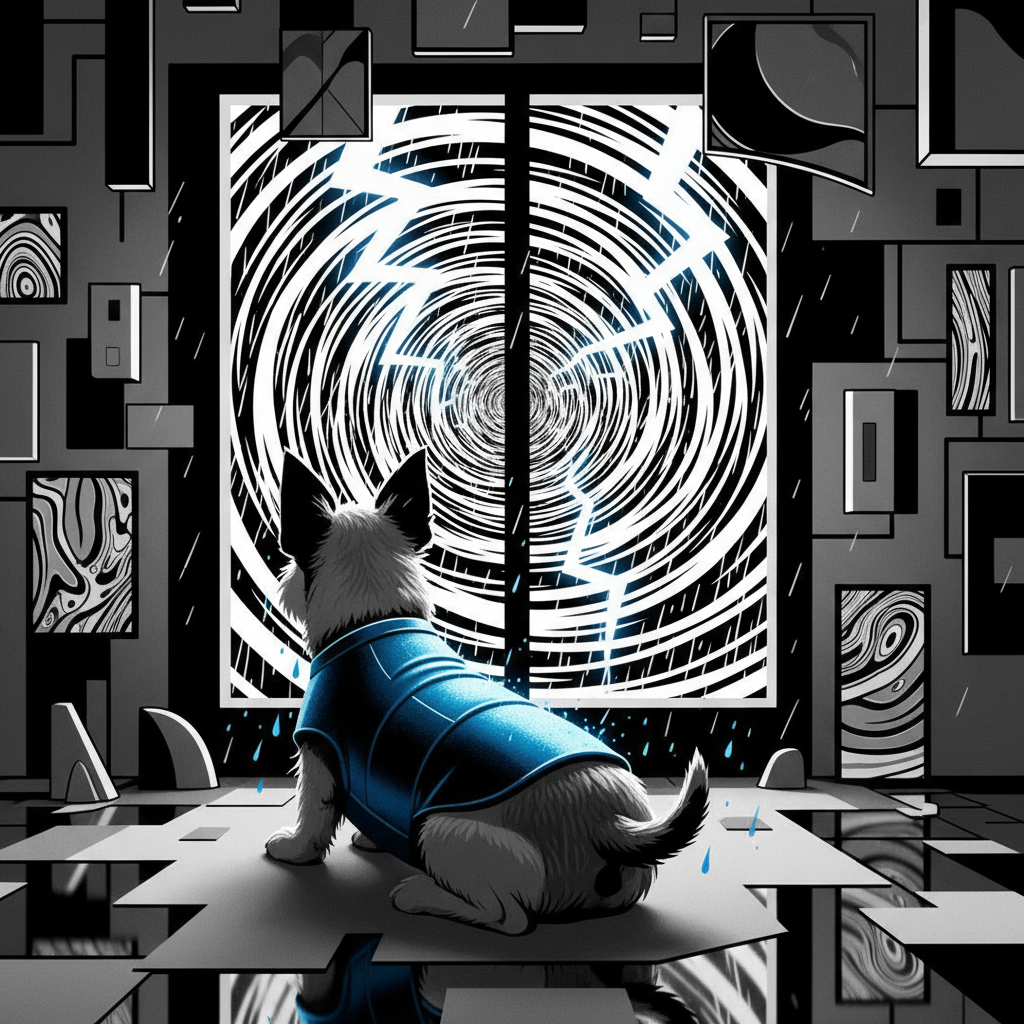
Some pets experience anxiety in certain situations, such as during thunderstorms, fireworks, or car rides. A snug-fitting garment, like a “thunder shirt,” can provide a sense of security and comfort by applying gentle, constant pressure to the body. This pressure is thought to have a calming effect, similar to swaddling a baby. However, it’s important to introduce the garment gradually and to monitor your pet’s reaction closely. Not all pets respond positively to these types of garments, and some may find them constricting or uncomfortable.
If you’re considering using a compression garment for anxiety reduction, consult with your veterinarian or a certified animal behaviorist to determine if it’s appropriate for your pet. They can provide guidance on proper fitting and usage and can help you to identify other strategies for managing your pet’s anxiety. Remember, clothing is just one tool in the toolbox, and it’s important to address the underlying cause of the anxiety to provide long-term relief.
Choosing the Right Clothing: A Guide to Prioritizing Your Pet’s Comfort
If you do choose to dress your pet, it’s crucial to prioritize their comfort and well-being above all else. This means carefully considering the fit, material, and design of the clothing and paying close attention to your pet’s reaction. Here are some tips for choosing the right clothing for your furry friend:
Prioritize Fit: Comfort is Key
The fit of the clothing is paramount. Clothes that are too tight can restrict movement, impede breathing, and cause chafing and irritation. Clothes that are too loose can be a tripping hazard and may get caught on objects. Measure your pet carefully and consult the manufacturer’s sizing chart to ensure a proper fit. Look for clothing with adjustable straps or closures to allow for a more customized fit. Ensure that the clothing allows for a full range of motion and doesn’t restrict your pet’s ability to breathe, eat, drink, or eliminate waste comfortably.
Opt for Natural, Breathable Fabrics
Choose clothing made from natural, breathable fabrics like cotton, linen, or bamboo. These fabrics allow for better air circulation and help to prevent overheating. Avoid synthetic fabrics like polyester and nylon, which can trap heat and moisture, leading to skin irritation and discomfort. Look for fabrics that are soft, lightweight, and non-irritating to the skin. Consider the season and choose fabrics that are appropriate for the weather conditions. For example, a lightweight cotton t-shirt might be suitable for summer, while a fleece jacket might be necessary for winter.
Consider the Design: Functionality Matters
The design of the clothing should be functional and practical, not just aesthetically pleasing. Avoid clothing with excessive embellishments, such as buttons, beads, and ribbons, which can pose a choking hazard. Choose clothing with simple closures, such as Velcro or snaps, which are easy to use and less likely to irritate the skin. Ensure that the clothing doesn’t interfere with your pet’s ability to see, hear, or move freely. Avoid clothing with long sleeves or pant legs that can get in the way and cause tripping. Consider the specific needs of your pet when choosing the design. For example, a dog with a long back might benefit from a coat that provides extra coverage and support.
Introduce Clothing Gradually: Desensitization is Essential
Don’t expect your pet to immediately embrace being dressed up. Introduce clothing gradually and use positive reinforcement to create a positive association. Start by simply showing your pet the clothing and allowing them to sniff it. Then, try putting the clothing on them for a few seconds at a time, gradually increasing the duration as they become more comfortable. Reward them with treats and praise for good behavior. If your pet shows signs of stress or discomfort, stop and try again later. Never force your pet to wear clothing if they are clearly resistant.
Reading Your Pet’s Body Language: The Ultimate Guide
Your pet’s body language is the most reliable indicator of their comfort and well-being. Learning to recognize the subtle signs of stress and discomfort can help you to make informed decisions about whether or not to dress them up. Here are some common signs to watch out for:
Signs of Comfort: Relaxed and Happy
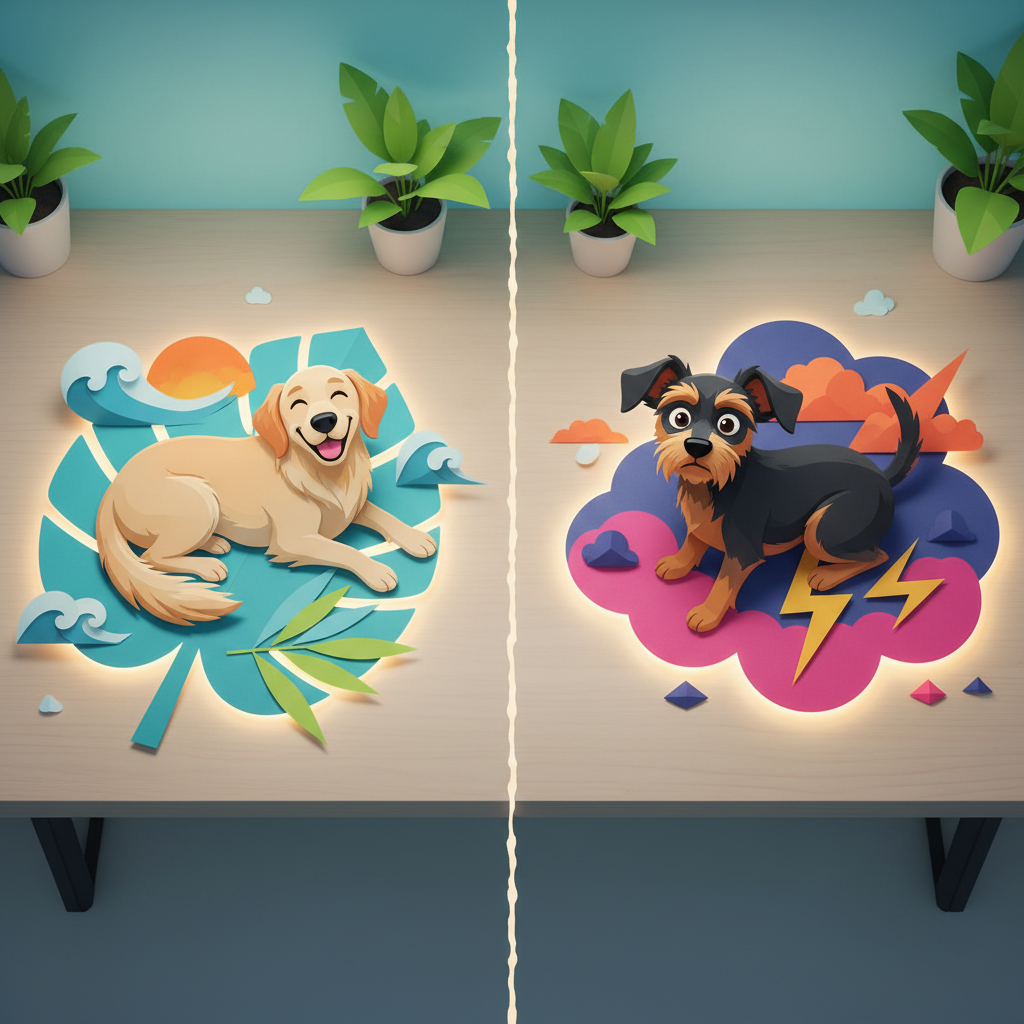
When your pet is comfortable, they will typically display relaxed body language. This includes a relaxed posture, a wagging tail (in dogs), relaxed ears, soft eyes, and a neutral facial expression. They may also engage in normal behaviors, such as eating, drinking, playing, and sleeping. If your pet is displaying these signs while wearing clothing, it’s a good indication that they are tolerating it well.
Signs of Discomfort: Stressed and Anxious
When your pet is uncomfortable, they will typically display signs of stress and anxiety. This can include a tense posture, a tucked tail (in dogs), flattened ears, wide eyes, lip licking, yawning, panting (even when not hot), shaking, trembling, hiding, and vocalizing (whining, barking, or meowing). They may also try to remove the clothing by scratching, biting, or rubbing against objects. If your pet is displaying these signs while wearing clothing, it’s a clear indication that they are uncomfortable and that the clothing should be removed immediately.
It’s crucial to pay close attention to your pet’s body language and to trust your instincts. If you’re unsure whether or not your pet is comfortable, err on the side of caution and remove the clothing. Remember, your pet’s well-being is more important than any fashion statement.
Beyond Clothing: Alternative Ways to Express Your Pet’s Personality
If you’re looking for ways to express your pet’s personality without resorting to potentially uncomfortable clothing, there are plenty of alternative options available. These include:
Stylish Collars and Leashes: A Functional Fashion Statement
A stylish collar and leash can be a great way to add a touch of personality to your pet’s look without compromising their comfort. Choose a collar and leash that are made from high-quality materials and that are appropriate for your pet’s size and breed. Look for unique designs, colors, and patterns that reflect your pet’s individual style. Consider adding personalized tags with your pet’s name and contact information. A well-chosen collar and leash can be both functional and fashionable.
Grooming: Enhancing Natural Beauty
Regular grooming can enhance your pet’s natural beauty and keep them looking their best. This includes brushing, bathing, nail trimming, and ear cleaning. A professional groomer can also provide breed-specific haircuts and styles that can accentuate your pet’s features. Proper grooming not only improves your pet’s appearance but also promotes their health and well-being. A clean and well-groomed pet is a happy pet.
Bandanas: A Simple and Safe Accessory
A bandana is a simple and safe accessory that can add a pop of color and personality to your pet’s look. Choose a bandana made from a soft, breathable fabric like cotton. Ensure that the bandana is not too tight and that it doesn’t restrict your pet’s breathing. You can find bandanas in a wide variety of colors, patterns, and designs to suit your pet’s individual style. Bandanas can also be used to apply cooling gels or essential oils for added comfort and relaxation.
Toys: Reflecting Their Playful Side
The toys your pet plays with can also reflect their personality. Does your dog love to fetch? A collection of brightly colored balls might be perfect. Is your cat a hunter? Feather wands and toy mice will showcase their instincts. Choosing toys that cater to their natural behaviors and preferences is a great way to express their individual character.
The Ethical Dilemma: Putting Pets First
Ultimately, the decision of whether or not to dress your pet comes down to ethics. Are you prioritizing their well-being, or are you prioritizing your own desire for cuteness and attention? It’s a question we all need to ask ourselves honestly. Our pets rely on us to make responsible choices on their behalf. They can’t tell us when they’re uncomfortable or stressed. It’s our responsibility to learn their language, understand their needs, and prioritize their well-being above all else.
Let’s shift the focus from dressing our pets to understanding them. Let’s celebrate their natural beauty and unique personalities without resorting to potentially harmful fashion trends. Let’s create a world where pets are valued for who they are, not for what they wear.
By prioritizing our pets’ comfort, health, and emotional well-being, we can create a stronger bond with them and ensure that they live happy, fulfilling lives. It’s a small change with a profound impact. Let’s choose love, respect, and understanding over fleeting trends and superficial appearances. Our pets deserve nothing less.

Hi, my name is Robert Max, I live in the United States and I’m the creator of InTechNews. I started this blog with the goal of sharing reliable and practical information about pet care, helping pet owners provide a healthier and happier life for their animals. I’m passionate about animal well-being and believe that good information makes all the difference in responsible pet ownership.