
The Hidden Cost of Canine Couture: Is Your Pet Really Enjoying That Outfit?
We love our pets, and it’s natural to want to shower them with affection. For many pet owners, that affection manifests in the form of adorable outfits, tiny hats, and even full-blown costumes. The pet clothing industry is booming, fueled by social media trends and the undeniable cuteness of a dog in a miniature raincoat. But have you ever stopped to consider whether your furry friend actually enjoys being dressed up, or if that seemingly harmless act of love is actually causing them stress and discomfort?
The truth is, while some pets might tolerate clothing, many actively dislike it. And even those who seem indifferent could be silently suffering from a range of physical and emotional issues caused by ill-fitting or inappropriate attire. It’s a complex issue with no easy answers, but understanding the potential downsides of pet clothing is crucial for responsible pet ownership.
Think about it: dogs and cats already have a perfectly good coat of fur designed to regulate their body temperature and protect them from the elements. Why would they need a sequined vest or a tiny tuxedo? The answer, of course, is that they don’t. We’re dressing them up for our own amusement, often without fully considering their perspective.
Beyond the “Aww”: Understanding the Physiological Impact
It’s easy to get caught up in the visual appeal of a dressed-up pet, but we need to look beyond the “aww” factor and consider the potential physiological consequences. Clothing can restrict movement, overheat your pet, and even cause skin irritation.
Restricted Movement and Impaired Mobility
One of the most common issues with pet clothing is restricted movement. Many outfits, especially those with tight sleeves or restrictive fabrics, can limit a pet’s natural range of motion. This can be particularly problematic for active breeds who need to run, jump, and play freely. Imagine trying to navigate your day with your arms constantly constricted – that’s the reality for many pets forced to wear uncomfortable clothing.
Consider a small dog breed, like a Dachshund or a Corgi, known for their short legs and long bodies. A bulky sweater can significantly hinder their ability to move comfortably, impacting their gait and potentially leading to joint problems over time. Even seemingly harmless accessories, like bandanas tied too tightly around the neck, can restrict breathing and blood flow.
Overheating: A Silent Threat
Animals regulate their body temperature differently than humans. Dogs, for example, rely heavily on panting to cool down, while cats sweat primarily through their paws. Clothing can interfere with these natural cooling mechanisms, leading to overheating, especially in warm weather or during exercise.
Imagine a thick, fleece-lined coat on a long-haired dog during a summer walk. The dog’s fur already provides insulation, and the added layer of clothing can quickly trap heat, leading to heatstroke. Even in cooler temperatures, certain fabrics can prevent the skin from breathing, increasing the risk of overheating.
Skin Irritation and Allergies
The type of fabric used in pet clothing can also have a significant impact on their skin health. Cheap, synthetic materials can cause irritation, itching, and even allergic reactions. Dyes and chemicals used in the manufacturing process can also trigger skin sensitivities, leading to rashes, hot spots, and excessive scratching.
Think about the delicate skin of a hairless cat breed, like a Sphynx. They are particularly vulnerable to skin irritation from clothing, as their skin lacks the protective barrier of fur. Even seemingly natural fabrics, like wool, can be irritating to some animals, causing discomfort and inflammation.

Decoding the Signs: How to Tell if Your Pet Hates Their Outfit
Pets can’t verbally tell us when they’re uncomfortable, so it’s crucial to be observant and learn to recognize the subtle signs of distress. These signs can range from obvious indicators like struggling to get out of the clothing to more subtle behavioral changes.
Obvious Signs of Discomfort
These are the clear and unmistakable signals that your pet is not enjoying their outfit:
* **Trying to remove the clothing:** This is perhaps the most obvious sign. If your pet is constantly pawing at the clothing, biting at the fabric, or rolling around trying to get it off, it’s a clear indication that they want it gone.
* **Refusing to move:** A normally energetic pet who suddenly becomes lethargic and refuses to walk or play while wearing clothing is likely feeling restricted and uncomfortable.
* **Excessive scratching or licking:** This can be a sign of skin irritation or allergies caused by the fabric. Pay close attention to the areas where the clothing comes into contact with the skin.
* **Panting or drooling excessively:** This can be a sign of overheating, especially in warm weather. Remove the clothing immediately if you notice these symptoms.
Subtle Behavioral Changes
Sometimes, the signs of discomfort are more subtle and require a closer look:
* **Changes in posture:** A pet who is uncomfortable might hunch over, tuck their tail between their legs, or hold their head in an unusual position.
* **Increased anxiety or fear:** Some pets may become anxious or fearful when wearing clothing, exhibiting behaviors like trembling, hiding, or becoming clingy.
* **Loss of appetite or decreased activity:** Prolonged discomfort can lead to a decrease in appetite and overall activity levels.
* **Avoidance behavior:** If your pet starts to avoid you when you reach for their clothing, it’s a clear sign that they associate the clothing with negative experiences.
Case Study: The Anxious Chihuahua
Consider the case of Bella, a small Chihuahua who was always dressed in elaborate outfits by her owner. Bella initially seemed to tolerate the clothing, but over time, her owner noticed a change in her behavior. Bella became increasingly anxious, would tremble whenever her owner reached for an outfit, and started hiding under the furniture.
After consulting with a veterinarian and a behaviorist, the owner realized that Bella was suffering from significant stress due to the clothing. The tight-fitting outfits restricted her movement and made her feel vulnerable. Once the owner stopped dressing Bella up, her anxiety gradually subsided, and she returned to her happy, playful self.

The Psychology of Pet Clothing: Why We Do It
Understanding why we dress up our pets can help us make more informed and compassionate decisions. Often, it stems from a desire to project human emotions and values onto our animal companions.
Anthropomorphism: Projecting Human Traits
Anthropomorphism, the tendency to attribute human characteristics to animals or inanimate objects, plays a significant role in our desire to dress up our pets. We see a cute outfit and imagine how adorable our pet will look wearing it, projecting our own feelings of joy and amusement onto them.
We might dress our pets in costumes for holidays, mirroring our own traditions and celebrations. We might even choose outfits that reflect our own personal style or social status, using our pets as an extension of ourselves. While there’s nothing inherently wrong with anthropomorphism, it’s important to be aware of its potential to cloud our judgment and prioritize our own desires over the well-being of our pets.
The Social Media Effect: Validation and Attention
Social media has undoubtedly fueled the pet clothing trend. Platforms like Instagram and TikTok are filled with images and videos of pets dressed in elaborate outfits, generating likes, comments, and shares. The desire for social validation can drive pet owners to dress up their pets for the sake of online attention, often without considering the pet’s comfort or happiness.
It’s easy to get caught up in the pursuit of the perfect photo, but it’s important to remember that our pets are not props. Their well-being should always be our top priority, not the number of likes we receive on social media.
Filling a Void: Emotional Connection
For some pet owners, dressing up their pets can be a way to fill an emotional void or express their love and affection. They might see their pets as surrogate children or companions, and dressing them up can provide a sense of purpose and fulfillment.
While there’s nothing wrong with having a strong emotional connection with your pet, it’s important to ensure that your actions are truly benefiting them and not simply serving your own emotional needs. True love and affection are best expressed through providing proper care, attention, and enrichment, not through forcing them into uncomfortable clothing.
Responsible Pet Fashion: When Is It Okay?
While the focus has been on the potential downsides of pet clothing, there are certain situations where it can be beneficial or even necessary. The key is to prioritize your pet’s comfort and well-being above all else.
Functional Clothing for Protection
In some cases, clothing can serve a functional purpose, protecting your pet from the elements or providing medical benefits:
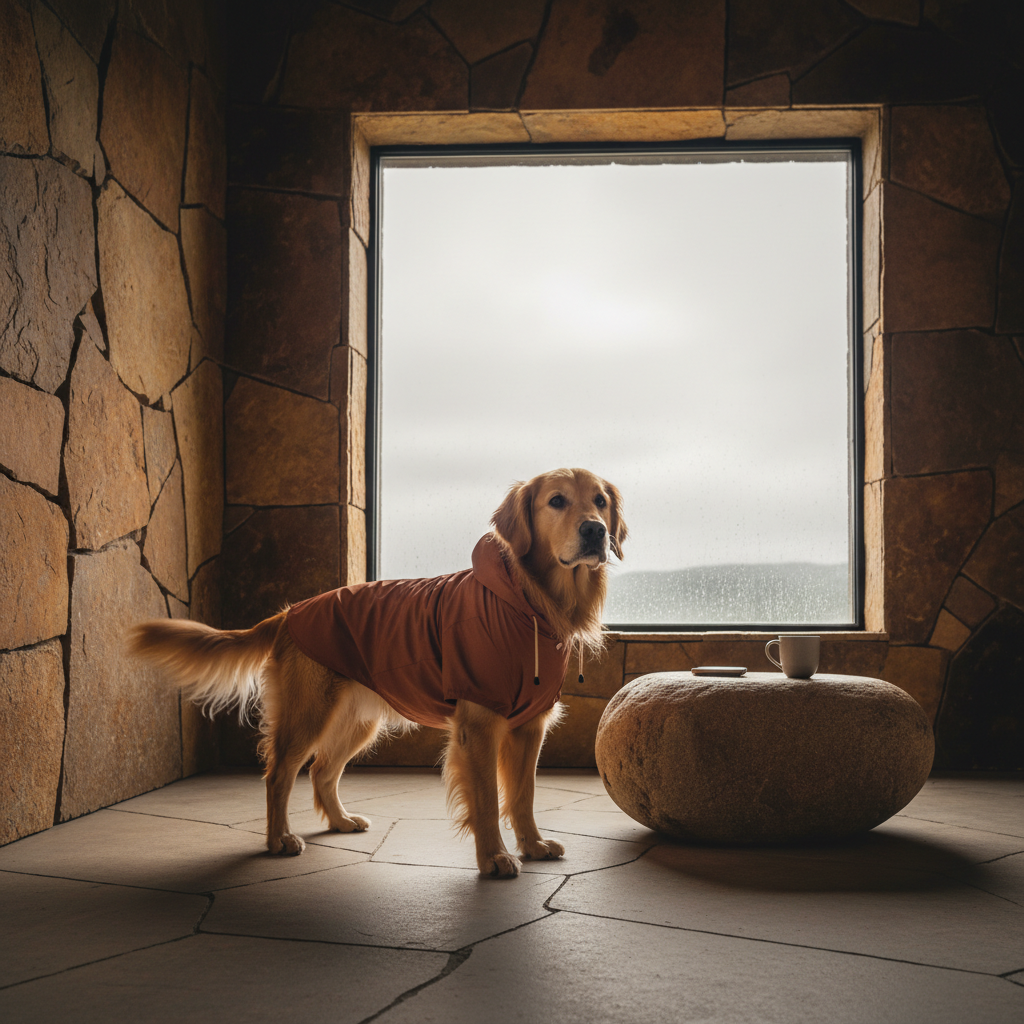
* **Raincoats:** A waterproof raincoat can keep your dog dry and comfortable during wet weather, preventing them from getting cold and potentially sick.
* **Sweaters for warmth:** For short-haired breeds or older pets who are sensitive to the cold, a well-fitting sweater can provide extra warmth during the winter months.
* **Recovery suits:** After surgery or for pets with skin conditions, a recovery suit can prevent them from licking or scratching their wounds, promoting healing.
* **Sun protection:** For pets with light-colored fur or sensitive skin, clothing can provide protection from the sun’s harmful UV rays.
Choosing the Right Fit and Fabric
If you do choose to dress your pet, it’s crucial to select clothing that fits properly and is made from comfortable, breathable fabrics:
* **Avoid tight-fitting clothing:** Choose clothing that allows for a full range of motion and doesn’t restrict breathing.
* **Opt for natural fabrics:** Natural fabrics like cotton, linen, and bamboo are less likely to cause skin irritation than synthetic materials.
* **Check for chafing:** Make sure the clothing doesn’t rub against your pet’s skin, especially around the legs, neck, and armpits.
* **Introduce clothing gradually:** Start by letting your pet sniff and explore the clothing before putting it on them. Use positive reinforcement, like treats and praise, to create a positive association.
Reading Your Pet’s Cues
Ultimately, the best way to determine if your pet is comfortable in clothing is to pay attention to their body language and behavior. If they show any signs of distress, remove the clothing immediately.
Remember, your pet’s comfort and well-being should always be your top priority. If they’re not enjoying the experience, it’s not worth it, no matter how cute they look. True love and affection are best expressed through providing proper care, attention, and enrichment, not through forcing them into uncomfortable clothing for our own amusement.
Alternatives to Clothing: Showing Your Love in Meaningful Ways
There are countless ways to show your love and affection for your pet without resorting to dressing them up. Focusing on their needs and providing them with enrichment and stimulation will create a stronger bond and a happier, healthier companion.
Enrichment and Stimulation
Providing your pet with plenty of mental and physical stimulation is crucial for their well-being. This can include:
* **Interactive toys:** Puzzle toys, treat-dispensing toys, and chew toys can keep your pet entertained and engaged.
* **Regular exercise:** Daily walks, playtime in the park, and other forms of exercise can help your pet burn energy and stay healthy.
* **Training and socialization:** Training classes and socialization opportunities can help your pet learn new skills and interact with other animals and people.
* **Grooming and pampering:** Regular grooming sessions, like brushing and bathing, can help keep your pet’s coat healthy and provide a relaxing bonding experience.
Quality Time and Affection
Spending quality time with your pet, providing them with attention, and showering them with affection are all essential for building a strong bond. This can include:
* **Cuddling and petting:** Many pets enjoy cuddling and being petted, which can help them feel loved and secure.
* **Talking to your pet:** Even though they may not understand everything you say, talking to your pet can provide them with comfort and reassurance.
* **Playing games:** Playing fetch, tug-of-war, or other games can be a fun way to bond with your pet and provide them with exercise.
* **Simply being present:** Sometimes, simply being present and providing your pet with a calm and loving environment is enough to make them feel happy and secure.
Case Study: The Thriving Tabby
Consider the story of Oliver, a tabby cat whose owner used to dress him in various outfits. Oliver tolerated the clothing, but he never seemed particularly happy. After learning about the potential downsides of pet clothing, the owner decided to focus on providing Oliver with enrichment and stimulation instead.
She bought him interactive toys, created a cat-friendly environment with climbing structures and scratching posts, and spent more time playing with him. Oliver’s personality blossomed, and he became a much happier and more engaged cat. The owner realized that she didn’t need to dress him up to show him love; simply providing him with the things he needed to thrive was enough.

Ultimately, the decision of whether or not to dress your pet is a personal one. However, it’s crucial to approach the topic with careful consideration and prioritize your pet’s well-being above all else. By understanding the potential downsides of pet clothing, recognizing the signs of discomfort, and focusing on providing your pet with enrichment, stimulation, and affection, you can create a strong and loving bond without sacrificing their comfort or happiness. Let’s choose compassion over couture and prioritize the true needs of our beloved animal companions. Let’s ensure that our “cute” gestures are not masking a silent unhappiness.

Hi, my name is Robert Max, I live in the United States and I’m the creator of InTechNews. I started this blog with the goal of sharing reliable and practical information about pet care, helping pet owners provide a healthier and happier life for their animals. I’m passionate about animal well-being and believe that good information makes all the difference in responsible pet ownership.