
Beyond the Cute Factor: Decoding Pet Fashion
We’ve all seen them: dogs in tiny sweaters, cats sporting miniature hats, even the occasional lizard decked out in a custom-made harness. Pet fashion, once a niche market, has exploded into a multi-billion dollar industry. But is it all just about the “aww” factor? Or is there something deeper, something more complex, at play? The truth is, dressing your pet is an art, a science, and a responsibility all rolled into one. It’s about understanding your animal’s needs, respecting their boundaries, and finding ways to express their (and your!) unique personality. It’s not simply about slapping a costume on Fluffy and calling it a day. It demands a level of thoughtfulness and consideration that often gets overlooked in the rush to Instagram fame.
So, before you dive headfirst into the world of pet couture, let’s unpack some crucial, often-unspoken, truths about dressing your beloved companion. We’ll explore the ethical considerations, the practical implications, and the surprising psychological aspects of adorning our furry, scaly, or feathered friends.
The Comfort Conundrum: Is it Fashion or Torture?
This is the million-dollar question, isn’t it? Because let’s face it: a lot of pet clothing out there is downright uncomfortable. Think itchy fabrics, restrictive designs, and unnecessary embellishments. Your pet can’t exactly tell you they’re miserable, can they? They might whine, scratch, or try to wriggle out of their attire, but often, their discomfort manifests in more subtle ways: changes in behavior, decreased activity, even increased anxiety. Therefore, prioritizing comfort is not just a suggestion; it’s an ethical imperative. Choose natural, breathable materials like cotton, linen, or bamboo. Avoid anything too tight, too heavy, or too scratchy. And always, always supervise your pet while they’re wearing clothing, especially if it’s new.
A perfect example of prioritizing comfort is investing in a well-fitted dog coat for winter. A good coat will protect your dog from the elements without restricting their movement or causing chafing. Look for features like adjustable straps, a waterproof outer layer, and a soft, fleece lining. The goal is to keep them warm and dry, not to turn them into a canine Michelin Man.
Consider the construction of the garment as well. Are there any seams that might rub against your pet’s skin? Are there any small parts that could be chewed off and swallowed? Safety should always be paramount. Remember, a stylish pet is a happy pet, but a comfortable pet is even happier.
The Practicality Principle: Form Follows Function
Beyond comfort, consider the practicality of the clothing you choose. Is it actually serving a purpose, or is it purely decorative? A raincoat for a short-haired dog in a rainy climate? Absolutely practical. A bejeweled tiara for a house cat who spends most of their time napping? Questionable, to say the least. The best pet clothing strikes a balance between form and function. It looks good, but it also serves a purpose.
For example, booties can protect your dog’s paws from hot pavement in the summer or ice and salt in the winter. But choose them carefully. Make sure they fit properly and don’t restrict circulation. A poorly fitted bootie can be just as harmful as no bootie at all.
Similarly, a calming vest can help anxious dogs feel more secure during thunderstorms or fireworks. These vests work by applying gentle, constant pressure, similar to swaddling a baby. But again, fit is crucial. The vest should be snug but not too tight, and it should allow for a full range of motion.
And let’s not forget about visibility. If you walk your dog at night, consider a reflective vest or collar to make them more visible to drivers. This is especially important in areas with heavy traffic. A little bit of practicality can go a long way in keeping your pet safe and healthy.

The Psychological Puzzle: Are You Projecting?
This is where things get really interesting. Because sometimes, dressing our pets is less about their needs and more about our own desires. We see them as extensions of ourselves, as blank canvases upon which we can project our own personalities and aspirations. There’s nothing inherently wrong with this, but it’s important to be aware of it. Are you dressing your pet in a way that makes them happy, or in a way that makes *you* happy? Are you considering their individual temperament and preferences, or are you simply imposing your own aesthetic sensibilities upon them?
For example, some people dress their pets in matching outfits. While this might look cute in photos, it’s important to consider whether your pet actually enjoys wearing the same clothes as you. Some pets might find it comforting, while others might find it stressful or irritating. The key is to pay attention to your pet’s body language and cues. If they seem uncomfortable or agitated, it’s best to remove the clothing.
Another common pitfall is dressing pets in costumes that are demeaning or infantilizing. A grown dog dressed as a baby might elicit a chuckle, but it can also undermine their dignity and make them feel uncomfortable. Remember, your pet is an individual with their own unique personality. Treat them with respect, and avoid anything that might make them feel embarrassed or ashamed.
The Breed Bias: Understanding Specific Needs
Different breeds have different needs and tolerances when it comes to clothing. A thick-coated husky, for example, is unlikely to need a sweater, even in cold weather. In fact, overheating can be a serious concern for these breeds. On the other hand, a short-haired chihuahua might benefit from a sweater or coat to stay warm.
Similarly, breeds with long, flowing coats, like Shih Tzus or Maltese, might need special attention to prevent matting and tangling. Regular brushing and grooming are essential, and some owners opt for protective clothing to keep their pet’s coat clean and tangle-free. But again, choose carefully. Avoid anything too tight or restrictive, and make sure the clothing is made from a breathable material.
Brachycephalic breeds, like pugs and bulldogs, are particularly susceptible to overheating due to their shortened airways. Avoid dressing these breeds in heavy clothing, especially during warm weather. And always be mindful of their breathing. If they start panting excessively or seem to be struggling to breathe, remove the clothing immediately.
Understanding your pet’s breed-specific needs is crucial for choosing clothing that is both comfortable and safe. Do your research, and consult with your veterinarian or a professional groomer for advice.
The Age Factor: Puppies, Seniors, and Special Needs
Age plays a significant role in how well your pet tolerates clothing. Puppies, for example, are often more sensitive to textures and sensations than adult dogs. Introduce clothing gradually, and start with something simple and comfortable, like a soft bandana or a lightweight t-shirt. Always supervise puppies while they’re wearing clothing, as they’re more likely to chew on it or get tangled in it.
Senior pets, on the other hand, might have decreased mobility or sensitivity to cold. A warm sweater or coat can help keep them comfortable, especially during the winter months. Look for clothing that is easy to put on and take off, and avoid anything that might restrict their movement.
Pets with special needs, such as those with arthritis or mobility issues, might require specialized clothing to help them move more easily or to protect them from injury. For example, a dog with arthritis might benefit from a brace or support garment to help stabilize their joints. A blind dog might benefit from a halo or bumper to prevent them from bumping into objects.
Always consult with your veterinarian or a qualified animal physical therapist to determine the best clothing options for your pet’s specific needs. They can help you choose clothing that is both functional and comfortable, and that won’t exacerbate any existing health conditions.
The Material Matters: Natural vs. Synthetic
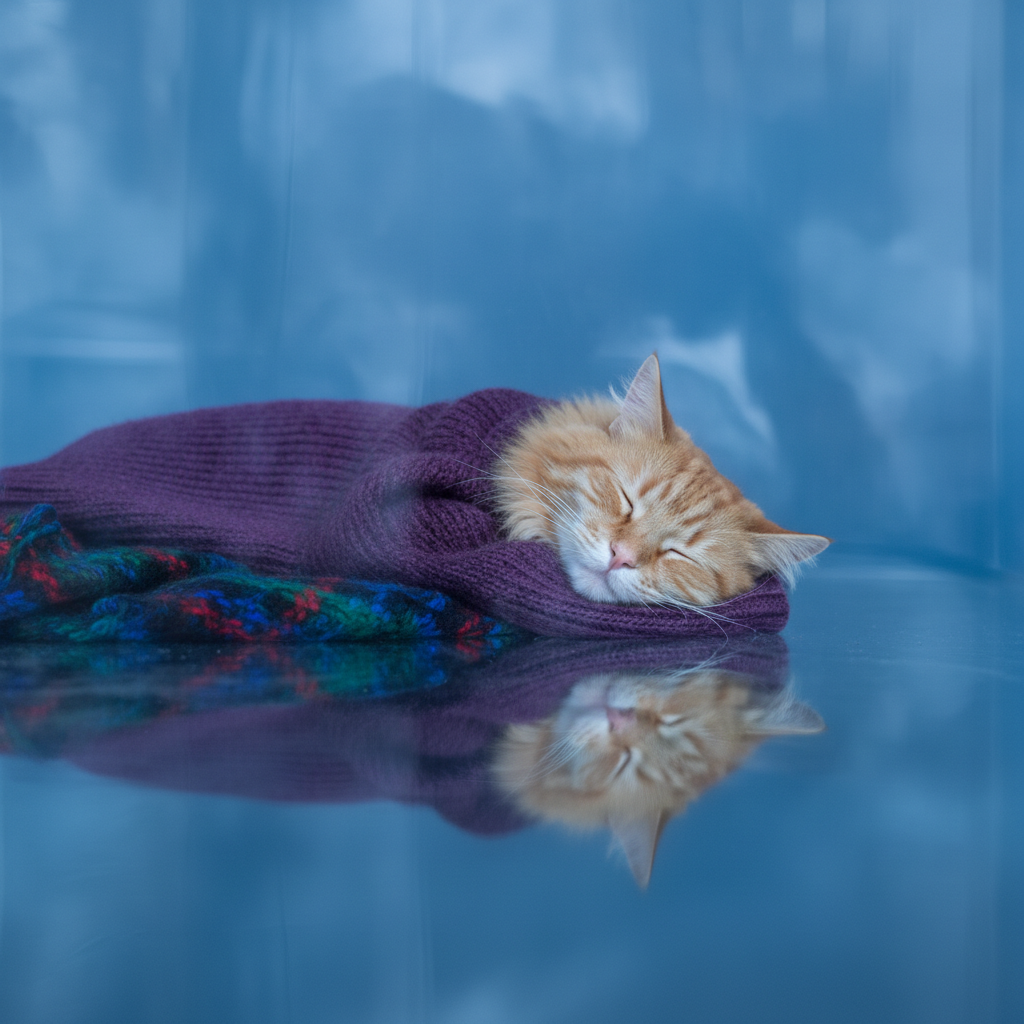
The material of your pet’s clothing can have a significant impact on their comfort and well-being. Natural fibers, like cotton, linen, and bamboo, are generally more breathable and absorbent than synthetic fibers, like polyester or nylon. This is especially important for pets who are prone to overheating or skin irritation.
However, synthetic fibers can be more durable and water-resistant, making them a good choice for outdoor gear, like raincoats or winter coats. The key is to choose high-quality synthetic fabrics that are designed to be breathable and comfortable.
Avoid clothing made from cheap, scratchy materials, as these can irritate your pet’s skin and cause discomfort. Look for soft, smooth fabrics that feel good against their fur.
And always wash your pet’s clothing regularly, using a mild, unscented detergent. This will help remove dirt, sweat, and allergens that can irritate their skin.
The Fit Factor: Measuring for Success
Proper fit is essential for both comfort and safety. Clothing that is too tight can restrict movement, cause chafing, and even cut off circulation. Clothing that is too loose can be a tripping hazard and can also get caught on objects.
To measure your pet for clothing, use a flexible measuring tape and follow these guidelines:
- Neck: Measure around the base of the neck, where the collar would normally sit.
- Chest: Measure around the widest part of the chest, just behind the front legs.
- Back Length: Measure from the base of the neck to the base of the tail.
When choosing a size, err on the side of slightly larger rather than too small. You can always take in clothing that is too big, but you can’t make clothing that is too small fit.
And always try on clothing before you buy it, if possible. This will allow you to see how it fits and how your pet moves in it. If you’re buying online, check the size chart carefully and read reviews from other customers.
The Accessorizing Angle: Collars, Leashes, and Beyond
Accessories can be a fun way to add personality to your pet’s look, but it’s important to choose them carefully. Collars and leashes should be comfortable, durable, and appropriate for your pet’s size and breed. Avoid collars that are too tight or that can easily be slipped off.
Harnesses can be a good alternative to collars, especially for dogs who tend to pull on the leash. A harness distributes the pressure more evenly across the chest, which can prevent injury to the neck and throat.
And let’s not forget about identification. Make sure your pet has a collar with an ID tag that includes their name, your contact information, and any relevant medical information. You should also consider microchipping your pet, as this is a permanent form of identification that can help them be reunited with you if they ever get lost.
Avoid accessories that are purely decorative and that serve no practical purpose. These can be uncomfortable, distracting, and even dangerous for your pet.
The Ethical Equation: Respecting Animal Autonomy
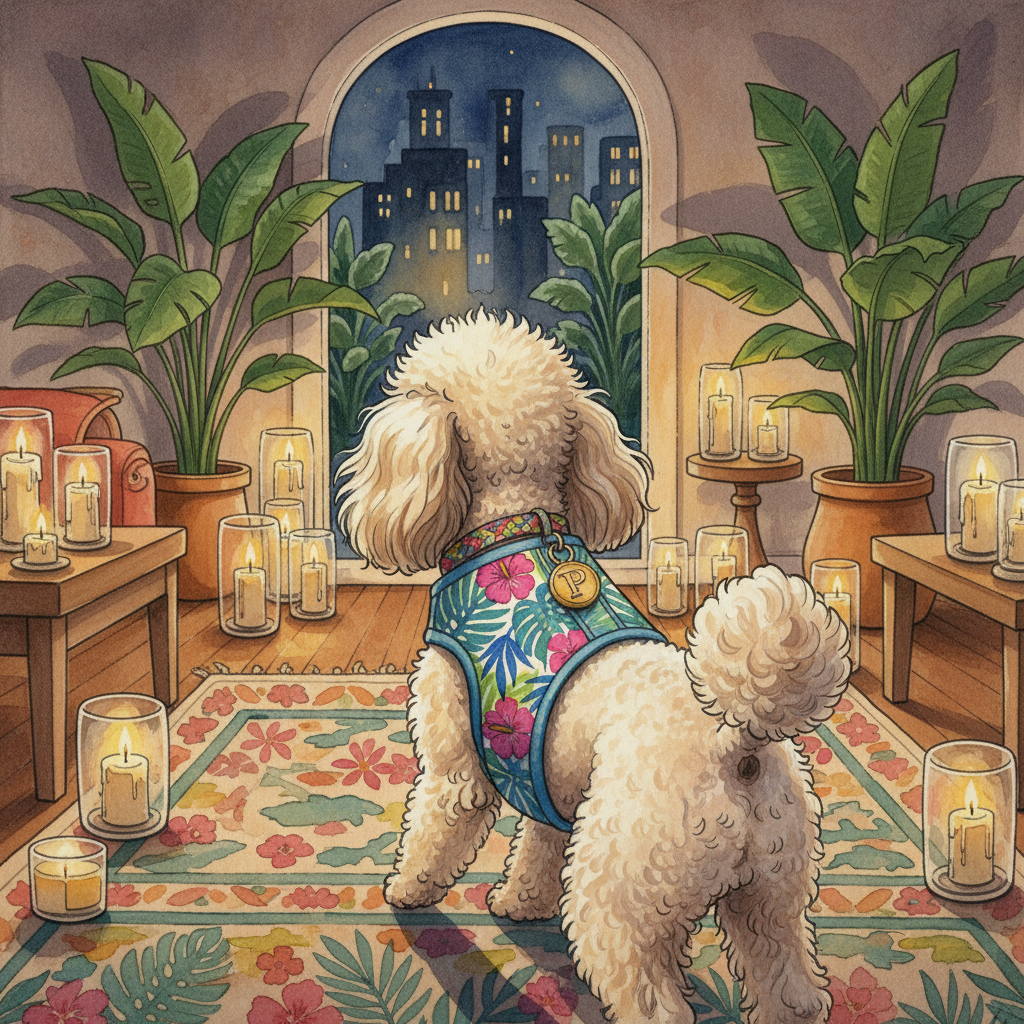
Ultimately, the decision of whether or not to dress your pet is a personal one. But it’s important to approach this decision with respect and consideration for your animal’s well-being. Remember, they are not dolls or toys; they are living, breathing creatures with their own unique needs and preferences.
If your pet seems uncomfortable or unhappy when wearing clothing, don’t force them to wear it. Respect their boundaries, and find other ways to express their personality.
And always be mindful of the potential risks and benefits of dressing your pet. Is it actually improving their quality of life, or is it simply serving your own ego? Are you prioritizing their comfort and safety, or are you simply chasing the latest fashion trends?
By approaching pet fashion with thoughtfulness, compassion, and a healthy dose of common sense, you can ensure that your furry, scaly, or feathered friend is both stylish and happy. It’s a delicate balance, but it’s one that is well worth striving for.
Beyond Trends: Building a Wardrobe That Works
Forget fleeting fads and disposable designs. The best pet wardrobes are built on a foundation of practicality, comfort, and timeless style. Think classic pieces that can be mixed and matched, durable materials that can withstand wear and tear, and a focus on functionality over pure aesthetics.
Start with the essentials: a well-fitting collar or harness, a durable leash, and a comfortable bed. Then, add a few key pieces that address your pet’s specific needs and lifestyle. A raincoat for rainy days, a warm coat for winter walks, and a set of protective booties for hot pavement or icy sidewalks.
From there, you can start to explore more fashionable options, but always keep comfort and practicality in mind. Choose clothing that is easy to put on and take off, that allows for a full range of motion, and that is made from breathable materials.
And don’t be afraid to get creative! DIY pet clothing can be a fun and rewarding way to express your own personal style and to create unique pieces that are perfectly tailored to your pet’s needs. There are tons of tutorials and patterns available online, and you can even upcycle old clothing to create new outfits for your furry friend.

Ultimately, dressing your pet is about more than just fashion. It’s about building a deeper connection with your animal, expressing your love and care, and creating a more enriching and fulfilling life for both of you. When done right, pet fashion can be a celebration of the unique bond between humans and animals. It’s a way to enhance their lives, not just decorate them. So, go forth, explore the world of pet couture, but always remember to prioritize your pet’s well-being above all else. After all, a happy pet is the best accessory of all.

Hi, my name is Robert Max, I live in the United States and I’m the creator of InTechNews. I started this blog with the goal of sharing reliable and practical information about pet care, helping pet owners provide a healthier and happier life for their animals. I’m passionate about animal well-being and believe that good information makes all the difference in responsible pet ownership.