
The Disconnect: When Affection Becomes Objectification
We love our pets. We shower them with affection, buy them toys, and often dress them up in adorable outfits. But where do we draw the line between loving companionship and unwitting objectification? When does our desire to project our own desires and fantasies onto our furry friends overshadow their inherent needs and well-being? It’s a question that sits uncomfortably at the intersection of human emotion and animal welfare, and one that demands a closer look.
The urge to anthropomorphize our pets is deeply ingrained. We see echoes of ourselves in their behaviors, project our emotions onto their expressions, and often treat them as surrogate children or companions. This isn’t inherently harmful; in fact, it’s often the foundation of the strong bond we share. However, problems arise when this anthropomorphism morphs into a disregard for their true nature, their unique needs, and their individual preferences. We begin to see them not as sentient beings with their own distinct identities, but as extensions of ourselves, as accessories to our lives.
Consider the Instagram phenomenon of pets dressed in elaborate costumes. While some animals may tolerate it with a degree of indifference, many others exhibit clear signs of stress and discomfort. The tight-fitting clothes, the restrictive headgear, the forced poses – all contribute to a sensory overload that can be deeply unsettling for creatures whose primary modes of communication rely on body language and scent. Are we truly considering their well-being, or are we simply seeking to garner likes and shares at their expense?
The Toyification of Living Beings
The issue extends beyond mere costumes. It permeates the way we often interact with our pets, the expectations we place upon them, and the very language we use to describe them. We talk about “playing” with our pets, but often the “play” is one-sided, dictated by our rules and desires. We expect them to perform tricks on command, to tolerate endless cuddles, and to suppress their natural instincts in favor of our convenience. In essence, we treat them as toys, objects designed for our amusement and gratification, rather than as living, breathing creatures with their own agency.
Take, for example, the trend of designer dog breeds. Pugs with their brachycephalic faces, Persian cats with their flattened noses – these animals are often bred for specific aesthetic traits, regardless of the detrimental impact on their health and well-being. They struggle to breathe, to regulate their body temperature, and to engage in normal activities. Is this an act of love, or an act of vanity? Are we truly prioritizing their happiness, or are we simply indulging in our desire to possess a “cute” and “fashionable” pet?

The language we use also plays a crucial role. We often refer to our pets as “fur babies” or “companions,” which can be endearing, but can also obscure the reality of their existence. While they may share our lives and provide us with unwavering affection, they are not human. They have different needs, different perspectives, and different ways of experiencing the world. To truly respect them, we must acknowledge their inherent differences and strive to understand them on their own terms.
Empathy and Understanding: Seeing Beyond the Cuteness
The antidote to the “toyification” of our pets lies in cultivating empathy and understanding. It requires us to move beyond our anthropocentric worldview and to recognize the intrinsic value of each animal as an individual. It means paying attention to their body language, respecting their boundaries, and prioritizing their needs above our own desires.
This begins with education. Learning about the specific needs of your pet’s breed, understanding their natural behaviors, and recognizing the signs of stress and discomfort are crucial steps. Researching responsible breeders who prioritize the health and well-being of their animals is also essential. Avoid supporting breeders who perpetuate harmful genetic traits or who prioritize aesthetics over functionality.
Observe your pet closely. What makes them happy? What makes them anxious? What are their preferred ways of interacting with you and the world around them? Pay attention to their subtle cues – the twitch of an ear, the flick of a tail, the narrowing of their eyes. These are all important indicators of their emotional state.
Building a Relationship Based on Respect
Building a strong and healthy relationship with your pet requires a shift in perspective. Instead of focusing on what they can do for you, focus on what you can do for them. Provide them with a stimulating environment, opportunities for exercise and play, and plenty of positive reinforcement. Respect their boundaries and allow them to express their natural behaviors.
For example, a cat who is constantly being picked up and cuddled against their will may develop anxiety and aggression. A dog who is forced to wear uncomfortable clothing may become withdrawn and depressed. By respecting their preferences and allowing them to express their individuality, you can foster a relationship built on trust and mutual respect.
Think about the “play” sessions you have with your pet. Are they truly enjoying themselves, or are they simply tolerating your actions? Are you forcing them to participate in activities that they find stressful or overwhelming? Consider alternative forms of play that are more enriching and less demanding. For example, puzzle toys can provide mental stimulation for dogs, while interactive games can encourage cats to engage in their natural hunting instincts.
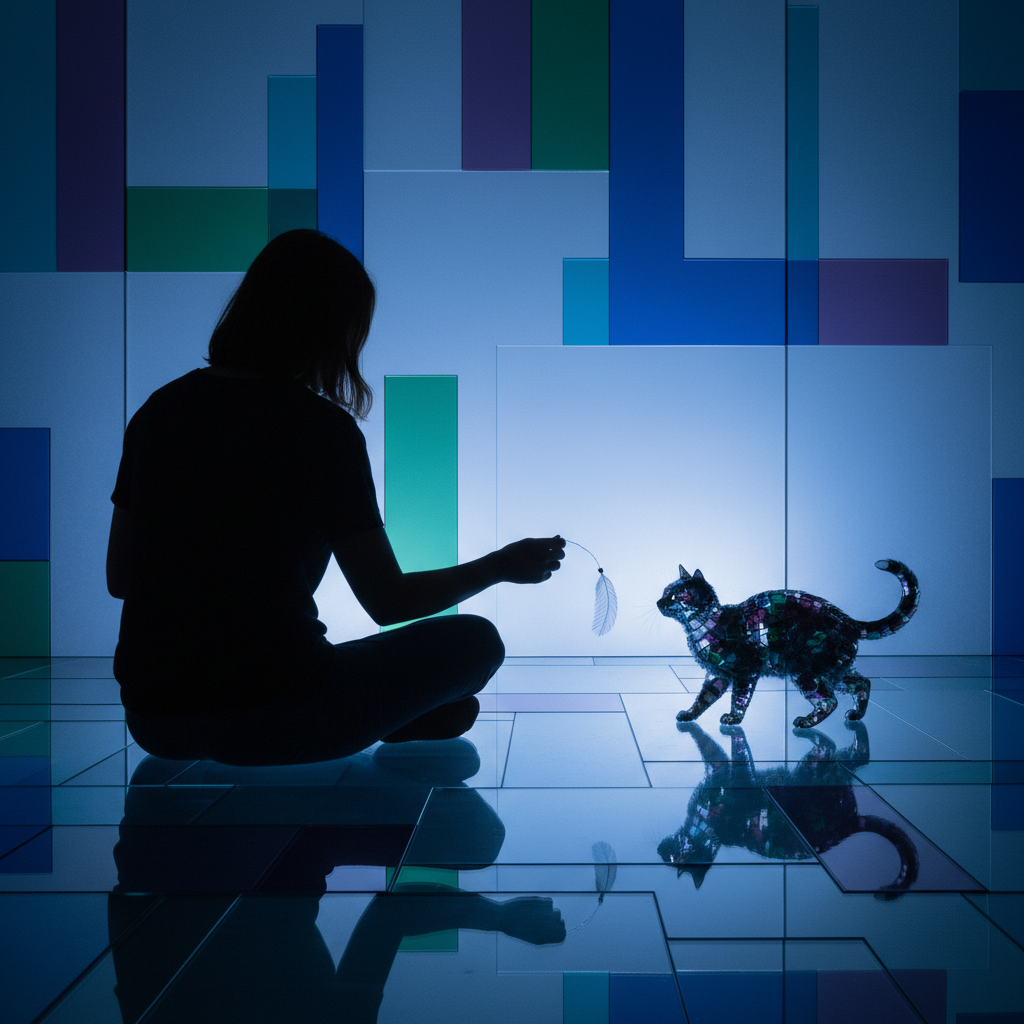
Furthermore, consider the impact of social media. While sharing photos and videos of your pet can be a fun way to connect with other animal lovers, it’s important to be mindful of the message you’re sending. Avoid posting content that exploits your pet’s discomfort or that promotes unrealistic expectations about animal behavior. Instead, focus on showcasing their unique personality and celebrating their individuality.
The Ethical Implications: A Broader Perspective
The issue of “toyifying” our pets extends beyond individual relationships. It raises broader ethical questions about our treatment of animals in general. Are we truly respecting their inherent rights and dignity, or are we simply exploiting them for our own benefit?
The pet industry, with its emphasis on designer breeds, elaborate costumes, and expensive accessories, often perpetuates the objectification of animals. It encourages us to see them as commodities, as status symbols, rather than as sentient beings with their own intrinsic value. By supporting ethical breeders, purchasing responsibly made products, and advocating for animal welfare, we can help to create a more compassionate and just world for all creatures.
Consider the conditions in which many animals are bred and raised. Puppy mills, factory farms, and other intensive breeding facilities often prioritize profit over animal welfare. Animals are confined to cramped and unsanitary conditions, deprived of basic necessities, and subjected to inhumane treatment. By choosing to adopt from shelters or rescue organizations, we can help to combat these cruel practices and provide loving homes for animals in need.
Beyond Ownership: Stewardship and Responsibility
Perhaps the most important shift we can make is to move away from the concept of “ownership” and towards a model of stewardship and responsibility. Owning a pet implies a sense of dominion and control, while stewardship suggests a commitment to caring for and protecting another living being. As stewards, we have a moral obligation to provide our pets with the best possible life, to respect their individuality, and to advocate for their well-being.
This includes making difficult decisions, such as euthanizing a pet who is suffering from a terminal illness. While it can be incredibly painful to say goodbye, it is often the most compassionate choice we can make. It means putting their needs above our own desire to keep them with us, even if it means relieving them of their pain and suffering.
Ultimately, the way we treat our pets reflects our values and our understanding of the world. By cultivating empathy, understanding, and respect, we can transform our relationships with animals from ones of ownership to ones of genuine companionship. We can move beyond the superficiality of “cuteness” and appreciate the depth and complexity of their being. We can recognize that our pets are not toys, but living, breathing creatures who deserve our love, respect, and protection.

Challenging the Status Quo: Practical Steps for Change
Changing ingrained habits and societal norms requires conscious effort and a willingness to challenge the status quo. Here are some practical steps we can take to move away from the “toyification” of our pets and foster more ethical and respectful relationships:
- Educate Yourself: Continuously learn about your pet’s specific needs, breed characteristics, and behavioral patterns. Read books, articles, and consult with veterinary professionals to gain a deeper understanding of their world.
- Observe and Listen: Pay close attention to your pet’s body language and subtle cues. Learn to recognize signs of stress, discomfort, and anxiety. Respect their boundaries and allow them to communicate their needs.
- Re-evaluate Your Playtime: Ensure that your play sessions are enriching and enjoyable for your pet. Avoid forcing them to participate in activities they dislike. Offer a variety of toys and games that stimulate their mind and body.
- Choose Ethical Products: Support companies that prioritize animal welfare and sustainability. Avoid purchasing products that exploit animals or that contribute to harmful environmental practices.
- Advocate for Change: Speak out against animal cruelty and exploitation. Support organizations that are working to improve animal welfare. Educate others about the importance of respecting animals.
- Adopt, Don’t Shop: Consider adopting a pet from a shelter or rescue organization. Provide a loving home for an animal in need and help to combat the cruel practices of puppy mills and other intensive breeding facilities.
- Challenge Anthropomorphism: While it’s natural to project our emotions onto our pets, be mindful of the potential for misunderstanding. Strive to see them as individuals with their own unique needs and perspectives.
The Power of Conscious Consumption
Our purchasing power has a significant impact on the animal welfare industry. By making conscious choices about the products we buy and the services we support, we can help to create a more ethical and sustainable system. Choose pet food brands that use high-quality ingredients and that are committed to responsible sourcing. Avoid purchasing accessories that are purely decorative or that may compromise your pet’s comfort and well-being.
Consider the environmental impact of your pet ownership. Reduce your carbon footprint by choosing eco-friendly pet products and by adopting sustainable practices in your home. Dispose of pet waste responsibly and avoid using harmful chemicals that could contaminate the environment.
By embracing a more conscious and responsible approach to pet ownership, we can create a world where animals are treated with respect, dignity, and compassion. We can move beyond the superficiality of “cuteness” and appreciate the inherent value of all living beings.
A Future of Respect and Understanding
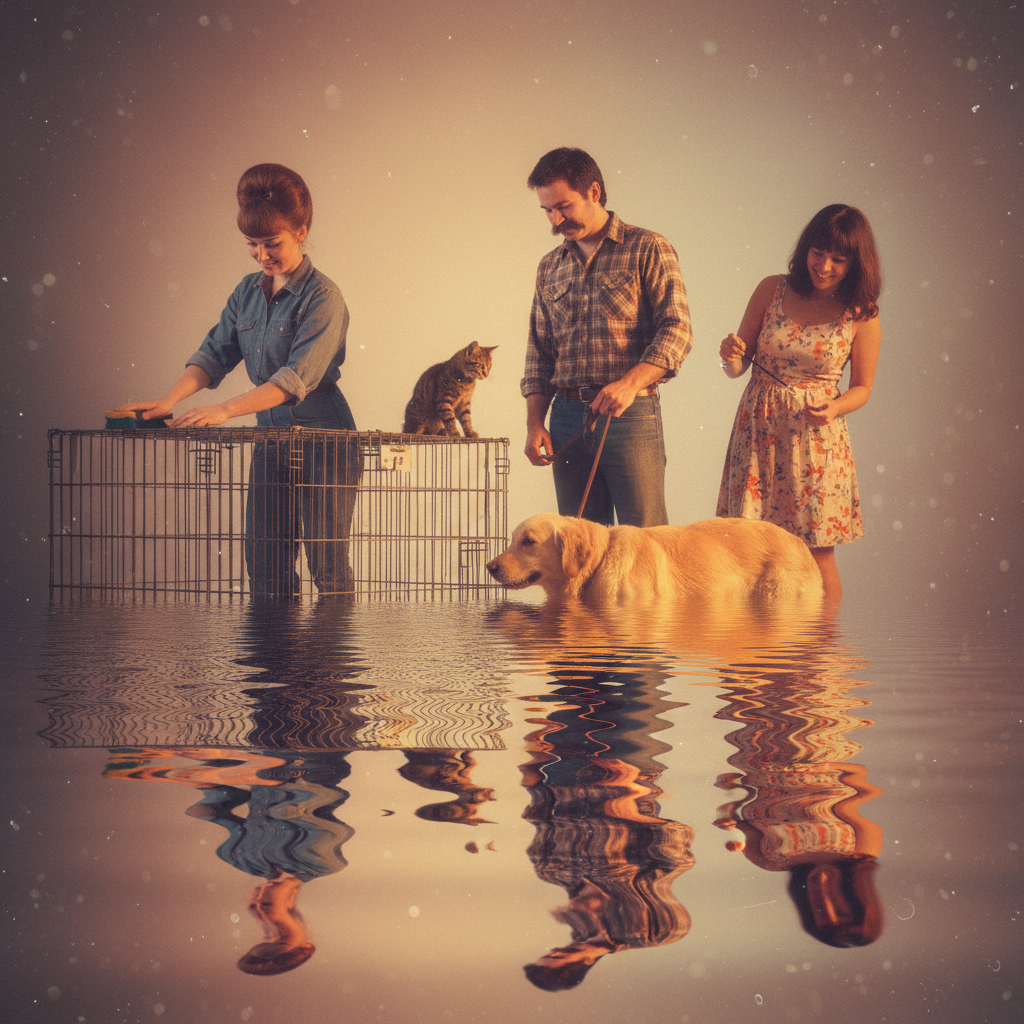
The journey towards a more ethical and compassionate relationship with our pets is an ongoing process. It requires constant reflection, continuous learning, and a willingness to challenge our own assumptions and biases. But the rewards are immeasurable. By treating our pets with respect, understanding, and love, we not only enrich their lives, but we also enrich our own. We create a bond that is based on mutual trust, genuine affection, and a shared appreciation for the beauty and wonder of the natural world.
Let us strive to create a future where all animals are treated with dignity and respect, where their needs are prioritized above our own desires, and where the “toyification” of living beings is a distant memory. Let us embrace a vision of stewardship and responsibility, where we recognize our moral obligation to protect and care for all creatures who share our planet.
Ultimately, our relationship with our pets is a reflection of our humanity. By treating them with kindness and compassion, we not only improve their lives, but we also elevate our own. We become more empathetic, more understanding, and more connected to the world around us. And in doing so, we create a more just and compassionate world for all.

Hi, my name is Robert Max, I live in the United States and I’m the creator of InTechNews. I started this blog with the goal of sharing reliable and practical information about pet care, helping pet owners provide a healthier and happier life for their animals. I’m passionate about animal well-being and believe that good information makes all the difference in responsible pet ownership.