
The Unspoken Rules of Pet Fashion: Are You a Culprit?
We love our pets. We shower them with affection, the best food, comfortable beds, and yes, even clothing. But have you ever stopped to consider if you’re actually dressing your furry friend *correctly*? It’s a question that often goes unasked, a silent fashion faux pas that many pet owners commit, often unknowingly. We see the adorable outfits in stores, the online ads promising irresistible cuteness, and we jump at the chance to adorn our beloved companions. But are we truly considering their comfort, safety, and overall well-being, or are we simply projecting our own fashion desires onto them?
The truth is, pet fashion is more nuanced than simply slapping a sweater on your dog and calling it a day. It’s about understanding your pet’s individual needs, breed characteristics, and sensitivities. It’s about prioritizing their health and happiness above fleeting trends. Are you guilty of dressing your pet the wrong way? Let’s delve into the common mistakes and the golden rules of pet fashion to ensure your furry friend is both stylish and comfortable.
The Comfort Conundrum: Prioritizing Function Over Fashion
The first, and perhaps most critical, mistake many pet owners make is prioritizing aesthetics over functionality. That sparkly tutu might look absolutely darling on your chihuahua, but is it actually comfortable? Can she move freely? Does it restrict her breathing or irritate her skin? These are crucial questions to ask before making any purchase. Remember, your pet didn’t ask to be a fashion icon. Their primary needs are comfort, safety, and the ability to move without restriction.
Consider the fabric. Is it breathable? Natural fibers like cotton are generally a safe bet, especially for pets with sensitive skin. Avoid synthetic materials that can trap heat and moisture, leading to skin irritation and discomfort. Think about the fit. Clothing that is too tight can restrict movement, impede circulation, and even cause pain. Conversely, clothing that is too loose can be a tripping hazard. The goal is to find clothing that fits snugly but allows for a full range of motion.
Take, for example, a long-haired Persian cat. While a thick, woolen sweater might seem cozy, it could actually cause the cat to overheat and become matted. A better option would be a lightweight, breathable cotton vest that provides a touch of warmth without compromising their comfort.
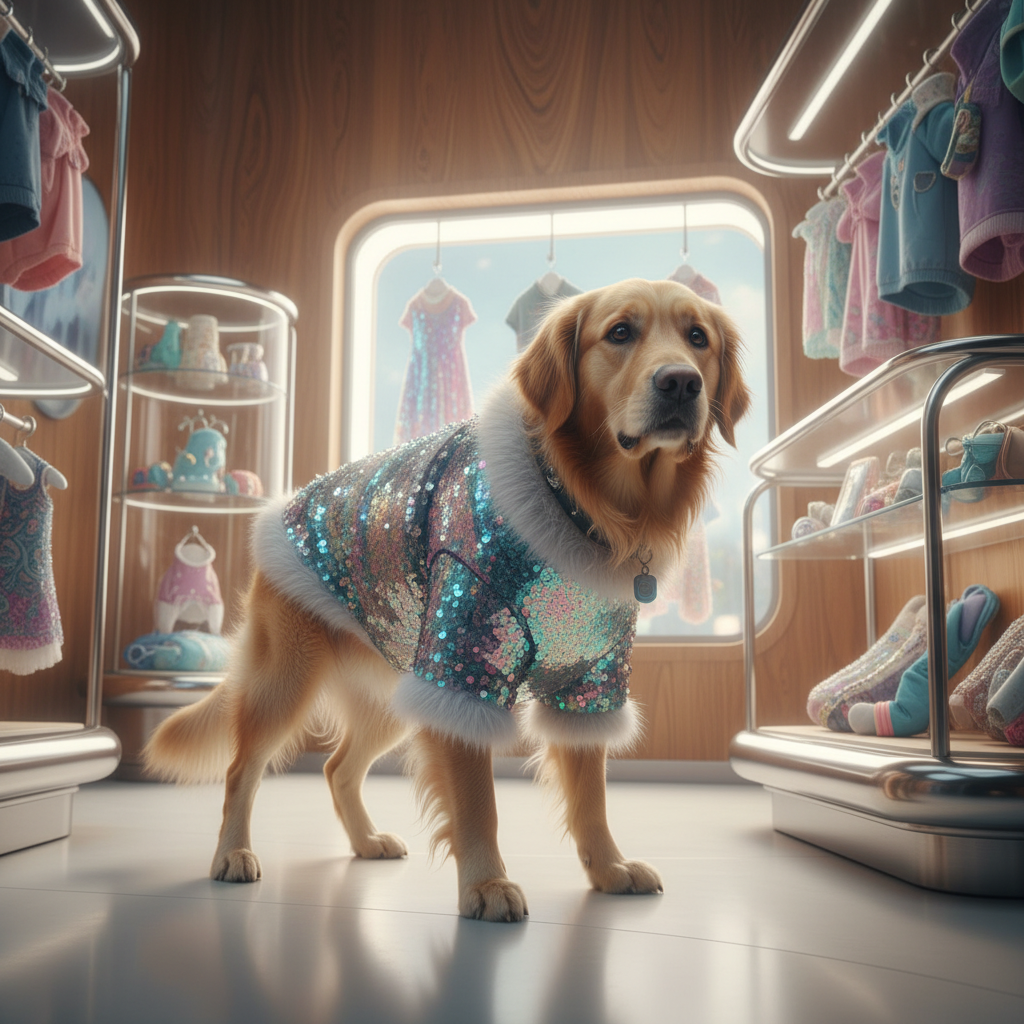
The Breed Barrier: Understanding Specific Needs
Different breeds have different needs when it comes to clothing. A short-haired breed like a Greyhound, for instance, might benefit from a warm coat in cold weather, as they lack the natural insulation of a long-haired breed. However, a Siberian Husky, with its thick double coat, would likely overheat in the same coat. Understanding your pet’s breed characteristics is crucial for making informed clothing choices.
Brachycephalic breeds, such as Pugs and Bulldogs, are particularly susceptible to breathing difficulties. Avoid clothing that is tight around the neck or chest, as this can further restrict their already compromised airways. Opt for harnesses instead of collars, and choose clothing made from lightweight, breathable materials.
Consider the activity level of your pet. A highly active dog who loves to run and play will need clothing that is durable and allows for a full range of motion. A more sedentary cat might appreciate a cozy sweater for lounging around the house. Tailor your clothing choices to your pet’s individual lifestyle and activity level.
The Safety Snags: Avoiding Potential Hazards
Safety should always be a top priority when choosing clothing for your pet. Avoid clothing with small, detachable parts that could be a choking hazard. Buttons, beads, and zippers can all pose a risk if ingested. Ensure that any embellishments are securely attached and made from non-toxic materials.
Be mindful of potential entanglement hazards. Long straps, dangling ribbons, and loose threads can get caught on furniture or other objects, leading to injury. Opt for clothing with a streamlined design and minimal embellishments. Reflective strips can be a great addition for nighttime walks, increasing your pet’s visibility and safety.
One common mistake is leaving clothing on your pet unattended for extended periods. Pets can easily get tangled in their clothing, especially while sleeping or playing. Always supervise your pet while they are wearing clothing and remove it when you are not able to supervise them.
Decoding the Dogma: Common Pet Fashion Misconceptions
The world of pet fashion is rife with misconceptions, often fueled by marketing hype and unrealistic expectations. Let’s debunk some of the most common myths and shed light on the realities of dressing your furry friend.
Myth 1: All Pets Love to Wear Clothes
This is perhaps the biggest misconception of all. While some pets may tolerate wearing clothing, others absolutely despise it. Forcing your pet to wear clothing against their will can lead to stress, anxiety, and even behavioral problems. Pay attention to your pet’s body language. If they are constantly trying to remove the clothing, hiding, or exhibiting signs of distress, it’s a clear indication that they don’t enjoy wearing it. Respect their preferences and don’t force them to do something they don’t like.
Introduce clothing gradually and positively. Start with short periods of wear and reward your pet with treats and praise. If they still resist, don’t push it. There are plenty of other ways to show your pet love and affection without resorting to clothing.
Myth 2: The More Elaborate, the Better
Elaborate costumes and intricate designs might look impressive, but they are often uncomfortable and impractical for pets. Remember, your pet’s comfort should always be the top priority. Simple, functional clothing is often the best choice. Avoid clothing with excessive embellishments, tight-fitting designs, and restrictive fabrics.
Think about the purpose of the clothing. Is it for warmth, protection from the elements, or simply for aesthetic appeal? Choose clothing that serves a practical purpose and avoid anything that is purely decorative. Your pet will thank you for it.
Myth 3: Human Fashion Trends Translate Directly to Pets
Just because a certain style is trendy for humans doesn’t mean it will work for pets. Pets have different body shapes, sensitivities, and needs than humans. Trying to force human fashion trends onto your pet can result in uncomfortable, impractical, and even dangerous clothing choices.
Instead of blindly following trends, focus on finding clothing that is specifically designed for pets. Look for features like adjustable straps, breathable fabrics, and comfortable fits. Consult with a veterinarian or pet fashion expert for advice on choosing the right clothing for your pet.
The Golden Rules of Pet Fashion: A Practical Guide
So, how can you ensure that you’re dressing your pet correctly? Here are some golden rules to follow:
Rule 1: Prioritize Comfort and Safety Above All Else
This rule cannot be emphasized enough. Your pet’s comfort and safety should always be the top priority. Choose clothing that is made from breathable fabrics, fits properly, and allows for a full range of motion. Avoid clothing with small, detachable parts that could be a choking hazard.
Rule 2: Know Your Breed
Different breeds have different needs when it comes to clothing. Research your pet’s breed characteristics and choose clothing that is appropriate for their specific needs. Consider factors like coat type, body shape, and activity level.
Rule 3: Observe Your Pet’s Body Language
Pay attention to your pet’s body language when they are wearing clothing. If they are exhibiting signs of discomfort, stress, or anxiety, remove the clothing immediately. Respect your pet’s preferences and don’t force them to do something they don’t like.
Rule 4: Introduce Clothing Gradually and Positively
Don’t expect your pet to immediately love wearing clothing. Introduce it gradually and positively. Start with short periods of wear and reward your pet with treats and praise. If they resist, don’t push it. Patience is key.
Rule 5: Supervise Your Pet While They Are Wearing Clothing
Never leave your pet unattended while they are wearing clothing. Pets can easily get tangled in their clothing, especially while sleeping or playing. Always supervise your pet and remove the clothing when you are not able to supervise them.
Beyond the Basics: Advanced Pet Fashion Considerations
Once you’ve mastered the basics of pet fashion, you can start to explore more advanced considerations. This includes understanding the ethical implications of pet fashion, choosing sustainable and eco-friendly options, and even creating your own custom designs.
Ethical Considerations: Ensuring Responsible Practices
The pet fashion industry, like any other industry, has ethical implications. It’s important to consider where your pet’s clothing comes from and how it is made. Choose brands that prioritize fair labor practices and sustainable materials. Avoid supporting companies that exploit workers or harm the environment.
Consider the impact of your purchasing decisions on animal welfare. Avoid buying clothing made from animal fur or other materials that may have been obtained through cruel or unethical practices. Opt for cruelty-free alternatives and support organizations that promote animal welfare.
Sustainable and Eco-Friendly Options: Protecting the Planet
The fashion industry is a major contributor to environmental pollution. Choose sustainable and eco-friendly options whenever possible. Look for clothing made from organic cotton, recycled materials, or other sustainable fabrics. Support brands that are committed to reducing their environmental impact.
Consider buying secondhand clothing for your pet. Thrift stores and online marketplaces are great places to find gently used pet clothing at affordable prices. This is a great way to reduce waste and save money.
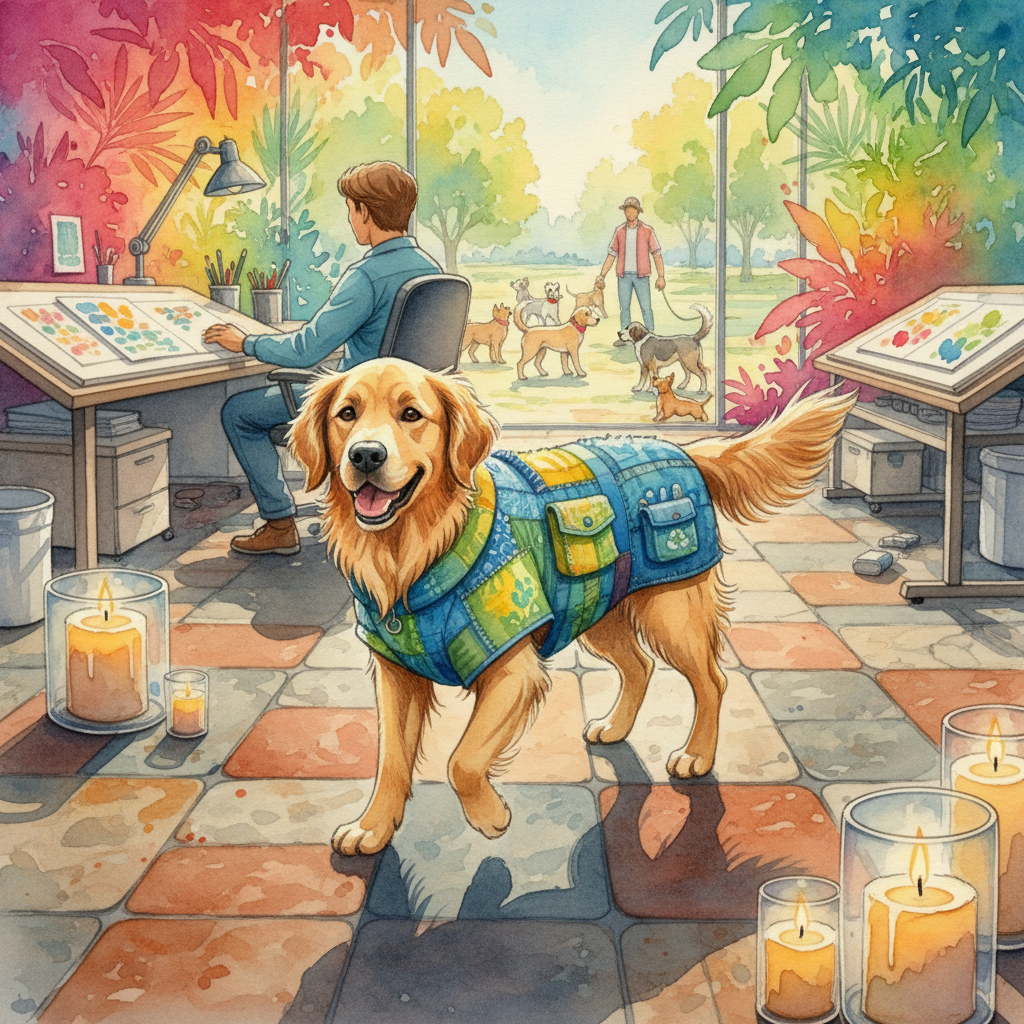
Custom Designs: Expressing Your Creativity
If you’re feeling creative, you can even create your own custom designs for your pet. This is a great way to express your personal style and create unique clothing that perfectly fits your pet’s individual needs. You can sew your own clothing, knit sweaters, or even upcycle old clothes into new creations for your furry friend.
There are countless resources available online and in libraries to help you get started with pet fashion design. You can find patterns, tutorials, and inspiration from other pet fashion enthusiasts. The possibilities are endless!
The Final Stitch: Dressing Your Pet with Love and Respect
Ultimately, the goal of pet fashion should be to enhance your pet’s well-being and strengthen your bond with them. By prioritizing comfort, safety, and ethical considerations, you can ensure that you’re dressing your pet with love and respect. Remember, your pet is a member of your family, and they deserve to be treated with kindness and compassion. Don’t let fleeting trends or societal pressures dictate your choices. Instead, focus on what is best for your individual pet and create a wardrobe that reflects their unique personality and needs. Let’s choose garments that allow our pets to thrive, not just survive, in the world of pet fashion.

So, the next time you’re tempted to buy that ridiculously oversized hat or those sparkly shoes for your pet, take a moment to pause and reflect. Ask yourself: is this truly in my pet’s best interest? Am I prioritizing their comfort and safety above all else? If the answer is no, then perhaps it’s time to reconsider your approach to pet fashion and embrace a more mindful and compassionate approach. Your pet will thank you for it.

Hi, my name is Robert Max, I live in the United States and I’m the creator of InTechNews. I started this blog with the goal of sharing reliable and practical information about pet care, helping pet owners provide a healthier and happier life for their animals. I’m passionate about animal well-being and believe that good information makes all the difference in responsible pet ownership.