
The Unspoken Language of Our Furry Friends
We dress them up, feed them gourmet meals, and shower them with affection. We call them our fur babies, our companions, our family. But how often do we truly listen to what our pets are trying to tell us, beyond the barks, meows, and chirps? We project our own desires and interpretations onto their actions, often assuming silence equals consent or agreement. But is that really the case? The truth is far more nuanced, a complex interplay of instinct, communication, and the uniquely strong bond we share with our animal companions. This connection, however, can be easily misconstrued if we are not careful.
Think about it. How often have you put a sweater on your dog on a chilly day, assuming they appreciate the extra warmth, only to find them subtly resisting, perhaps by walking stiffly or trying to wriggle out of it? Or perhaps your cat tolerates a new, elaborate cat tree, but never actually uses it, preferring the old, worn-out cardboard box instead. Their silence, in these instances, isn’t agreement. It’s often resignation, or a quiet plea for something different. Do we really respect their silent desires?
Understanding Subtleties in Pet Behavior
Pets communicate in ways that often go unnoticed by their human companions. They utilize a wide range of subtle cues, including body language, facial expressions, and vocalizations, to express their needs and preferences. Recognizing these nuances is crucial for fostering a healthy and respectful relationship with your pet.
For example, a dog might yawn frequently when feeling anxious or stressed, not necessarily because they are tired. A cat’s slow blink can indicate contentment and trust, while flattened ears often signal fear or aggression. These subtle cues are often overlooked, leading to misunderstandings and potentially causing distress for the animal.
Consider the case of a family who dressed their cat, Mittens, in a variety of elaborate costumes for social media content. Mittens never protested overtly, but her ears were often flattened, her tail tucked between her legs, and she would frequently groom excessively after the photoshoots. The family interpreted her silence as tolerance, even amusement. However, a closer look revealed that Mittens was likely experiencing significant stress and discomfort. By ignoring her subtle cues, the family was prioritizing their own entertainment over Mittens’ well-being.
The Illusion of Control and Consent
We often operate under the illusion that we have complete control over our pets’ lives. We dictate what they eat, where they sleep, and how they spend their time. While responsible pet ownership necessitates providing structure and care, it’s essential to avoid imposing our will on them without considering their individual needs and preferences.
The concept of consent, while complex in human relationships, also applies to our interactions with animals. Forcing a pet into a situation they are clearly uncomfortable with, such as prolonged cuddling when they are trying to leave, or putting them in clothing that restricts their movement, is a violation of their autonomy.
It’s easy to fall into the trap of anthropomorphism, attributing human emotions and motivations to animals. We might assume that a dog enjoys being hugged tightly, simply because we enjoy it. However, many dogs find hugs constricting and prefer a gentle pat or scratch instead. Recognizing these differences and respecting their personal space is vital for building a trusting relationship.

Beyond the Bark: Deciphering Pet Communication
Effective communication with our pets goes far beyond simply understanding their basic commands. It requires actively listening to their subtle cues, observing their body language, and paying attention to their individual personalities.
Imagine you’re trying to teach your dog a new trick. You might become frustrated when they don’t immediately grasp the concept, resorting to repetition and louder commands. However, have you considered that your dog might be struggling because they are uncomfortable with the training environment, feeling pressured, or simply not understanding your instructions clearly? Instead of pushing harder, taking a step back, reassessing your approach, and creating a more positive and relaxed atmosphere can significantly improve the learning process.
Case Study: The Reluctant Walker
Consider the case of a dog named Buster, who suddenly started resisting going for walks, a behavior that was completely out of character. His owner, initially frustrated, assumed Buster was simply being stubborn. However, upon closer observation, the owner noticed that Buster was limping slightly and seemed hesitant to put weight on his left front paw. A trip to the veterinarian revealed a minor injury, which was causing Buster pain and discomfort during walks. By paying attention to Buster’s subtle cues and not simply attributing his reluctance to stubbornness, the owner was able to identify the underlying issue and provide appropriate care.
The Importance of Environmental Enrichment
A pet’s environment plays a significant role in their overall well-being. Providing opportunities for mental and physical stimulation is crucial for preventing boredom, reducing stress, and promoting healthy behavior.
Consider the case of a cat who is constantly scratching furniture. Instead of simply scolding the cat, providing alternative scratching posts in various locations around the house can redirect their behavior. Additionally, offering interactive toys and puzzle feeders can keep them mentally engaged and prevent destructive behaviors. Similarly, for dogs, providing regular exercise, opportunities for socialization, and engaging toys can significantly improve their quality of life.
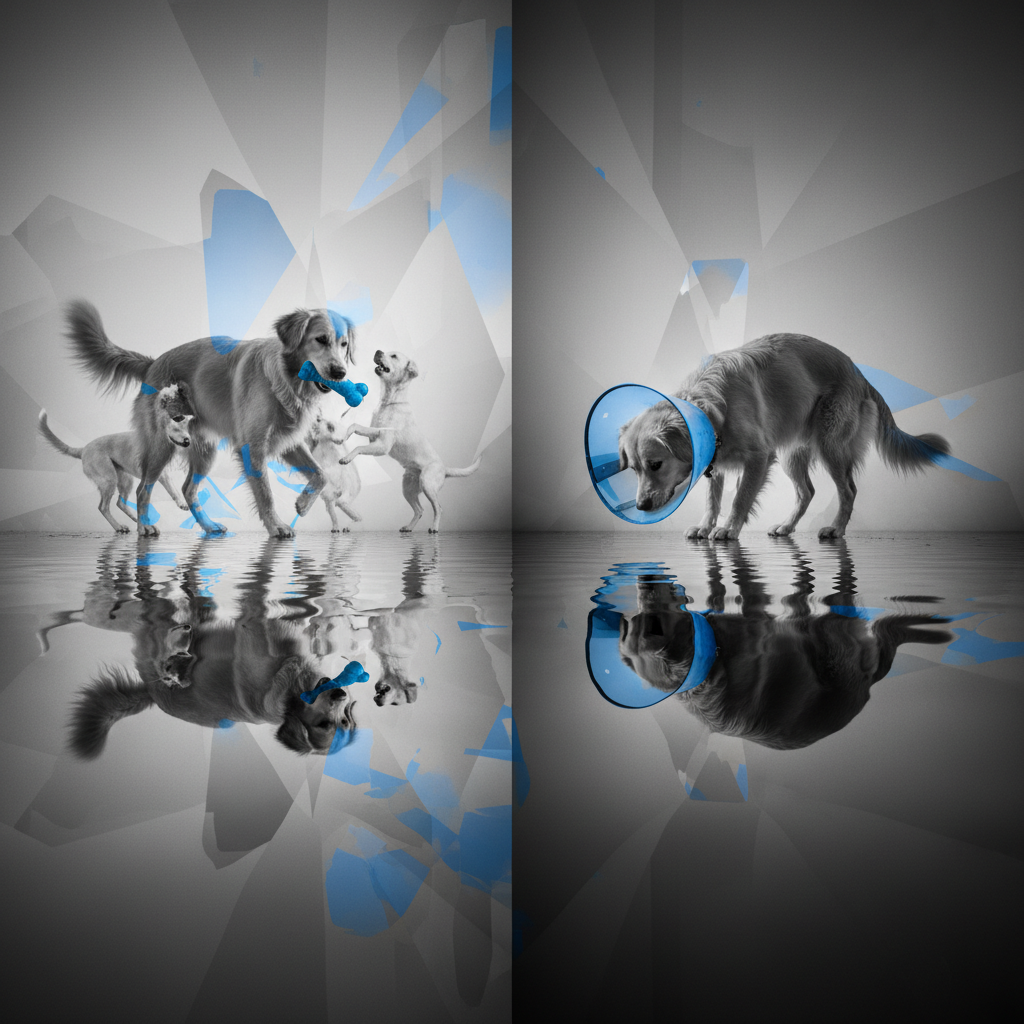
Clothing, Comfort, and Canine Consent
The pet clothing industry is booming, with a seemingly endless array of outfits, accessories, and costumes available for our furry friends. While dressing up our pets can be fun and entertaining for us, it’s crucial to consider whether they actually enjoy it, or if they are simply tolerating it for our sake.
Is that adorable sweater truly keeping your dog warm and cozy, or is it restricting their movement and causing them discomfort? Is that fancy hat making your cat feel stylish, or is it simply an annoying object perched on their head? The answer lies in observing their body language and paying attention to their subtle cues.
The Ethics of Pet Fashion
Before dressing your pet in any garment, consider the following factors:
* Fit and Comfort: Ensure that the clothing fits properly and doesn’t restrict their movement. Avoid garments that are too tight, too loose, or have irritating seams or embellishments.
* Material: Choose breathable, non-toxic materials that won’t irritate their skin.
* Weather Conditions: Dress your pet appropriately for the weather. A lightweight sweater might be suitable for a chilly day, but a heavy coat could be overheating in warmer temperatures.
* Individual Preferences: Pay attention to your pet’s individual preferences. Some pets might enjoy wearing clothing, while others might find it stressful or uncomfortable.
Remember, your pet’s comfort and well-being should always be the top priority. If they show any signs of discomfort, such as flattened ears, tucked tail, excessive grooming, or resistance to movement, remove the clothing immediately.
Beyond Aesthetics: Functional Clothing
While fashion-forward pet clothing might be appealing, there are also instances where clothing can serve a functional purpose. For example, a raincoat can protect your dog from the rain, keeping them dry and comfortable during walks. A cooling vest can help prevent overheating in hot weather. And a recovery suit can protect wounds and prevent licking after surgery. However, even with functional clothing, it’s crucial to ensure a proper fit and monitor your pet for any signs of discomfort.

The Silent Agreement: Building Trust and Respect
Building a strong and trusting relationship with your pet requires more than just providing food, shelter, and affection. It requires actively listening to their needs, respecting their boundaries, and understanding their unique communication style.
The Power of Positive Reinforcement
Positive reinforcement is a powerful tool for shaping your pet’s behavior and strengthening your bond. Rewarding desired behaviors with treats, praise, or attention encourages them to repeat those behaviors in the future. Avoid using punishment or harsh training methods, as these can create fear, anxiety, and distrust.
Imagine you’re trying to teach your dog to sit. Instead of yelling at them when they don’t immediately comply, rewarding them with a treat and enthusiastic praise when they finally sit will create a positive association with the command and make them more likely to repeat the behavior in the future.
Creating a Safe and Supportive Environment
A safe and supportive environment is essential for your pet’s emotional well-being. Provide them with a comfortable and secure space where they can retreat when they feel overwhelmed or stressed. Avoid exposing them to loud noises, stressful situations, or aggressive interactions.
Consider the case of a cat who is easily startled by loud noises. Providing them with a quiet and secluded room where they can retreat during thunderstorms or fireworks can significantly reduce their anxiety.
The Long Game: Patience and Understanding
Building a strong and trusting relationship with your pet takes time, patience, and understanding. There will be times when you misinterpret their cues, make mistakes, or feel frustrated. However, by remaining open to learning, actively listening to their needs, and consistently showing them love and respect, you can create a bond that is built on mutual trust and understanding.
Remember that every pet is an individual with their own unique personality, preferences, and communication style. What works for one pet might not work for another. Be patient, be observant, and be willing to adapt your approach to meet their individual needs.

Beyond Words: The Profound Connection
Our relationships with our pets are often deeper and more meaningful than words can express. They offer us unconditional love, companionship, and a sense of purpose. In return, we have a responsibility to provide them with the best possible care, to listen to their needs, and to respect their autonomy.
By recognizing that silence doesn’t always equal agreement, by actively listening to their subtle cues, and by prioritizing their comfort and well-being, we can foster a deeper, more meaningful connection with our furry friends. This connection is built on mutual trust, respect, and a profound understanding of the unspoken language that binds us together. It’s a language of gentle touches, knowing glances, and unwavering loyalty. And in that language, true communication thrives.
It’s about recognizing that their needs are just as valid and important as our own, and striving to create a life together that is filled with joy, love, and mutual respect. It is a journey of understanding, patience, and above all, compassion.

Hi, my name is Robert Max, I live in the United States and I’m the creator of InTechNews. I started this blog with the goal of sharing reliable and practical information about pet care, helping pet owners provide a healthier and happier life for their animals. I’m passionate about animal well-being and believe that good information makes all the difference in responsible pet ownership.