
The Great Pet Fashion Debate: Who’s Really Calling the Shots?
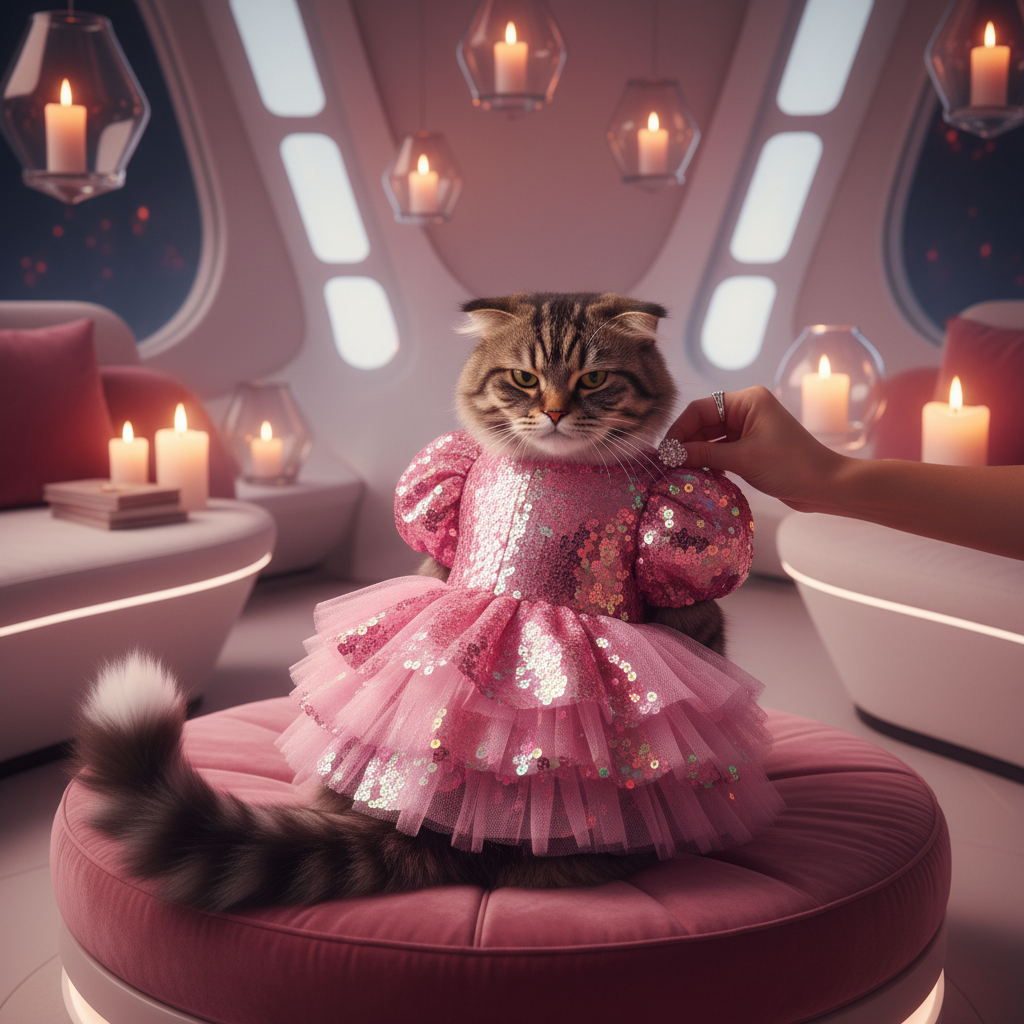
We’ve all seen them: the Chihuahuas in tutus, the poodles in parkas, the cats… well, sometimes even the cats, begrudgingly squeezed into sweaters. Pet clothing has exploded in popularity, transforming our furry companions into miniature fashion plates. But as we scroll through endless adorable Instagram posts, a crucial question bubbles to the surface: Are we dressing our pets for their benefit, or for our own amusement and aesthetic satisfaction? Is that tiny doggie raincoat actually protecting Fido from the elements, or simply completing your curated “urban explorer” vision for your four-legged friend?
This isn’t just a frivolous question about frivolous fashion. It strikes at the heart of our relationship with our pets, probing the delicate balance between love, care, and potential anthropomorphism. Are we truly considering their comfort and well-being, or are we projecting our own desires and insecurities onto these innocent creatures?
The Rise of Pet Couture: From Practicality to Pageantry
Pet clothing wasn’t always about runway-ready ensembles. Historically, garments for animals served a practical purpose. Working dogs in harsh climates needed protection from the elements, and even pampered pets might have sported a simple sweater for warmth. But the landscape has shifted dramatically. Today, the pet clothing industry is a multi-billion dollar behemoth, fueled by trends, social media influence, and a growing desire to express our personal style through our pets.
You can now find everything from miniature designer dresses and tiny tuxedos to themed costumes and elaborate accessories. The options are endless, and the pressure to participate in the “pet fashion show” can be surprisingly intense. Social media platforms are flooded with images of pets dressed to the nines, often prompting a chorus of “awws” and envious comments. But behind the carefully curated photos, is there a genuine connection to the animal’s needs, or simply a desire for online validation?
Consider the case of a Yorkshire Terrier named Princess Fluffybutt (yes, that’s a real example). Her owner, a social media influencer, regularly dresses her in elaborate outfits, complete with tiny hats and jeweled collars. While Princess Fluffybutt may look undeniably “cute” in these getups, does she actually enjoy them? Does the constant handling and the weight of the accessories cause her discomfort? Or is she simply tolerating it for the sake of her owner’s online persona?
Comfort vs. Cuteness: The Ethical Considerations
The line between responsible pet ownership and selfish indulgence can become blurred when it comes to clothing. While some garments offer genuine benefits, others are purely aesthetic and may even be detrimental to the animal’s well-being. It’s crucial to consider the potential downsides before subjecting your pet to a fashion makeover.
Potential Downsides: More Than Just Uncomfortable Outfits
The problems with ill-considered pet clothing extend beyond mere discomfort. Improperly fitted garments can restrict movement, causing chafing, skin irritation, and even overheating. Heavy accessories can strain the animal’s neck and back, leading to long-term health problems. Certain materials can trigger allergies, and dangling embellishments can pose a choking hazard. Moreover, some animals simply experience significant stress and anxiety when forced to wear clothing, regardless of how comfortable it may seem to us.
Imagine a dog struggling to walk in an oversized sweater, its legs tangled in the fabric. Or a cat desperately trying to wriggle out of a restrictive costume, its anxiety escalating with each failed attempt. These scenarios, while perhaps seemingly humorous to an observer, represent a genuine breach of trust and a failure to prioritize the animal’s needs.
A veterinarian friend of mine shared a story about a French Bulldog who developed severe dermatitis from wearing a synthetic fabric sweater. The owner, initially concerned about the dog getting cold, had unwittingly caused a painful skin condition that required extensive treatment. This illustrates the importance of careful material selection and a thorough understanding of your pet’s individual sensitivities.
Deciphering Your Pet’s Signals: Are They Truly Happy?
One of the biggest challenges is interpreting your pet’s behavior. Animals can’t verbally express their discomfort, so we must rely on observing their body language. Are they panting excessively, scratching incessantly, or exhibiting signs of anxiety, such as flattened ears or a tucked tail? These are all potential indicators that they’re not enjoying their outfit. Even if your pet appears to tolerate the clothing, it doesn’t necessarily mean they’re comfortable. Some animals are simply more compliant than others and may suppress their discomfort to avoid conflict.
It’s crucial to be honest with yourself about your pet’s true feelings. Are you interpreting their tolerance as enjoyment, or are you simply projecting your own desires onto them? Are you willing to prioritize their comfort over your aesthetic preferences? These are difficult questions, but they’re essential for ensuring a healthy and respectful relationship with your animal companion.
Practicality Over Pageantry: When Pet Clothing Makes Sense
While the ethical considerations surrounding pet fashion are significant, there are undeniably situations where clothing can be beneficial for animals. The key is to prioritize practicality and functionality over mere aesthetics.
The Benefits of Functional Pet Apparel
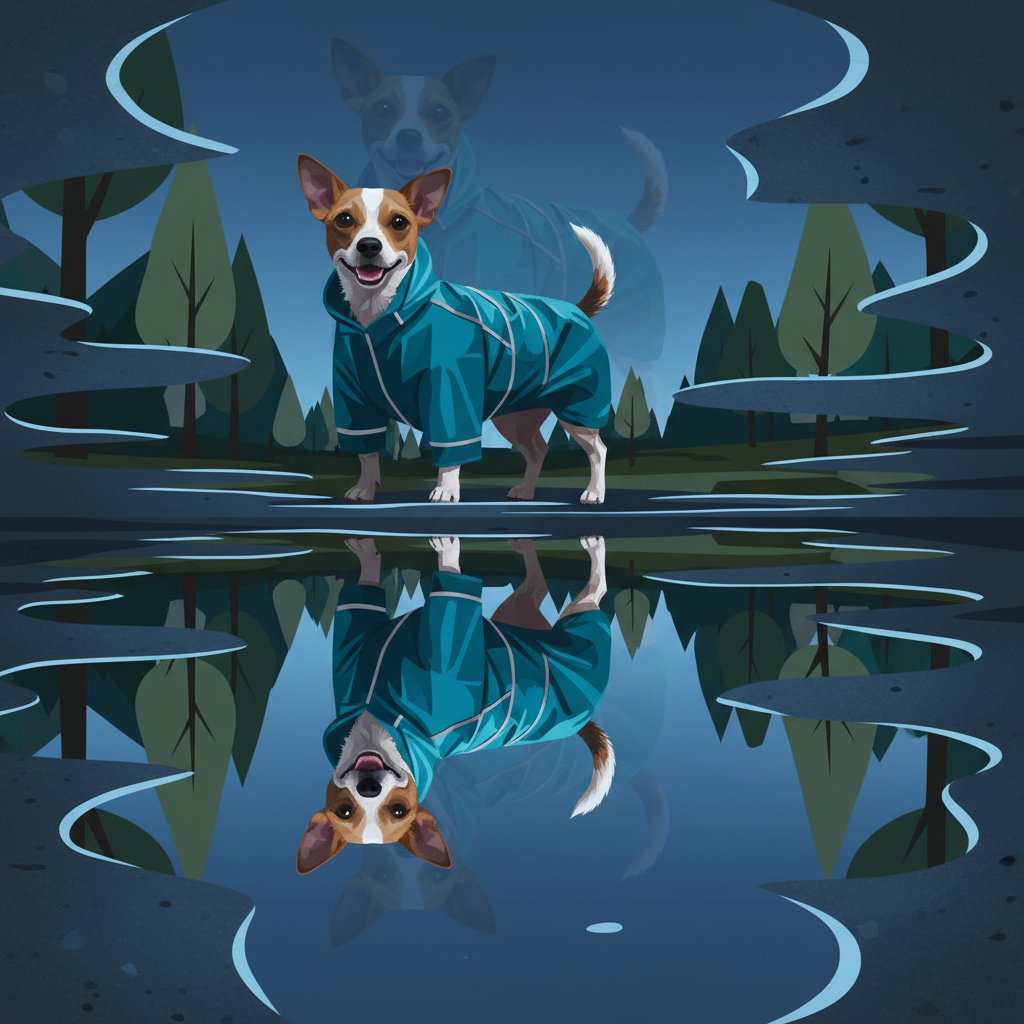
In certain circumstances, clothing can provide genuine protection and comfort for pets. For example, a well-fitting raincoat can keep a short-haired dog dry and warm during inclement weather, preventing hypothermia and reducing the risk of illness. Similarly, booties can protect paws from hot pavement, snow, and ice, preventing burns and injuries. And for dogs with anxiety, a snug-fitting “thunder shirt” can provide a sense of security and reduce stress during thunderstorms or fireworks.
However, even when choosing functional apparel, it’s essential to consider the individual animal’s needs and sensitivities. A thick winter coat may be beneficial for a frail, elderly dog with a thin coat, but it could be overkill for a young, active Husky with a naturally thick fur. It’s also crucial to ensure that the clothing fits properly and doesn’t restrict movement or cause chafing.
My neighbor’s elderly Golden Retriever, Max, suffers from arthritis and struggles to regulate his body temperature. A lightweight, insulated vest helps him stay warm on chilly mornings, allowing him to enjoy his daily walks without discomfort. In this case, the clothing serves a clear and practical purpose, enhancing Max’s quality of life.
Choosing the Right Garments: A Checklist for Responsible Owners
Before dressing your pet, consider the following factors:
- Material: Opt for breathable, natural fabrics like cotton or fleece. Avoid synthetic materials that can trap moisture and cause skin irritation.
- Fit: Ensure the clothing fits properly and doesn’t restrict movement. It should be snug but not too tight, allowing the animal to walk, run, and play comfortably.
- Purpose: Choose garments that serve a practical purpose, such as providing warmth, protection from the elements, or reducing anxiety. Avoid purely aesthetic items that offer no functional benefit.
- Safety: Avoid clothing with dangling embellishments, small buttons, or other potential choking hazards. Make sure the garment doesn’t obstruct the animal’s vision or hearing.
- Comfort: Pay attention to your pet’s body language. If they appear uncomfortable or stressed, remove the clothing immediately.
Remember, responsible pet ownership is about prioritizing the animal’s well-being above all else. If you’re unsure whether a particular garment is appropriate, consult with your veterinarian or a qualified animal behaviorist.
The Psychology of Pet Dressing: Why Do We Do It?
Beyond the practical considerations, there’s a deeper psychological dimension to the phenomenon of pet dressing. Our motivations are often complex and multifaceted, driven by a combination of love, affection, and a desire for connection.
Anthropomorphism and the Human-Animal Bond
Anthropomorphism, the tendency to attribute human characteristics to animals, plays a significant role in our relationship with pets. We often project our own emotions, desires, and values onto them, seeing them as furry little humans with thoughts and feelings similar to our own. This can lead us to dress them in clothing that reflects our own personal style or that we believe will make them “happy.”
While anthropomorphism can strengthen the bond between humans and animals, it can also lead to misunderstandings and unrealistic expectations. It’s important to remember that pets are not miniature humans and that their needs and desires are fundamentally different from our own. Dressing them in clothing that is designed for humans can be a form of anthropomorphism that prioritizes our own desires over their well-being.
Think about the impulse to dress your pet in a matching outfit. Is it truly for their benefit, or is it driven by a desire to create a “cute” photo opportunity for social media? Are you projecting your own sense of style onto your pet, or are you genuinely considering their comfort and preferences?
The Role of Social Media and Online Validation
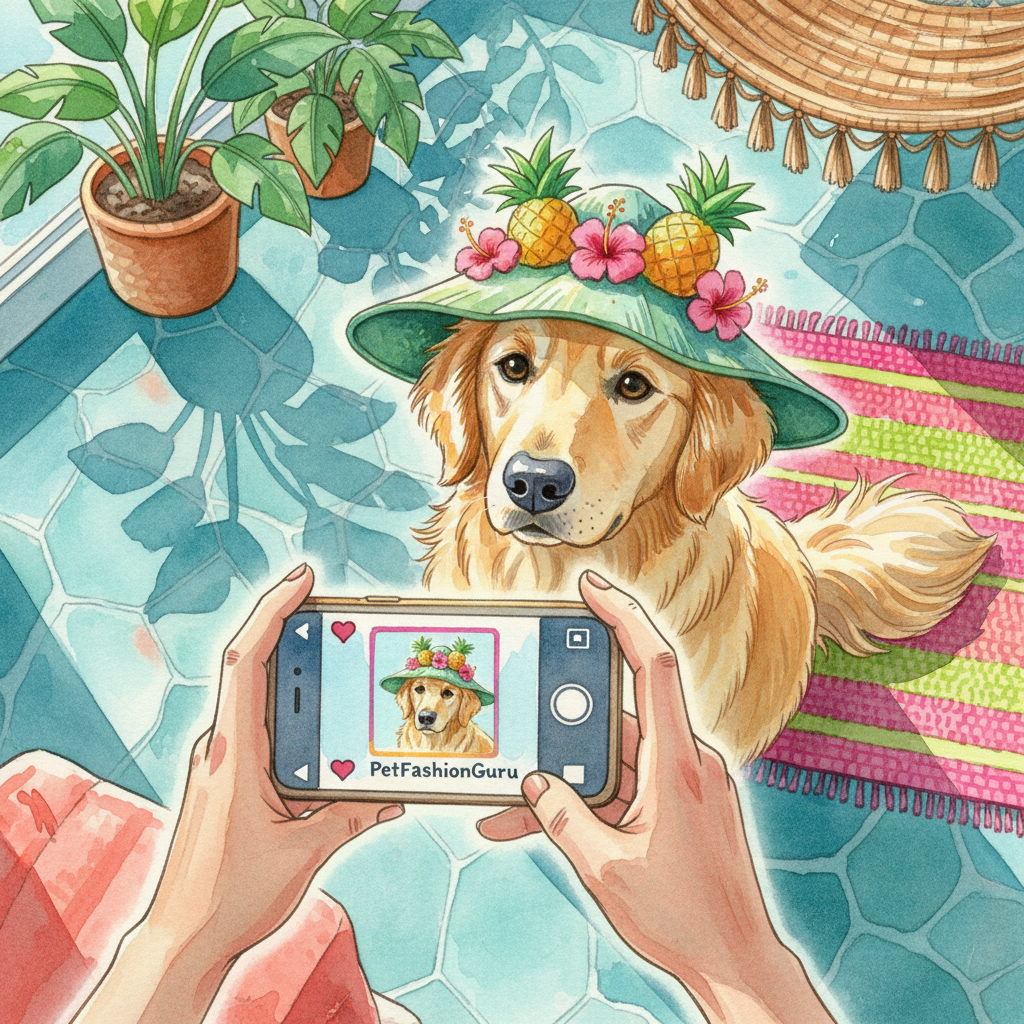
Social media has undoubtedly amplified the trend of pet dressing. The desire for online validation and the pressure to conform to prevailing trends can influence our choices, leading us to dress our pets in ways that are more about attracting attention than about providing comfort or protection.
The constant stream of adorable pet photos on Instagram and other platforms can create a sense of competition, prompting us to try to outdo each other with increasingly elaborate and outlandish outfits. It’s easy to get caught up in the pursuit of likes and followers, losing sight of the animal’s needs in the process.
It’s important to be mindful of the influence of social media and to avoid letting it dictate your choices when it comes to your pet’s clothing. Remember that your pet’s well-being should always be your top priority, regardless of what’s trending online.
Finding the Balance: Respectful Pet Ownership in a Fashion-Forward World
So, how do we navigate the world of pet clothing in a responsible and ethical way? The key is to find a balance between our own desires and the needs of our animal companions.
Prioritizing Well-being Over Trends
The most important thing is to prioritize your pet’s well-being above all else. This means choosing clothing that is comfortable, functional, and safe, and avoiding garments that are purely aesthetic or that could potentially cause harm. It also means being mindful of your pet’s body language and removing the clothing if they appear uncomfortable or stressed.
Don’t feel pressured to conform to prevailing trends or to dress your pet in elaborate outfits just to impress others. Remember that your pet is an individual with their own unique needs and preferences. Respect their boundaries and allow them to express their natural behavior without unnecessary restrictions.
Building a Stronger Bond Through Understanding
Ultimately, the goal is to build a stronger bond with your pet based on mutual respect and understanding. This means taking the time to learn about their individual needs and preferences, and making choices that are in their best interest. It also means being mindful of the potential for anthropomorphism and avoiding projecting your own desires onto them.
Instead of focusing on dressing your pet in elaborate outfits, consider investing in activities that will enrich their lives and strengthen your bond. Take them for walks, play games with them, and spend quality time cuddling and interacting with them. These experiences will create lasting memories and foster a deeper connection than any outfit ever could.
A close friend decided to forgo the trendy outfits and instead invested in agility training for her energetic Border Collie. The dog thrived on the mental and physical stimulation, and their bond deepened as they worked together to master new skills. This is a testament to the power of focusing on the animal’s needs rather than superficial aesthetics.
A Final Reflection: Dressing Your Pet, Dressing Yourself?
The question of whether we’re dressing our pets for them or for ourselves is ultimately a matter of self-reflection. Are we truly considering their comfort and well-being, or are we simply projecting our own desires and insecurities onto them? Are we using clothing as a means of expressing our love and affection, or as a way to attract attention and validation? By honestly examining our motivations, we can ensure that our choices are guided by compassion and respect, fostering a truly healthy and fulfilling relationship with our beloved animal companions.
Perhaps the most important thing to remember is that our pets love us unconditionally, regardless of what they’re wearing (or not wearing). Their loyalty and affection are not contingent on our ability to dress them in the latest fashions. What truly matters is the love, care, and attention we provide, creating a bond that transcends superficial aesthetics and endures for a lifetime.

Hi, my name is Robert Max, I live in the United States and I’m the creator of InTechNews. I started this blog with the goal of sharing reliable and practical information about pet care, helping pet owners provide a healthier and happier life for their animals. I’m passionate about animal well-being and believe that good information makes all the difference in responsible pet ownership.