
Beyond the Bark: Decoding Your Pet’s True Understanding
We’ve all been there. That moment when your furry companion seems to *know*. They tilt their head, their eyes lock with yours, and it feels like a profound connection. You might be confiding your deepest fears, sharing a moment of joy, or simply announcing it’s time for a walk. And they *get it*. Or do they?
The truth is, the way our pets understand us is far more nuanced and fascinating than simple linguistic comprehension. It’s a complex tapestry woven from observation, association, and a deep-seated connection forged through shared experiences. It’s less about understanding the *words* we say and more about deciphering the *music* we play.
The Illusion of Language: What Your Pet Really Hears
While some animals, like parrots, can mimic human speech, their understanding of the meaning behind those words is limited. Your dog might recognize the word “walk,” but it’s not grasping the grammatical structure or the subtle nuances of your sentence. Instead, they’re responding to a constellation of cues: the tone of your voice, the crinkle of the leash, the slight change in your posture as you reach for your shoes. These are the triggers that unleash their excitement, not necessarily the semantic content of the word itself.
Think of it like this: you might not understand a word of Mandarin, but you can likely discern whether someone is happy, angry, or sad based solely on their tone and body language. Your pet is doing something similar, but on an even more refined level. They’re masters of nonverbal communication, picking up on subtleties that often escape our conscious awareness.
Consider the classic experiment where a dog is trained to sit on command. The dog isn’t inherently understanding the concept of “sitting” as a discrete action linked to a specific word. Rather, it learns to associate the sound of the word with a reward, eventually performing the action whenever it hears that sound. Change the word, and the dog will need to learn the new association. It’s a brilliant display of associative learning, but it’s not the same as grasping the underlying meaning of the word.
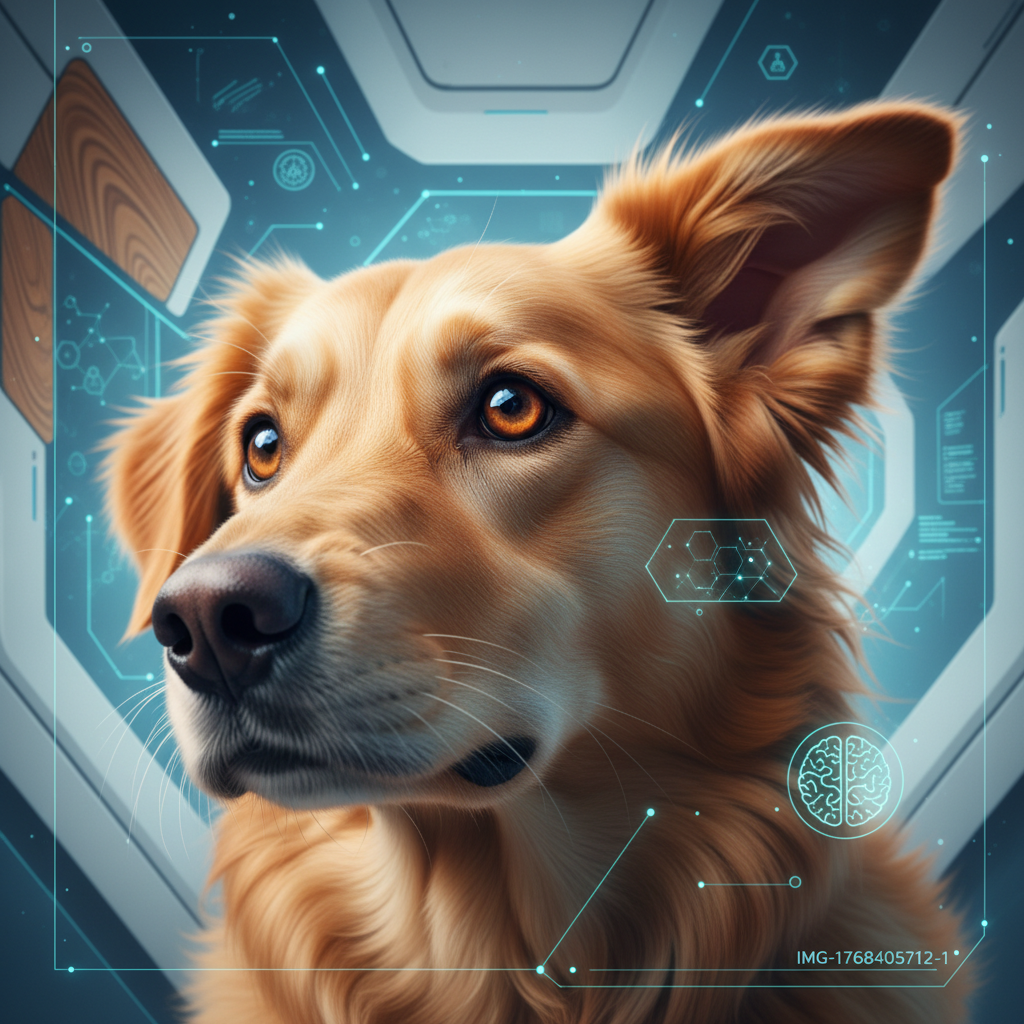
The Symphony of Senses: How Your Pet Perceives Your Emotions
Beyond language, our pets are acutely attuned to our emotional states. They’re like living barometers, sensing the subtle shifts in our mood before we even realize them ourselves. This sensitivity stems from their reliance on a range of sensory inputs, far exceeding our own in many respects.
The Power of Scent: An Emotional Barometer
Dogs, in particular, possess an extraordinary sense of smell, far surpassing human capabilities. They can detect minute changes in our body odor, which can reveal a wealth of information about our emotional state. Fear, anxiety, and even subtle shifts in hormone levels can all be detected through scent. This is why dogs can often sense when we’re feeling down or stressed, even if we’re trying to hide it.
Imagine a scenario where you’re feeling anxious about an upcoming presentation. You might try to project an air of confidence, but your dog will likely pick up on the subtle changes in your scent, the increased heart rate, and the slight tension in your muscles. They might respond by offering you extra affection, nudging you with their nose, or simply staying close by your side, providing a comforting presence. This isn’t just random behavior; it’s a targeted response to your emotional state, driven by their highly sensitive olfactory system.
Body Language Decoded: A Silent Conversation
Beyond scent, pets are also masters of interpreting body language. They can read our posture, facial expressions, and even the way we move our eyes. A furrowed brow, a tense jaw, or a slumped posture can all signal distress, while a relaxed smile and open body language can convey happiness and contentment. They learn to associate these cues with specific outcomes, predicting our behavior based on our nonverbal signals.
For example, a cat might learn that a slow blink from their owner is a sign of affection and trust. They might respond by returning the blink, initiating a silent conversation of mutual understanding. Similarly, a horse might learn to anticipate their rider’s commands based on subtle shifts in their weight and leg pressure. These are all examples of how animals use body language to decode our intentions and navigate the world around them.
The Bond of Shared Experience: Creating a Language of Your Own
Perhaps the most profound aspect of pet understanding lies in the bond forged through shared experiences. Over time, you and your pet develop a unique language of your own, built on a foundation of routines, rituals, and shared moments. This language transcends words, relying instead on a complex web of associations and expectations.
The Ritual of Feeding: A Symphony of Anticipation
Think about the simple act of feeding your pet. It’s more than just providing sustenance; it’s a ritual that reinforces your bond and establishes a sense of security. Your pet learns to anticipate the routine, associating the sound of the food bag, the opening of the cupboard, and the preparation of their bowl with the imminent arrival of their meal. This anticipation triggers a cascade of physiological responses, from increased salivation to heightened alertness.
This ritualistic behavior extends beyond feeding. It can encompass walks, playtime, bedtime routines, and even specific greetings. Each of these rituals reinforces the bond between you and your pet, creating a sense of predictability and security. They learn to anticipate your actions and respond accordingly, demonstrating a deep understanding of your shared world.
Consider a case study: A family adopts a rescue dog who is initially fearful and withdrawn. Through consistent routines of feeding, walking, and playing, the dog gradually learns to trust its new owners. It begins to anticipate their actions, wagging its tail when it sees them reach for the leash or greeting them enthusiastically at the door. This transformation is a testament to the power of shared experience and the ability of animals to form deep and lasting bonds.

The Mirror Effect: Empathy and Emotional Contagion
Another fascinating aspect of pet understanding is the phenomenon of emotional contagion. Animals, particularly social species like dogs and cats, are highly susceptible to mirroring the emotions of those around them. This means that your pet can actually “catch” your feelings, experiencing a similar emotional state as you.
If you’re feeling happy and excited, your dog might mirror your enthusiasm, jumping around and wagging its tail. Conversely, if you’re feeling stressed or anxious, your pet might become withdrawn or clingy, mirroring your unease. This emotional contagion is thought to be driven by mirror neurons, specialized brain cells that fire both when we perform an action and when we observe someone else performing that action. These neurons allow us to empathize with others, understanding their emotions by simulating them in our own brains.
This empathetic connection can be incredibly powerful, providing comfort and support during difficult times. Your pet’s ability to mirror your emotions can create a sense of validation and understanding, making you feel less alone in your struggles.
The Limits of Understanding: Avoiding Anthropomorphism
While it’s tempting to attribute human-like thoughts and feelings to our pets, it’s important to avoid anthropomorphism – the tendency to project human characteristics onto animals. While our pets are undoubtedly intelligent and emotional beings, their understanding of the world is fundamentally different from our own.
The Dangers of Projection: Misinterpreting Behavior
Anthropomorphism can lead to misinterpreting your pet’s behavior, attributing motivations and intentions that simply aren’t there. For example, you might assume that your dog is “punishing” you for leaving them alone by chewing up your shoes. However, the more likely explanation is that your dog is experiencing separation anxiety and is engaging in destructive behavior as a way to cope with their distress. Attributing malicious intent to your dog can damage your relationship and prevent you from addressing the underlying issue.
Similarly, you might assume that your cat is “jealous” of your attention being directed towards another pet. However, the cat’s behavior might be driven by a desire to maintain its territory and resources, rather than by a human-like emotion like jealousy. Understanding the underlying motivations behind your pet’s behavior is crucial for providing them with the appropriate care and support.

Recognizing Animal Minds: A Different Kind of Intelligence
Instead of trying to force our pets into a human mold, we should strive to understand their unique cognitive abilities and their own distinct way of experiencing the world. Animals possess a different kind of intelligence, one that is often highly specialized and adapted to their specific environment. They excel at tasks that are essential for their survival, such as hunting, foraging, navigating, and communicating with their own species.
For example, birds are masters of spatial memory, able to remember the locations of thousands of food caches. Squirrels can plan complex routes through trees, anticipating obstacles and adapting to changing conditions. Dolphins can use echolocation to navigate and hunt in murky waters. These are all examples of specialized cognitive abilities that demonstrate the remarkable intelligence of the animal kingdom.
Enhancing the Connection: Building a Bridge of Understanding
So, how can we deepen our understanding of our pets and build a stronger connection with them? The key lies in learning to communicate effectively, respecting their individual needs, and creating a shared world based on trust and mutual understanding.
Active Listening: Tuning into Your Pet’s Signals
The first step is to become a more attentive observer of your pet’s behavior. Pay close attention to their body language, vocalizations, and overall demeanor. Learn to recognize the subtle cues that indicate their emotional state, their needs, and their desires. This requires patience, empathy, and a willingness to tune into their unique way of communicating.
For example, a dog that is feeling anxious might exhibit signs such as panting, pacing, lip licking, or whale eye (showing the whites of their eyes). A cat that is feeling stressed might hide, hiss, or flatten its ears. Recognizing these signs early on can allow you to intervene and address the underlying cause of their distress.
Positive Reinforcement: Rewarding Desired Behavior
Positive reinforcement is a powerful tool for training and communication. By rewarding desired behaviors with treats, praise, or affection, you can encourage your pet to repeat those behaviors in the future. This is a much more effective approach than punishment, which can damage your relationship and create fear and anxiety.
For example, if you want to teach your dog to sit, you can lure them into the sitting position with a treat and then reward them immediately when they comply. Over time, they will learn to associate the action with the reward and will begin to sit on command. Similarly, if you want to discourage your cat from scratching your furniture, you can provide them with a scratching post and reward them when they use it.

Creating a Shared World: Building Trust and Respect
Ultimately, the key to understanding your pet lies in creating a shared world based on trust, respect, and mutual understanding. This means respecting their individual needs, providing them with a safe and stimulating environment, and engaging with them in activities that they enjoy. It also means being patient, empathetic, and willing to learn from them.
By embracing the unique perspective of your pet, you can unlock a deeper level of connection and create a bond that transcends words. You’ll begin to see the world through their eyes, appreciating the simple joys of life, the power of unconditional love, and the profound beauty of the animal kingdom. And while they may not understand every word you say, they’ll understand you in a way that no human ever could.
The connection with our pets is a testament to the power of interspecies communication and the enduring bonds that can be forged through shared experience and mutual respect. It’s a reminder that understanding doesn’t always require words, and that the deepest connections are often built on a foundation of empathy, compassion, and a willingness to see the world through another’s eyes (or nose!). It’s a beautiful, complex, and ultimately rewarding relationship that enriches our lives in countless ways.

Hi, my name is Robert Max, I live in the United States and I’m the creator of InTechNews. I started this blog with the goal of sharing reliable and practical information about pet care, helping pet owners provide a healthier and happier life for their animals. I’m passionate about animal well-being and believe that good information makes all the difference in responsible pet ownership.