
The Hidden Costs of Canine Couture
We love our pets. We want them to be happy, healthy, and, let’s be honest, a little bit stylish. The pet clothing industry has exploded in recent years, offering everything from miniature raincoats to elaborate Halloween costumes. But in our eagerness to dress up our furry friends, are we overlooking a crucial aspect of their well-being: their comfort?
It’s tempting to see pet clothing as a harmless indulgence, a way to express our affection and maybe even get a few laughs. But poorly chosen or ill-fitting garments can cause a surprising range of problems, both physical and psychological. Just like humans, animals experience discomfort, irritation, and even anxiety when their clothing doesn’t feel right. And because they can’t always tell us what’s wrong, it’s up to us to be vigilant about the potential pitfalls of pet fashion.
Think about it: have you ever worn a shirt that was too tight around the neck or a pair of shoes that pinched your toes? You probably spent the whole day feeling irritated and distracted. Our pets are no different. They deserve clothing that allows them to move freely, breathe easily, and express their natural behaviors without restriction.
Beyond the Cute Factor: Prioritizing Pet Comfort
The first step in choosing pet clothing is to move beyond the “cute” factor. Yes, that tiny tuxedo might look adorable on your Chihuahua, but is it actually comfortable? Does it allow him to run, jump, and play without restriction? Does it irritate his skin or impede his breathing? These are the questions we need to ask ourselves before reaching for our wallets.
Consider a case study: A local animal shelter noticed a trend of dogs being returned shortly after adoption, with the owners citing behavioral issues. After careful observation, the shelter staff realized that many of these dogs had been dressed in elaborate outfits by their new owners shortly after arriving in their new homes. The dogs, already stressed by the transition, were further overwhelmed by the unfamiliar and restrictive clothing. By advising adopters to avoid dressing their dogs for the first few weeks, the shelter saw a significant decrease in return rates.
The Physical Toll of Uncomfortable Clothing
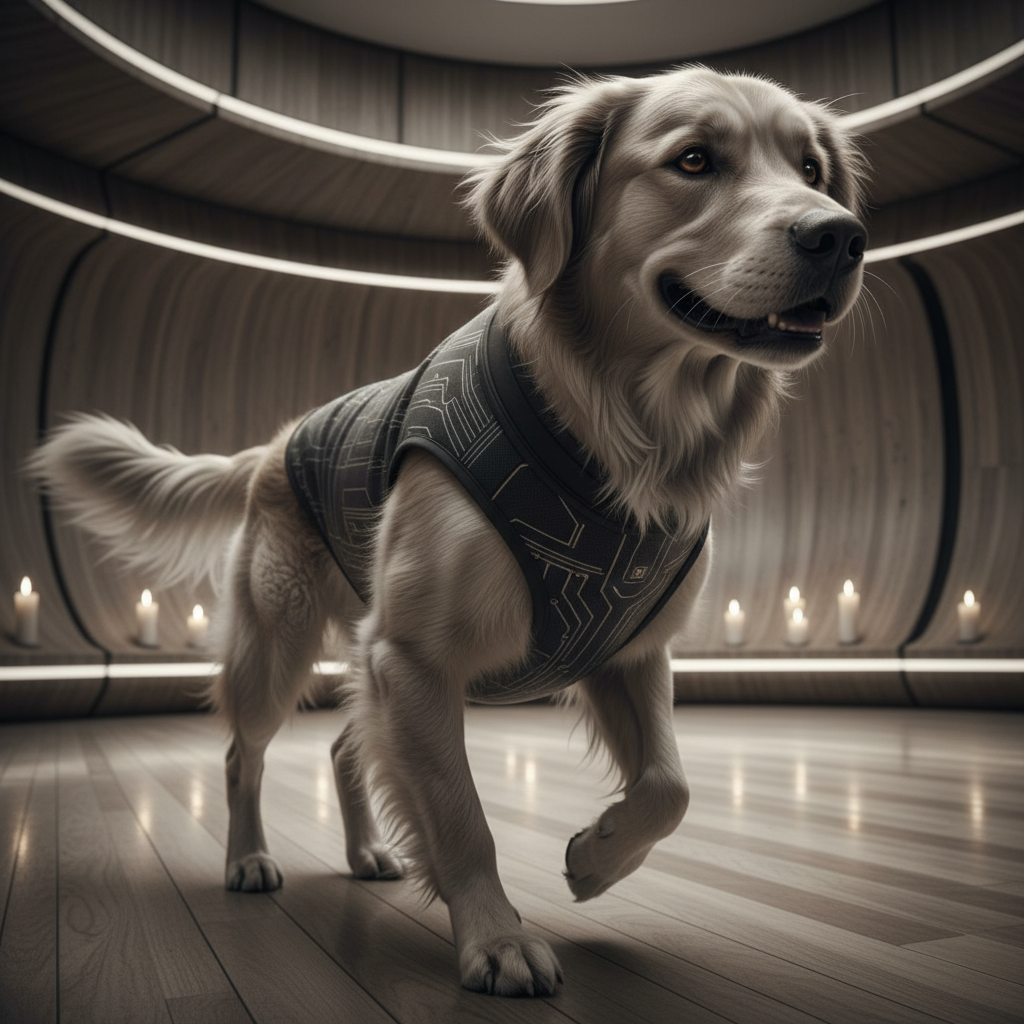
The physical consequences of ill-fitting pet clothing can be surprisingly diverse. Here are some of the most common problems:
Skin Irritation and Allergies
Just like humans, pets can develop skin irritation and allergies from certain fabrics or dyes. Synthetic materials like polyester and nylon are common culprits, as they can trap moisture and prevent the skin from breathing. This can lead to itching, redness, and even secondary infections.
Choosing natural, breathable fabrics like cotton, linen, or bamboo is a good way to minimize the risk of skin irritation. It’s also important to wash new clothing before putting it on your pet, as this can remove any residual chemicals or dyes that might cause a reaction. Pay close attention to your pet’s skin for any signs of irritation, such as excessive scratching, licking, or redness. If you notice any of these symptoms, remove the clothing immediately and consult with your veterinarian.
Restricted Movement and Joint Pain
Clothing that is too tight or restrictive can limit your pet’s range of motion and put undue stress on their joints. This is especially problematic for older animals or those with pre-existing conditions like arthritis. Imagine trying to run or jump while wearing a constricting corset – it would be incredibly uncomfortable and potentially harmful.
When choosing clothing for your pet, make sure it allows them to move freely and comfortably. Avoid garments that are too tight around the neck, chest, or limbs. Look for designs that are specifically tailored to your pet’s anatomy and that allow for a full range of motion. Observe your pet carefully while they are wearing clothing to ensure that they are not struggling to move or exhibiting any signs of discomfort.
Overheating and Respiratory Issues
Pets, particularly dogs, don’t sweat the way humans do. They primarily regulate their body temperature through panting. Wearing bulky or non-breathable clothing can interfere with this process and lead to overheating, especially in warm weather. Brachycephalic breeds (those with short noses) like Bulldogs and Pugs are particularly vulnerable to overheating, as their respiratory systems are already compromised.
Choose lightweight, breathable fabrics like cotton or mesh for warm weather clothing. Avoid dressing your pet in dark colors, which can absorb heat. Never leave your pet unattended while they are wearing clothing, and be sure to monitor them closely for signs of overheating, such as excessive panting, drooling, and lethargy. If you notice any of these symptoms, remove the clothing immediately and move your pet to a cool, shaded area.
Digestive Problems
Believe it or not, uncomfortable clothing can even contribute to digestive issues in pets. Clothing that is too tight around the abdomen can put pressure on the stomach and intestines, leading to nausea, vomiting, or constipation. Some pets may also ingest pieces of clothing, leading to blockages or other digestive complications.
Ensure that any clothing you choose for your pet fits properly and does not constrict their abdomen. Avoid clothing with small buttons, zippers, or other embellishments that could be easily swallowed. If you suspect that your pet has ingested a piece of clothing, contact your veterinarian immediately.
The Psychological Impact of Unsuitable Attire
Beyond the physical discomfort, ill-fitting or inappropriate clothing can also have a significant impact on your pet’s mental and emotional well-being. Here’s how:
Increased Stress and Anxiety
Imagine being forced to wear clothing that you find uncomfortable, restrictive, or even humiliating. You would probably feel stressed, anxious, and irritable. Our pets are no different. Forcing them to wear clothing that they don’t like can lead to a variety of behavioral problems, such as excessive barking, chewing, or aggression.
Pay attention to your pet’s body language when you put them in clothing. Are they relaxed and comfortable, or are they showing signs of stress, such as panting, yawning, lip-licking, or whale eye (when the whites of their eyes are visible)? If your pet consistently displays these behaviors when wearing clothing, it’s a clear sign that they are not enjoying the experience.
Suppressed Natural Behaviors
Pets have a natural need to explore, play, and interact with their environment. Clothing that is too restrictive can prevent them from engaging in these behaviors, leading to boredom, frustration, and even depression. A dog in a bulky costume, for example, may be unable to run, jump, or roll around in the grass – activities that are essential for their physical and mental well-being.
Choose clothing that allows your pet to move freely and engage in their natural behaviors. Avoid garments that are too long, too bulky, or too restrictive. Consider the specific activities that your pet enjoys and choose clothing that will not interfere with those activities. For example, if your dog loves to swim, you might choose a lightweight, quick-drying vest instead of a heavy coat.
Reduced Social Interaction
Clothing can also affect how other animals perceive your pet. A dog in a costume, for example, might be seen as threatening or intimidating by other dogs, leading to aggression or avoidance. Similarly, a cat in a sweater might be unable to groom itself properly, leading to a buildup of mats and a decrease in social acceptance.
Be mindful of how your pet’s clothing might be perceived by other animals. Avoid dressing your pet in costumes or clothing that could be seen as threatening or confusing. Ensure that your pet is still able to groom themselves properly while wearing clothing. If you notice that your pet is experiencing social difficulties as a result of their clothing, remove the offending garment and consult with a veterinarian or animal behaviorist.
Choosing Comfort Over Trend: A Practical Guide
So, how can we ensure that our pets are comfortable and happy while still indulging in a little bit of fashion? Here are some practical tips:
Prioritize Fit and Function
The most important factor in choosing pet clothing is fit. Make sure the garment is neither too tight nor too loose. It should allow for a full range of motion and should not restrict your pet’s breathing or digestion. Pay attention to the fabric as well. Choose natural, breathable materials like cotton, linen, or bamboo. Avoid synthetic fabrics that can trap moisture and irritate the skin.
Consider the Weather and Activity
Choose clothing that is appropriate for the weather and the activity. In warm weather, opt for lightweight, breathable fabrics in light colors. In cold weather, choose insulated garments that will keep your pet warm and dry. If your pet is going to be active, choose clothing that is durable and won’t restrict their movement.
Introduce Clothing Gradually
Don’t force your pet to wear clothing if they are not comfortable with it. Introduce clothing gradually, starting with short periods of time and rewarding your pet with treats and praise. If your pet is resistant to wearing clothing, try distracting them with a toy or a game. Never force your pet to wear clothing if they are showing signs of stress or discomfort.
Observe Your Pet’s Body Language
Pay close attention to your pet’s body language when they are wearing clothing. Are they relaxed and comfortable, or are they showing signs of stress, such as panting, yawning, lip-licking, or whale eye? If your pet consistently displays these behaviors when wearing clothing, it’s a clear sign that they are not enjoying the experience. Remove the clothing immediately and try a different style or size.
Less is Often More
Sometimes, the best approach is to simply avoid dressing your pet altogether. If your pet is not comfortable wearing clothing, don’t force them. There are plenty of other ways to show your love and affection. A healthy diet, regular exercise, and plenty of attention are far more important than a fashionable wardrobe.
When in Doubt, Consult a Professional
If you’re unsure about what type of clothing is best for your pet, consult with a veterinarian or a professional pet stylist. They can help you choose garments that are both comfortable and safe for your furry friend. They can also provide advice on how to introduce clothing gradually and how to monitor your pet’s body language for signs of stress or discomfort.
The Ethical Considerations of Pet Fashion
Beyond the practical considerations of comfort and safety, there are also ethical considerations to keep in mind when choosing pet clothing. Are we treating our pets with respect when we dress them up in elaborate costumes or outfits that serve no practical purpose? Are we projecting our own desires and insecurities onto our animals, or are we truly considering their needs and preferences?
It’s important to remember that our pets are not accessories. They are living, sentient beings with their own unique personalities and needs. While it’s perfectly acceptable to dress your pet in functional clothing that provides warmth, protection, or safety, it’s important to avoid turning them into fashion victims. Choose clothing that is comfortable, practical, and respectful of your pet’s natural dignity.
Consider the environmental impact of your pet clothing choices as well. The fast fashion industry is notoriously wasteful and polluting, and the pet clothing industry is no exception. Choose durable, well-made garments that will last for years, and avoid buying cheap, disposable items that will end up in the landfill. Consider purchasing from companies that use sustainable and ethical manufacturing practices.
Finding the Balance: Function, Fashion, and Furry Friends
Ultimately, the decision of whether or not to dress your pet in clothing is a personal one. There’s no right or wrong answer, as long as you prioritize your pet’s comfort, safety, and well-being. By choosing clothing that is functional, well-fitting, and respectful of your pet’s natural needs, you can strike a balance between fashion and furry friendship.
Remember, the goal is to enhance your pet’s life, not to complicate it. If your pet is happy, healthy, and comfortable, then you’re doing something right. And if they’re not, it’s time to re-evaluate your clothing choices and prioritize their needs above all else. After all, a happy pet is a stylish pet – even if they’re not wearing the latest trends.
So, the next time you’re tempted to buy that adorable little outfit for your furry friend, take a moment to pause and consider: is it truly for them, or is it for you? The answer to that question might just make all the difference in their comfort and happiness.

Hi, my name is Robert Max, I live in the United States and I’m the creator of InTechNews. I started this blog with the goal of sharing reliable and practical information about pet care, helping pet owners provide a healthier and happier life for their animals. I’m passionate about animal well-being and believe that good information makes all the difference in responsible pet ownership.