
The Shifting Sands of Pet Ownership
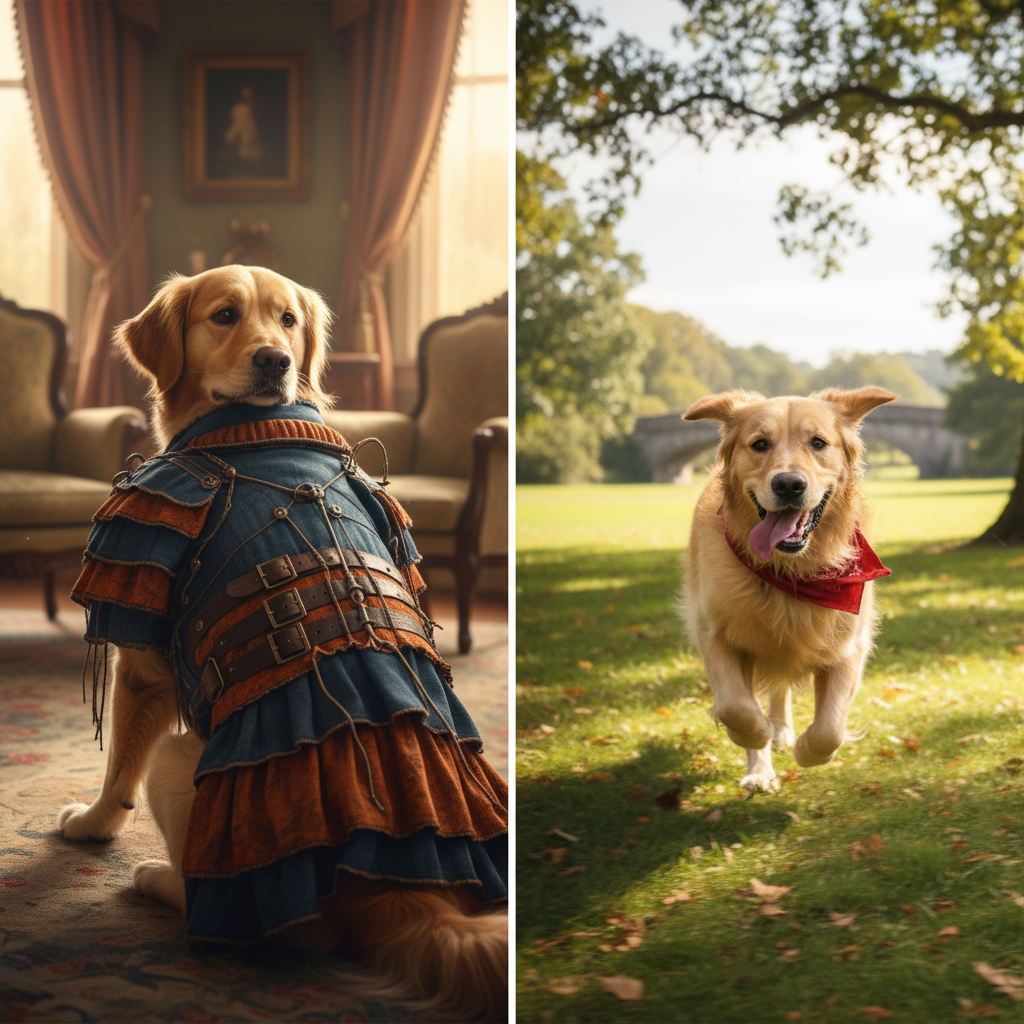
We live in a world saturated with images of pets dressed in adorable outfits, participating in human-like activities, and generally being treated as miniature, furry humans. The pet industry has exploded, offering everything from designer clothing to gourmet meals, all geared towards enhancing the lives of our animal companions. But in the midst of this pampering, a crucial question arises: have we blurred the line between companionship and objectification? Have we forgotten that our pets, while cherished members of our families, are not, and should never be treated as, mere toys?
The answer, for many, is a resounding yes. The rise of social media, with its endless stream of perfectly posed pets in costumes, has undoubtedly contributed to this shift. We see these images and, consciously or unconsciously, begin to view our own pets through a similar lens. We want the perfect photo, the viral video, the bragging rights that come with owning a “stylish” or “well-behaved” animal. But at what cost?
The truth is, treating a pet like a toy, like an accessory, can have profound consequences for their well-being. It can lead to neglect, to a misunderstanding of their needs, and ultimately, to a breakdown in the bond that should exist between human and animal. This isn’t about denying our pets comforts or even the occasional indulgence. It’s about recognizing their inherent dignity, their unique needs, and respecting them as sentient beings, not just objects of our amusement.
The Psychology Behind Pet Humanization
Why do we humanize our pets? The reasons are complex and deeply rooted in our own psychology. For many, pets fill a void in their lives, providing companionship, unconditional love, and a sense of purpose. In a world that can often feel isolating and impersonal, the bond we share with our animals can be a lifeline. It’s natural, then, to project human emotions and characteristics onto them, to see them as furry children or confidantes.
Attachment Theory and the Pet-Human Bond
Attachment theory, originally developed to explain the bond between infants and caregivers, offers a compelling framework for understanding the pet-human relationship. Just as infants seek security and comfort from their caregivers, many pet owners derive a similar sense of security and comfort from their animals. Pets become a source of emotional regulation, helping us to cope with stress, anxiety, and loneliness. Dressing them up, including them in our social activities, and generally treating them like miniature humans can be a way of reinforcing this attachment bond, of solidifying their role as a source of emotional support.
The Role of Social Media
Social media plays a significant role in perpetuating the trend of pet humanization. The algorithms that govern our online experiences often prioritize content that is visually appealing, emotionally engaging, and easily shareable. Pets in costumes, performing tricks, or simply looking adorable are prime candidates for viral success. This creates a feedback loop, where pet owners are incentivized to present their animals in ways that will garner attention and validation online. The line between genuine affection and performative pet ownership can become blurred, with the animal’s well-being taking a backseat to the pursuit of online fame.
Consider the case of “Doug the Pug,” a celebrity pug with millions of followers on social media. Doug is often photographed in elaborate costumes, attending red carpet events, and generally living a life that is far removed from the typical pug experience. While Doug’s owner undoubtedly loves him, the extent to which Doug’s well-being is prioritized over the demands of his public persona is a valid question to ask. Is Doug truly enjoying his life as a social media star, or is he simply a prop in a carefully curated online narrative?
The Dangers of Anthropomorphism
Anthropomorphism, the attribution of human traits, emotions, and intentions to non-human entities, is a natural and often harmless tendency. We anthropomorphize our pets because it helps us to understand them, to empathize with them, and to form stronger bonds with them. However, when anthropomorphism becomes excessive, it can lead to a misinterpretation of our pets’ needs and behaviors, and ultimately, to their mistreatment.
Misunderstanding Their Needs
One of the most significant dangers of anthropomorphism is the tendency to project our own desires and preferences onto our pets, without considering their unique needs as animals. For example, we might assume that our dog enjoys wearing a particular outfit because it looks cute, without realizing that the fabric is itchy, the fit is restrictive, and the overall experience is stressful. Similarly, we might force our cat to participate in social activities that they find overwhelming, simply because we enjoy having them by our side.
A classic example is the practice of forcing dogs to hug. While humans often interpret hugs as a sign of affection, many dogs find them to be a stressful and even threatening gesture. A dog’s body language will often indicate their discomfort, with signs such as lip licking, yawning, whale eye (showing the whites of their eyes), and a stiff posture. Ignoring these signals and continuing to force the hug can damage the relationship and create anxiety for the dog.
Ignoring Their Natural Instincts
Another danger of anthropomorphism is the tendency to suppress or ignore our pets’ natural instincts. We might scold our dog for barking at strangers, without recognizing that barking is a natural form of communication for dogs. We might confine our cat to an indoor environment, depriving them of the opportunity to hunt and explore, simply because we believe it is safer for them. By denying our pets the opportunity to express their natural instincts, we can create frustration, boredom, and a range of behavioral problems.
Recognizing and Respecting Their Individuality
The key to responsible pet ownership lies in recognizing and respecting the individuality of our animals. Just as every human being is unique, every pet has their own personality, preferences, and needs. Taking the time to understand these individual differences is crucial for building a strong and fulfilling relationship.
Observing Their Body Language
One of the most important tools for understanding our pets is observation. Paying close attention to their body language, their vocalizations, and their overall demeanor can provide valuable insights into their emotional state. Learning to recognize the subtle signs of stress, anxiety, and discomfort can help us to avoid situations that might be harmful or unpleasant for them. For example, a dog that is backing away, tucking its tail, or showing the whites of its eyes is likely feeling uncomfortable and should be given space.
Providing Enrichment and Stimulation
Providing adequate enrichment and stimulation is essential for the physical and mental well-being of our pets. This can include providing opportunities for exercise, play, and social interaction, as well as providing puzzle toys, chew toys, and other activities that challenge their minds. A bored and understimulated pet is more likely to develop behavioral problems, such as excessive barking, chewing, and aggression.
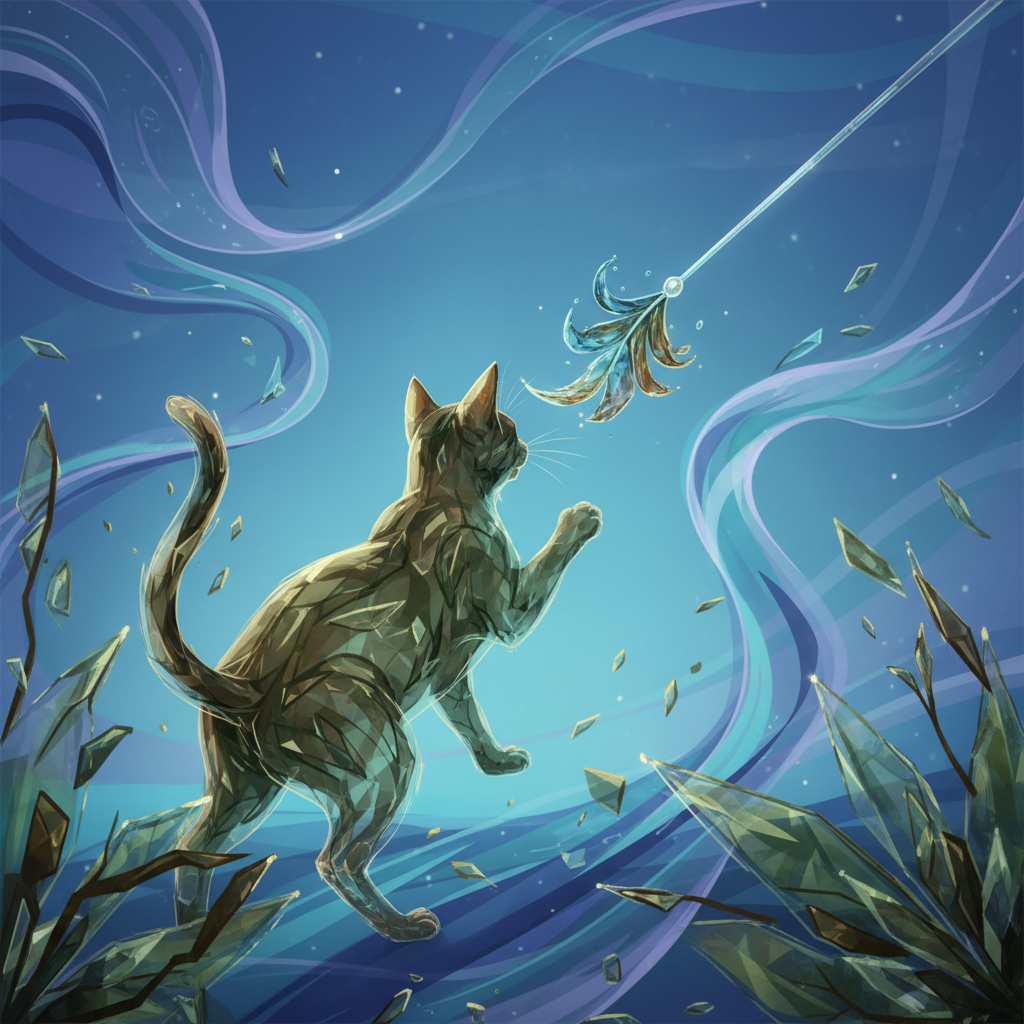
For dogs, regular walks, playtime in the park, and training sessions can provide valuable opportunities for physical and mental stimulation. For cats, scratching posts, climbing structures, and interactive toys can help to satisfy their natural instincts to hunt, climb, and explore. Tailoring the enrichment activities to the individual needs and preferences of your pet is crucial for maximizing their enjoyment and well-being.
The Ethics of Pet Clothing and Styling
The trend of dressing up pets in clothing and accessories raises important ethical questions. While some pets may tolerate or even seem to enjoy wearing certain items, others may find them to be stressful and uncomfortable. It is crucial to consider the potential impact on the animal’s well-being before subjecting them to clothing or styling that they may not enjoy.
Prioritizing Comfort and Safety
When choosing clothing or accessories for your pet, prioritize comfort and safety above all else. Avoid items that are too tight, too restrictive, or made from materials that are itchy or irritating. Make sure that the clothing allows for freedom of movement and does not impede the animal’s ability to breathe, eat, or eliminate. Avoid accessories that could pose a choking hazard or become entangled in their fur.
Consider the climate and weather conditions when choosing clothing for your pet. In hot weather, avoid clothing that could trap heat and lead to overheating. In cold weather, opt for warm, breathable materials that will protect them from the elements. Always supervise your pet while they are wearing clothing or accessories, and remove them immediately if they show any signs of distress.
Respecting Their Natural Appearance
While it may be tempting to transform your pet into a miniature human with elaborate hairstyles and colorful dyes, it is important to respect their natural appearance. Avoid using harsh chemicals or dyes that could irritate their skin or damage their fur. Avoid hairstyles that could impede their vision or restrict their movement. Remember that your pet is beautiful just the way they are, and that excessive grooming and styling can actually detract from their natural charm.
Beyond the Instagram Aesthetic
The pressure to present a perfect, picture-worthy pet on social media can be overwhelming. However, it is important to remember that the online world is often a curated and idealized version of reality. Don’t let the pursuit of likes and followers overshadow the genuine connection you have with your animal companion. Focus on building a relationship based on trust, respect, and mutual understanding, rather than on superficial appearances.
Celebrating Their Imperfections
Embrace your pet’s quirks and imperfections. Those goofy ears, that crooked tail, that tendency to snore loudly are all part of what makes them unique and lovable. Don’t try to force them to conform to some unrealistic ideal of perfection. Celebrate their individuality and appreciate them for who they are, flaws and all.
Focusing on the Real Connection
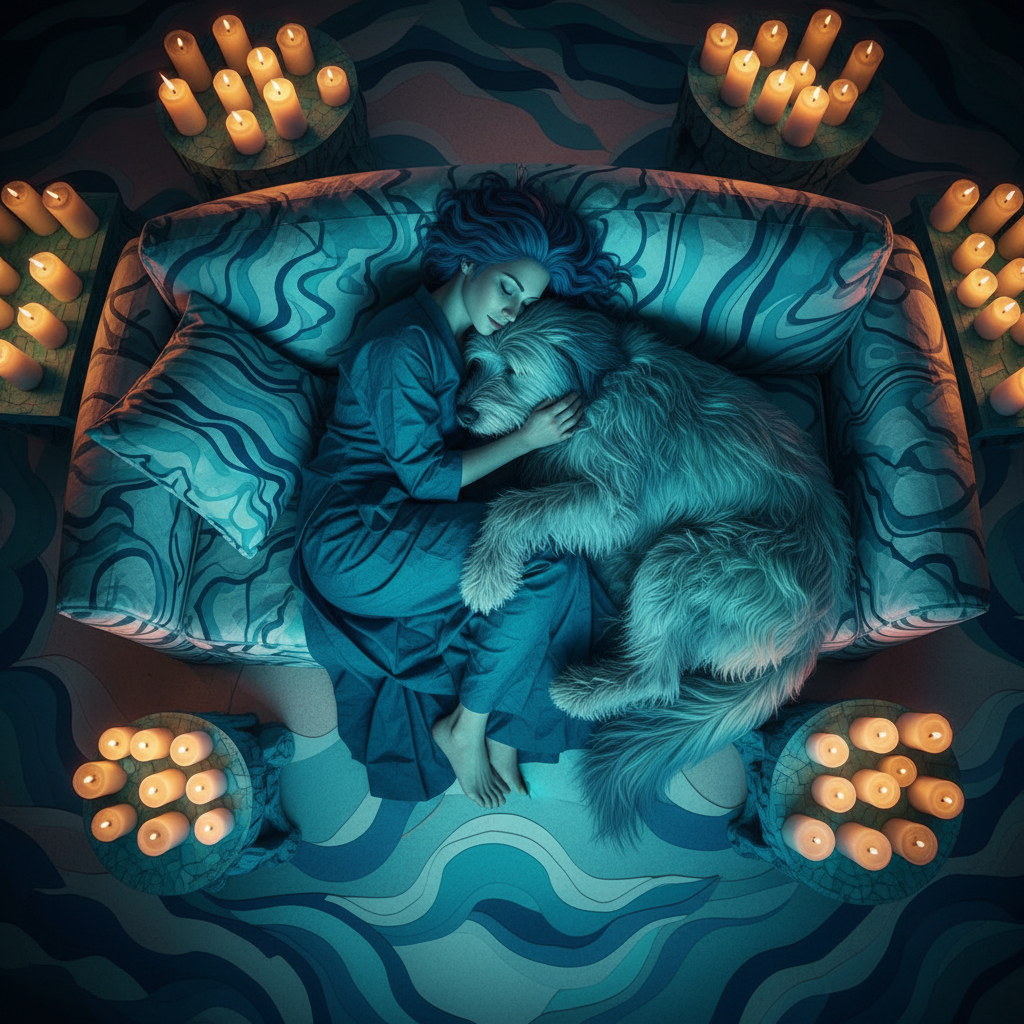
The true value of pet ownership lies in the unconditional love, companionship, and joy that our animals bring to our lives. Spend quality time with your pet, engaging in activities that you both enjoy. Cuddle on the couch, go for walks in the park, play fetch in the backyard. These shared experiences will strengthen your bond and create memories that will last a lifetime.
Case Study: The Rescue Dog Who Didn’t Want to Dress Up
Consider the case of Bella, a rescue dog who had been adopted from a local animal shelter. Bella had a history of abuse and neglect, and was initially very timid and fearful. Her new owners, eager to help her adjust to her new life, tried to shower her with affection and attention. They bought her a variety of toys, took her on long walks, and even tried to dress her up in cute outfits.
However, Bella reacted negatively to the clothing. She would cower, tremble, and even try to bite when her owners approached her with a sweater or a hat. They initially interpreted this as stubbornness or defiance, and tried to gently force her to wear the clothes. However, they soon realized that Bella was genuinely terrified of being dressed up.
After consulting with a professional dog trainer, Bella’s owners learned that her aversion to clothing was likely related to her past trauma. The feeling of being confined or restricted may have triggered painful memories of her previous abuse. They decided to stop trying to dress her up and instead focused on building her trust and confidence through positive reinforcement training.
Over time, Bella began to relax and come out of her shell. She learned to trust her new owners and to enjoy their company. She still didn’t like being dressed up, but her owners respected her boundaries and never forced her to do anything that made her uncomfortable. Bella eventually blossomed into a happy and well-adjusted dog, proving that love, patience, and respect are the most important ingredients for a successful pet-human relationship.
Redefining Pet Ownership: A Call to Action
It’s time to redefine what it means to be a responsible pet owner. It’s time to move beyond the superficiality of social media and the pressure to conform to unrealistic ideals. It’s time to recognize that our pets are not toys, but sentient beings with their own unique needs, personalities, and preferences. It’s time to treat them with the respect, dignity, and compassion that they deserve.
Educating Ourselves and Others
The first step towards redefining pet ownership is education. Learn about the specific needs of your chosen species and breed. Understand their natural instincts, their body language, and their individual preferences. Educate yourself about responsible breeding practices, animal welfare issues, and the importance of spaying and neutering. Share your knowledge with others and encourage them to adopt a more ethical and compassionate approach to pet ownership.
Advocating for Animal Welfare
Get involved in animal welfare advocacy. Support organizations that are working to protect animals from abuse, neglect, and exploitation. Speak out against harmful practices, such as puppy mills, dog fighting, and the use of animals in research. Promote responsible pet ownership in your community and encourage others to do the same.
Embracing the Imperfect, Authentic Bond
Ultimately, the most important thing is to embrace the imperfect, authentic bond that you share with your pet. Let go of the need for perfection and focus on building a relationship based on trust, respect, and mutual understanding. Celebrate their individuality, appreciate their quirks, and love them unconditionally. Remember that the true value of pet ownership lies not in the likes and followers you can garner on social media, but in the joy, companionship, and unconditional love that your animal companion brings to your life.
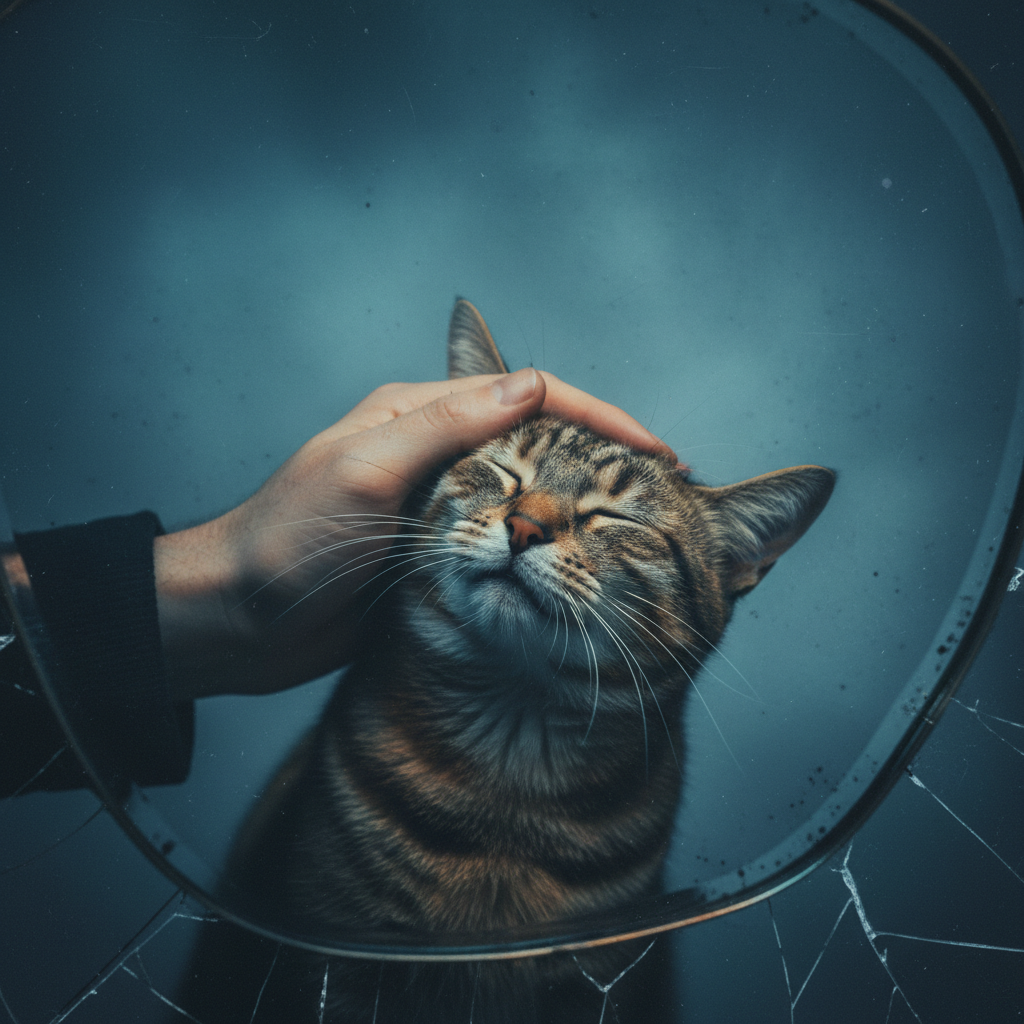
Let’s choose to see our pets for who they truly are: complex, feeling individuals who enrich our lives in countless ways. Let’s prioritize their well-being over fleeting trends and online validation. Let’s ensure that our homes are sanctuaries of love, respect, and understanding, where our animal companions can thrive, not just survive. Because, in the end, isn’t that what true companionship is all about?

Hi, my name is Robert Max, I live in the United States and I’m the creator of InTechNews. I started this blog with the goal of sharing reliable and practical information about pet care, helping pet owners provide a healthier and happier life for their animals. I’m passionate about animal well-being and believe that good information makes all the difference in responsible pet ownership.